 01
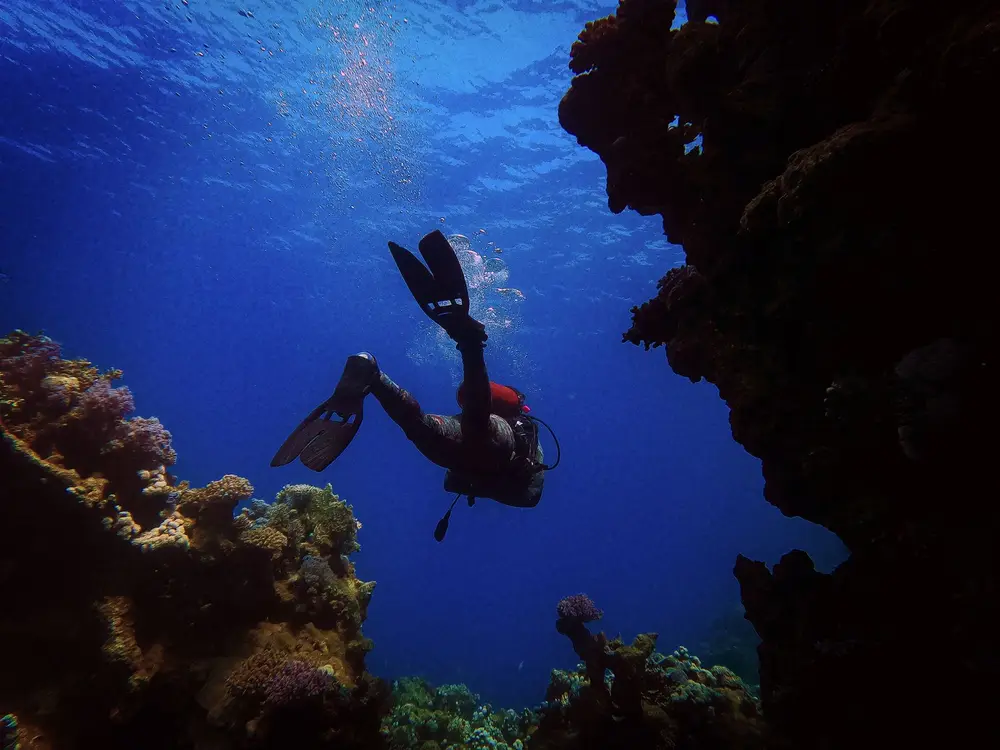
01 Dahab — Blue Hole (Bells entry)
Famous 100m vertical hole in the reef; dived via the safer Bells entry as a 30m wall drift to the saddle.
⇩6–30 m ◎25 m viz ≈21–28°C intermediate
Explore this site → 

Wreck-diving guide
Egypt's Red Sea holds legendary wrecks, 25–35 m visibility, and water 21–29 °C year-round. Suits beginners to experts.
Egypt is one of the few places on earth where wreck diving, reef diving, and pelagic encounters overlap in the same week. With 258 published dive sites across the Red Sea — from the sheltered bays around Hurghada to the exposed offshore pinnacles of the Brothers Islands — and visibility routinely hitting 25–35 m, the conditions let you actually see what you've come to see. Water temperature stays between 21 °C in February and 29 °C in August, so there's no bad season to go.
The reefs, walls and wrecks worth the trip — each with real conditions, seasons and marine life.
01 Famous 100m vertical hole in the reef; dived via the safer Bells entry as a 30m wall drift to the saddle.
 02
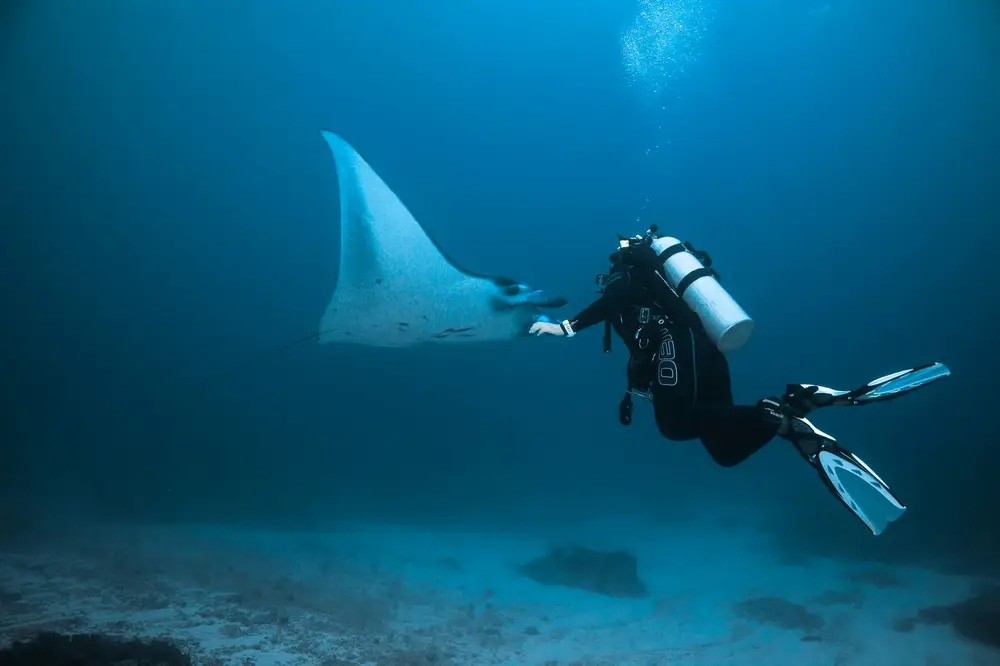
02 Manta Point is a year-round Egyptian dive site known for manta ray encounters and coral health.
 03
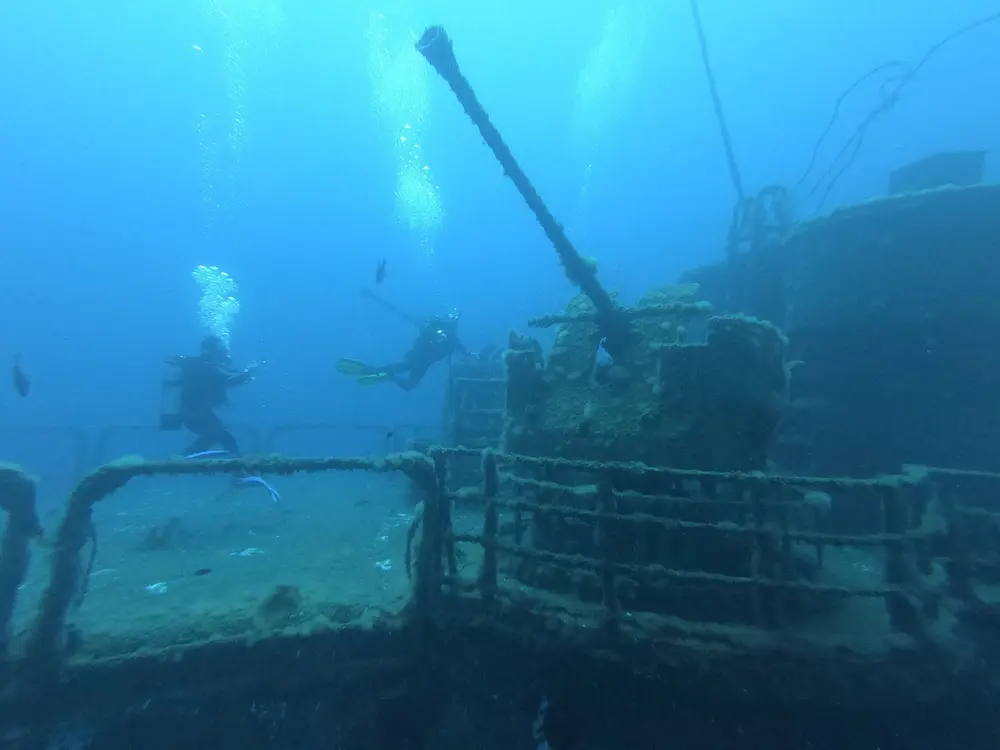
03 WWII British cargo ship sunk by German bombers in 1941, holds full of motorcycles, trucks, rifles. World's best wreck dive.
 04
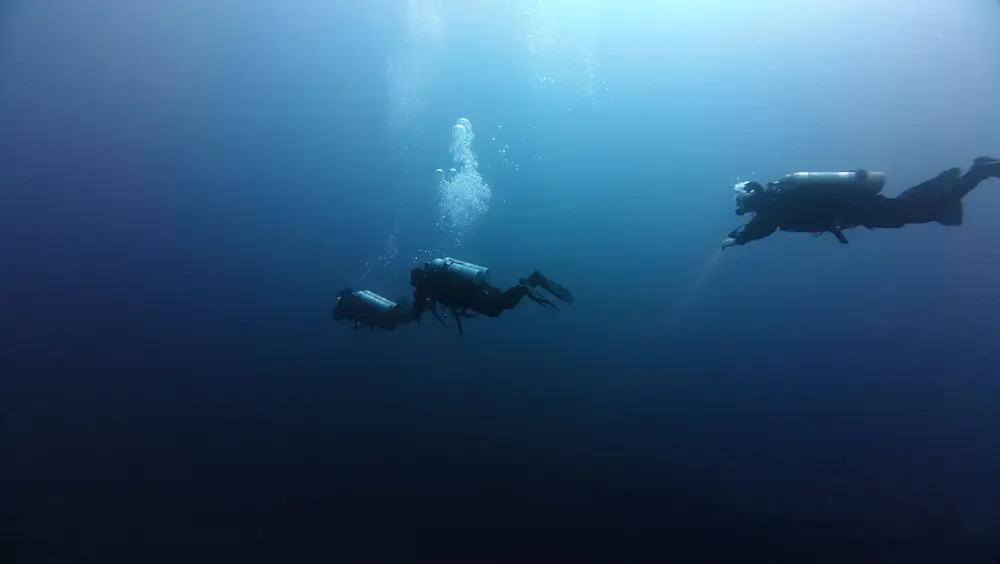
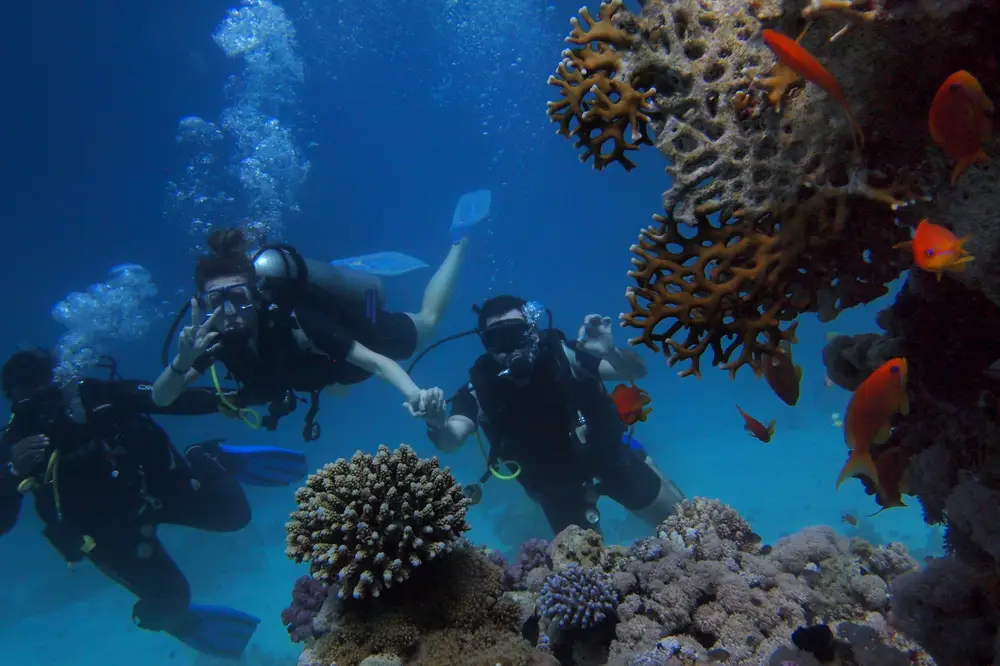
04 Sha'ab Bruce is a Red Sea reef offering year-round diving with diverse marine life and healthy coral.
 05
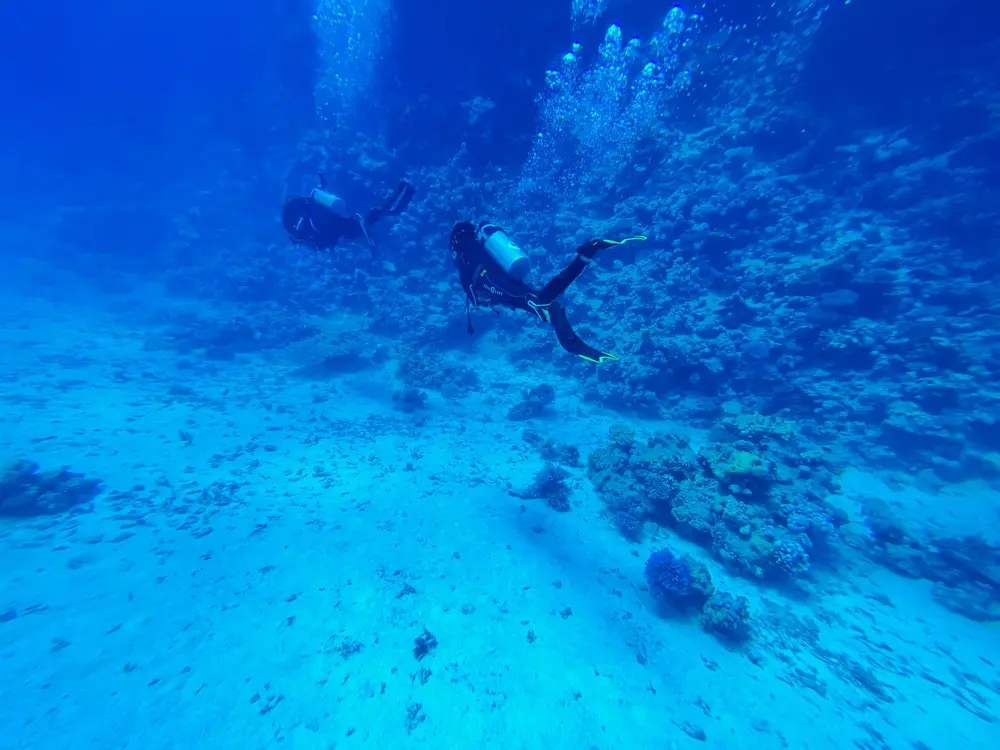
05 Sha'ab El Erg is a year-round Red Sea dive site in Egypt with healthy coral and strong species diversity.
 06
06 Two remote pinnacles 60km offshore — Big Brother and Little Brother — only reached by liveaboard. Sharks, walls, wrecks.
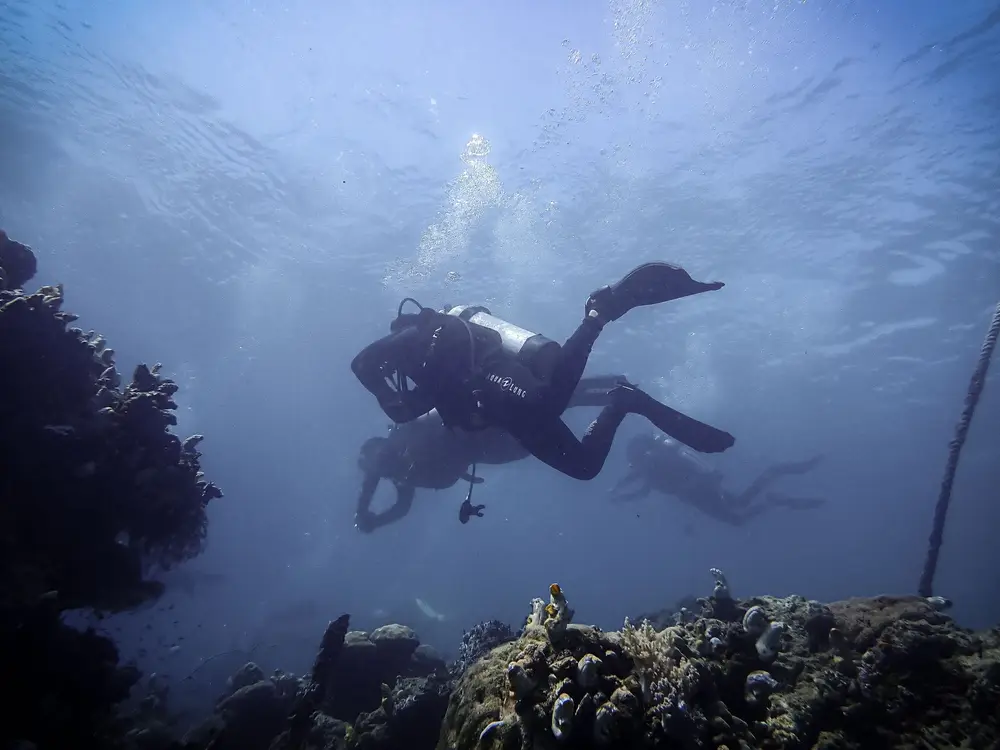
07 Elphinstone Reef is a pristine Egyptian reef offering year-round diving with healthy corals and abundant marine life.
 08
08 Submerged offshore reef south of Marsa Alam, drifting walls down to 100m, oceanic whitetips, hammerheads in winter.
Egypt's Red Sea dives year-round. March to May brings calm seas and water around 23–25 °C — good for liveaboards heading to the Brothers. June to September is warmest (up to 29 °C) and suits divers who feel the cold. October to February sees cooler water (down to 21 °C) and thinner crowds at the popular wreck sites; visibility is often at its clearest.
Yes, with caveats. Sites like Makadi Garden, Shaab Sharm, Rocky South, and Black Pearl in the Red Sea offer shallow, calm conditions with 25 m visibility — genuinely forgiving for new divers. The famous wrecks at the Brothers Islands and Elphinstone require advanced certification and experience with current; don't rush those.
Beyond the wrecks themselves: scalloped hammerheads and blacktip reef sharks at the offshore sites, green and hawksbill turtles on the inshore reefs, great barracuda in loose schools, honeycomb morays tucked into every crack of wreck structure, and common octopus hunting at dusk. Tiger sharks have been recorded in Egyptian waters, primarily further offshore.
Do I need a liveaboard to dive the Brothers Islands wrecks? Yes. The Brothers are 70 km offshore and only accessible by liveaboard; day boats don't make the run.
What certification do I need for Elphinstone Reef? Advanced Open Water minimum; dive operators typically also ask for logged experience with current diving.
Is the visibility really that good year-round? Most sites hold 25–35 m visibility consistently. Occasional plankton blooms can drop it temporarily inshore, but the offshore sites are rarely affected.
Can I combine wreck diving with shark diving in Egypt? Absolutely — the Brothers Islands and Elphinstone are specifically known for both on the same dive.
≈ 42 m · The seabed
Thousands more dive sites are waiting in the blue — pick your next descent.