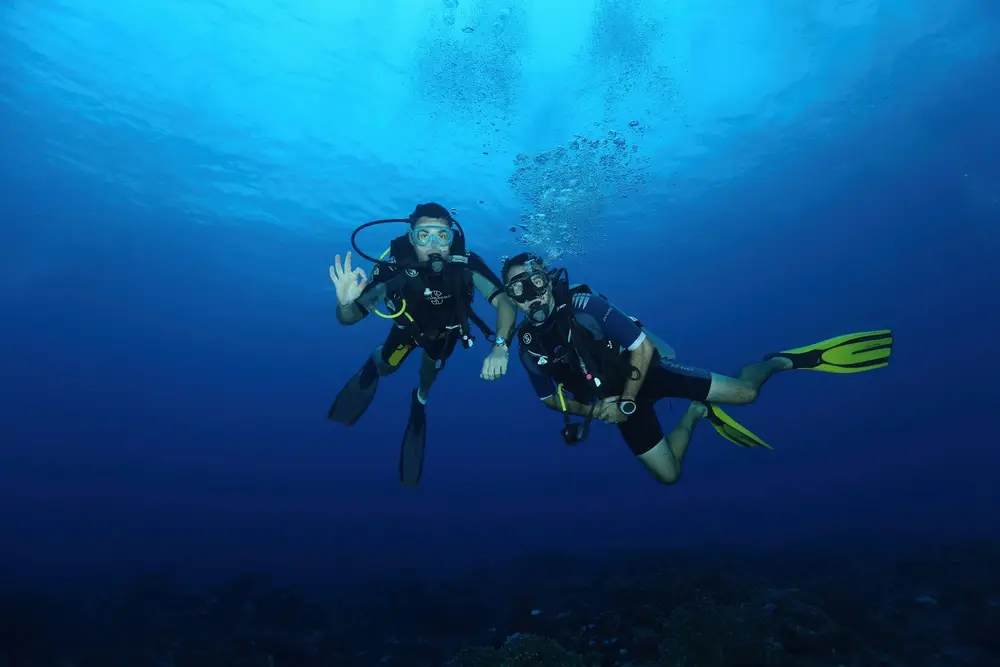
 01
01 Baron Gautsch
Baron Gautsch is a legendary wreck dive in Croatian waters, offering year-round access to a fully submerged historical vessel.
⇩0–2840 m intermediate
Explore this site → 

Country guide
Croatia's 68 dive sites span Adriatic wrecks, Kornati reefs and dolphin waters. Best year-round, 9–26 °C. Suits all levels.
Croatia's Adriatic coast holds 68 mapped dive sites across a stretch of islands, channels, and open water that rewards every level — from calm beginner bays to deep wreck dives pushing 40 metres. Water temperatures swing between 9 °C in winter and 26 °C in summer, so your wetsuit choice matters more than your travel dates.
The reefs, walls and wrecks worth the trip — each with real conditions, seasons and marine life.
01 Baron Gautsch is a legendary wreck dive in Croatian waters, offering year-round access to a fully submerged historical vessel.
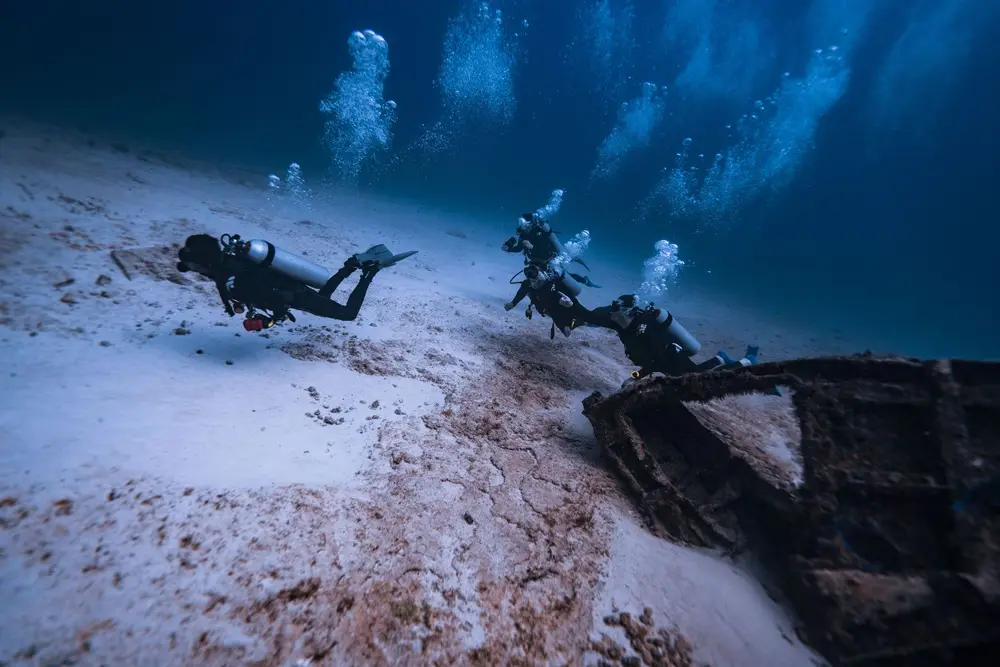 02
02 Bucht Bobina wreck dive in Croatia offers year-round exploration of a submerged vessel with documented marine life encounters.
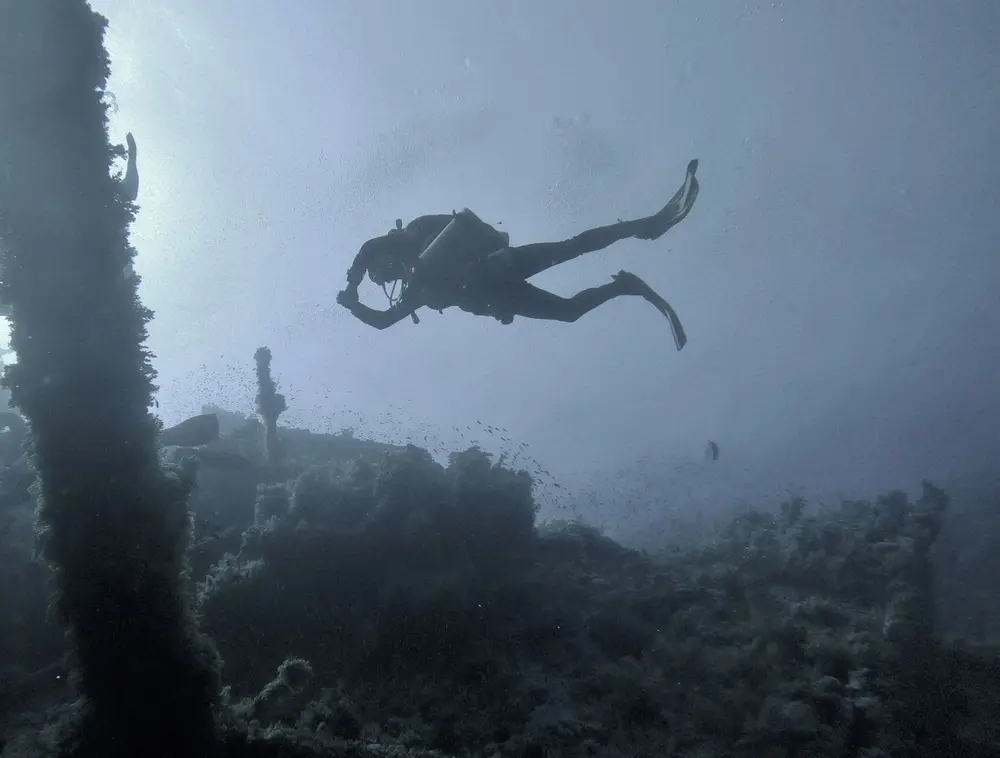 03
03 Wreck dive in Croatian waters offering year-round exploration of submerged structures and marine life.
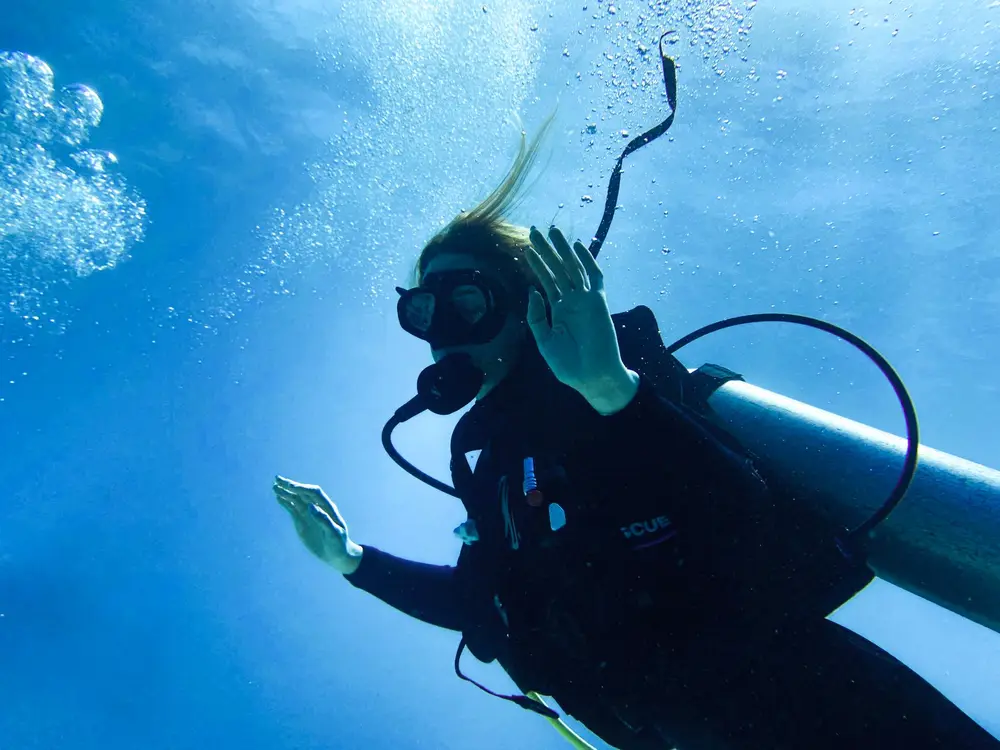 04
04 Dive Krk Island year-round in Croatia's Adriatic. Explore a accessible site with active community observations and video documentation.
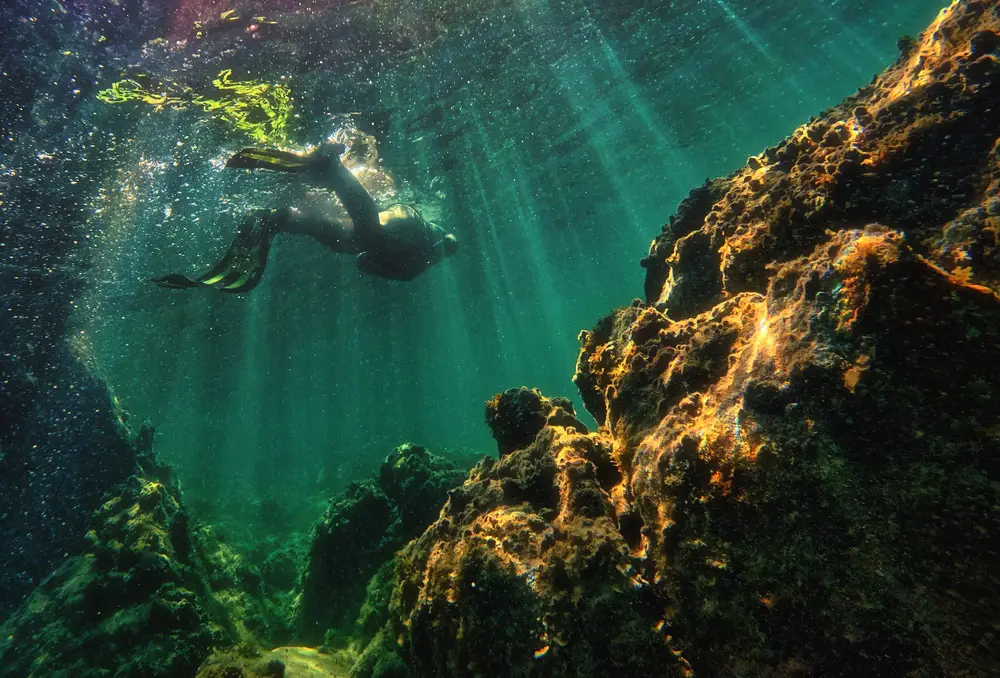 05
05 Cutin is a year-round Croatian dive site with documented marine life and accessible conditions for explorers of all levels.
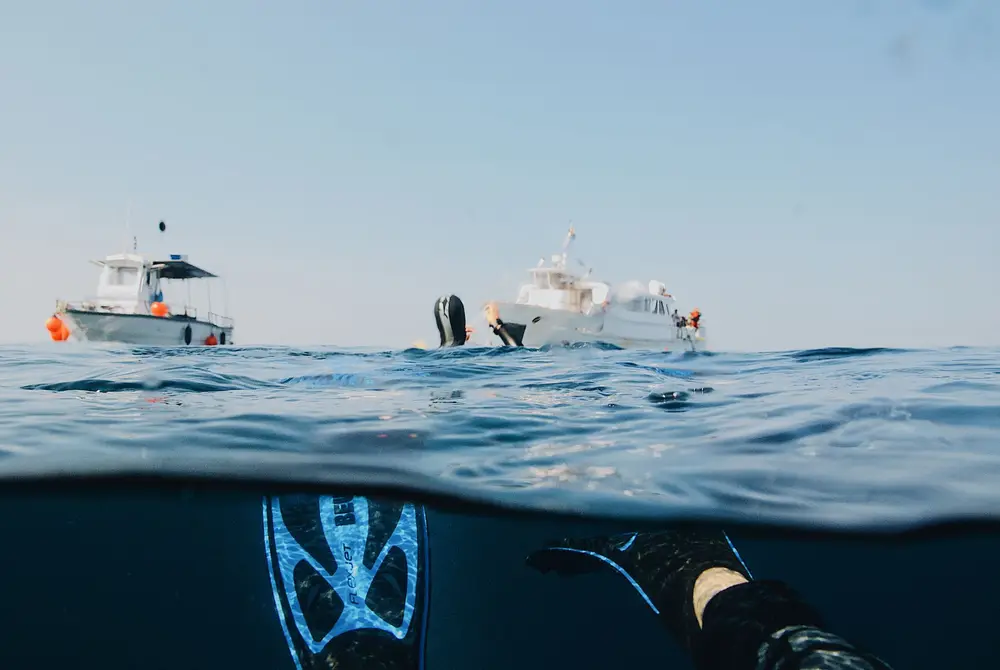 06
06 Year-round diving at Dive Loft Krk, Croatia's accessible Adriatic site with documented marine life and community content.
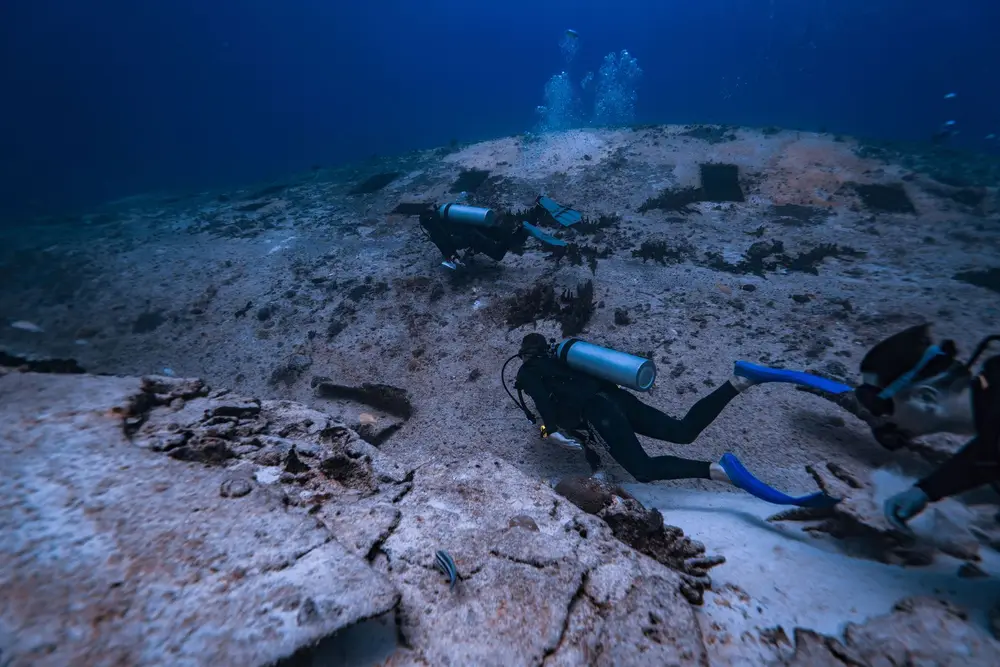 07
07 El Hawi Star Wrack is an expert-level wreck dive off Croatia's coast, accessible year-round with documented marine life observations.
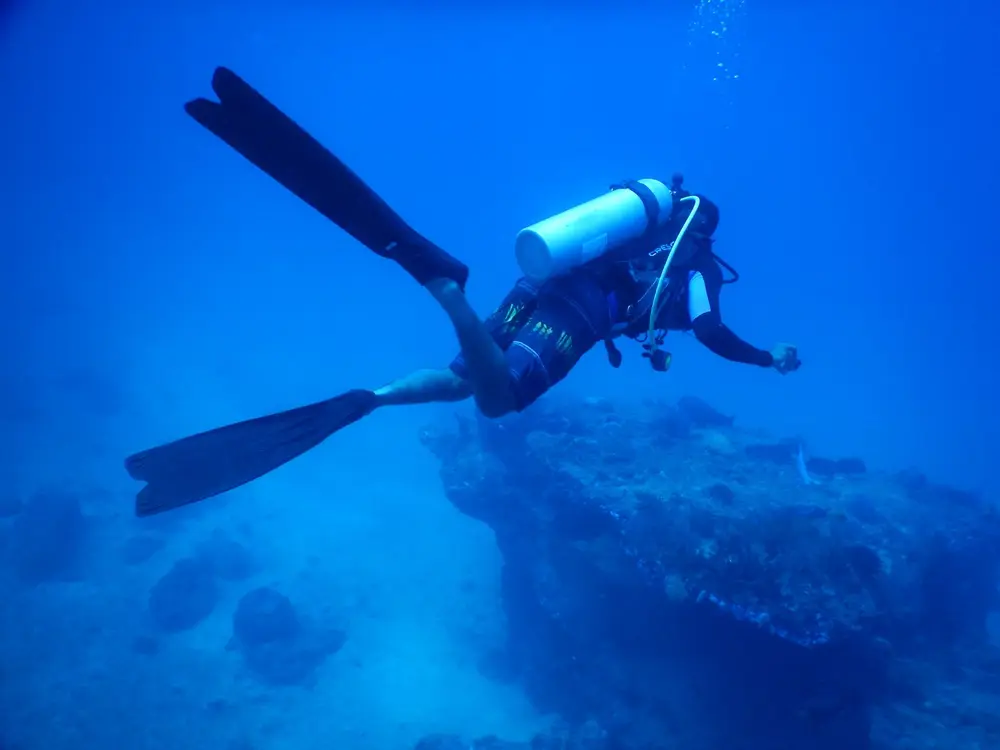 08
08 Fels Macinj is a year-round Croatian dive site with documented marine life observations and no marine protection restrictions.
Diving runs year-round, but the experience shifts significantly by season. July and August bring 24–26 °C surface water and peak visibility — also peak boat traffic. May, June, and September offer nearly the same conditions with fewer divers and more flexible boat availability. Winter diving (December–February, 9–12 °C) suits drysuit divers after quieter wrecks and better macro life.
Yes. Several sites — AQUANAUT, Katedrala, Medova Buža, Plic Sajda, and Zeca — are specifically graded for beginners, with protected water and 15 m+ visibility. The Kornati and Dalmatian island chains have established dive centres that run structured courses and guided dives throughout the season.
Two confirmed species stand out: bottlenose dolphins patrol the open channels between islands and occasionally appear mid-dive or at the surface, and common octopus are found across reef and rocky bottom sites. The wreck sites accumulate their own resident populations — grouper, moray, and bream are typical — though species lists vary by site and season.
Do I need a dive permit in Croatia? Foreign divers must dive with a licensed Croatian dive centre or hold a valid Croatian diving permit. Independent diving without a permit is not legal for visitors.
How deep are most Croatian dive sites? The range across listed sites runs from shallow reef tops under 10 m to the Baron Gautsch at 40 m. Most intermediate sites sit in the 15–35 m band.
Is the Baron Gautsch suitable for intermediate divers? The Kornati version is listed intermediate; the Vis version is advanced (28–40 m). Confirm which site your operator is running before booking.
What visibility can I expect? Sites with recorded data show 15–20 m visibility. Summer months generally produce the clearest water.
🌊 Water: 9–26°C · 69dive sites. From our 5-year climatology and best-month signal across the sites below.
| Month | Diving 🤿 | Air | Rain | Wind |
|---|---|---|---|---|
| Jan | 49 | 11° | 4mm | 12kn |
| Feb | 49 | 12° | 3mm | 10kn |
| Mar | 49 | 14° | 4mm | 11kn |
| Apr | 49 | 17° | 2mm | 11kn |
| May | 50 | 21° | 3mm | 10kn |
| Jun | 50 | 27° | 2mm | 9kn |
| Jul | 50 | 30° | 2mm | 10kn |
| Aug | 50 | 29° | 2mm | 10kn |
| Sep | 50 | 24° | 5mm | 10kn |
| Oct | 49 | 20° | 4mm | 10kn |
| Nov | 49 | 15° | 6mm | 13kn |
| Dec | 49 | 12° | 5mm | 11kn |
≈ 42 m · The seabed
Thousands more dive sites are waiting in the blue — pick your next descent.