 01
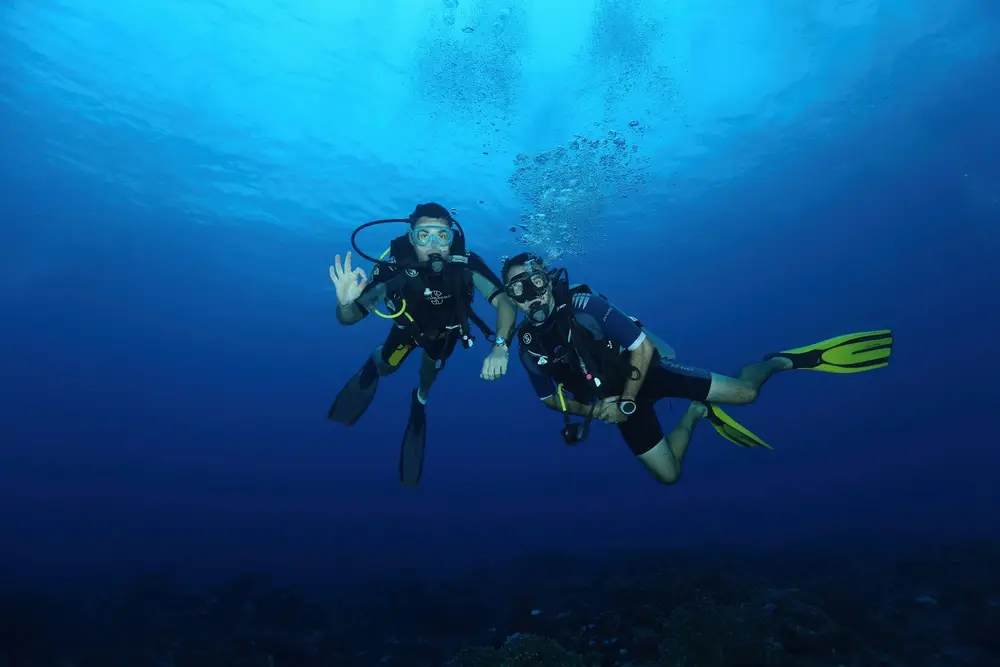
01 Baron Gautsch
Baron Gautsch is a legendary wreck dive in Croatian waters, offering year-round access to a fully submerged historical vessel.
⇩0–2840 m intermediate
Explore this site → 

Family guide
Croatia's 68 dive sites span Adriatic wrecks, Kornati reefs and dolphin encounters. Diveable year-round, 9–26 °C, suits all levels.
Croatia's Adriatic coast holds 68 published dive sites spread across island chains, open channels and historic wreck fields. Visibility regularly hits 15–20 m, the water runs warm enough for a 3 mm wetsuit in summer and cold enough to need a drysuit in January, and the range of sites genuinely covers every certification level.
The reefs, walls and wrecks worth the trip — each with real conditions, seasons and marine life.
01 Baron Gautsch is a legendary wreck dive in Croatian waters, offering year-round access to a fully submerged historical vessel.
 02
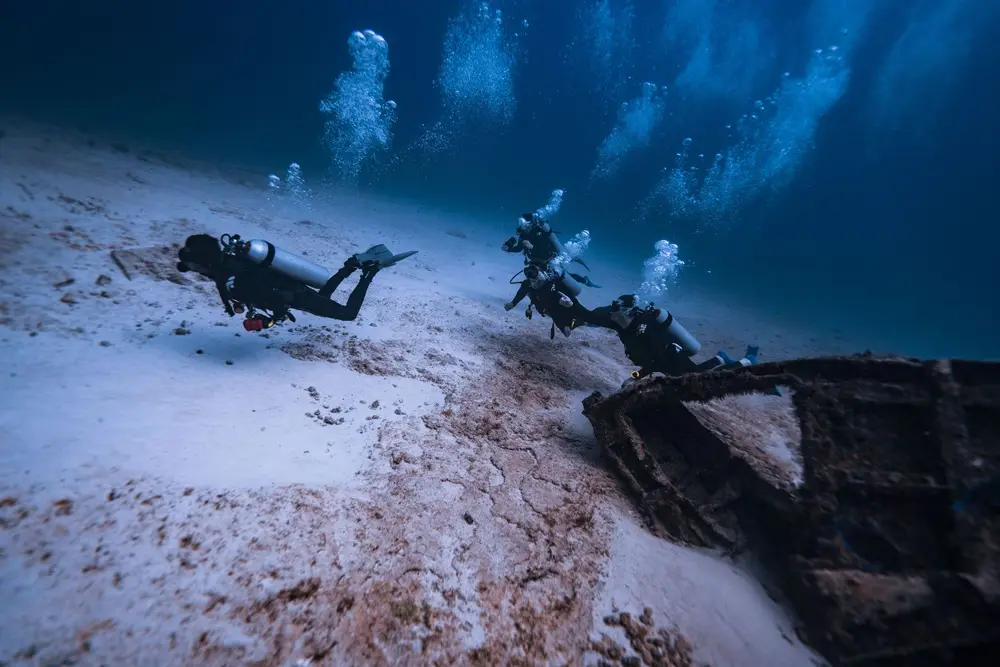
02 Bucht Bobina wreck dive in Croatia offers year-round exploration of a submerged vessel with documented marine life encounters.
 03
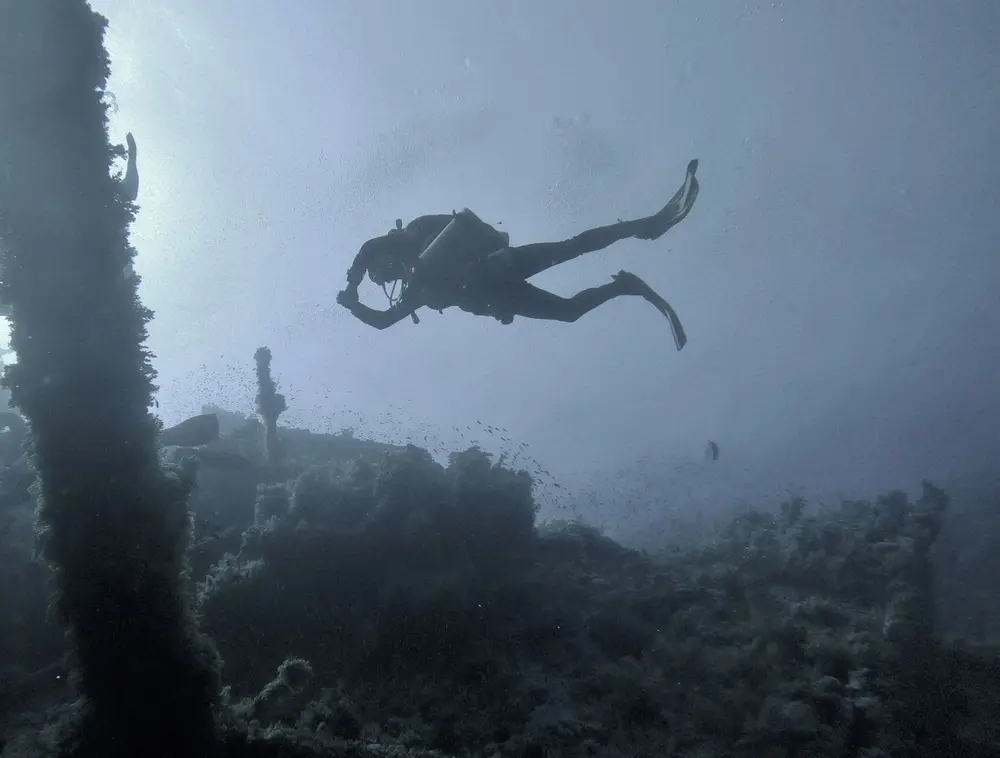
03 Wreck dive in Croatian waters offering year-round exploration of submerged structures and marine life.
 04
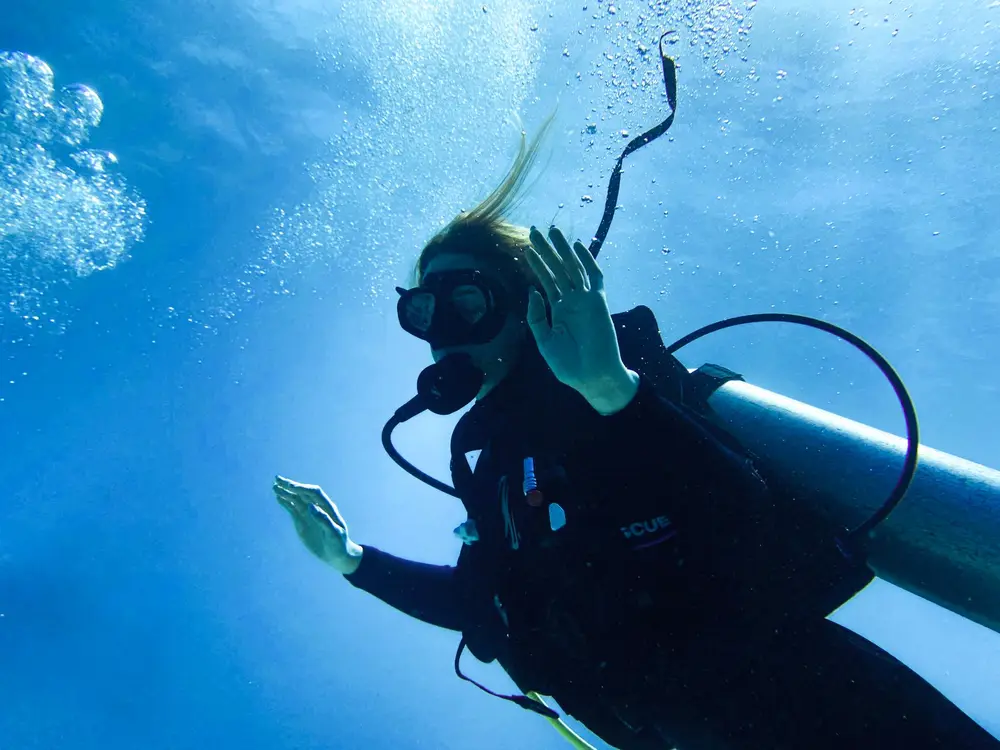
04 Dive Krk Island year-round in Croatia's Adriatic. Explore a accessible site with active community observations and video documentation.
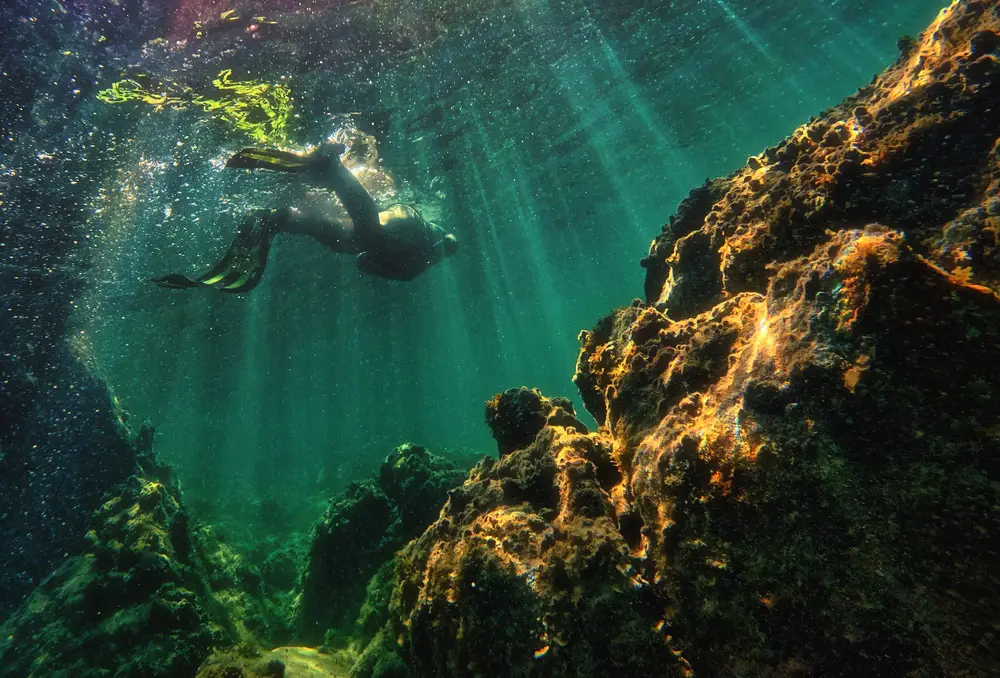 05
05 Cutin is a year-round Croatian dive site with documented marine life and accessible conditions for explorers of all levels.
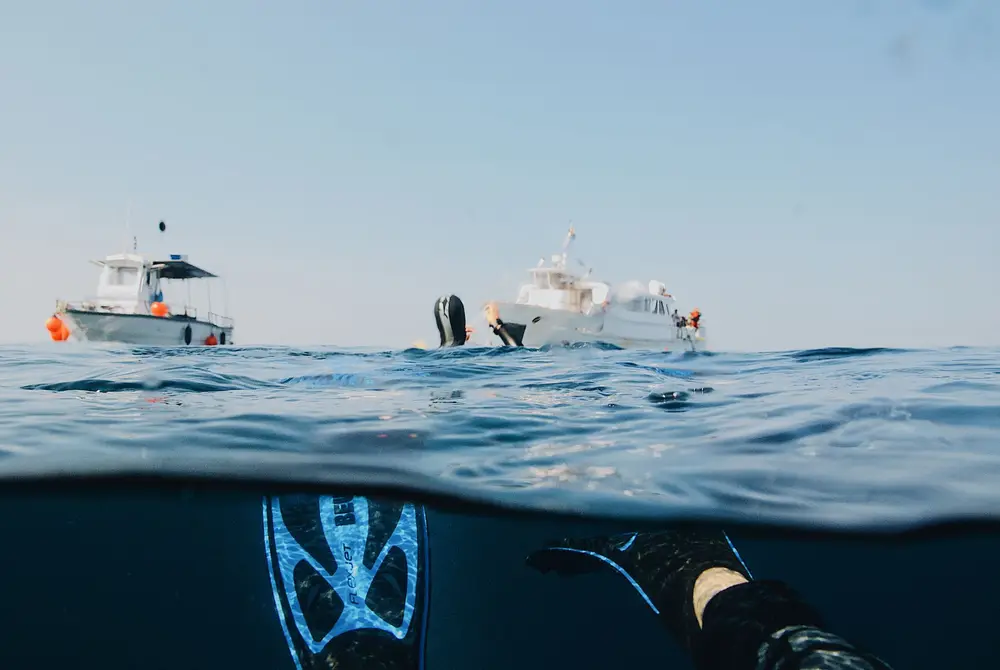 06
06 Year-round diving at Dive Loft Krk, Croatia's accessible Adriatic site with documented marine life and community content.
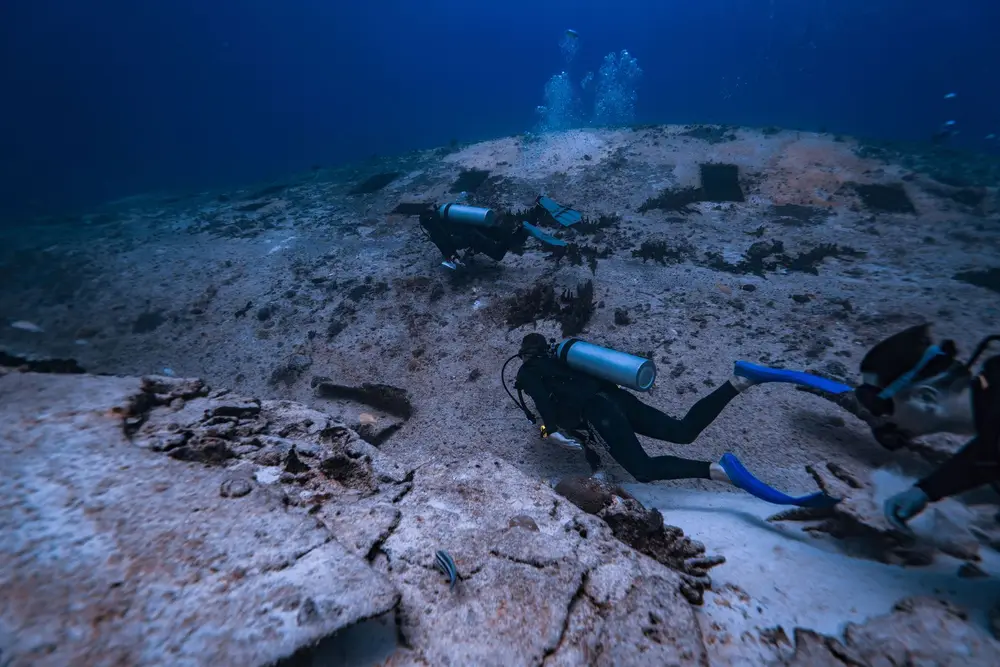 07
07 El Hawi Star Wrack is an expert-level wreck dive off Croatia's coast, accessible year-round with documented marine life observations.
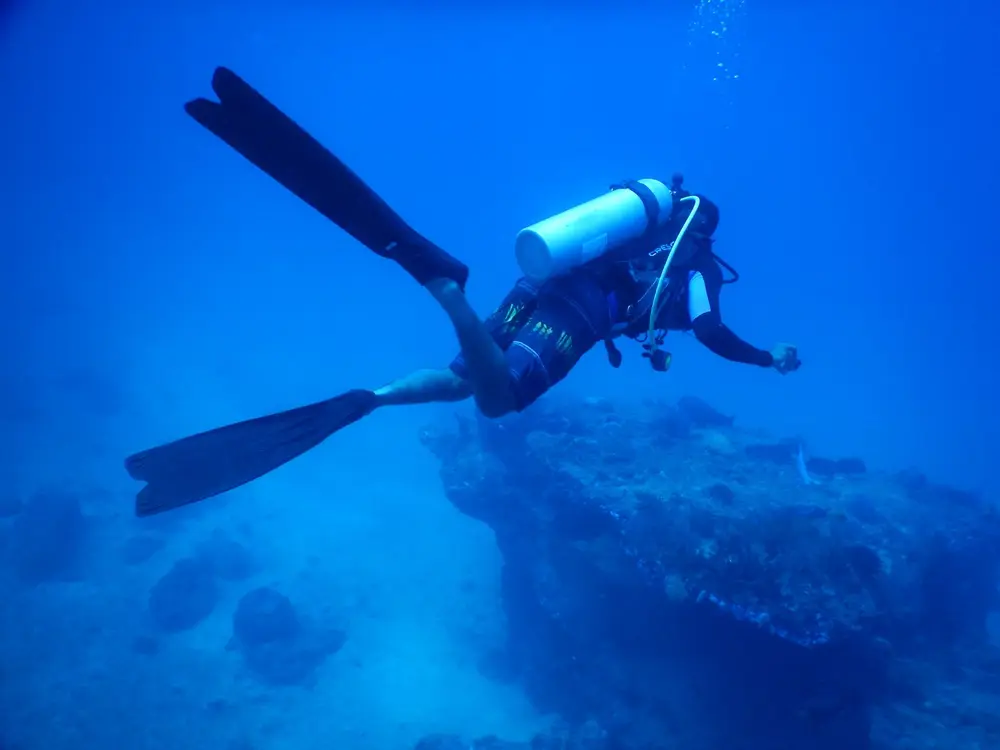 08
08 Fels Macinj is a year-round Croatian dive site with documented marine life observations and no marine protection restrictions.
Croatia is diveable year-round. Water temperature swings from 9 °C in winter to 26 °C in July–August. Most visiting divers come June through September for warm water and long daylight hours. If you want the wrecks and reefs with fewer boats and cooler but still manageable water (14–18 °C), May and October are the practical sweet spot.
Yes. Several sites — AQUANAUT, Katedrala, Medova Buža, Zeca and Plic Sajda — are explicitly rated beginner, with calm conditions and good visibility. The island-sheltered bays along the Dalmatian coast mean you can usually find flat water somewhere even on windier days.
Bottlenose dolphins are recorded in Croatian waters and occasionally show up on dives, though encounters are not guaranteed. Common octopus is reliably present across reef and rocky-bottom sites — look in crevices and under ledges. The wrecks add a historical layer that pure reef destinations can't match.
Do I need a dive permit in Croatia? Foreign divers must dive with a licensed Croatian dive centre or hold a Croatian diving permit issued by the Ministry of the Sea. Your dive operator will handle this paperwork.
What wetsuit thickness do I need? A 5–7 mm suit or drysuit for October–April; 3–5 mm covers you comfortably from June through September.
Is the Baron Gautsch suitable for recreational divers? The Vis site sits at 28–40 m — it's within recreational limits but rated advanced. Nitrox helps extend bottom time; solo diving is not advisable here.
How is visibility compared to other Mediterranean destinations? The Adriatic's low nutrient load keeps visibility consistently at 15–20 m across most sites, which is competitive with the best of the Mediterranean.
≈ 42 m · The seabed
Thousands more dive sites are waiting in the blue — pick your next descent.