 01
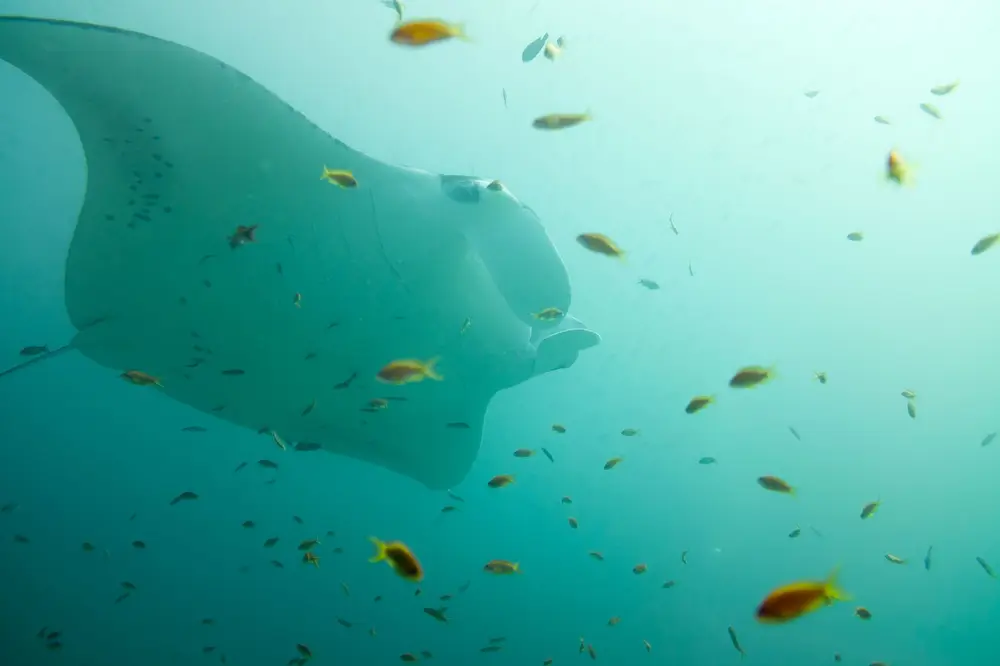
01 Emmadi Giri (Manta Point)
Emmadi Giri is a celebrated manta ray hotspot in the Maldives, drawing divers year-round for consistent encounters with these graceful giants.
intermediate
Explore this site → 

Country guide
156 dive sites, 30 m visibility, mantas to tiger sharks year-round. What to dive, when, and which level suits you.
The Maldives has 156 mapped dive sites spread across its atolls, with water temperatures holding between 26 °C and 31 °C and visibility regularly hitting 25–30 m. That combination — warm, clear water and strong currents pushing nutrients through the kandu channels — is why this is one of the few places on earth where manta rays, whale sharks, and multiple shark species share the same dive sites. It suits everyone from first-timers to experienced wreck and drift divers, though the best sites demand some current experience.
The reefs, walls and wrecks worth the trip — each with real conditions, seasons and marine life.
01 Emmadi Giri is a celebrated manta ray hotspot in the Maldives, drawing divers year-round for consistent encounters with these graceful giants.
 02
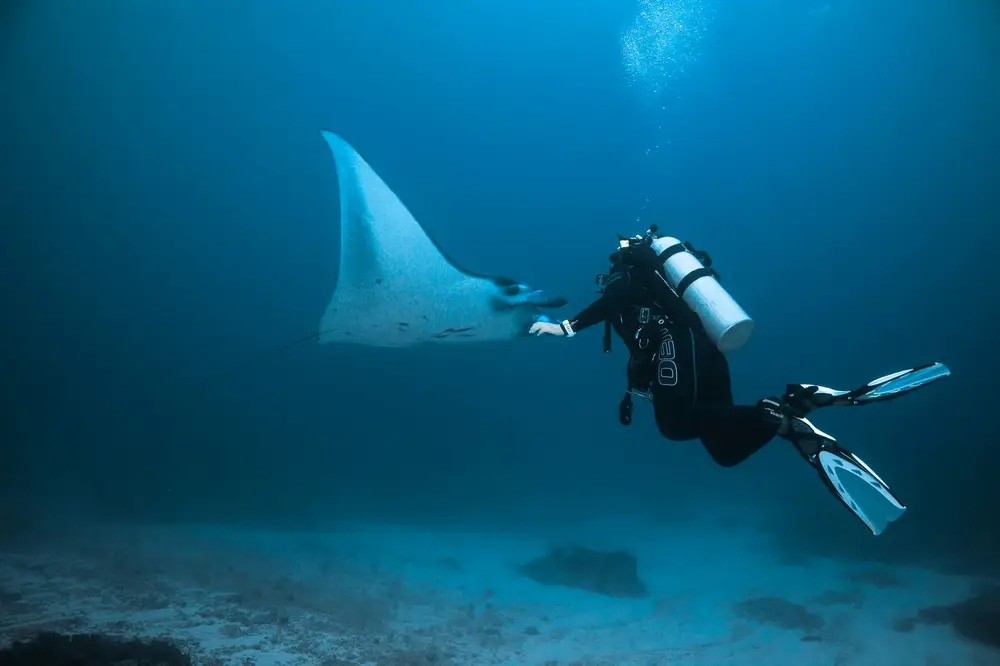
02 Rangali Manta Point is a year-round manta ray destination in the Maldives where seasonal currents attract these graceful giants for reliable encounters.
 03
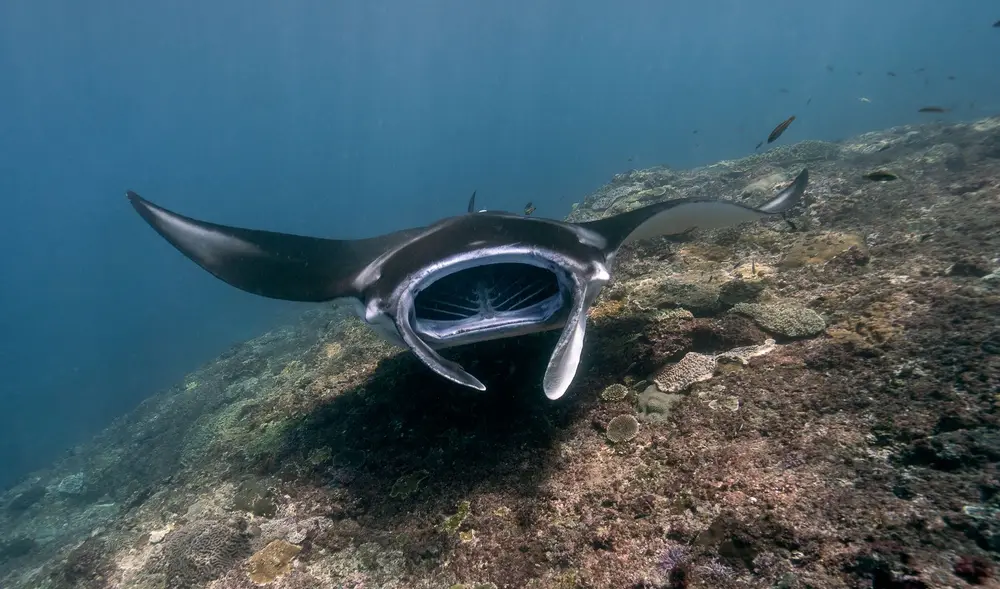
03 Intermediate manta ray dives at North Malé's Lankan Reef. Year-round diving in 8–25m depth.
 04
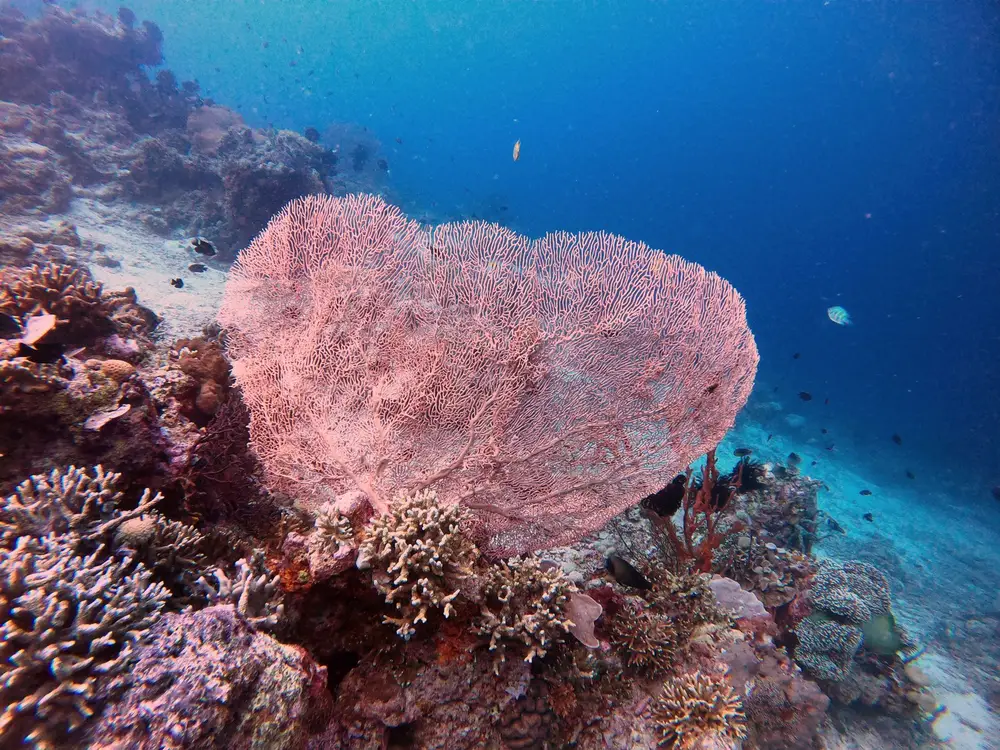
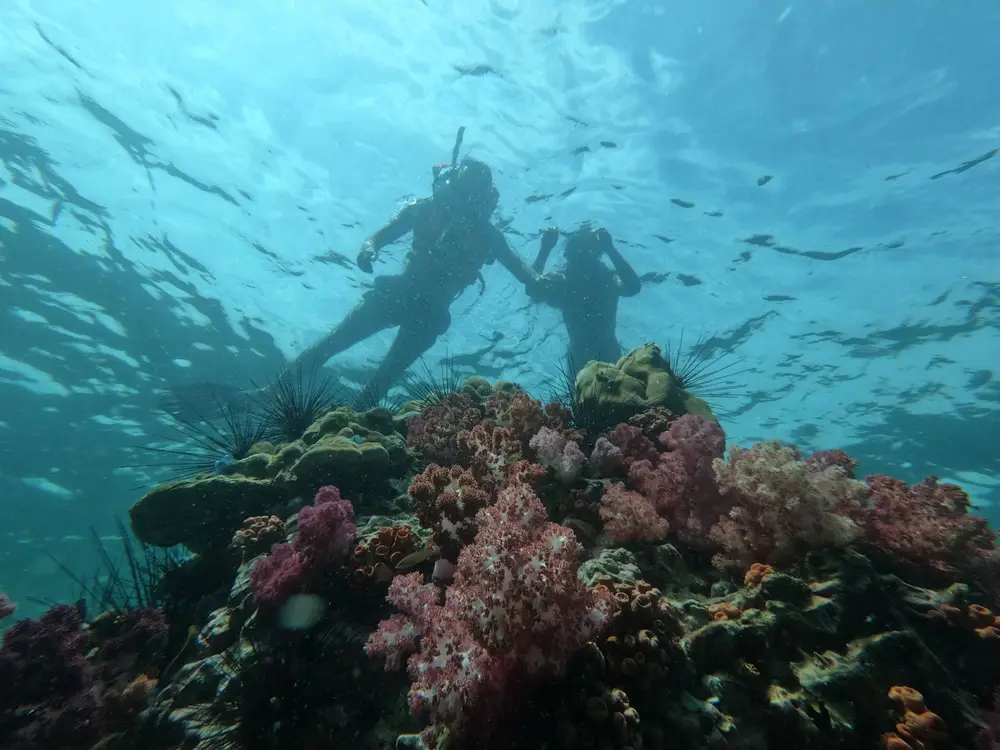
04 Black Coral Faru is a year-round Maldivian dive site with 12 documented species and coral bleaching watch status.
 05
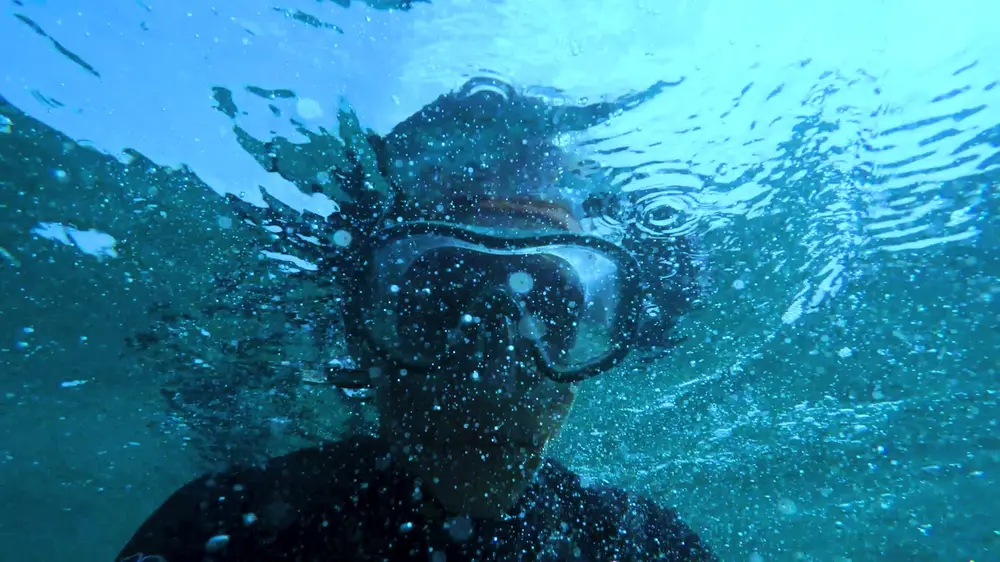
05 Bolifushi in Kaafu Atoll offers year-round diving in the Maldives with documented marine life and accessible reef access.
 06
06 Bungalow 78 exit is a year-round dive site near Embudu island in the Maldives, known for consistent access and diverse marine life.
 07
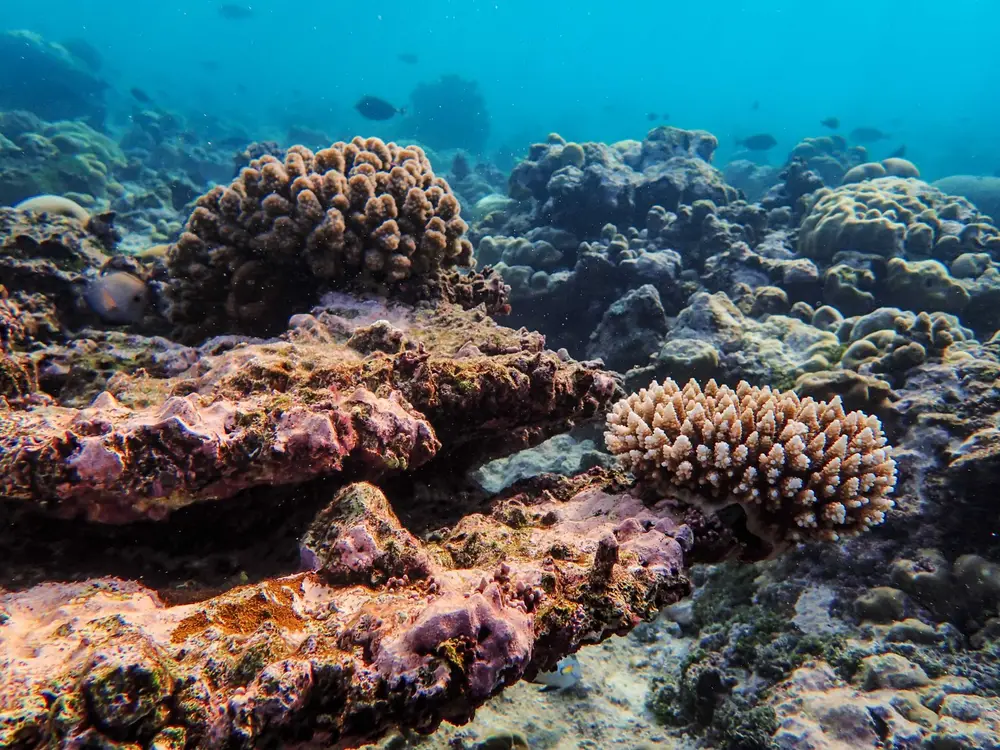
07 Coral garden at Embudu offers year-round diving in the Maldives with healthy coral systems and diverse marine life.
 08
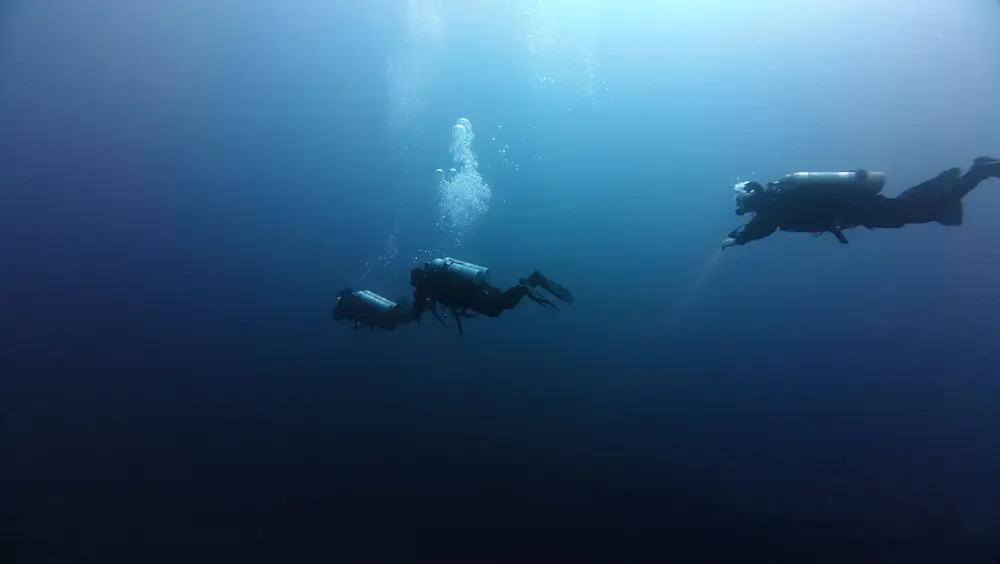
08 Dhigu Thila is a productive thila dive in Kaafu Atoll offering reliable diving year-round with diverse marine life and 12 documented species observations.
The Maldives is genuinely diveable year-round at 26–31 °C — no wetsuit thicker than 3 mm is needed. The northeast monsoon (November–April) brings calmer seas and better visibility on the eastern atoll sides. The southwest monsoon (May–October) flips conditions to the west, but also concentrates plankton blooms that draw whale sharks and manta rays in larger numbers, particularly around South Ari Atoll.
Yes, with the right site selection. Fesdhoo, Bodu Gaa, and Ramfaru Tulu are specifically suited to open-water level divers — protected, shallow, and with enough marine life to be genuinely engaging. The advanced thilas and kandu channels are not appropriate for beginners because currents can be sudden and strong, but most liveaboards and dive centres plan itineraries that mix levels across the group.
Recorded species across the 156 sites include manta ray, whale shark, scalloped hammerhead, tiger shark, blacktip reef shark, green sea turtle, great barracuda, honeycomb moray, and common octopus. Hammerheads appear most reliably at deeper channel sites during early morning dives.
Do I need a liveaboard to dive the Maldives? No — resort-based diving covers many top sites, but a liveaboard reaches outer atolls like Fuvahmulah that are impractical as day trips.
What certification do I need for sites like Kandooma Thila? Advanced Open Water at minimum; a drift diving specialty and logged current experience is strongly recommended.
Is there a best atoll for whale sharks? South Ari Atoll has the most consistent year-round whale shark sightings, with Rangali area sites being particularly productive.
What visibility can I realistically expect? Most sites run 25–30 m. Visibility can drop temporarily after heavy rain or during strong plankton blooms, but rarely below 15 m.
🌊 Water: 24–31°C · 159dive sites. From our 5-year climatology and best-month signal across the sites below.
| Month | Diving 🤿 | Air | Rain | Wind |
|---|---|---|---|---|
| Jan | 143 | 28° | 5mm | 13kn |
| Feb | 143 | 28° | 2mm | 13kn |
| Mar | 143 | 29° | 3mm | 9kn |
| Apr | 143 | 30° | 5mm | 10kn |
| May | 141 | 29° | 9mm | 16kn |
| Jun | 141 | 29° | 3mm | 13kn |
| Jul | 141 | 29° | 6mm | 13kn |
| Aug | 141 | 29° | 6mm | 13kn |
| Sep | 141 | 29° | 6mm | 13kn |
| Oct | 141 | 29° | 7mm | 14kn |
| Nov | 142 | 28° | 9mm | 12kn |
| Dec | 142 | 28° | 7mm | 12kn |
≈ 42 m · The seabed
Thousands more dive sites are waiting in the blue — pick your next descent.