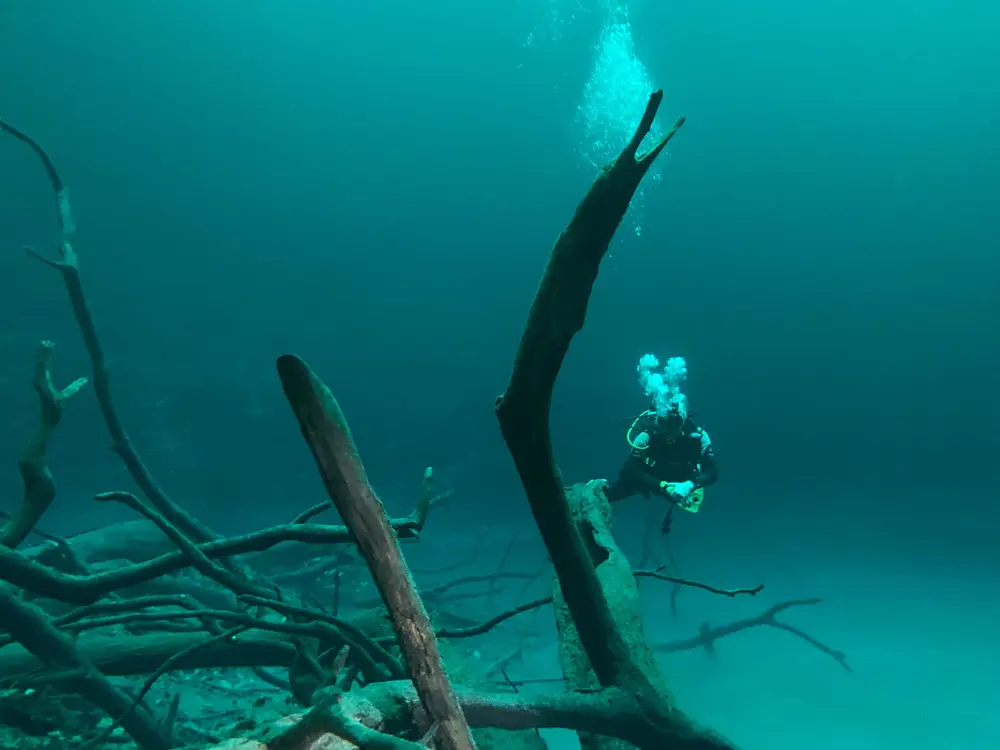
 01
01 Cenote Dos Pisos
Cenote Dos Pisos is a two-level sinkhole dive in Mexico offering year-round exploration of freshwater cave systems with excellent visibility.
◎25 m viz advanced
Explore this site → 

Country guide
Mexico offers 51 dive sites year-round: crystal cenotes, manta-filled seamounts, bull sharks, and whale sharks. Suits all levels.
Mexico is one of the few countries where you can drift through an underwater cave in the morning and descend on a seamount swarming with hammerheads by the following week. With 51 mapped sites spanning the Caribbean, the Pacific, and the Gulf of California, water temperatures holding between 22 °C and 30 °C year-round, and a marine life list that includes whale sharks, manta rays, and tiger sharks, it consistently delivers across every skill level and every season.
The reefs, walls and wrecks worth the trip — each with real conditions, seasons and marine life.
01 Cenote Dos Pisos is a two-level sinkhole dive in Mexico offering year-round exploration of freshwater cave systems with excellent visibility.
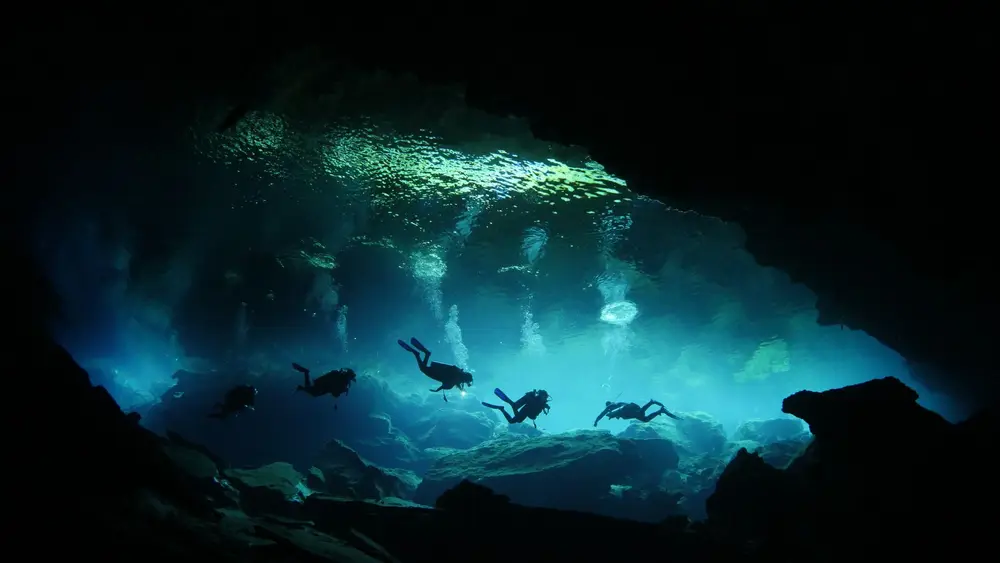 02
02 Cenote Angelita is a deep Mexican cenote with a halocline layer, requiring advanced training and specialized equipment.
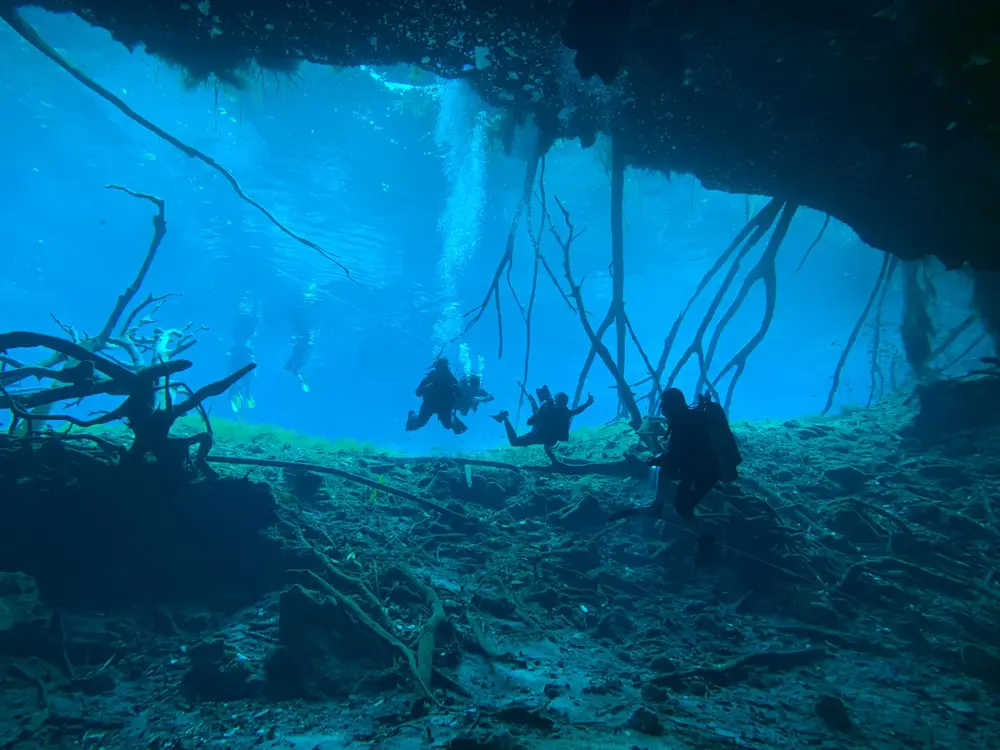 03
03 Two interconnected sinkholes in the Yucatán with crystal-clear fresh water, massive cavern halls, and the surreal halocline layer.
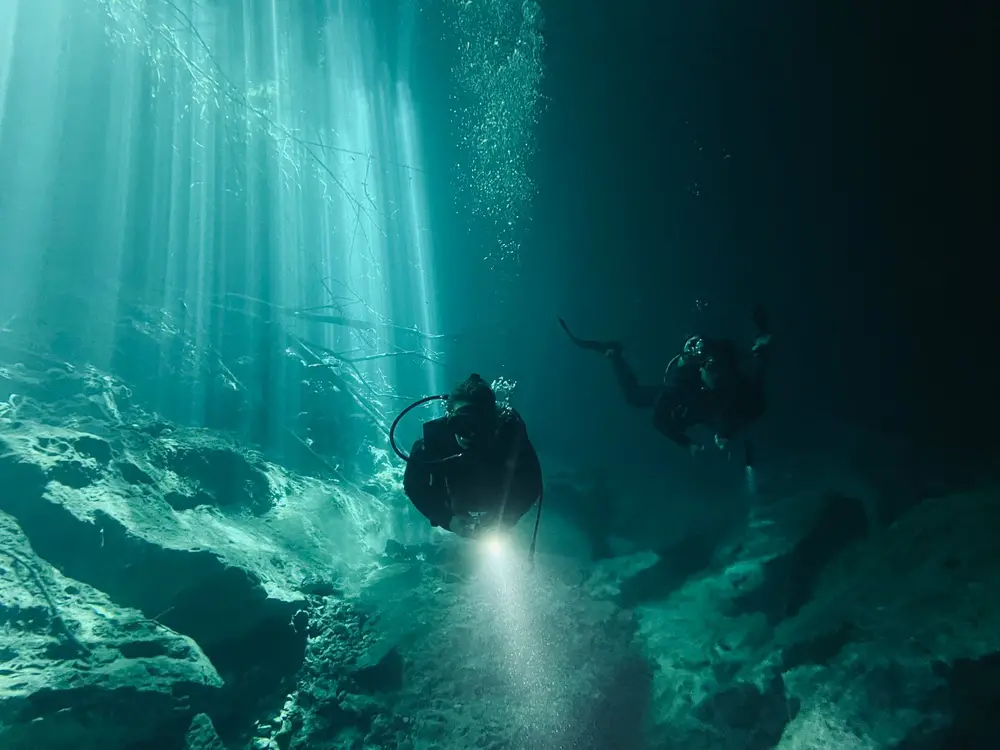 04
04 The Pit is an advanced freshwater cenote dive reaching 40m in Mexico's Yucatan, featuring dramatic vertical walls and unique geological formations.
 05
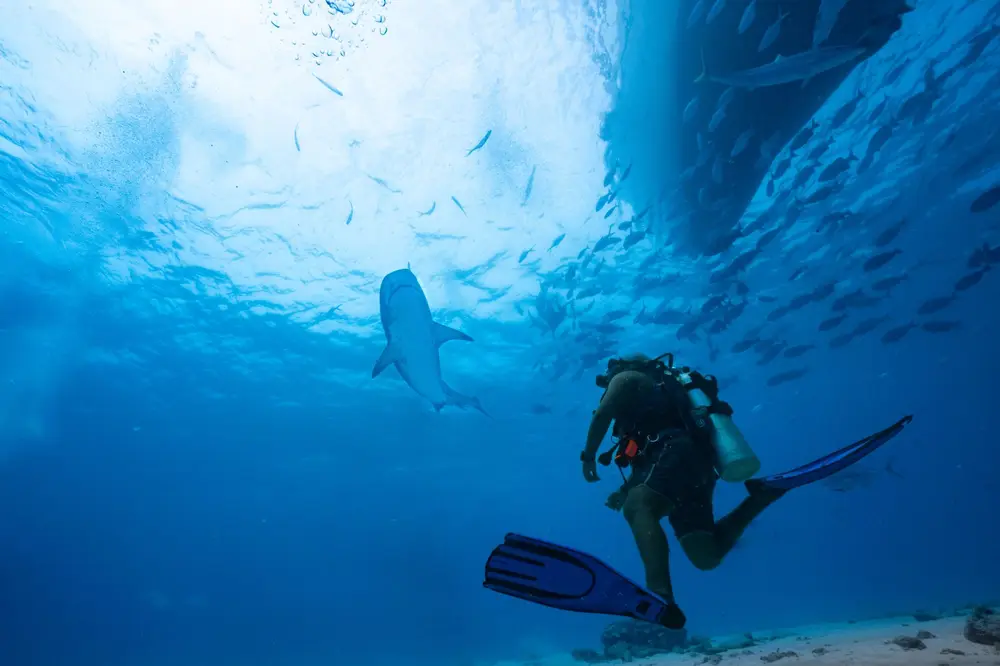
05 Advanced dive to 28m at Isla Mujeres' Bull Shark Cathedral, a year-round destination where bull sharks congregate in open water.
Banco Chinchorro is Mexico's largest coral atoll and a remote advanced dive destination with wrecks, walls, and pristine reef structure.
Beginner-friendly cenote dive in Tulum reaching 15m, featuring freshwater pools and geological formations ideal for first-time cave divers.
 08
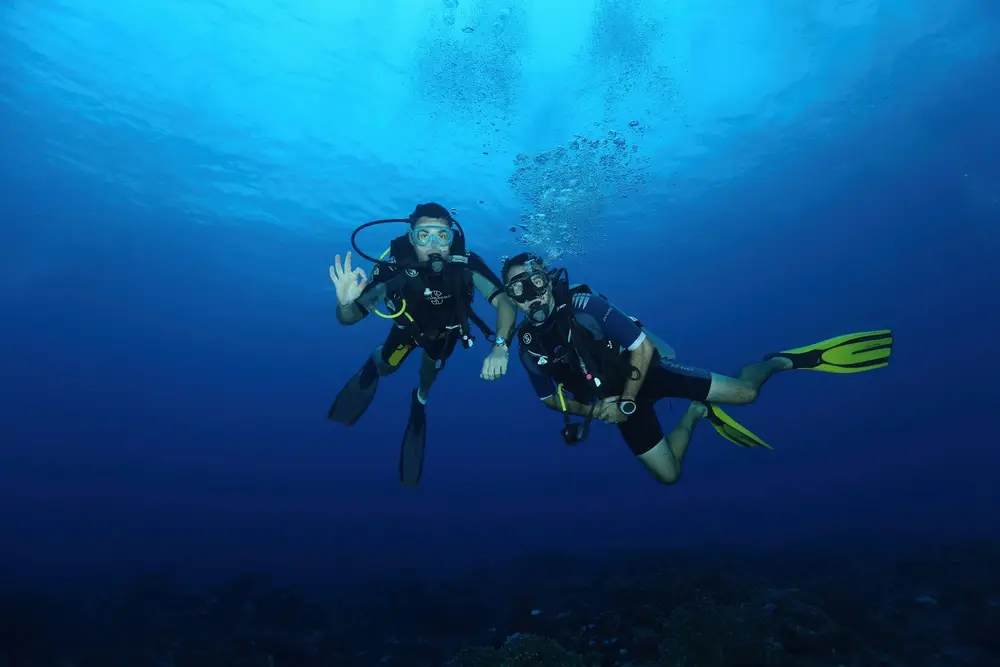
08 El Farito is a year-round Mexican dive site with 12 species observations and healthy coral conditions.
Mexico is a year-round destination. Water temperatures range from 22 °C in winter months (cooler in the Pacific and Sea of Cortez) to 30 °C in Caribbean summer. Whale shark aggregations near Isla Mujeres peak roughly June through September. Bull shark dives at Playa del Carmen run primarily November through March. Socorro liveaboards operate October through May when seas allow.
Yes, with the right site selection. Isla Mujeres whale shark dives are beginner-rated. Buceando Mahahual and Tulum-area cenotes also cater to new divers with good visibility and calm conditions. Cozumel's drift dives are current-assisted but well-managed by local operators.
Manta ray, whale shark, scalloped hammerhead, tiger shark, bull shark, blacktip reef shark, green sea turtle, hawksbill turtle, bottlenose dolphin, and great barracuda are all recorded across Mexico's sites.
Do I need a liveaboard for Socorro? Yes. Socorro Islands are 400 km off the Pacific coast and only accessible by liveaboard, typically departing from Cabo San Lucas.
Are cenote dives safe for non-cave-certified divers? Cavern dives like Dos Ojos are accessible to open-water divers with a guide. Full cave penetration requires cave certification.
What visibility can I expect? Cenote Dos Ojos reaches 50 m visibility — exceptional by any standard. Caribbean reef sites typically run 15–20 m. Socorro and Pacific sites average around 25 m.
Is Cozumel worth it if I've already dived the Caribbean? Palancar Reef and Devil's Throat are regularly ranked among the top drift dives in the Western Hemisphere. Most experienced divers say yes.
🌊 Water: 19–30°C · 58dive sites. From our 5-year climatology and best-month signal across the sites below.
| Month | Diving 🤿 | Air | Rain | Wind |
|---|---|---|---|---|
| Jan | 39 | 26° | 1mm | 11kn |
| Feb | 39 | 27° | 1mm | 11kn |
| Mar | 39 | 28° | 1mm | 11kn |
| Apr | 37 | 29° | 1mm | 11kn |
| May | 37 | 30° | 2mm | 10kn |
| Jun | 39 | 30° | 6mm | 11kn |
| Jul | 38 | 30° | 3mm | 10kn |
| Aug | 38 | 31° | 4mm | 9kn |
| Sep | 38 | 30° | 5mm | 8kn |
| Oct | 37 | 29° | 4mm | 9kn |
| Nov | 40 | 28° | 3mm | 9kn |
| Dec | 39 | 27° | 3mm | 10kn |
≈ 42 m · The seabed
Thousands more dive sites are waiting in the blue — pick your next descent.