 01
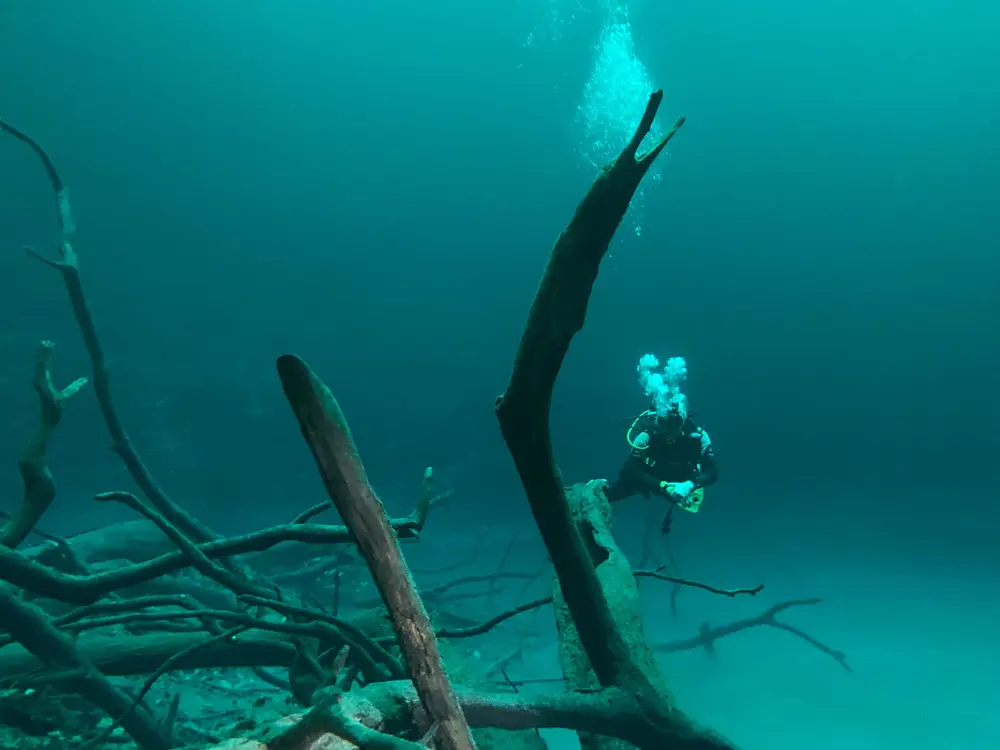
01 Cenote Dos Pisos
Cenote Dos Pisos is a two-level sinkhole dive in Mexico offering year-round exploration of freshwater cave systems with excellent visibility.
◎25 m viz advanced
Explore this site → 

Beginner guide
Mexico offers beginner-friendly diving year-round, from shallow cenotes to whale shark snorkels. Water stays 22–30 °C across 51 mapped sites.
Mexico has 51 mapped dive sites ranging from shallow cenotes with 50 m visibility to deep Pacific seamounts — and several of them are genuinely well-suited to new divers. Water temperature sits between 22 °C and 30 °C year-round, so there's no bad season to learn.
The reefs, walls and wrecks worth the trip — each with real conditions, seasons and marine life.
01 Cenote Dos Pisos is a two-level sinkhole dive in Mexico offering year-round exploration of freshwater cave systems with excellent visibility.
 02
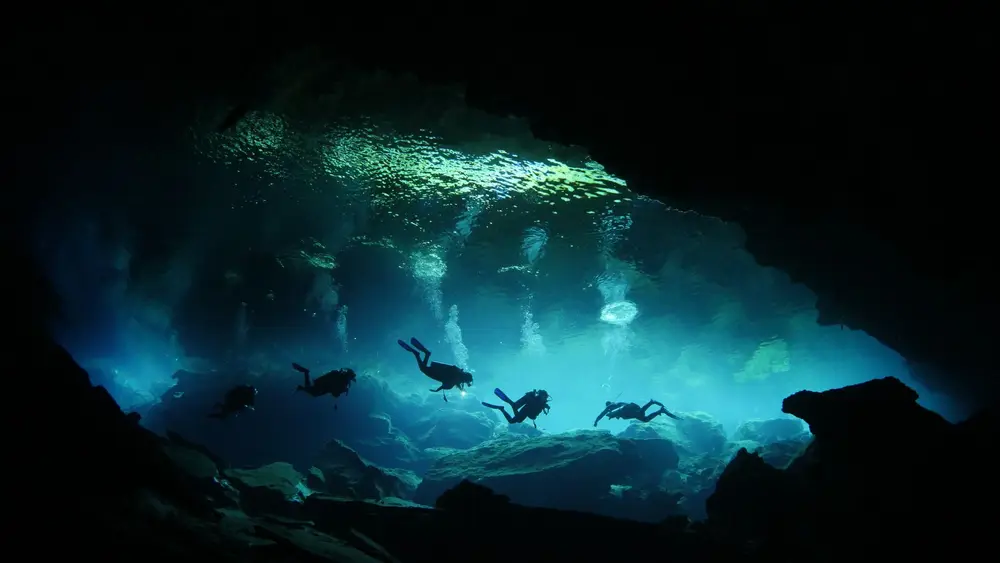
02 Cenote Angelita is a deep Mexican cenote with a halocline layer, requiring advanced training and specialized equipment.
 03
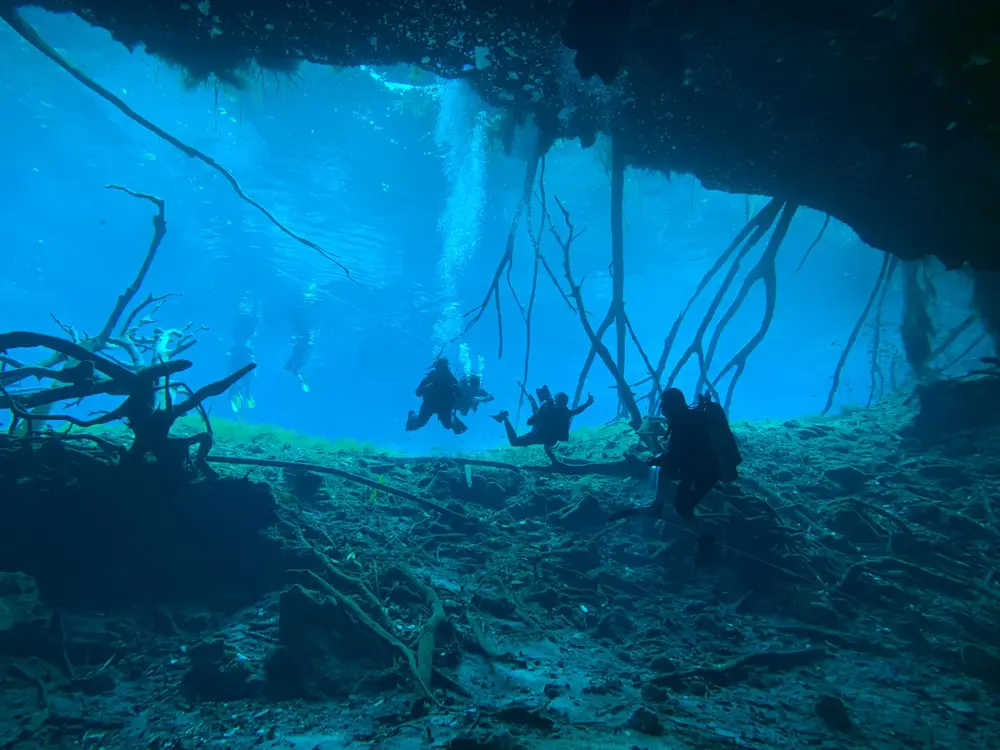
03 Two interconnected sinkholes in the Yucatán with crystal-clear fresh water, massive cavern halls, and the surreal halocline layer.
 04
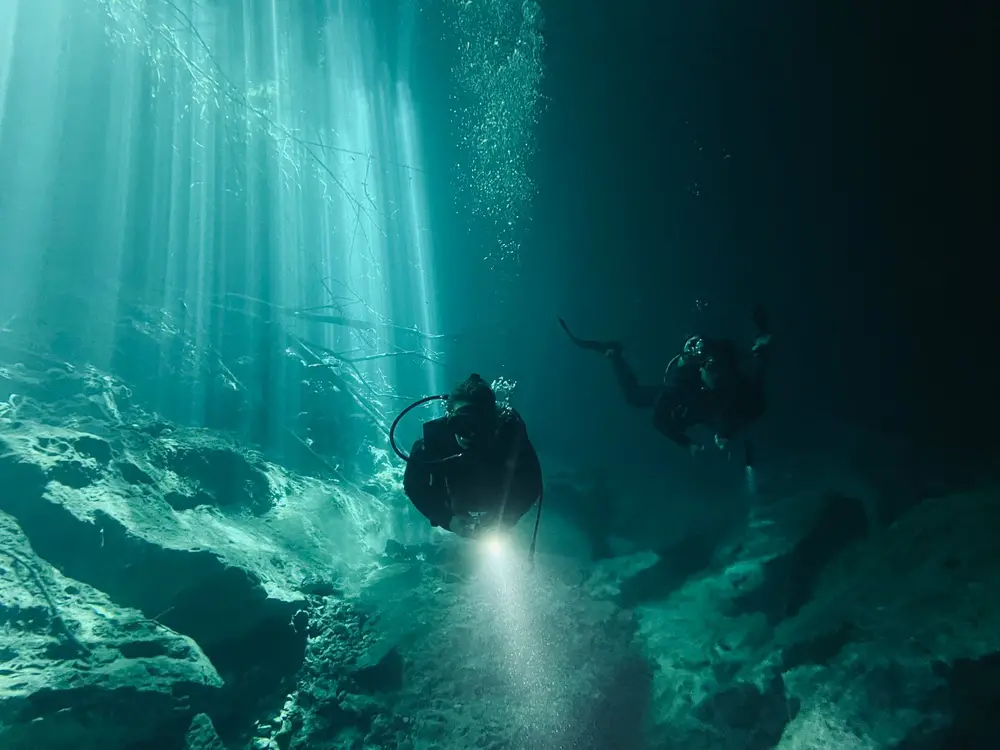
04 The Pit is an advanced freshwater cenote dive reaching 40m in Mexico's Yucatan, featuring dramatic vertical walls and unique geological formations.
 05
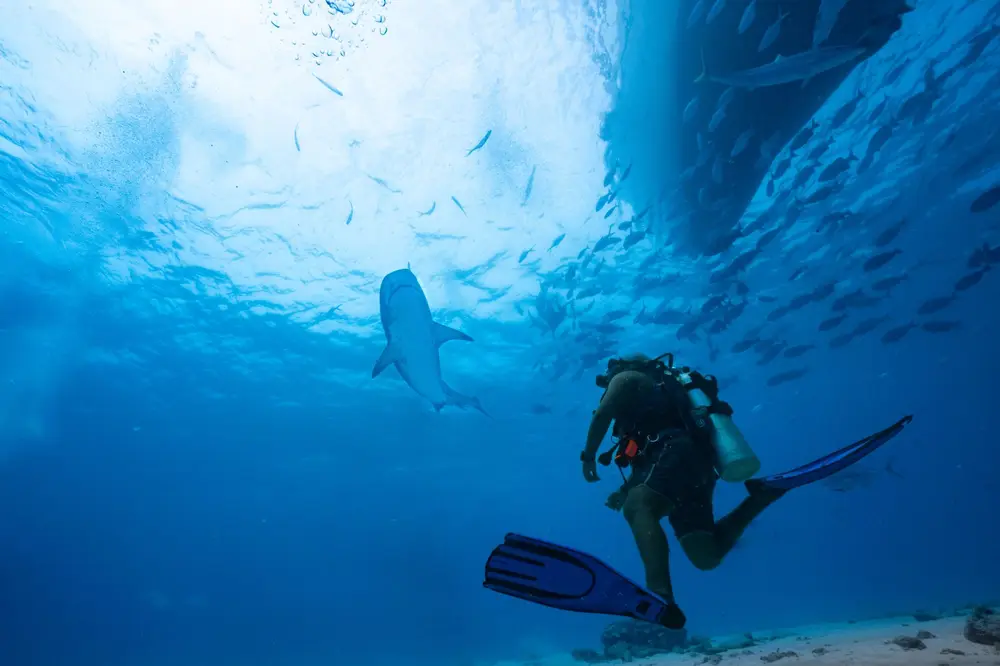
05 Advanced dive to 28m at Isla Mujeres' Bull Shark Cathedral, a year-round destination where bull sharks congregate in open water.
Banco Chinchorro is Mexico's largest coral atoll and a remote advanced dive destination with wrecks, walls, and pristine reef structure.
Beginner-friendly cenote dive in Tulum reaching 15m, featuring freshwater pools and geological formations ideal for first-time cave divers.
 08
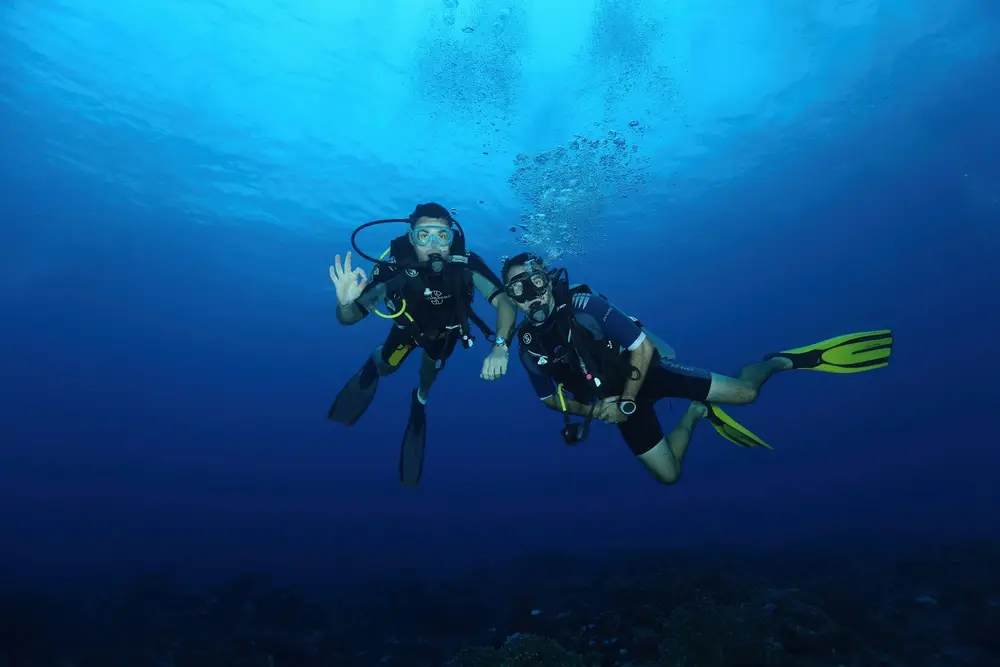
08 El Farito is a year-round Mexican dive site with 12 species observations and healthy coral conditions.
Intermediate sites like Palancar Reef (Cozumel, 20 m viz) and Cabo Pulmo Marine Park (8–20 m, 15 m viz) are realistic next steps after a few dives, and both are reachable from popular tourist bases.
Diving is possible year-round. Water temperature never drops below 22 °C, which means a 3 mm wetsuit covers most conditions. The whale shark aggregation at Isla Mujeres peaks between June and September. The Caribbean side (Cozumel, Tulum, Mahahual) is most settled from April through August. The Pacific sites like Socorro are typically accessed November through May when liveaboard conditions are calmer.
Yes, with caveats. The cenotes and Caribbean reef sites are genuinely beginner-accessible — calm water, good visibility, and plenty of dive operators running Open Water courses. Sites like Socorro — Roca Partida (20–40 m, expert-rated) and Cenote Angelita (30–60 m) are not for new divers, but you won't be pointed there on your first trip. Stick to the Caribbean coast or Isla Mujeres for your first dives and the progression is natural.
Mexico's marine life list is unusually strong. Beginners at Isla Mujeres can encounter whale sharks and green sea turtles on the same dive. Reef sites hold great barracuda, hawksbill turtles, and bottlenose dolphins. Progress to intermediate sites and blacktip reef sharks and manta rays become realistic sightings. Scalloped hammerheads, tiger sharks, and large manta ray aggregations are documented at the expert Pacific sites.
Do I need a certification to dive in Mexico? For open-water diving, yes. Most operators on the Caribbean coast run PADI or SSI Open Water courses over 3–4 days. Cenote snorkeling and the whale shark experience at Isla Mujeres are available without certification.
What visibility can beginners expect? Cenote Dos Ojos reaches 50 m visibility — among the clearest water anywhere. Caribbean reef sites typically offer 15–20 m. Visibility is one of Mexico's real strengths for new divers.
Is the water warm enough without a drysuit? A 3 mm wetsuit is sufficient for most Mexican diving. Water ranges from 22 °C to 30 °C depending on location and season — no drysuit needed.
Which region should a first-time diver base themselves in? The Riviera Maya (Tulum, Playa del Carmen, Isla Mujeres) gives the best access to beginner sites, cenotes, and whale shark experiences within a short drive of each other.
≈ 42 m · The seabed
Thousands more dive sites are waiting in the blue — pick your next descent.