 01
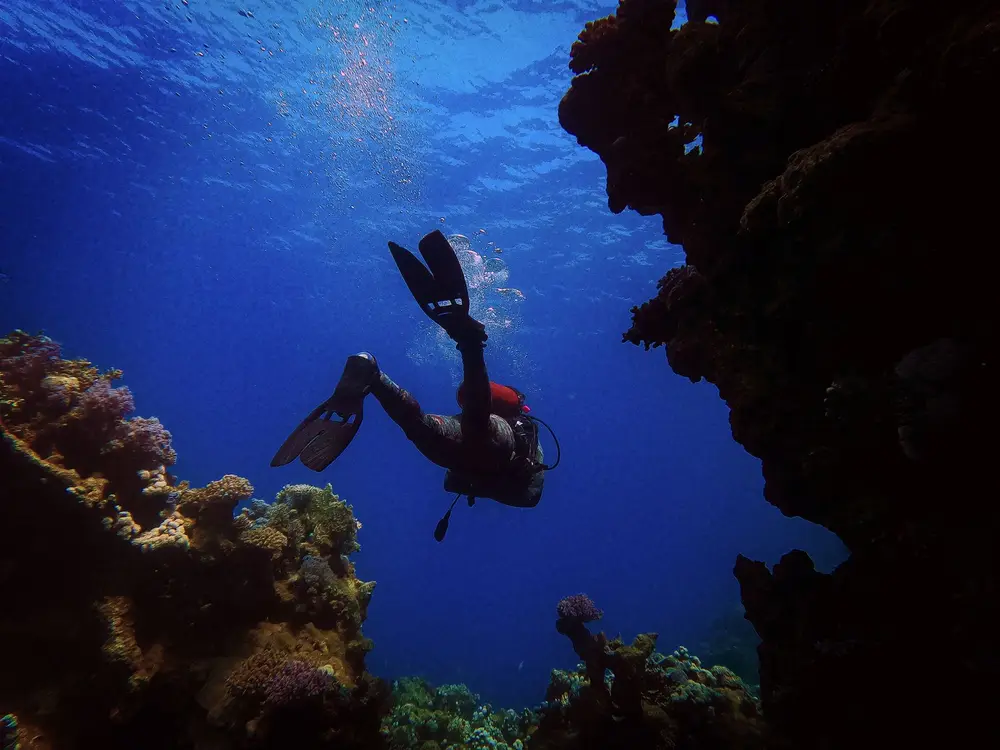
01 Dahab — Blue Hole (Bells entry)
Famous 100m vertical hole in the reef; dived via the safer Bells entry as a 30m wall drift to the saddle.
⇩6–30 m ◎25 m viz ≈21–28°C intermediate
Explore this site → 

Country guide
Egypt's Red Sea offers 258 dive sites, 35 m visibility, and year-round warm water—from beginner reefs to expert open-ocean walls.
Egypt is one of the most accessible places on earth to dive with large pelagics, explore coral walls, and log serious visibility—up to 35 m at the best sites. With 258 published sites across the Red Sea, water temperatures that never drop below 21 °C, and liveaboards running year-round, it suits everyone from newly certified divers to expedition-level technical divers.
The reefs, walls and wrecks worth the trip — each with real conditions, seasons and marine life.
01 Famous 100m vertical hole in the reef; dived via the safer Bells entry as a 30m wall drift to the saddle.
 02
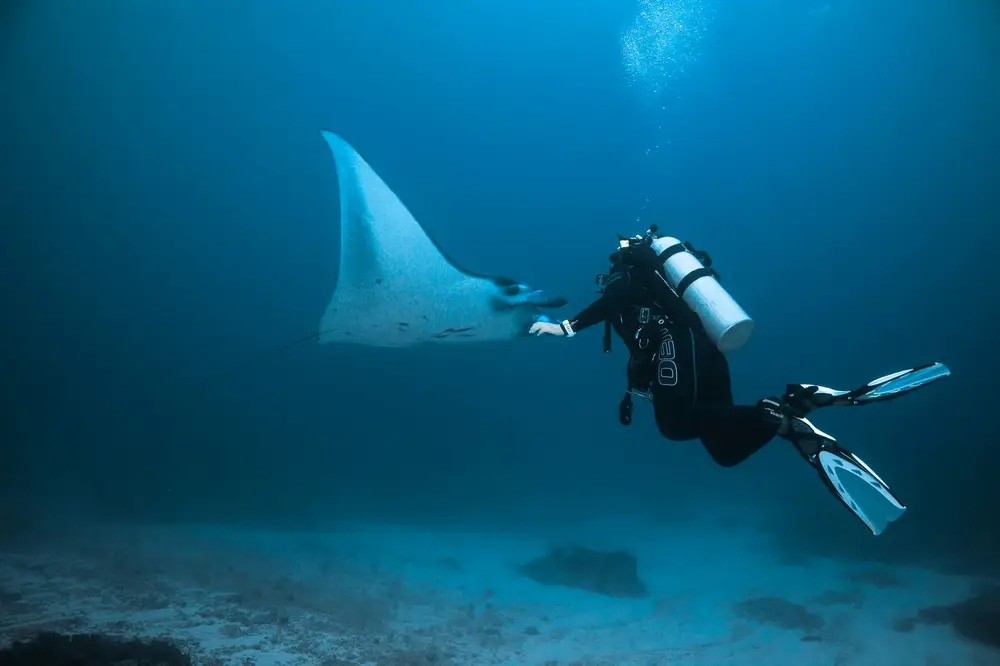
02 Manta Point is a year-round Egyptian dive site known for manta ray encounters and coral health.
 03
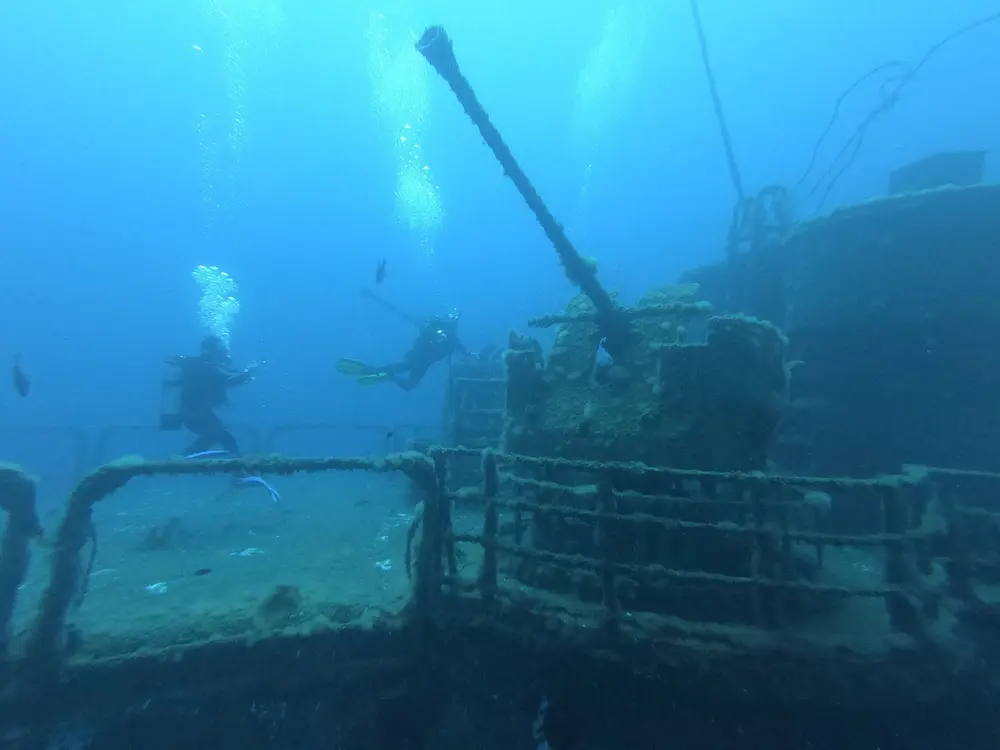
03 WWII British cargo ship sunk by German bombers in 1941, holds full of motorcycles, trucks, rifles. World's best wreck dive.
 04
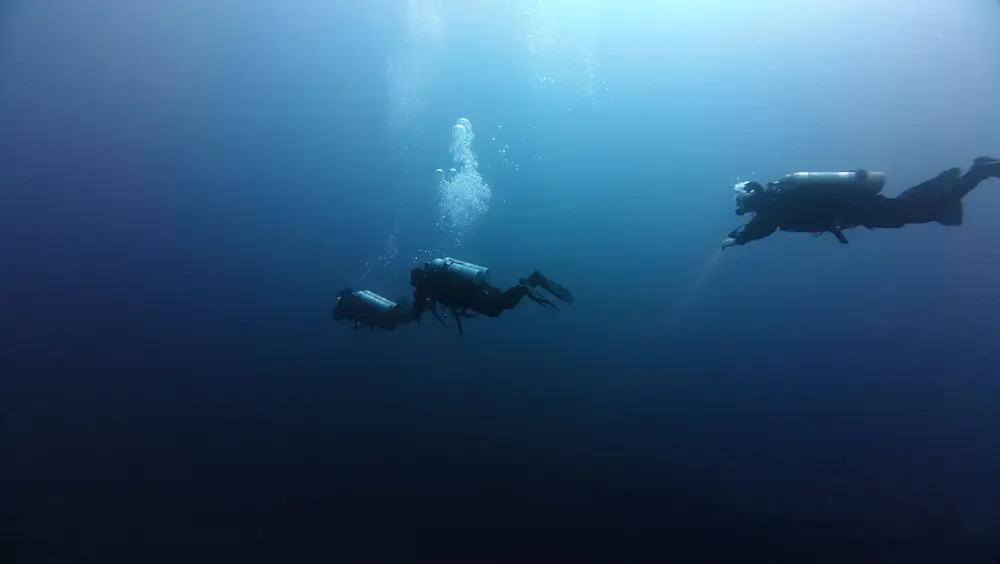
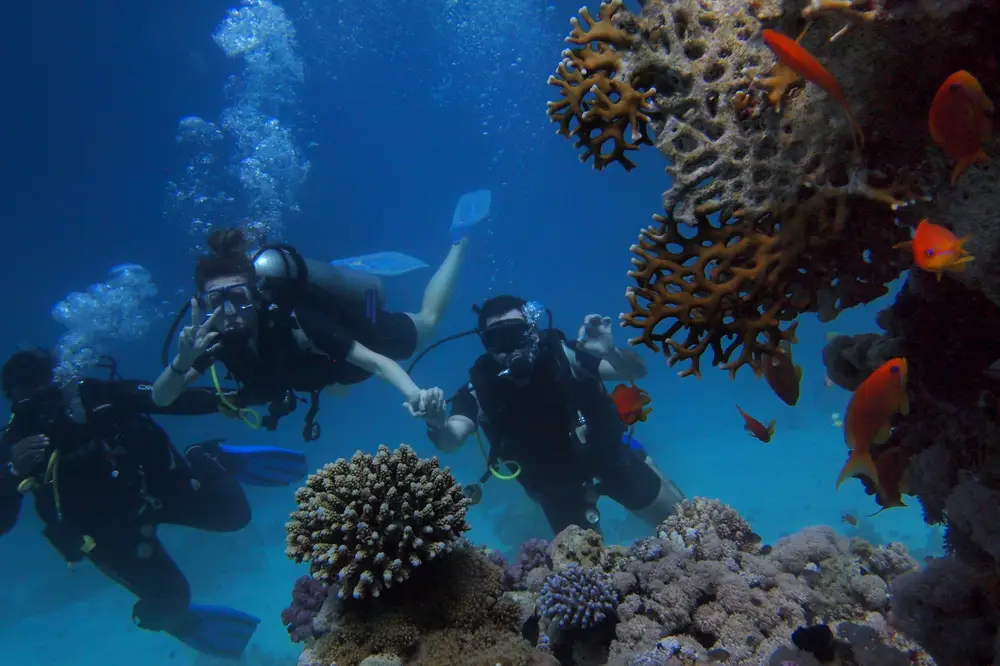
04 Sha'ab Bruce is a Red Sea reef offering year-round diving with diverse marine life and healthy coral.
 05
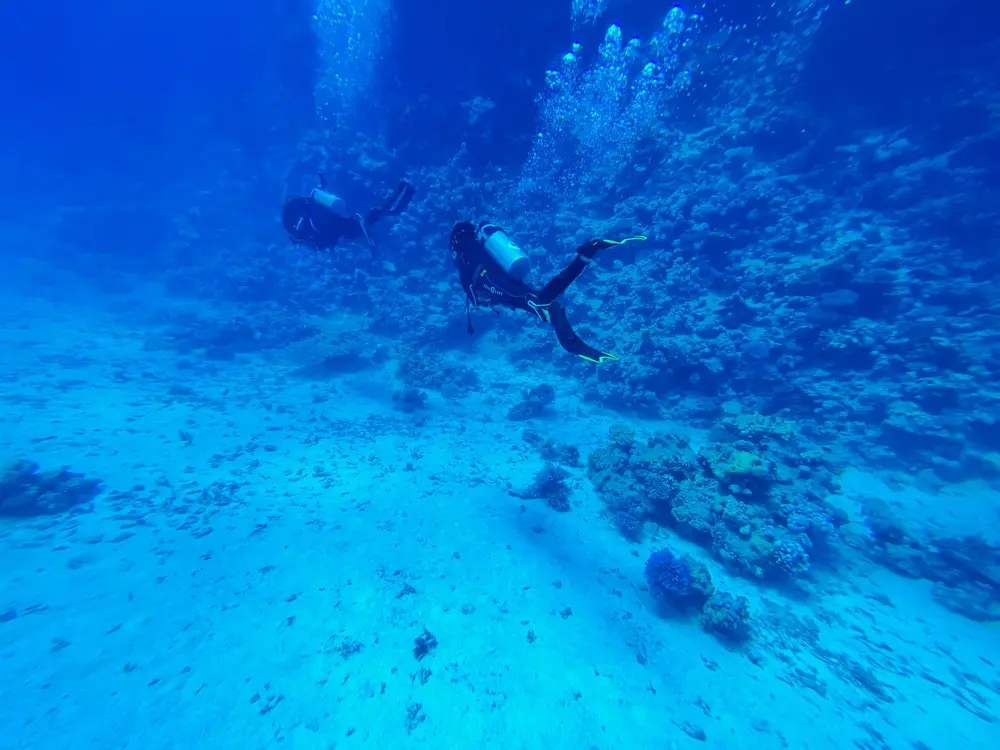
05 Sha'ab El Erg is a year-round Red Sea dive site in Egypt with healthy coral and strong species diversity.
 06
06 Two remote pinnacles 60km offshore — Big Brother and Little Brother — only reached by liveaboard. Sharks, walls, wrecks.
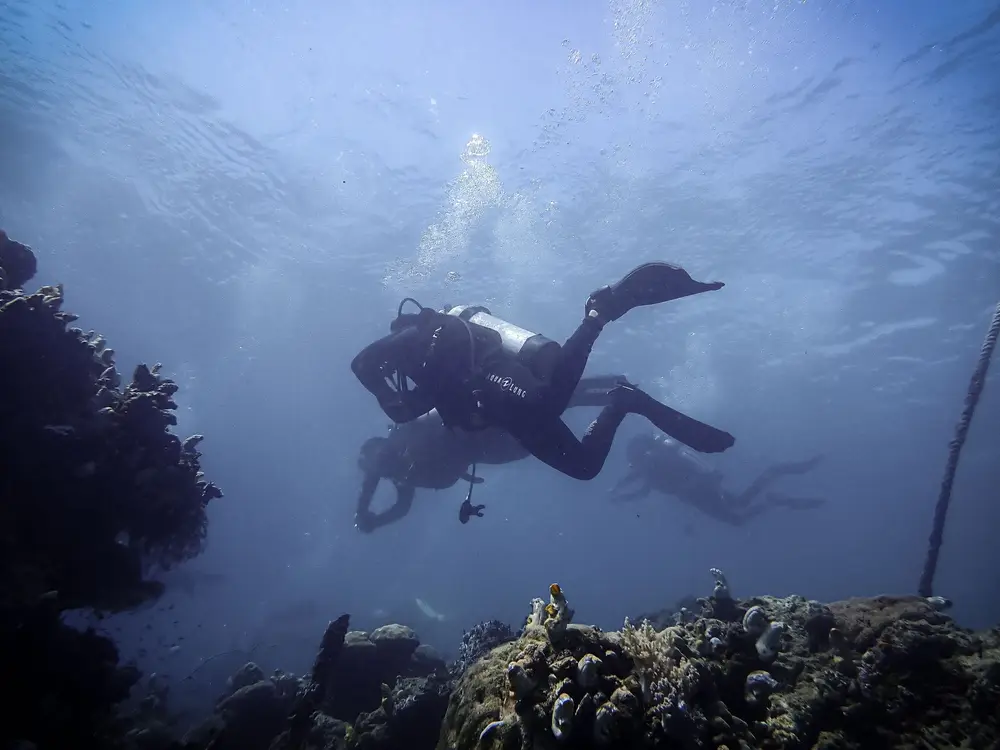
07 Elphinstone Reef is a pristine Egyptian reef offering year-round diving with healthy corals and abundant marine life.
 08
08 Submerged offshore reef south of Marsa Alam, drifting walls down to 100m, oceanic whitetips, hammerheads in winter.
The Red Sea is diveable every month of the year. Water temperature runs 21–29 °C—coolest January through March (a 5 mm wetsuit is comfortable), warmest July through September when a 3 mm shorty is enough. Visibility holds at 25–35 m regardless of season. Hammerheads at The Brothers and Elphinstone are most reliably reported September through November, though sightings happen year-round.
Yes. Sites like Makadi Garden, Shaab Sharm, Blue Water House Reef, and Sachua Abu Galawa offer calm, shallow water with excellent visibility and no current—exactly what new divers need. Hurghada and Sharm el-Sheikh both have a high concentration of PADI and SSI centres with structured courses in multiple languages.
Egypt's recorded marine life includes scalloped hammerhead, tiger shark, blacktip reef shark, great barracuda, green sea turtle, hawksbill turtle, honeycomb moray, and common octopus. Reef fish density on sites like Ras Mohammed is among the highest in the Red Sea.
Do I need a liveaboard to reach the best sites? For The Brothers Islands and some northern Red Sea wrecks, yes—day boats don't run that far. Elphinstone and Ras Mohammed are accessible on day trips from Marsa Alam and Sharm el-Sheikh respectively.
Is a dive permit required? Most sites inside Ras Mohammed National Park require a park entry fee, typically collected by the dive operator. Your operator will handle this.
What certification level do I need for Elphinstone? Advanced Open Water minimum; most operators also require a logged dive count (commonly 30+) due to the currents and depth.
Can I dive the Blue Hole as an intermediate diver? Yes, using the Bells entry and staying on the wall above 30 m. The arch at 55 m is strictly for experienced technical divers—it has a serious accident history.
🌊 Water: 20–32°C · 265dive sites. From our 5-year climatology and best-month signal across the sites below.
| Month | Diving 🤿 | Air | Rain | Wind |
|---|---|---|---|---|
| Jan | 215 | 23° | 0mm | 14kn |
| Feb | 215 | 23° | 0mm | 16kn |
| Mar | 221 | 25° | 0mm | 15kn |
| Apr | 220 | 29° | 0mm | 15kn |
| May | 220 | 32° | 0mm | 16kn |
| Jun | 217 | 35° | 0mm | 17kn |
| Jul | 217 | 36° | 0mm | 15kn |
| Aug | 217 | 36° | 0mm | 16kn |
| Sep | 219 | 34° | 0mm | 17kn |
| Oct | 221 | 31° | 0mm | 15kn |
| Nov | 218 | 28° | 0mm | 14kn |
| Dec | 215 | 24° | 0mm | 14kn |
≈ 42 m · The seabed
Thousands more dive sites are waiting in the blue — pick your next descent.