About this spot
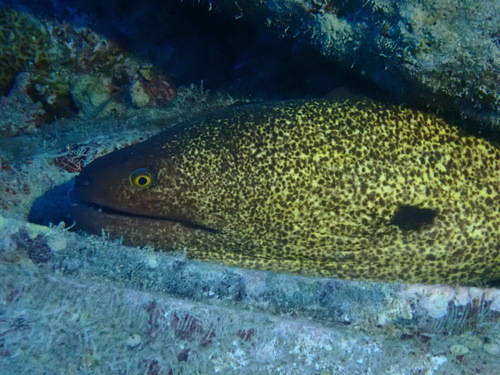
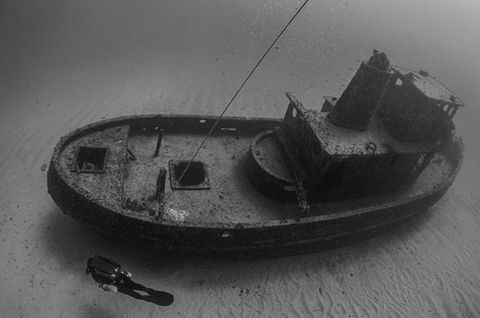
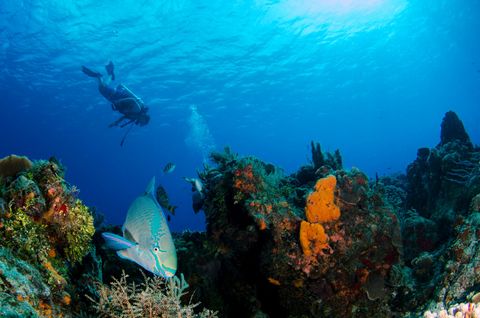
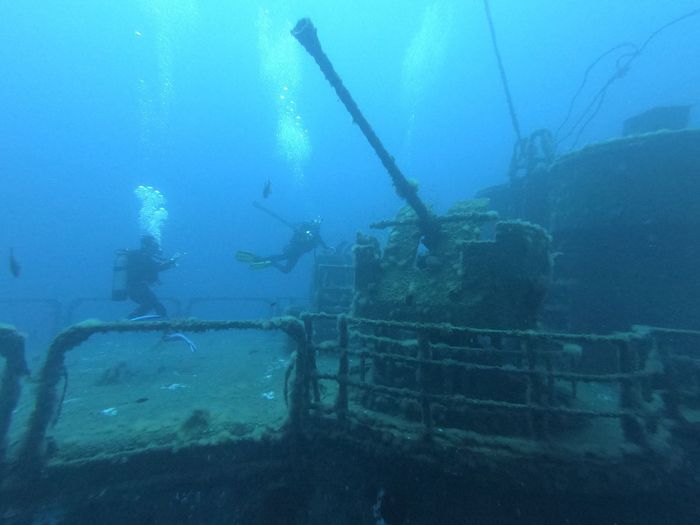
The SS Thistlegorm is a British WWII cargo ship sunk in 1941 in the Red Sea's Strait of Gubal, and its intact holds remain the main draw — motorcycles, trucks, aircraft parts, rifles, and boots still sit where they settled decades ago. Divers drop to the main deck around 15 m and can push down to 32 m to reach the stern gun and propeller, where the structure is most intact and the scale of the wreck becomes clear. Visibility averages 20 m, which is enough to take in full sections of the hull in a single view. Moderate currents run through the site regularly, and combined with the depth range this is firmly advanced territory — drift experience helps. Great barracuda patrol the upper structure in loose schools, and honeycomb morays occupy the gaps between cargo and corroded metal throughout the holds. The site dives well from March through October, with water temperatures ranging from 21 °C in the cooler months up to 28 °C in summer. Most divers reach the Thistlegorm by liveaboard from Hurghada or Sharm el-Sheikh.
📖 Guide: Diving in Egypt: 258 Sites From Wrecks to Hammerheads
Best months
Marine life
Dive types
Trip essentials
Everything you need before you pack — checklist, sun, logistics.
Trip checklist
- 🛂 Visa-free or visa-on-arrival
- 🤿 Pack: 3/2 mm shorty
- 📜 C-card + dive insurance (DAN)
- 📔 Dive logbook
- 🧴 Reef-safe sunscreen SPF 50+
- 🔌 Plug type C/F · 220V adapter
- 💊 Seasickness meds + ear drops
- 📱 Offline maps + emergency contact
Quick facts
- 🌓 Moon First quarter · 47%
- 🤿 Wetsuit 3/2 mm shorty
- GPS
› Sustainability disclosures
From your departure country
- Visa: Visa on arrival · 30 days max
- Flight: 8h · direct
- Jet-lag: 7h east · 5 days recovery
FAQ
›Wreck penetration certification?
Strongly recommended. Holds are large but light fades; reels and torches mandatory.
›How many dives?
Two is the minimum; many operators offer three-dive day-and-night packages from liveaboards.
›What's the visibility like?
Usually 15-25m, sometimes more. Currents stir sediment near the bottom.