 01
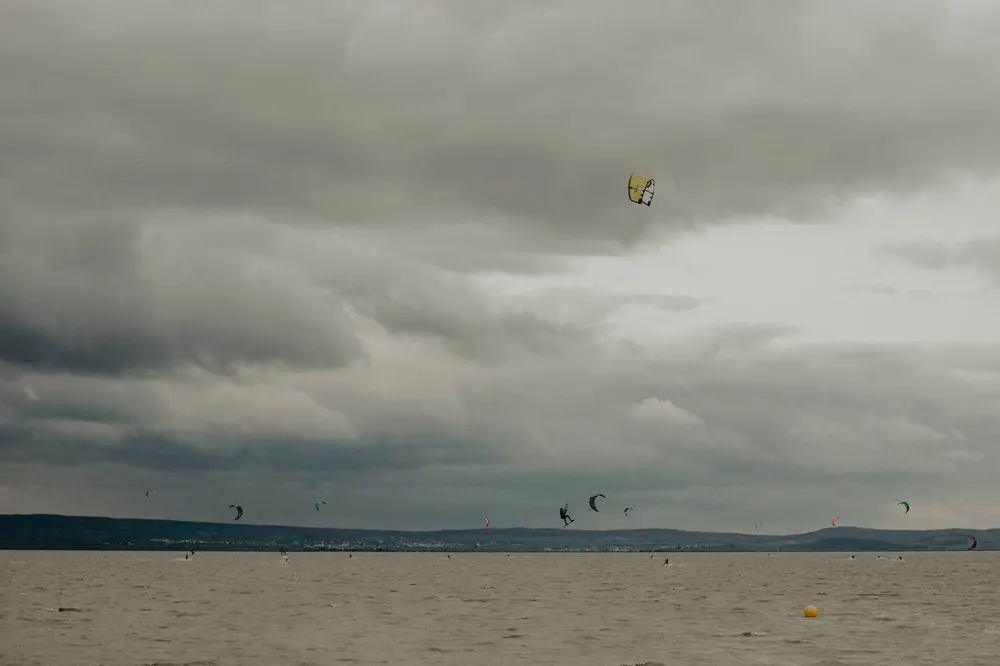
01 Barassie
Barassie is a year-round kite spot on Scotland's Ayrshire coast with consistent wind and easy beach access.
≈6–14°C beginner
Explore this site → 

Country guide
Cold, clear, and packed with history: UK diving spans WWI battleships, grey seal colonies, and 57 mapped sites. Best year-round.
The United Kingdom has 57 published dive sites ranging from shallow beginner quarries to advanced WWI warships sitting at 45 m. Water temperatures run cold — 6°C in winter, up to 14°C in summer — so a drysuit is the standard kit for most divers. The variety is genuine: landlocked training pools, exposed Atlantic islands, North Sea wrecks, and one of the most celebrated wreck diving destinations on the planet.
The reefs, walls and wrecks worth the trip — each with real conditions, seasons and marine life.
01 Barassie is a year-round kite spot on Scotland's Ayrshire coast with consistent wind and easy beach access.
 02
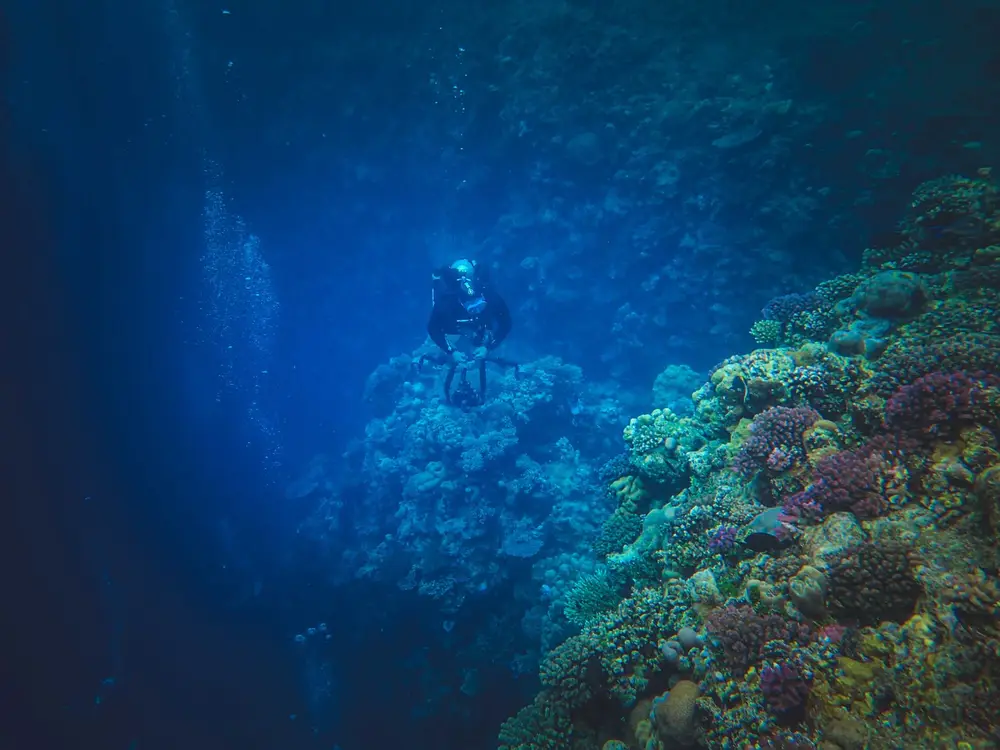
02 Buckland Lake Reserve offers year-round freshwater diving in southern England with accessible conditions for divers of all levels.
 03
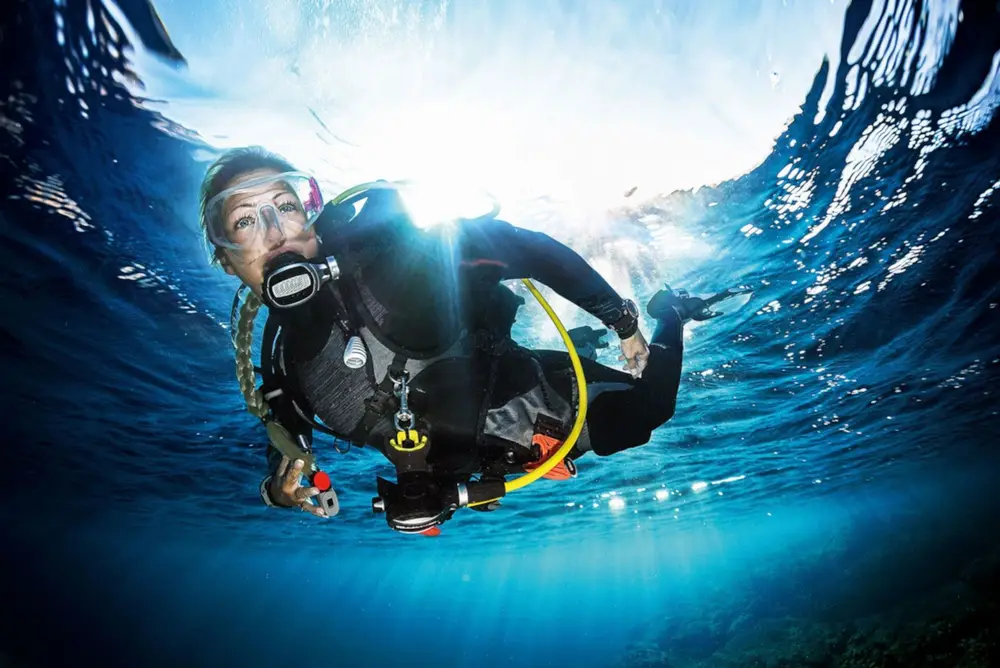
03 City of Brisbane is a wreck dive in the UK offering year-round exploration with documented marine life observations.
 04
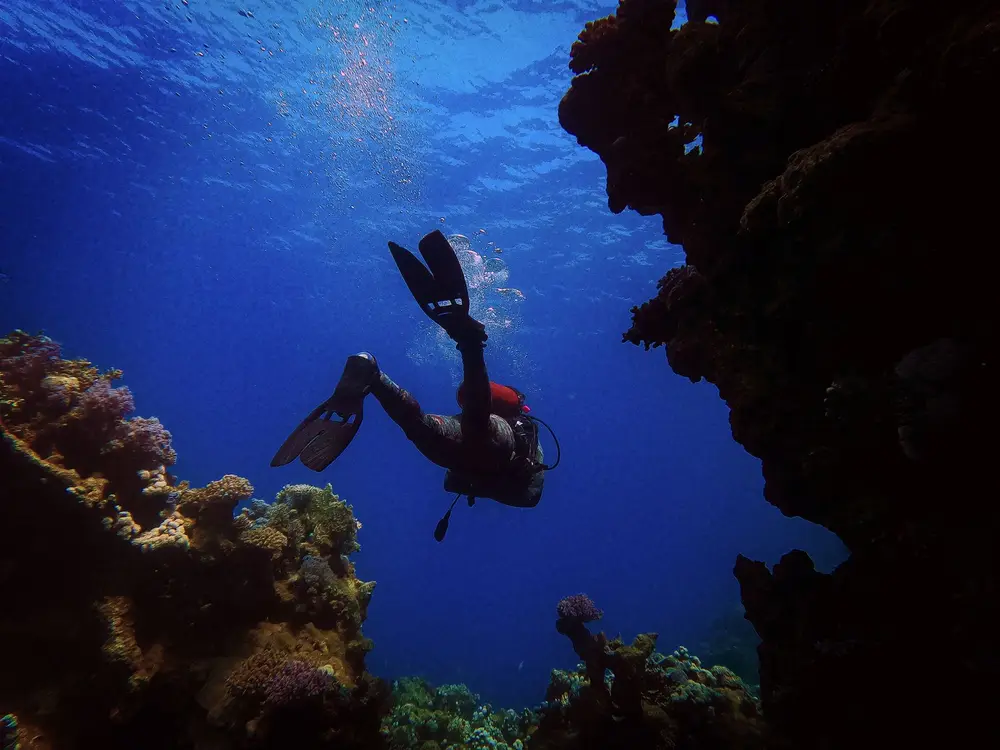
04 Cuckoo is a wreck dive off Pagham Harbour in West Sussex, England. Year-round diving on the Phoenix Caisson offers UK wreck exploration.
 05
05 HMS D1 is a historic 1909 submarine wreck in UK waters, protected within a Special Area of Conservation and home to marine life observations.
 06
06 Dosthill Quarry is a UK freshwater dive site near Tamworth offering year-round diving with accessible conditions for divers of all levels.
 07
07 F2 is a wreck dive in Scapa Flow, UK, offering access to a piece of naval history from the 1919 German fleet scuttling.
 08
08 Gobernador is a year-round UK dive site near the Bu of Hoy in Orkney Islands, Scotland, offering kelp forest and wreck exploration.
UK diving runs year-round, but conditions vary sharply. Summer (June–September) brings the warmest water (up to 14°C), longer days, and calmer seas — best for exposed sites like Lundy and the Farnes. Scapa Flow is diveable from April through October, with the calmest conditions in May–June. Winter diving is possible for experienced drysuiters; visibility can actually improve as plankton blooms subside.
Yes, with the right site selection. Vivian Quarry, Arno, and Gascogny offer sheltered, predictable conditions for new divers. Most intermediate and advanced sites require drysuit experience and ideally a local guide — tidal planning is non-negotiable at exposed Atlantic and North Sea locations.
Bottlenose dolphins have been recorded at UK sites. Grey seals are a reliable highlight at the Farne Islands and Lundy. Wreck sites host dense communities of plumose anemones, edible crabs, and lobster. The Scapa Flow wrecks carry nearly a century of marine growth.
Do I need a drysuit to dive in the UK? For most sites and most of the year, yes. At 6–14°C, a wetsuit is uncomfortable on longer dives and genuinely dangerous in winter.
Is Scapa Flow worth the journey? For wreck divers, it is consistently rated among the top five wreck diving destinations in the world. The scale, history, and condition of the fleet make it unique.
Are UK dive sites suitable for solo divers? Tidal and cold-water conditions make buddy diving strongly advisable. Many sites require local knowledge to time entries correctly.
Do I need a dive guide? Not legally, but for tidal sites like Knoll Pins or the Farnes, a local guide or charter skipper is a practical necessity, not just a convenience.
🌊 Water: 6–16°C · 68dive sites. From our 5-year climatology and best-month signal across the sites below.
| Month | Diving 🤿 | Air | Rain | Wind |
|---|---|---|---|---|
| Jan | 38 | 8° | 3mm | 17kn |
| Feb | 38 | 9° | 3mm | 17kn |
| Mar | 39 | 10° | 2mm | 15kn |
| Apr | 39 | 12° | 2mm | 14kn |
| May | 40 | 15° | 2mm | 13kn |
| Jun | 40 | 18° | 2mm | 13kn |
| Jul | 39 | 19° | 3mm | 13kn |
| Aug | 39 | 19° | 2mm | 13kn |
| Sep | 40 | 18° | 3mm | 14kn |
| Oct | 39 | 15° | 4mm | 17kn |
| Nov | 39 | 11° | 4mm | 17kn |
| Dec | 39 | 9° | 3mm | 18kn |
≈ 42 m · The seabed
Thousands more dive sites are waiting in the blue — pick your next descent.