 01
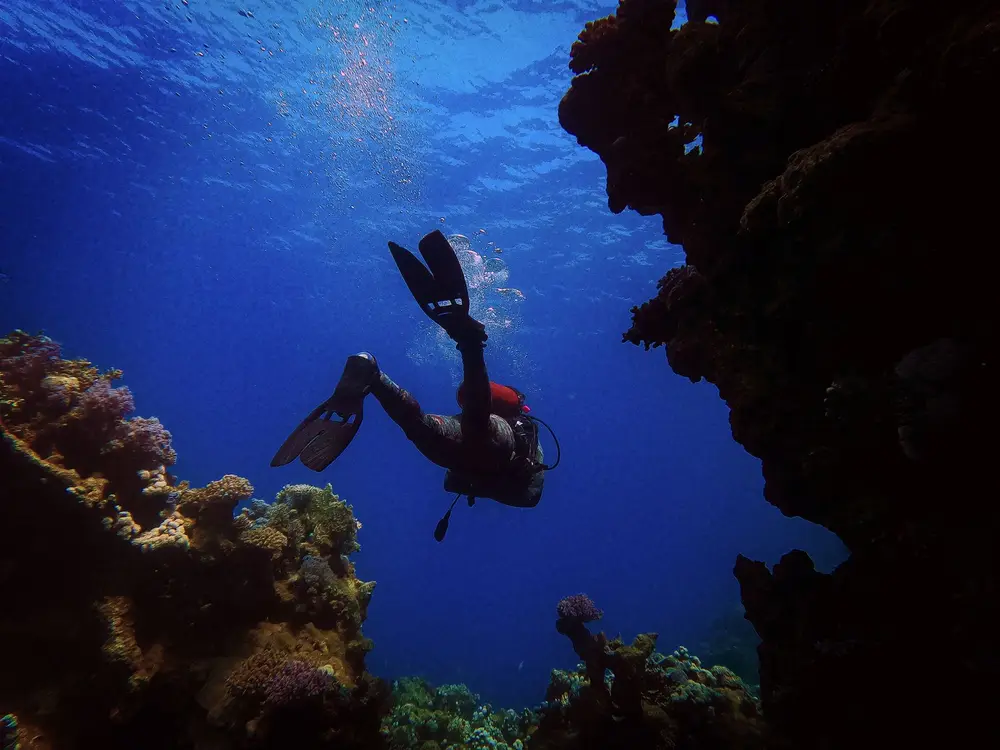
01 Dahab — Blue Hole (Bells entry)
Famous 100m vertical hole in the reef; dived via the safer Bells entry as a 30m wall drift to the saddle.
⇩6–30 m ◎25 m viz ≈21–28°C intermediate
Explore this site → 

Beginner guide
Egypt's Red Sea suits beginners and experts year-round: 21–29 °C water, 25–35 m visibility, turtles, sharks, and easy reef entry.
Egypt has 258 mapped dive sites along the Red Sea, and the range runs from shallow, calm beginner reefs to deep walls where scalloped hammerheads circle. Water stays between 21 and 29 °C year-round, visibility regularly hits 25–35 m, and most resort areas have house reefs you can enter straight off the beach. If you've just got your Open Water card, you'll find plenty here — and enough to keep you coming back for years.
The reefs, walls and wrecks worth the trip — each with real conditions, seasons and marine life.
01 Famous 100m vertical hole in the reef; dived via the safer Bells entry as a 30m wall drift to the saddle.
 02
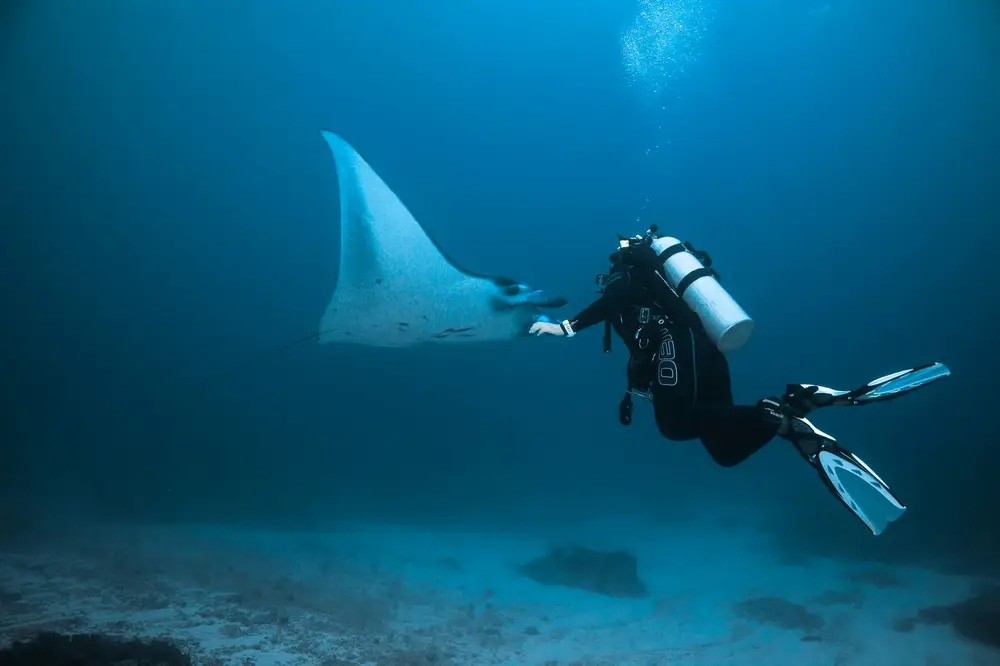
02 Manta Point is a year-round Egyptian dive site known for manta ray encounters and coral health.
 03
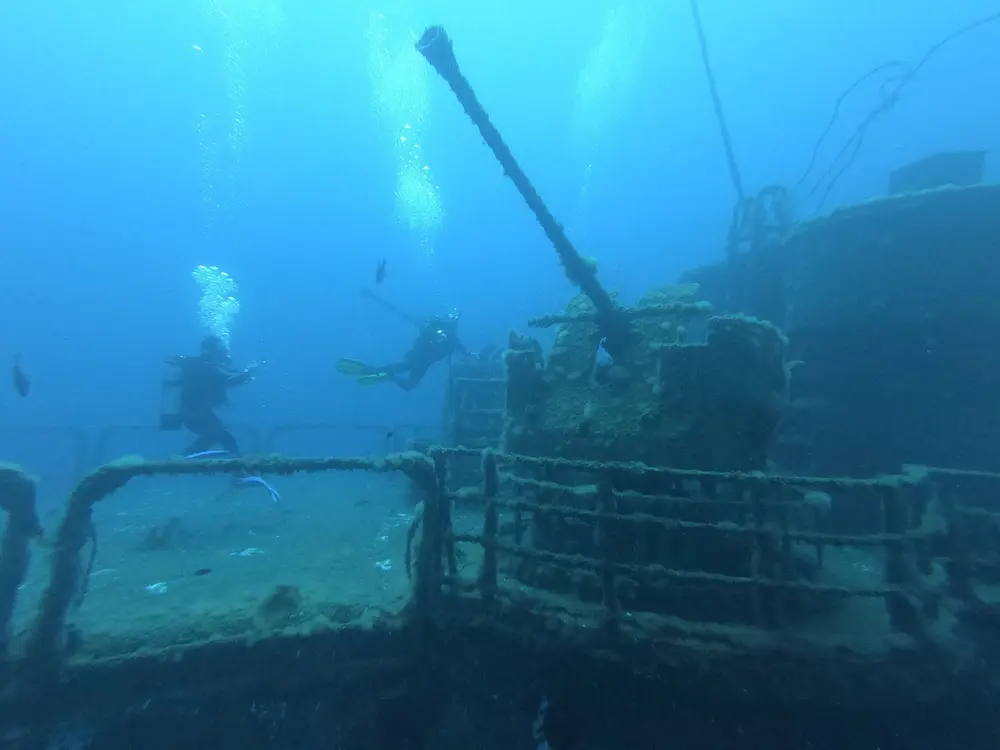
03 WWII British cargo ship sunk by German bombers in 1941, holds full of motorcycles, trucks, rifles. World's best wreck dive.
 04
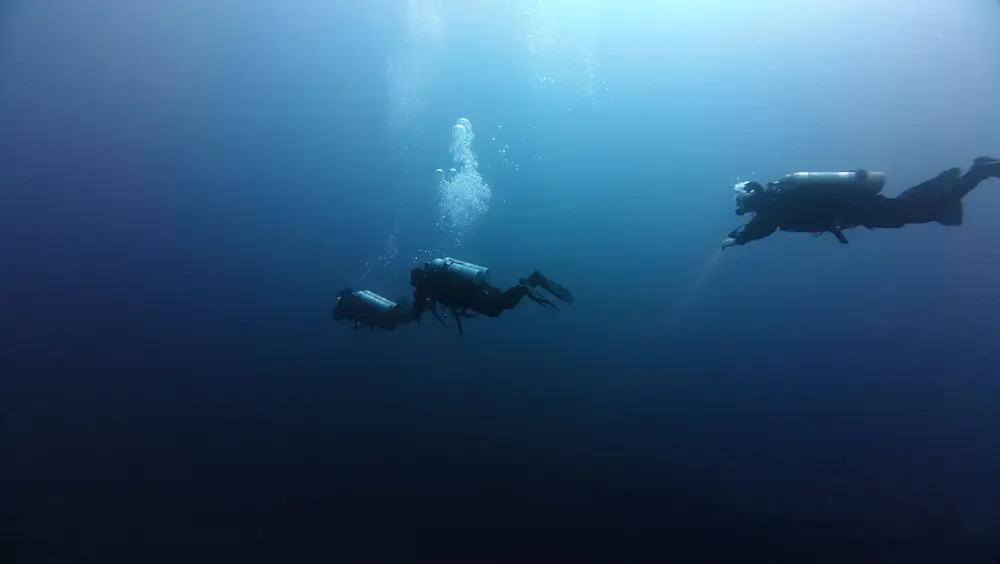
04 Sha'ab Bruce is a Red Sea reef offering year-round diving with diverse marine life and healthy coral.
 05
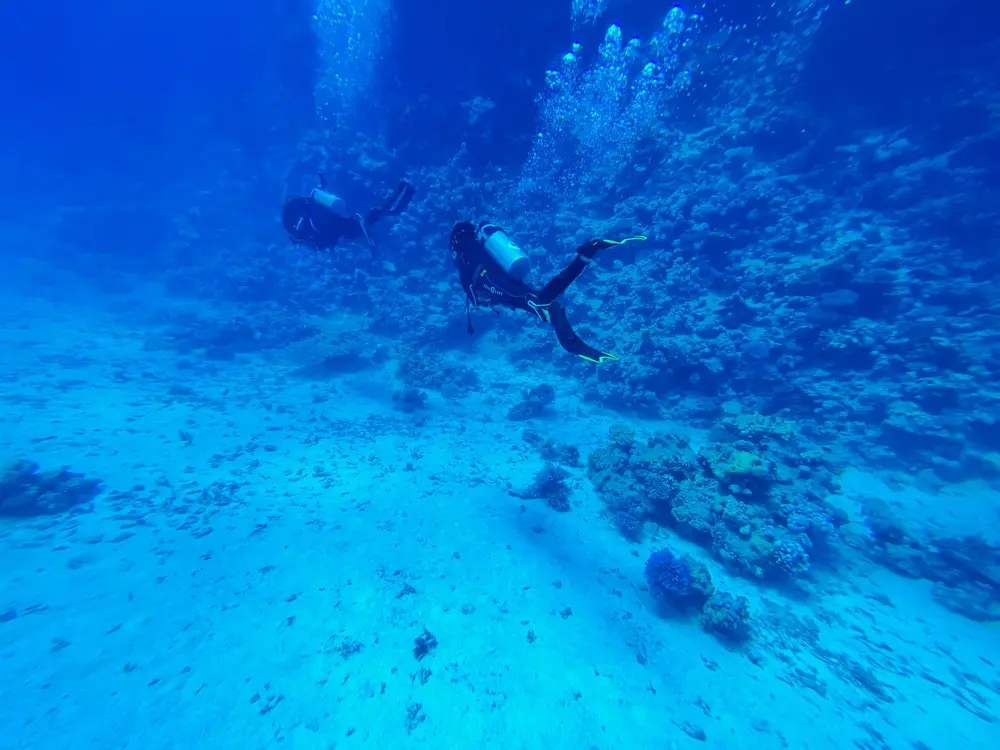
05 Sha'ab El Erg is a year-round Red Sea dive site in Egypt with healthy coral and strong species diversity.
 06
06 Two remote pinnacles 60km offshore — Big Brother and Little Brother — only reached by liveaboard. Sharks, walls, wrecks.
07 Elphinstone Reef is a pristine Egyptian reef offering year-round diving with healthy corals and abundant marine life.
 08
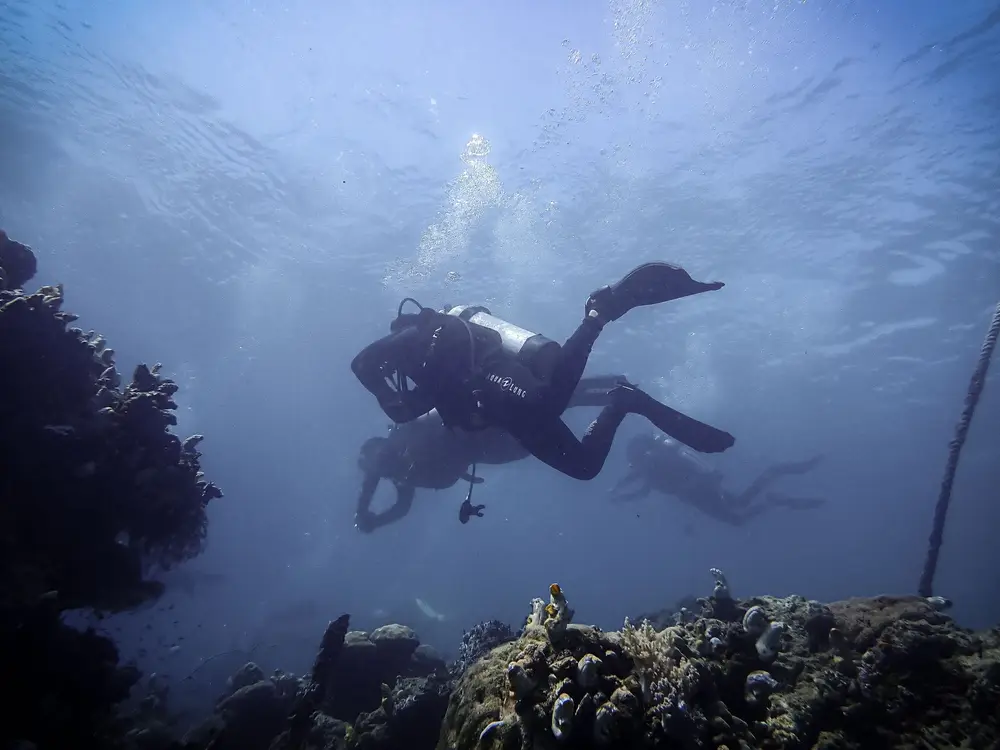
08 Submerged offshore reef south of Marsa Alam, drifting walls down to 100m, oceanic whitetips, hammerheads in winter.
The Red Sea dives year-round. Water temperature ranges from 21 °C in winter (January–March) to 29 °C in summer (July–September). Visibility is consistently high across all seasons. Winter brings cooler water but calmer seas and thinner crowds; summer is warm and busy. For hammerheads at The Brothers, June–September is peak season. For beginners, any month works — just pack a 5 mm wetsuit for winter dives.
Yes. Resorts around Hurghada, Marsa Alam, and Sharm el-Sheikh all have dedicated beginner reefs with instructors and easy entry points. Sites like Makadi Garden, Shaab Sharm, and Blue Water House Reef are specifically rated for new divers and offer 25–30 m visibility — conditions that build confidence fast. Avoid the advanced sites (Elphinstone, The Brothers) until you have the experience and dive count to handle current and depth.
Even on beginner reefs, expect honeycomb moray eels, common octopus, great barracuda, and blacktip reef sharks. Green and hawksbill turtles appear regularly across Red Sea sites. Push into intermediate and advanced territory and you add tiger sharks, scalloped hammerheads, and the occasional whale shark on liveaboard routes.
Do I need a wetsuit in Egypt? In summer (25–29 °C) a 3 mm shorty is enough. In winter (21–23 °C) use a 5 mm full suit, especially for multiple dives per day.
Can I do a discover scuba dive in Egypt without a certification? Yes. Most Hurghada and Sharm el-Sheikh dive centres offer supervised introductory dives to 5–6 m with no prior certification needed.
Are liveaboards necessary to see hammerheads? For reliable scalloped hammerhead sightings at The Brothers Islands, yes — a liveaboard is the practical way to reach those offshore sites. Day-boat access is limited.
Is the Red Sea safe for beginner divers? The sheltered, calm reefs near resort areas are well-suited to beginners. Stick to sites rated beginner or intermediate, dive with a guide, and avoid open-ocean and deep-wall sites until your skills and experience match the conditions.
≈ 42 m · The seabed
Thousands more dive sites are waiting in the blue — pick your next descent.