 01
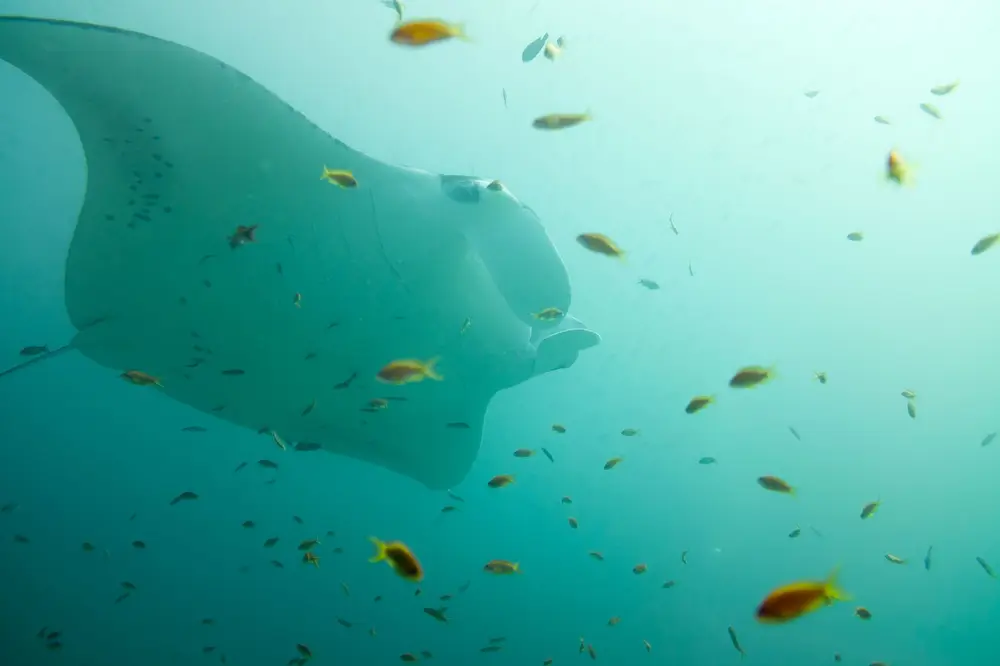
01 Emmadi Giri (Manta Point)
Emmadi Giri is a celebrated manta ray hotspot in the Maldives, drawing divers year-round for consistent encounters with these graceful giants.
intermediate
Explore this site → 

Family guide
156 dive sites, 30 m visibility, and encounters with whale sharks, mantas & tigers. What to dive, when, and which level suits you.
The Maldives holds 156 mapped dive sites across its atolls, with water temperatures between 26–31 °C and visibility regularly hitting 30 m. Whether you want a gentle reef at 10 m or a current-swept kandu channel with hammerheads, the sites exist — and so do the animals. Diving here works every month of the year, though conditions shift between seasons in ways worth understanding before you book.
The reefs, walls and wrecks worth the trip — each with real conditions, seasons and marine life.
01 Emmadi Giri is a celebrated manta ray hotspot in the Maldives, drawing divers year-round for consistent encounters with these graceful giants.
 02
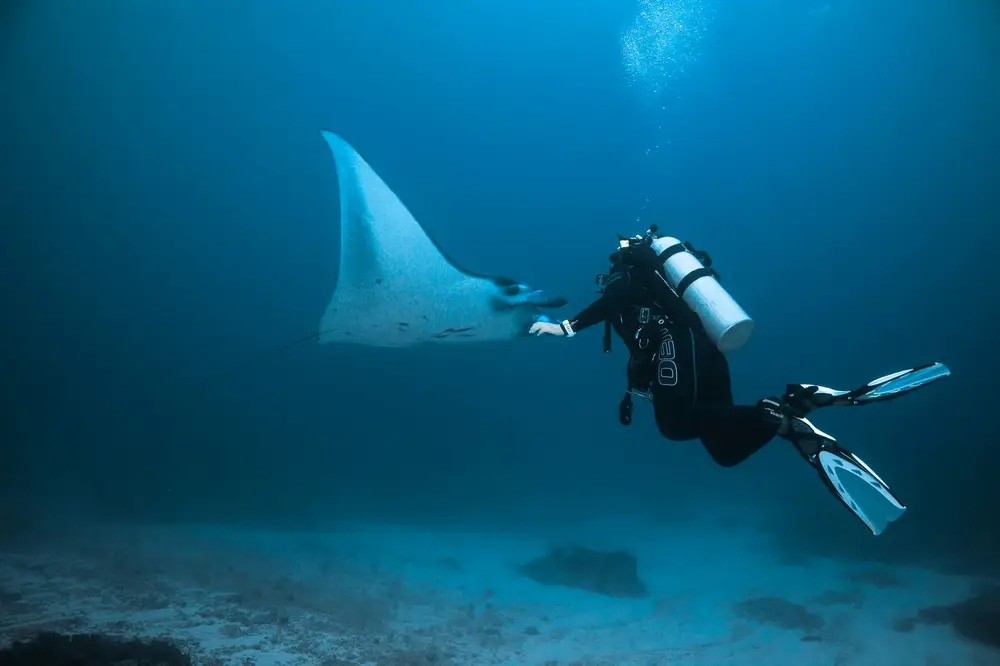
02 Rangali Manta Point is a year-round manta ray destination in the Maldives where seasonal currents attract these graceful giants for reliable encounters.
 03
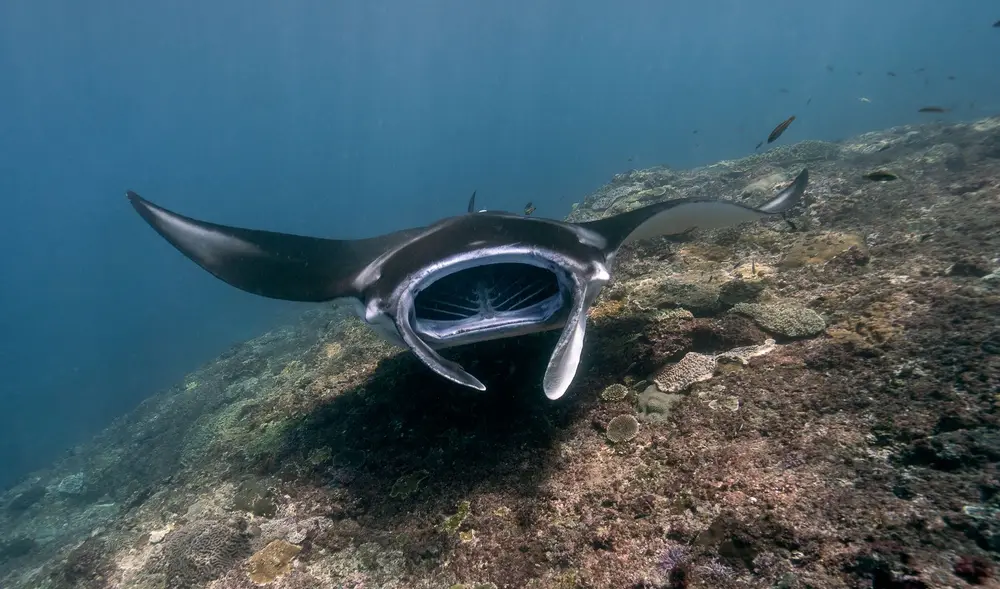
03 Intermediate manta ray dives at North Malé's Lankan Reef. Year-round diving in 8–25m depth.
 04
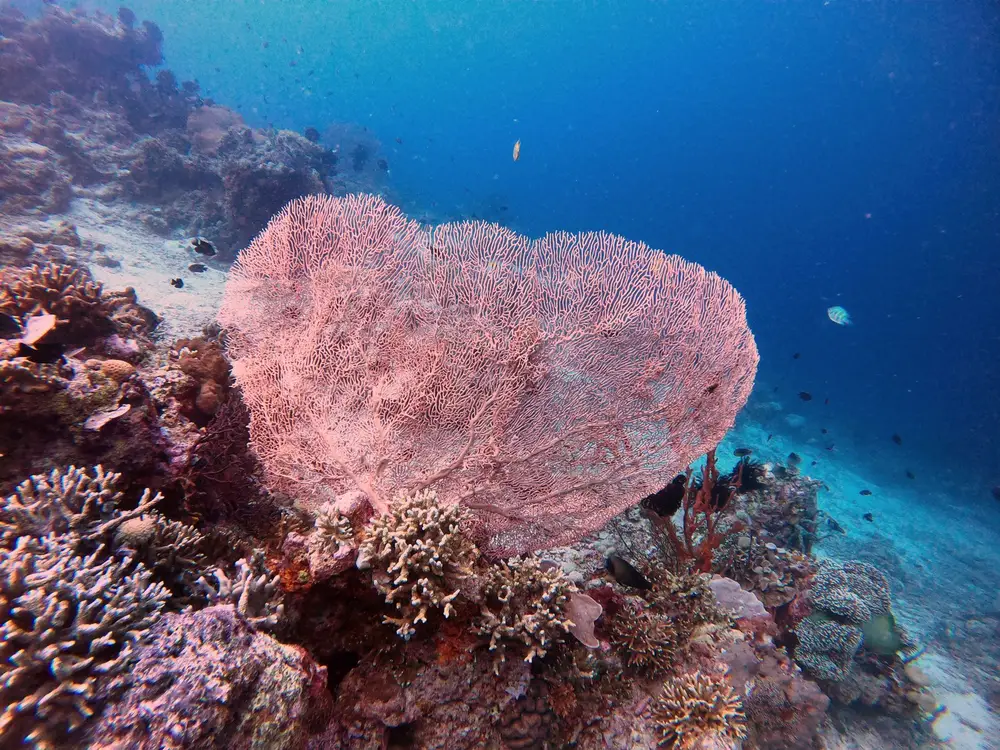
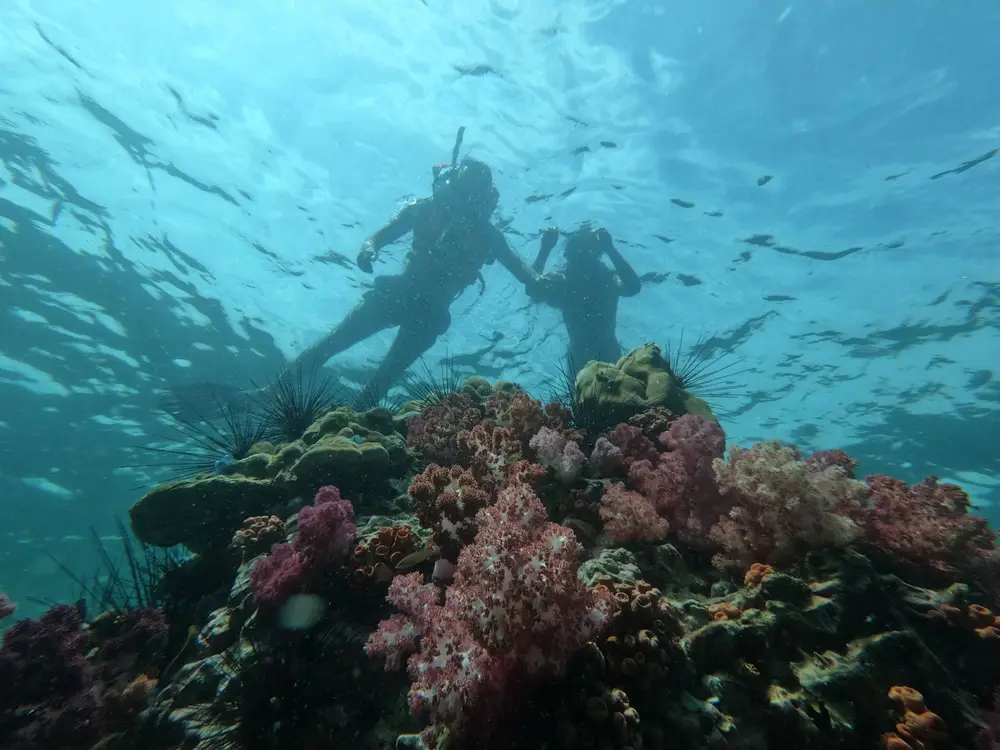
04 Black Coral Faru is a year-round Maldivian dive site with 12 documented species and coral bleaching watch status.
 05
05 Bolifushi in Kaafu Atoll offers year-round diving in the Maldives with documented marine life and accessible reef access.
 06
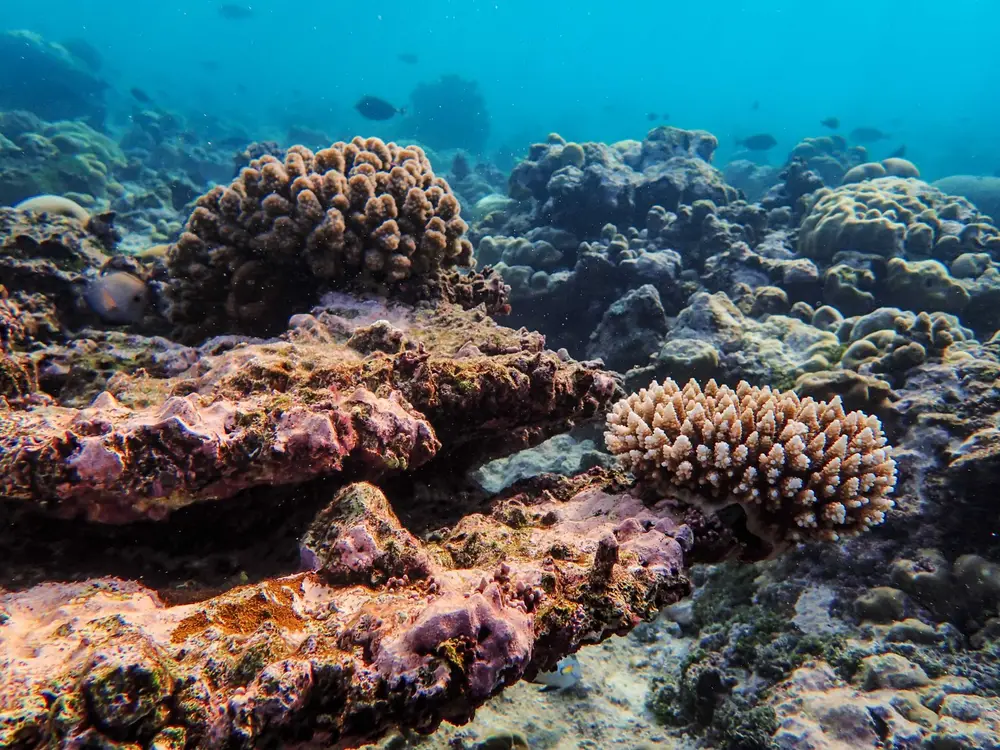
06 Bungalow 78 exit is a year-round dive site near Embudu island in the Maldives, known for consistent access and diverse marine life.
 07
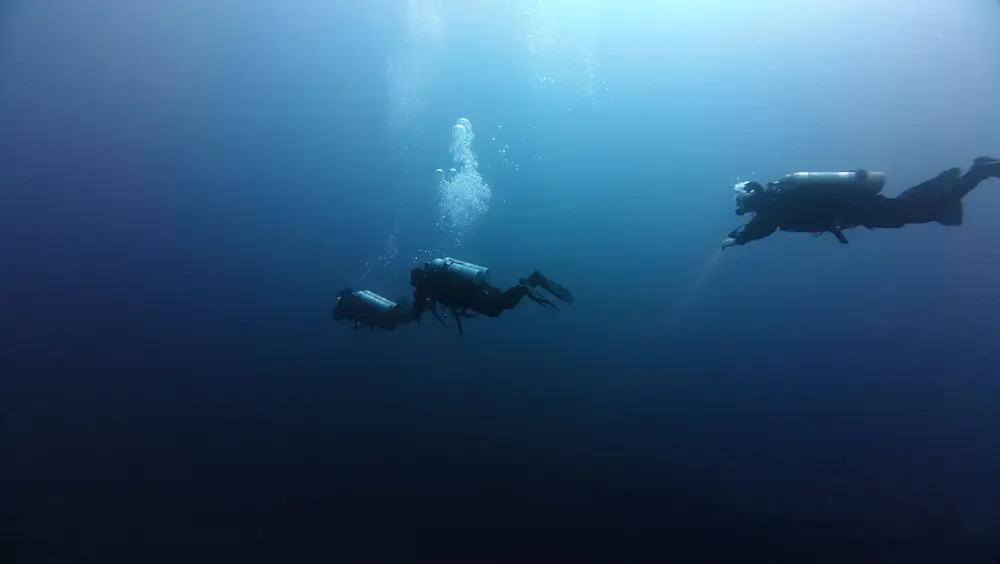
07 Coral garden at Embudu offers year-round diving in the Maldives with healthy coral systems and diverse marine life.
 08
08 Dhigu Thila is a productive thila dive in Kaafu Atoll offering reliable diving year-round with diverse marine life and 12 documented species observations.
The Maldives divides into two monsoon seasons. The northeast monsoon (November–April) brings the calmest seas and best visibility in the northern and central atolls. The southwest monsoon (May–October) pushes nutrient-rich water through the channels — this is peak season for whale sharks and manta rays on the western sides of atolls. Water temperature stays between 26–31 °C year-round, so there is no bad month, only a question of which animals and which atolls you prioritise.
Yes, selectively. Sites like Fesdhoo, Bodu Gaa, and Ramfaru Tulu are genuinely beginner-friendly — shallow, calm, and rich in reef life. The advanced sites involve strong, unpredictable currents and are unsuitable for newly certified divers. Most liveaboards and dive centres split their daily programme by level, so beginners and advanced divers can travel together without compromise.
The recorded marine life at Maldivian sites includes manta ray, whale shark, scalloped hammerhead, tiger shark, blacktip reef shark, green sea turtle, great barracuda, honeycomb moray, and common octopus. Macro life is present but the Maldives is primarily a big-animal destination — the channel dives and open-water columns are where the standout encounters happen.
Do I need a liveaboard to dive the best sites? Not necessarily. Ari Atoll sites like Fish Head and Kuda Rah Thila are reachable by day boat from several resort islands. Fuvahmulah requires a domestic flight and is best accessed from its own dive operators.
What certification do I need for the advanced sites? Advanced Open Water is the standard entry point, but experience with current diving matters more than the card. Kandooma Thila and Tiger Zoo are regularly dived by divers with 50+ logged dives.
Is visibility really 30 m? At the sites listed with 30 m visibility, yes — during the right season and tidal window. Visibility can drop during plankton blooms, which are also what attract whale sharks, so it is a trade-off.
Are whale sharks present year-round? Sightings occur throughout the year, but the south and west atolls see higher frequency from May to October when upwellings concentrate their food source.
≈ 42 m · The seabed
Thousands more dive sites are waiting in the blue — pick your next descent.