 01
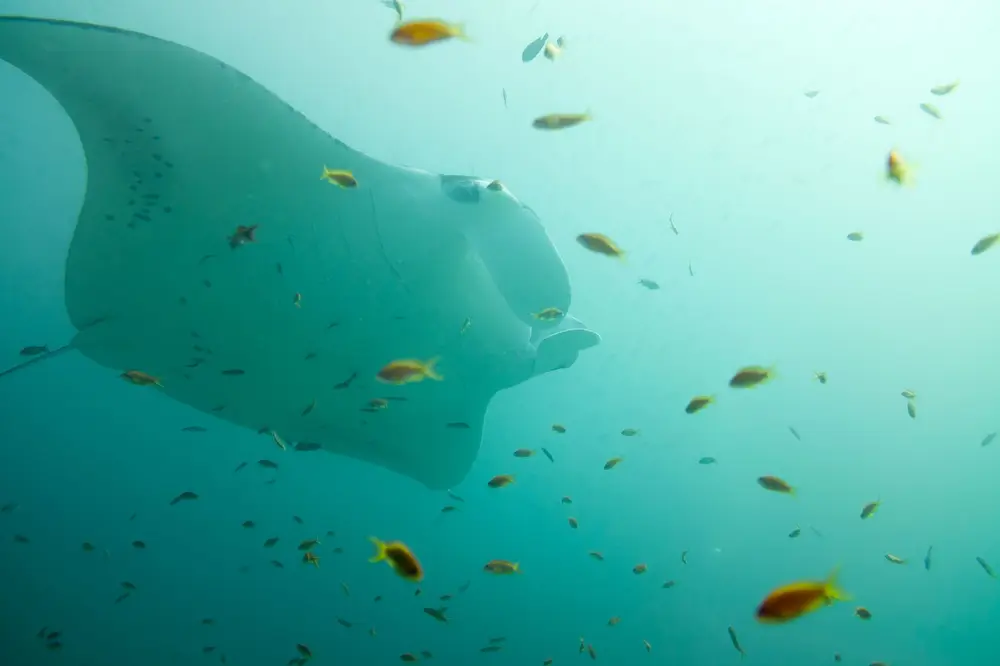
01 Emmadi Giri (Manta Point)
Emmadi Giri is a celebrated manta ray hotspot in the Maldives, drawing divers year-round for consistent encounters with these graceful giants.
intermediate
Explore this site → 

Beginner guide
Warm 26–31 °C water, 25–30 m visibility, and year-round conditions make the Maldives a strong choice for new divers. Here's where to start.
The Maldives has 156 published dive sites, and while many carry intermediate or advanced ratings due to strong kandu (channel) currents, a solid handful are genuinely accessible to new divers. Water temperature sits between 26 and 31 °C year-round, visibility regularly reaches 25–30 m, and there is no bad season — which means a beginner can book almost any month and expect good conditions.
The reefs, walls and wrecks worth the trip — each with real conditions, seasons and marine life.
01 Emmadi Giri is a celebrated manta ray hotspot in the Maldives, drawing divers year-round for consistent encounters with these graceful giants.
 02
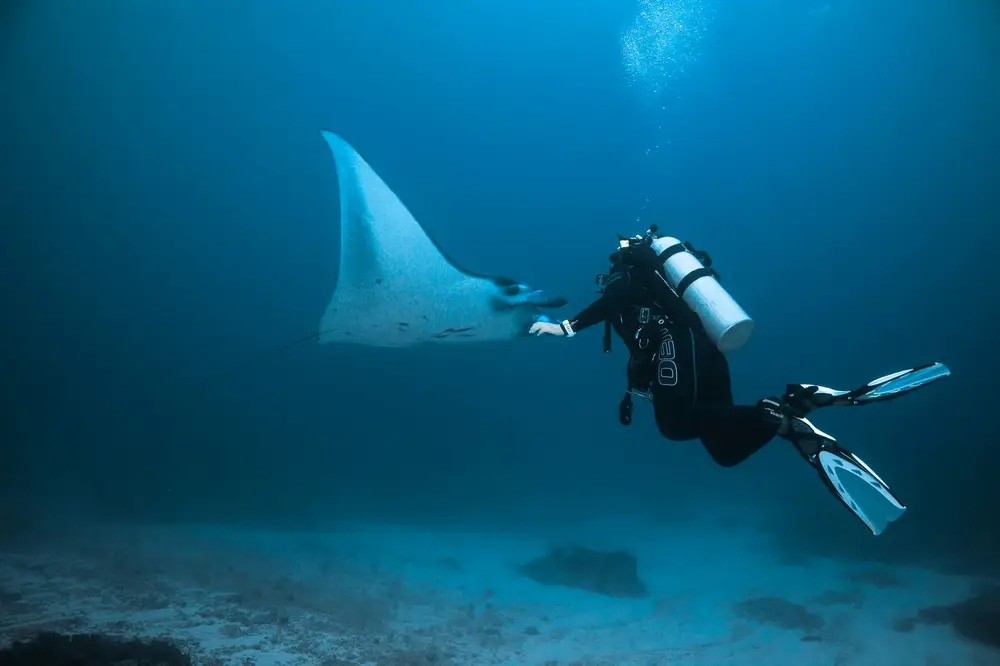
02 Rangali Manta Point is a year-round manta ray destination in the Maldives where seasonal currents attract these graceful giants for reliable encounters.
 03
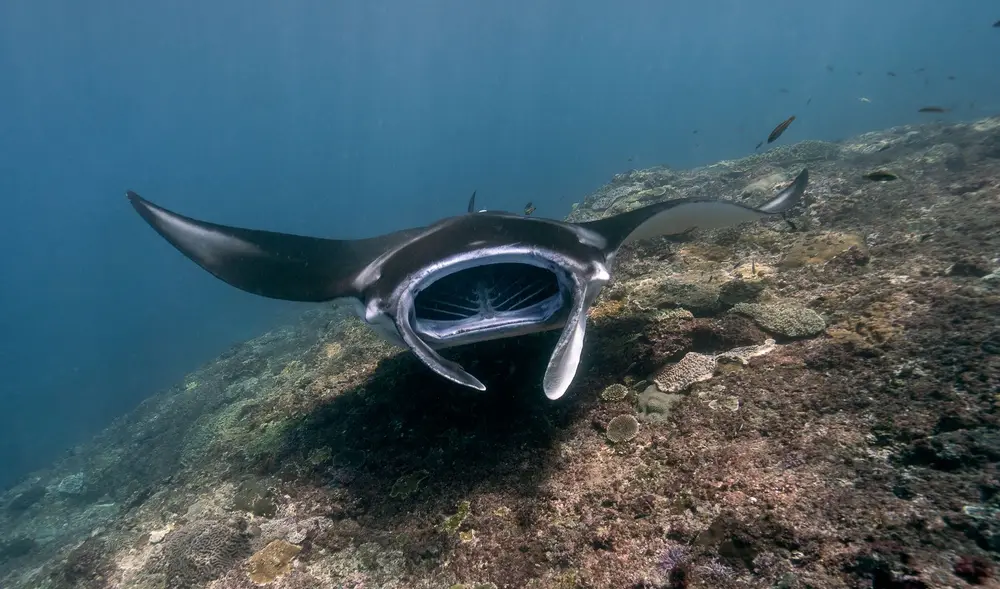
03 Intermediate manta ray dives at North Malé's Lankan Reef. Year-round diving in 8–25m depth.
 04
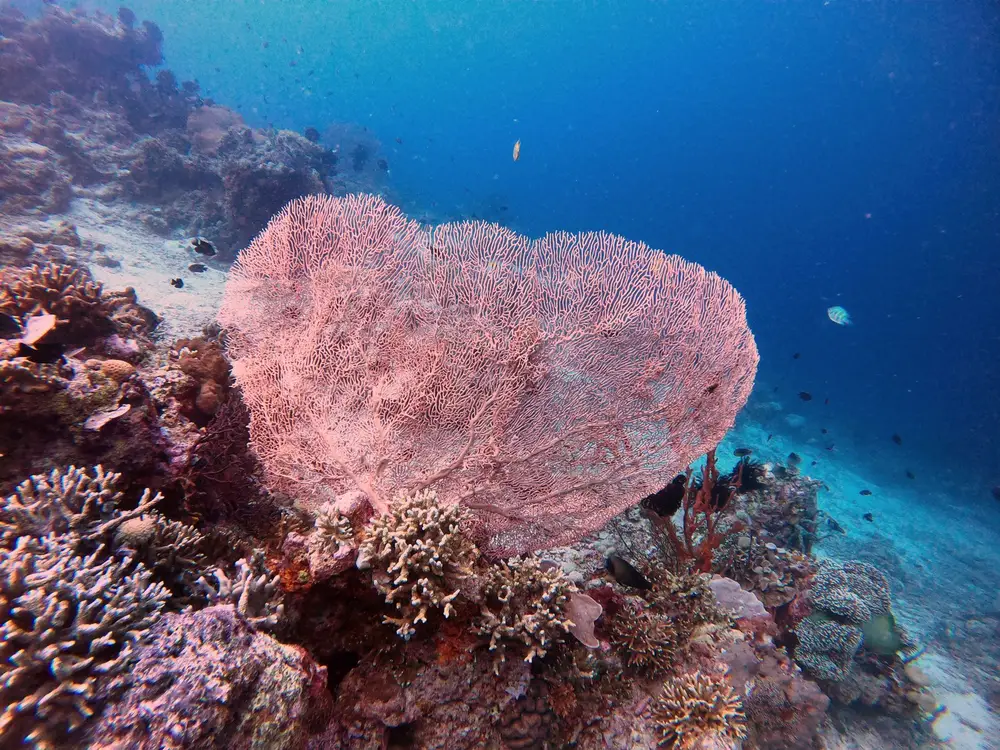
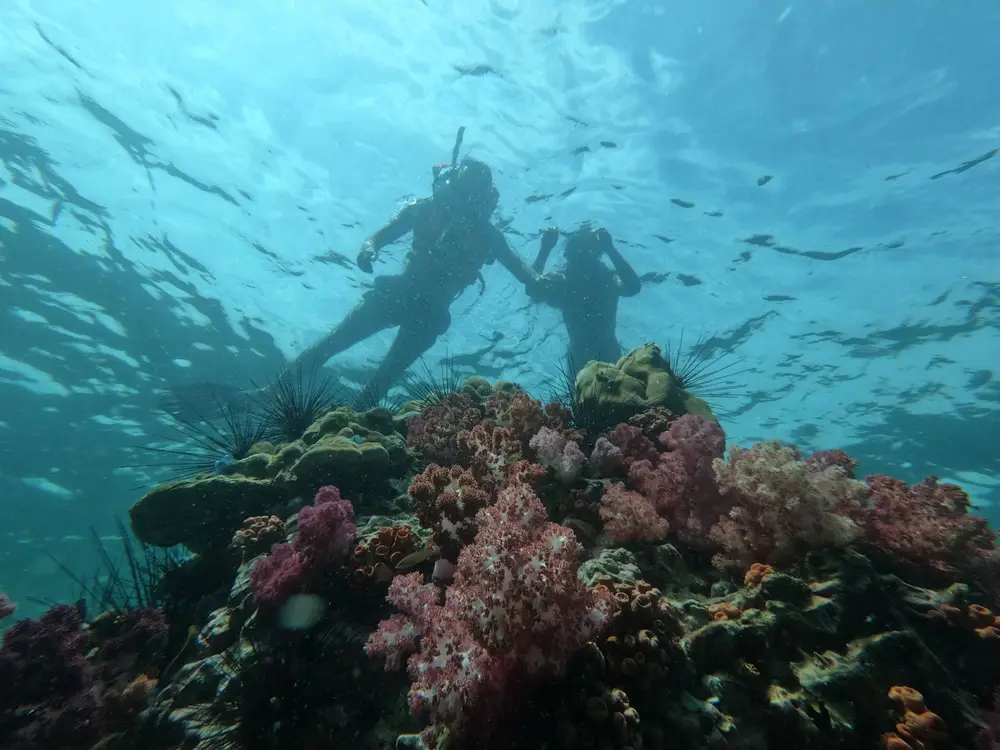
04 Black Coral Faru is a year-round Maldivian dive site with 12 documented species and coral bleaching watch status.
 05
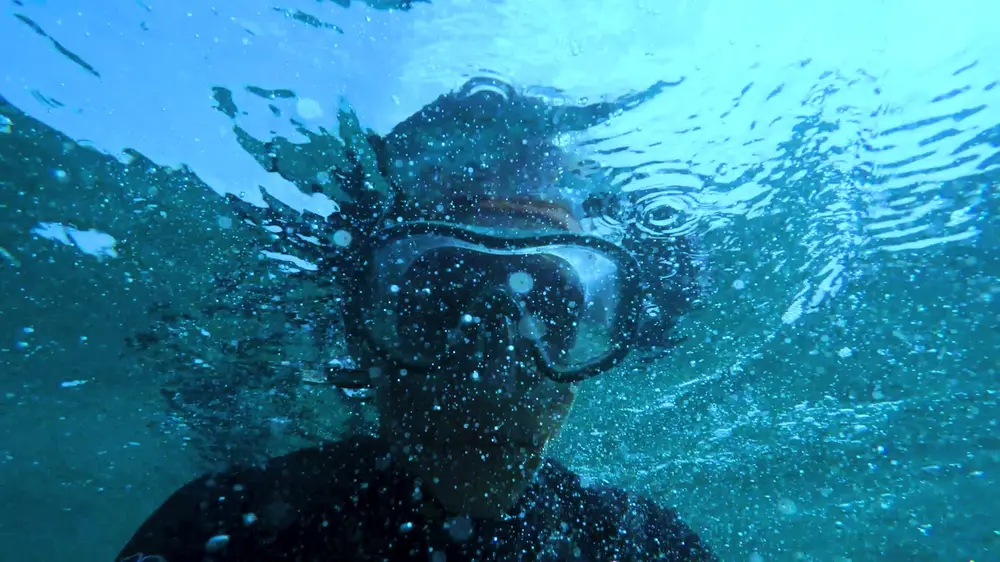
05 Bolifushi in Kaafu Atoll offers year-round diving in the Maldives with documented marine life and accessible reef access.
 06
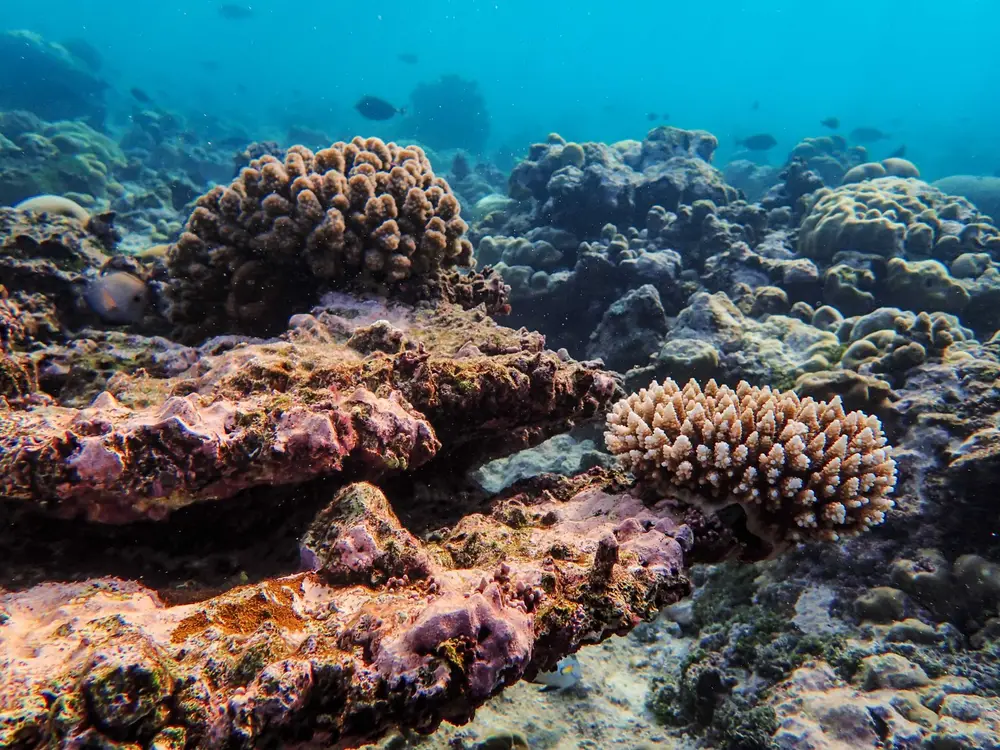
06 Bungalow 78 exit is a year-round dive site near Embudu island in the Maldives, known for consistent access and diverse marine life.
 07
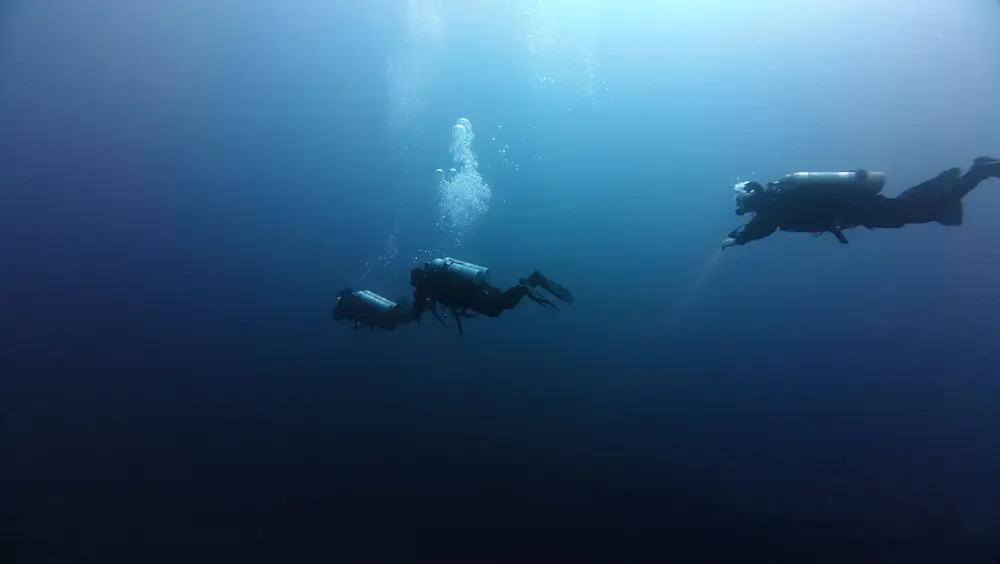
07 Coral garden at Embudu offers year-round diving in the Maldives with healthy coral systems and diverse marine life.
 08
08 Dhigu Thila is a productive thila dive in Kaafu Atoll offering reliable diving year-round with diverse marine life and 12 documented species observations.
If you have a few dives logged and want to push slightly further, Rannalhi Kuda Giri and Maaya Thila are rated intermediate but are frequently dived with a guide when conditions are calm.
The Maldives is genuinely diveable year-round. Water temperature never drops below 26 °C, so there is no cold-season penalty. The northeast monsoon (November–April) tends to bring calmer seas and better visibility on the eastern atolls; the southwest monsoon (May–October) shifts cleaner water to the western side. Manta rays are present throughout the year, and whale sharks are most reliably seen around South Ari Atoll year-round.
Yes, with caveats. The beginner-rated sites — Fesdhoo, Bodu Gaa, Ramfaru Tulu — are genuinely low-stress. The challenge is that a large proportion of the 156 sites involve channel dives with unpredictable current, which are not suitable until you have experience reading water. Book with a dive centre that will honestly assess conditions on the day rather than one that runs fixed schedules regardless of current strength.
Even on beginner sites, the marine life list here is serious. Manta rays, whale sharks, green sea turtles, and blacktip reef sharks are regularly recorded across the atolls. Scalloped hammerheads and tiger sharks appear at specific sites (Fuvahmulah is the standout for tigers, though that site is advanced). On any reef dive expect great barracuda, honeycomb moray eels, and common octopus. The visibility — typically 25–30 m — means you will actually see what is out there.
Do I need a certification to dive in the Maldives? Yes. Most dive operators require at least an Open Water certification for independent reef dives. Many resorts offer try-dive experiences in confined water for complete beginners.
Are there strong currents at beginner sites? The three beginner-rated sites (Fesdhoo, Bodu Gaa, Ramfaru Tulu) are chosen specifically because they are more sheltered. Currents can still vary — always check with your guide on the day.
What water temperature should I expect? Between 26 and 31 °C. A 3 mm wetsuit is comfortable for most divers; some people dive in a skin suit in the warmer months.
Can beginners see whale sharks or manta rays? Possibly. Manta rays are spotted at sites across skill levels, and whale shark encounters sometimes happen at shallower, calmer locations. Neither is guaranteed, but the Maldives is one of the more reliable places on the planet for both.
≈ 42 m · The seabed
Thousands more dive sites are waiting in the blue — pick your next descent.