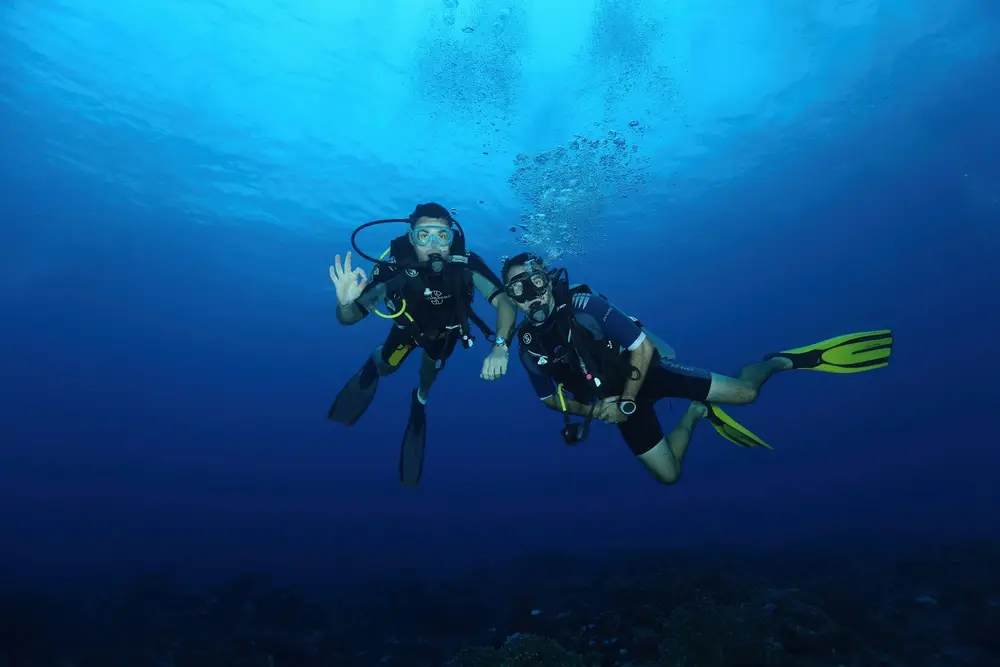
 01
01 Baron Gautsch
Baron Gautsch is a legendary wreck dive in Croatian waters, offering year-round access to a fully submerged historical vessel.
⇩0–2840 m intermediate
Explore this site → 

Cave-diving guide
Croatia's Adriatic caves offer 15–20 m visibility, 9–26 °C water, and year-round access. Best for intermediate to advanced divers.
Croatia's Adriatic coastline hides some of the Mediterranean's most accessible cave and cavern diving, with sites ranging from shallow beginner grottos to deep technical passages. Across 68 published dive sites, visibility regularly hits 15–20 m, and the water stays diveable year-round — cold in winter (down to 9 °C) but crystal clear, warm and busy in summer (up to 26 °C). Whether you want your first cavern experience or a serious penetration dive, the Croatian coast delivers.
The reefs, walls and wrecks worth the trip — each with real conditions, seasons and marine life.
01 Baron Gautsch is a legendary wreck dive in Croatian waters, offering year-round access to a fully submerged historical vessel.
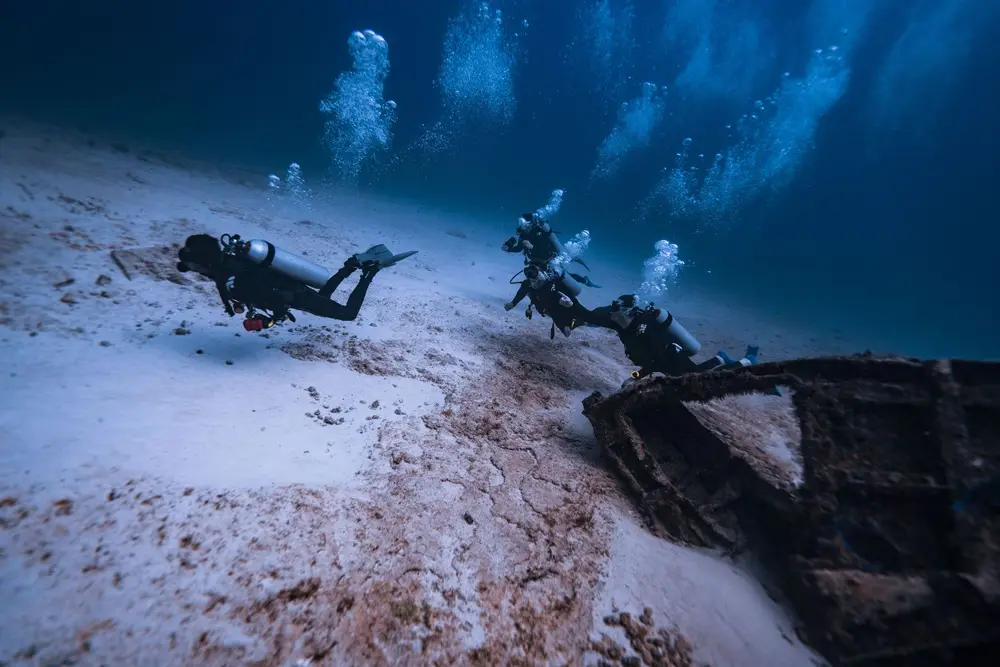 02
02 Bucht Bobina wreck dive in Croatia offers year-round exploration of a submerged vessel with documented marine life encounters.
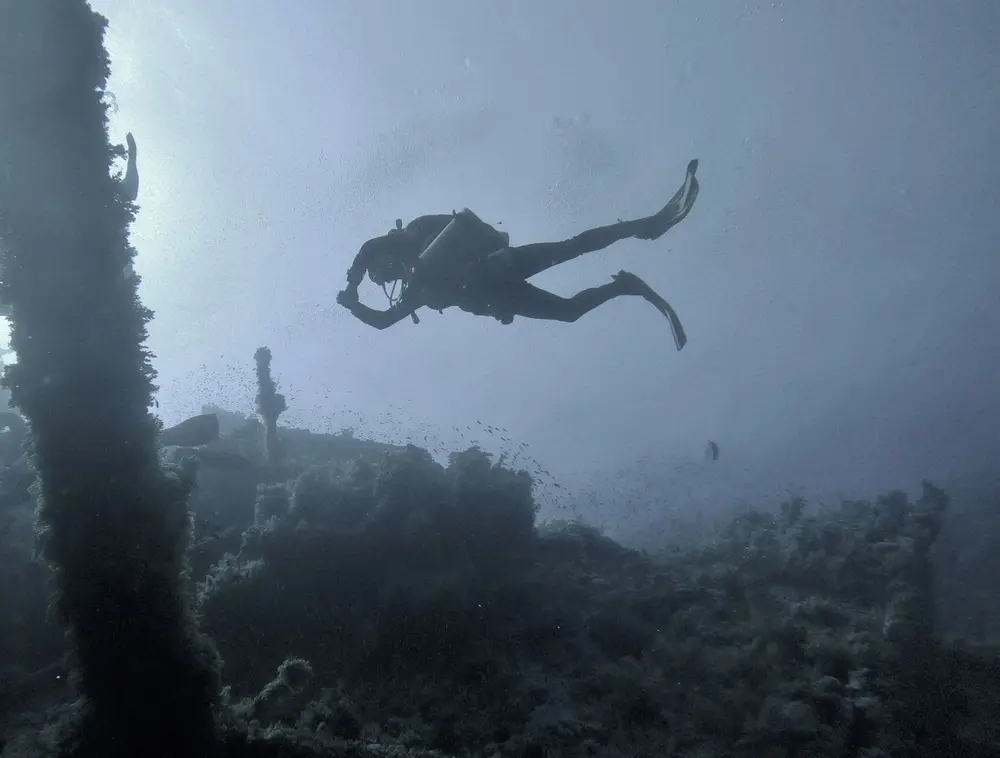 03
03 Wreck dive in Croatian waters offering year-round exploration of submerged structures and marine life.
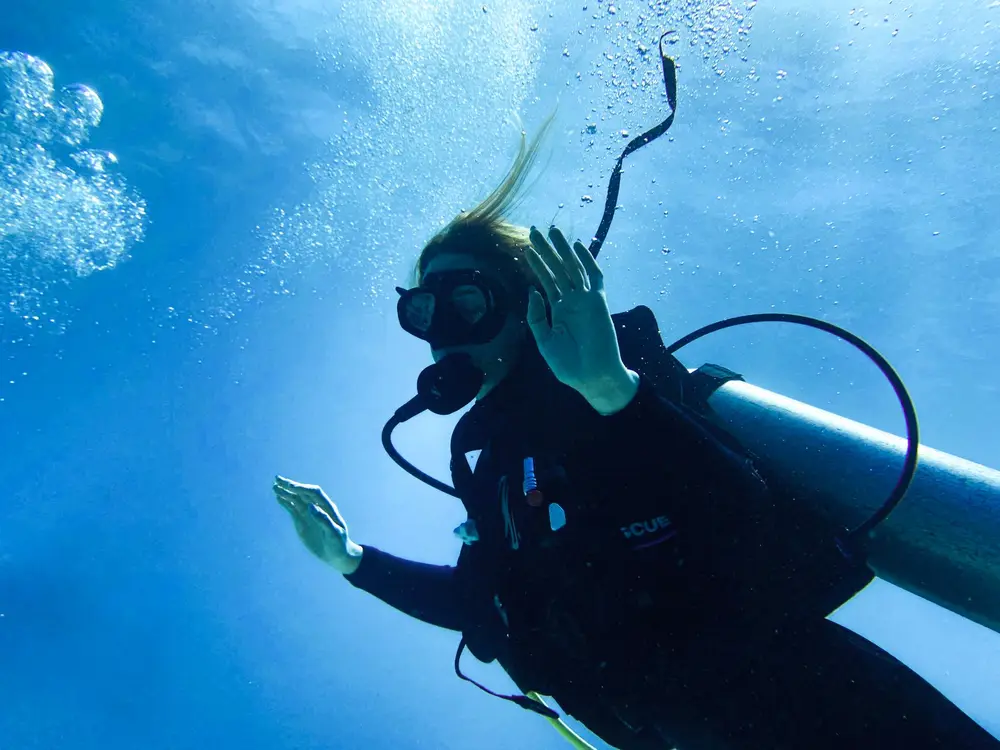 04
04 Dive Krk Island year-round in Croatia's Adriatic. Explore a accessible site with active community observations and video documentation.
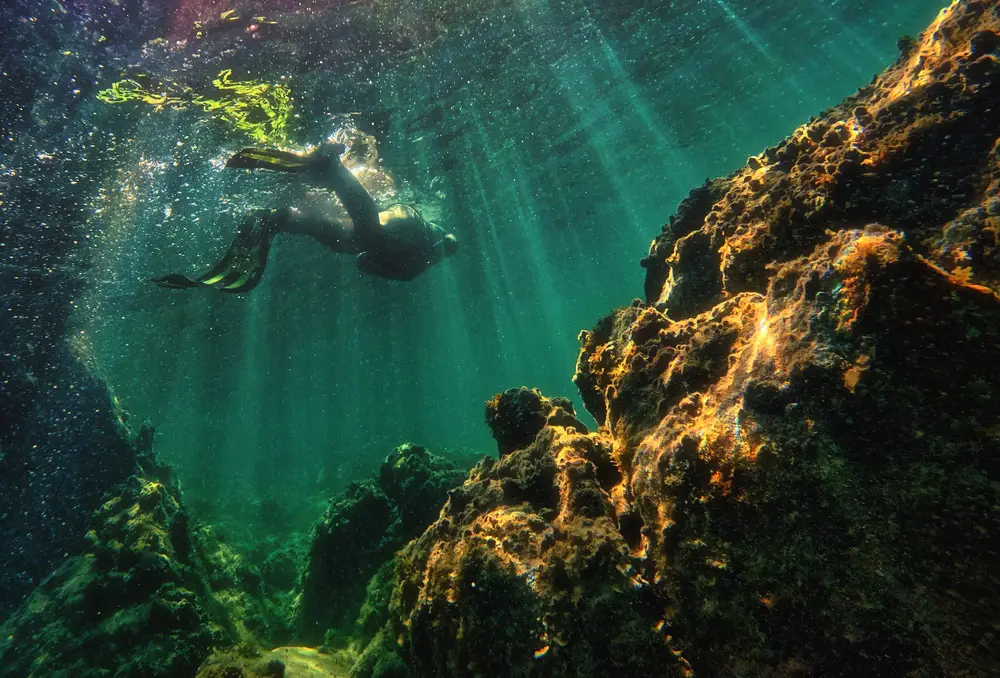 05
05 Cutin is a year-round Croatian dive site with documented marine life and accessible conditions for explorers of all levels.
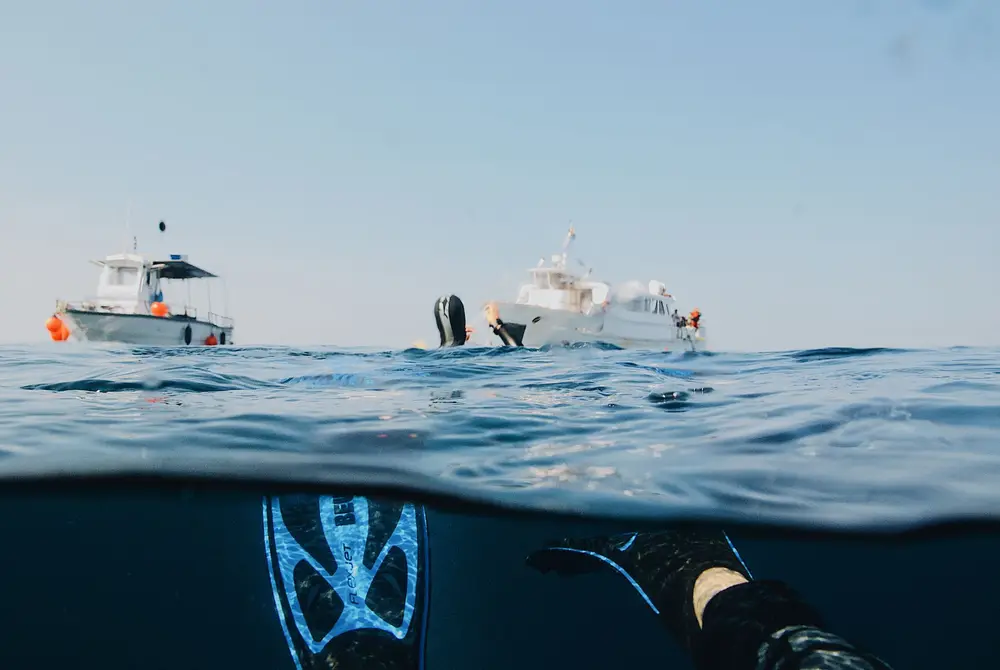 06
06 Year-round diving at Dive Loft Krk, Croatia's accessible Adriatic site with documented marine life and community content.
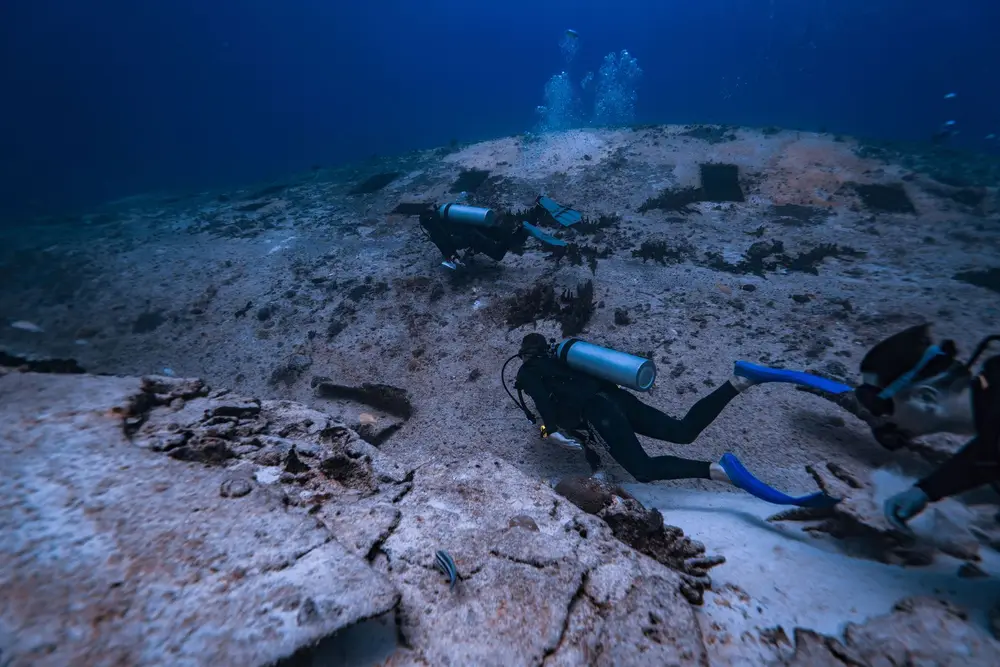 07
07 El Hawi Star Wrack is an expert-level wreck dive off Croatia's coast, accessible year-round with documented marine life observations.
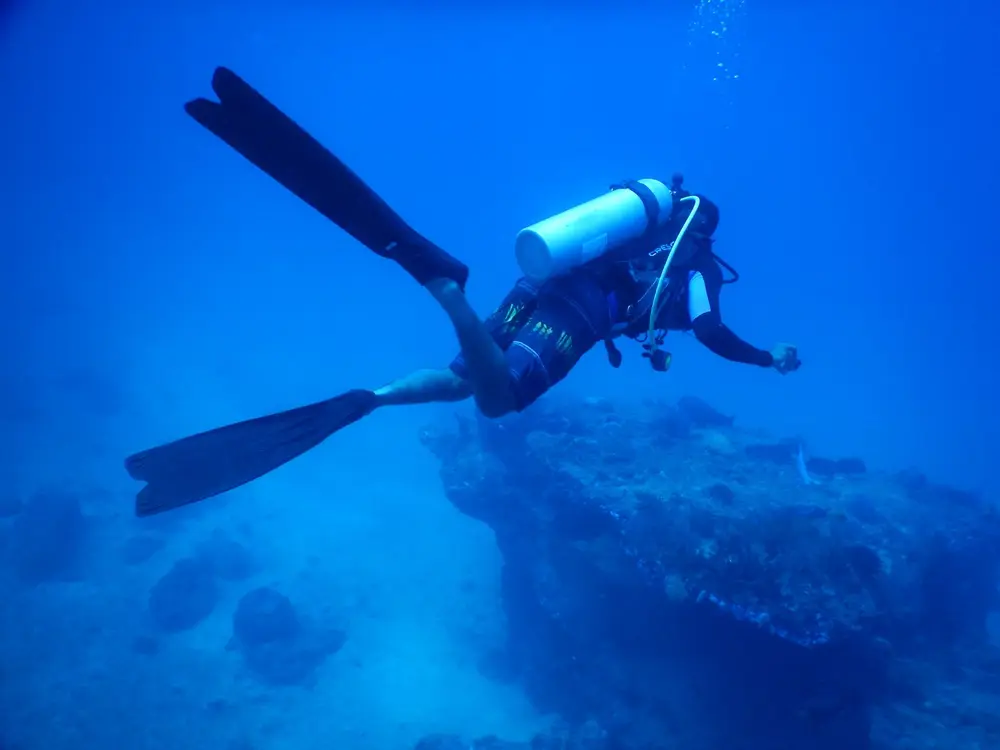 08
08 Fels Macinj is a year-round Croatian dive site with documented marine life observations and no marine protection restrictions.
Croatia is diveable year-round. Summer (June–September) brings 22–26 °C surface water, the most boat traffic, and the best logistical ease — dive centres are fully staffed and boats run daily. Spring and autumn offer calmer seas and slightly fewer crowds, with water temperatures in the 14–18 °C range. Winter drops to 9 °C below the thermocline; dry suits are standard, but visibility is often at its peak and the caves are yours almost alone.
Yes, with caveats. Sites like Katedrala and Medova Buža are genuine beginner cavern dives — natural light is always visible and penetration is shallow. For anything involving full overhead environments or wreck penetration, a formal cave or wreck speciality certification is expected by reputable local operators.
Inside and around Croatia's cave systems, common octopus are the most reliably spotted residents — they tuck into every crack and crevice in the rock. Out in open water between sites, bottlenose dolphins appear regularly, particularly around the Kornati archipelago.
Do I need a cave certification to dive Croatia's caverns? For cavern dives where natural light is always visible, an Open Water certification with a cavern dive briefing is usually sufficient. Full cave penetration requires a recognised cave diving certification.
What wetsuit thickness should I bring? A 5 mm wetsuit covers summer diving comfortably. A 7 mm or a dry suit is the practical choice from October through April.
Are there dive centres near the cave sites? Yes — operators based in Šibenik, Hvar, and Vis all run guided trips to the named sites above.
Is the Baron Gautsch safe to penetrate? Only for advanced and technical divers with overhead environment training. The depth (28–40 m) and confined interior make it unsuitable for recreational divers without specific wreck penetration experience.
≈ 42 m · The seabed
Thousands more dive sites are waiting in the blue — pick your next descent.