 01
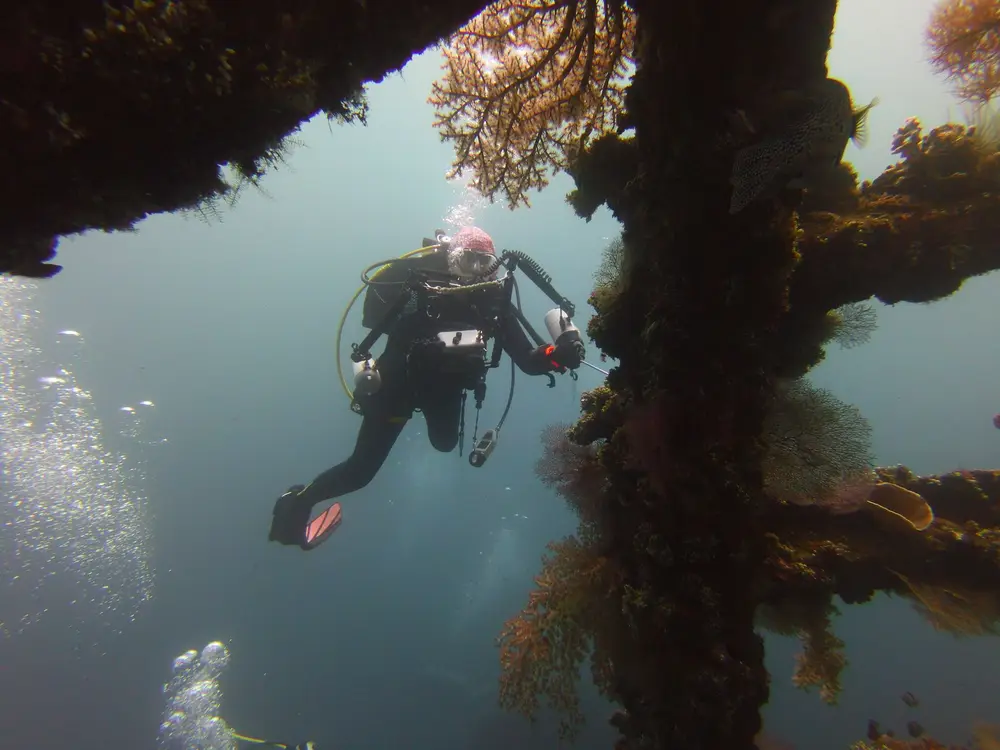
01 Richelieu Rock
Richelieu Rock is a renowned pinnacle dive site in Thailand's Andaman Sea, known for strong currents and abundant marine life.
advanced
Explore this site → 

Cave-diving guide
Thailand's 73 dive sites range from beginner reefs to advanced walls. Year-round warm water, whale sharks, and dramatic pinnacles reward every level.
Thailand is not a cave diving destination in the strict speleological sense — its 73 published dive sites are dominated by open-water pinnacles, reef walls, and seamounts rather than submerged cave systems. That said, divers chasing dramatic underwater topography, low-light swim-throughs, and the kind of depth that demands respect will find plenty to work with, particularly at the advanced sites in the Andaman Sea.
The reefs, walls and wrecks worth the trip — each with real conditions, seasons and marine life.
01 Richelieu Rock is a renowned pinnacle dive site in Thailand's Andaman Sea, known for strong currents and abundant marine life.
 02
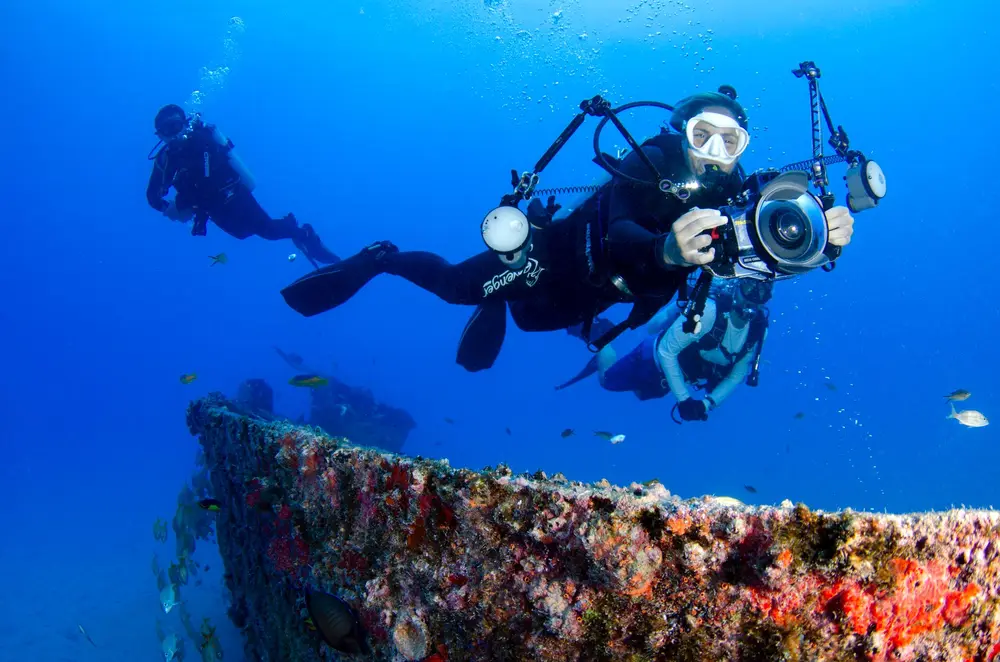
02 Big Blue offers year-round diving in Thailand's Khlong Bang La On waterway, with healthy coral and consistent marine life sightings.
 03
03 Blueberry Hill is a year-round Thailand dive site with 11 documented species and 3 community videos. Currently under coral bleaching warning.
 04
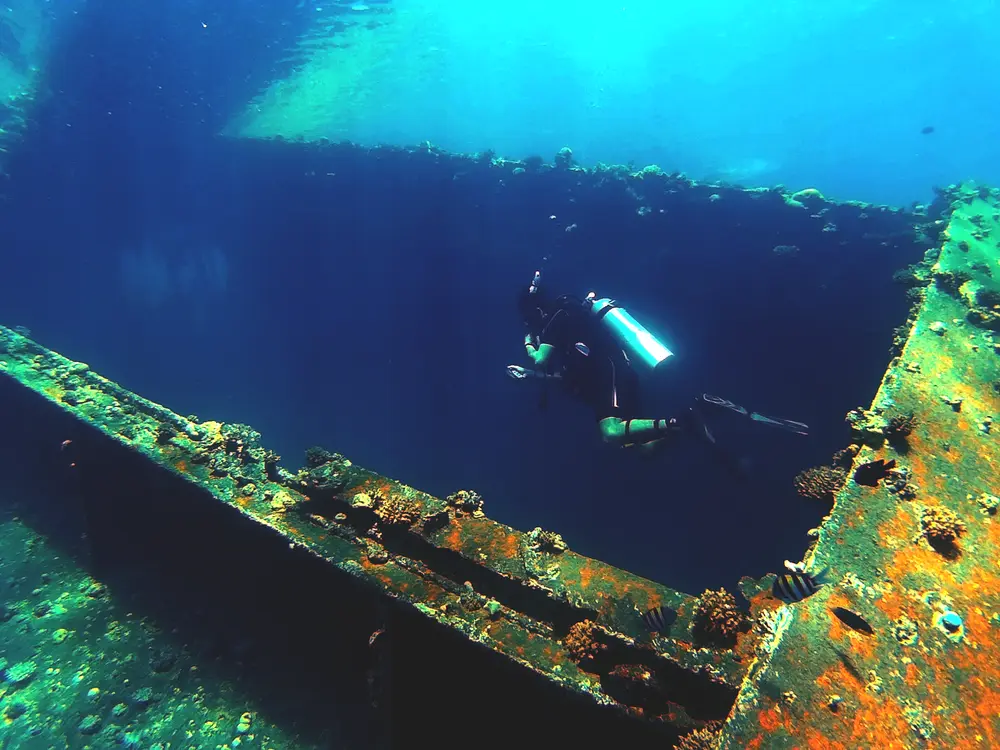
04 Boonsung Wreck is a year-round Thailand dive site with 12 documented species observations and active community video content.
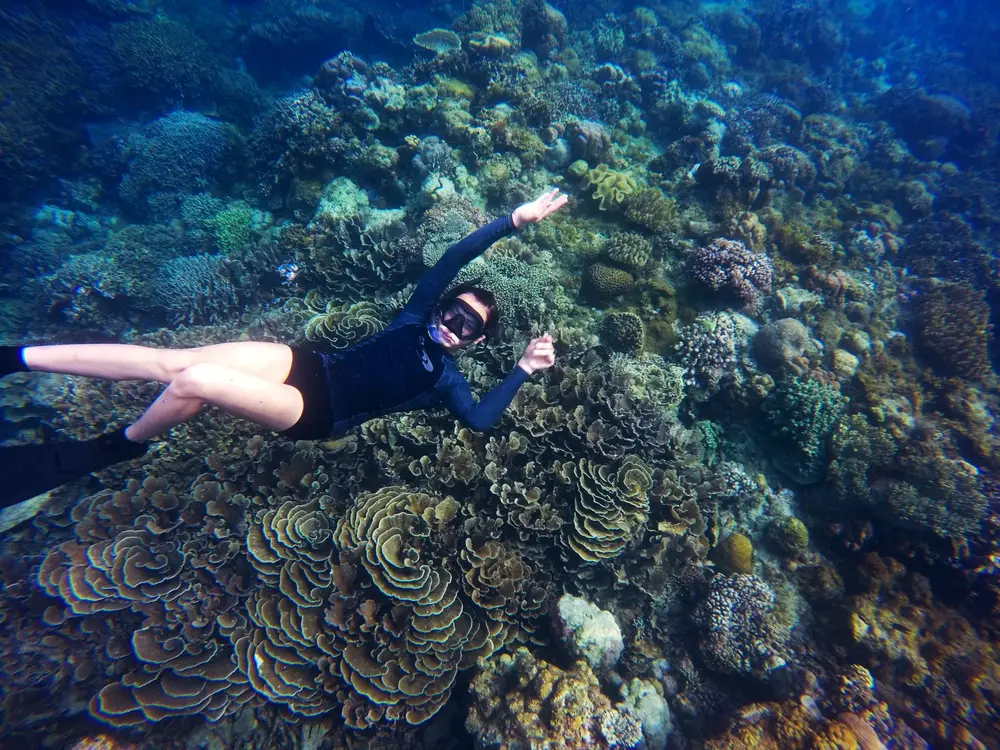 05
05 Ko Wai offers year-round diving with accessible reefs and diverse marine life. Monitor coral health before booking.
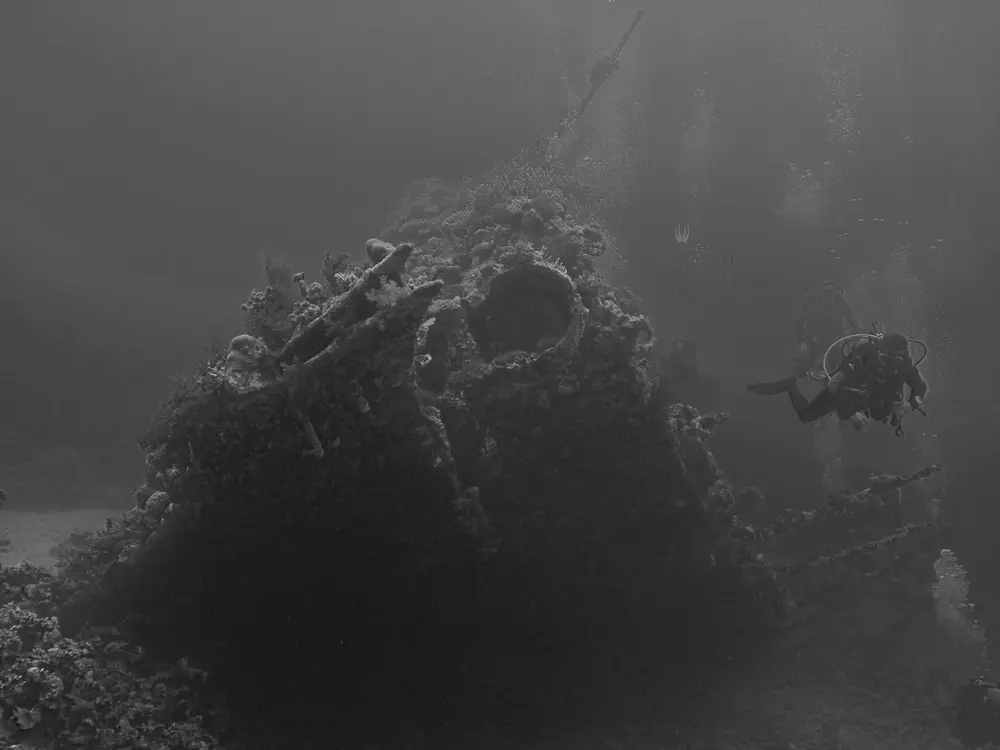 06
06 HTMS Chang is a Thai naval wreck offering year-round diving with documented marine life and accessible conditions for most divers.
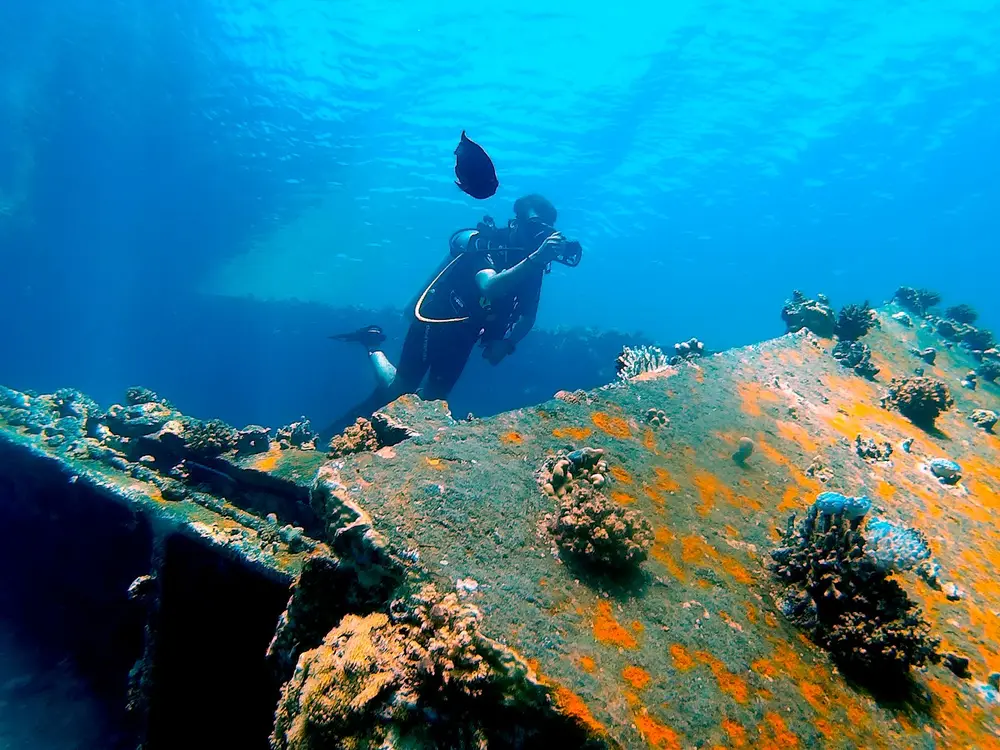 07
07 HTMS Khram is a decommissioned US landing ship wreck in Thailand, offering year-round diving on a historic military vessel with diverse marine life.
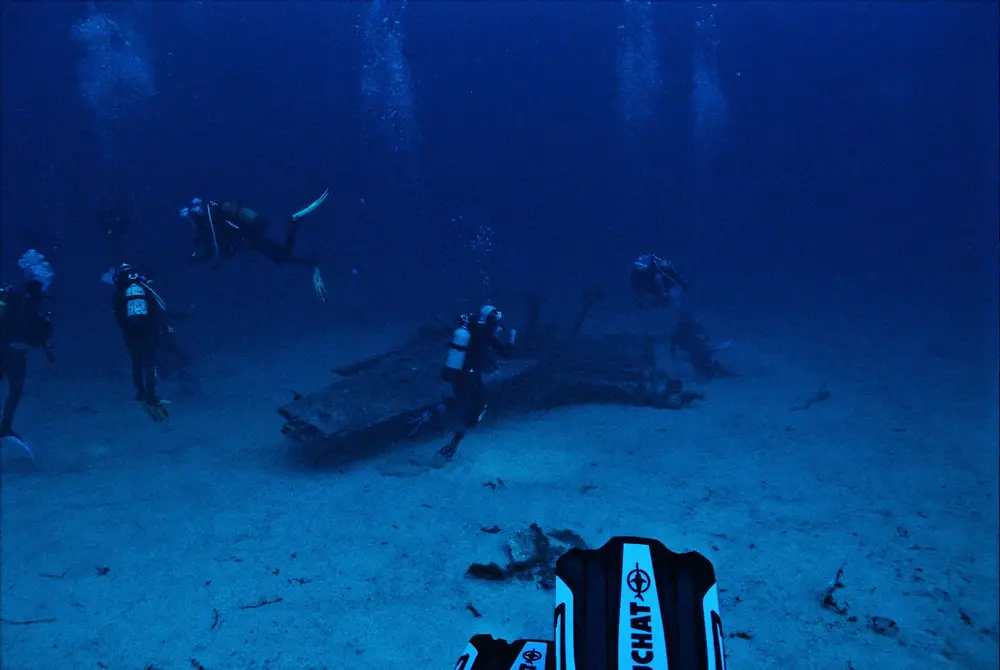 08
08 HTMS Kut is a wreck dive in Thailand accessible year-round, with 12 recorded species observations and growing community video content.
Water temperature holds between 26 °C and 30 °C year-round, so thermal comfort is never a limiting factor. The Andaman Sea sites (Hin Daeng, Hin Muang) are best accessed November through April when seas are calm. Gulf of Thailand sites like Sail Rock and Chumpon Pinnacle are more accessible May through October. Whale shark sightings at the southern Andaman sites peak roughly February to April.
Yes, for open-water diving. Sites like The Elephants, Big Blue, and Suthep Bay offer shallow, calm conditions. Cave or cavern diving as a specialty requires additional certification regardless of location — no commercial cave diving infrastructure exists at Thailand's published sites.
Whale sharks appear at the southern Andaman pinnacles, particularly Hin Daeng and Hin Muang. Blacktip reef sharks are reliable at Sail Rock. Expect anemonefish, large pelagics, and dense reef fish populations across most sites.
Is there true cave diving in Thailand? Not at the 73 published marine sites. Sail Rock's chimney and Ko Dok Mai's crevices offer confined-space experiences, but certified cave diving requires specialist training and different sites entirely.
Do I need advanced certification for Hin Daeng? Yes. The depth (to 50 m), current, and remoteness make it unsuitable for Open Water-only divers.
When do whale sharks appear? Most reliably February to April at the southern Andaman sites, though sightings occur outside that window.
What visibility should I expect? From 5 m on a poor day at shallower Gulf sites up to 15–40 m at the Andaman pinnacles in good conditions.
≈ 42 m · The seabed
Thousands more dive sites are waiting in the blue — pick your next descent.