 01
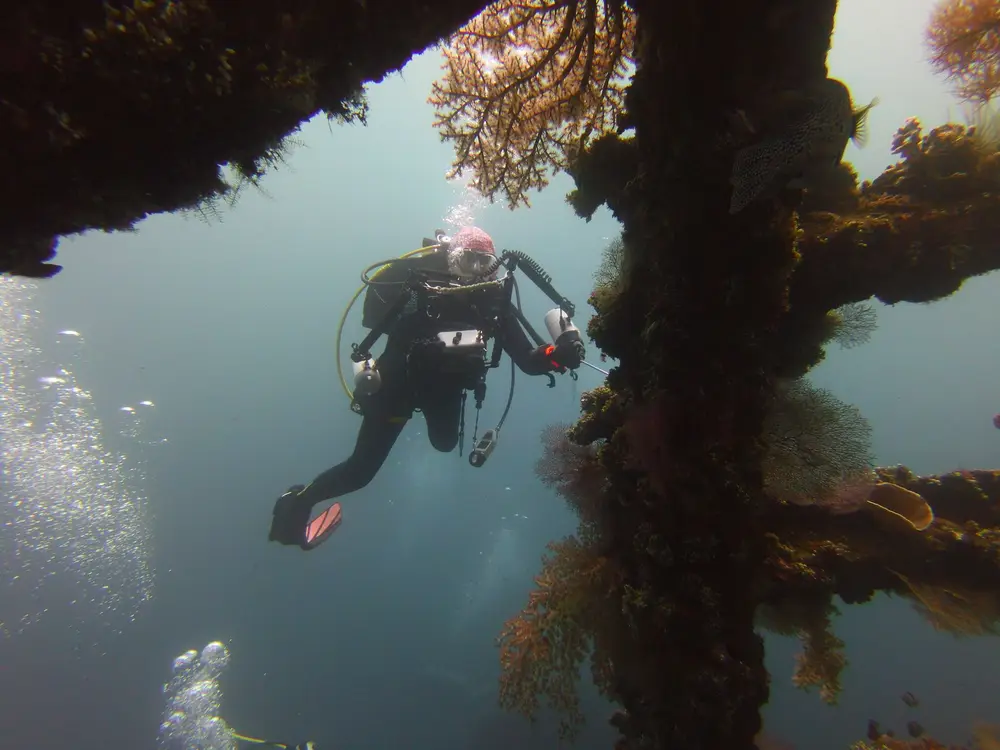
01 Richelieu Rock
Richelieu Rock is a renowned pinnacle dive site in Thailand's Andaman Sea, known for strong currents and abundant marine life.
advanced
Explore this site → 

Beginner guide
Thailand's 73 dive sites suit all levels, with 26–30 °C water year-round, whale sharks, and calm beginner bays.
Thailand has 73 published dive sites spread across the Gulf of Thailand and Andaman Sea, with water temperatures holding between 26 °C and 30 °C every month of the year. That warmth, combined with sites that start at 5 metres depth, makes it one of the most practical places in the world to learn to dive. Beginners have real options here — not just shallow pools, but actual reef dives with marine life.
The reefs, walls and wrecks worth the trip — each with real conditions, seasons and marine life.
01 Richelieu Rock is a renowned pinnacle dive site in Thailand's Andaman Sea, known for strong currents and abundant marine life.
 02
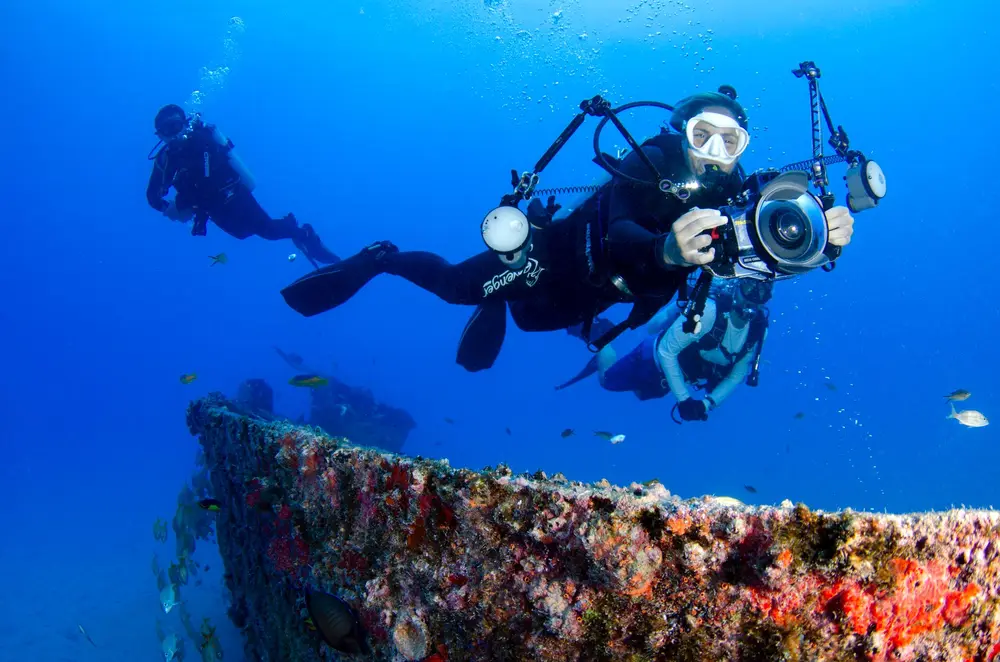
02 Big Blue offers year-round diving in Thailand's Khlong Bang La On waterway, with healthy coral and consistent marine life sightings.
 03
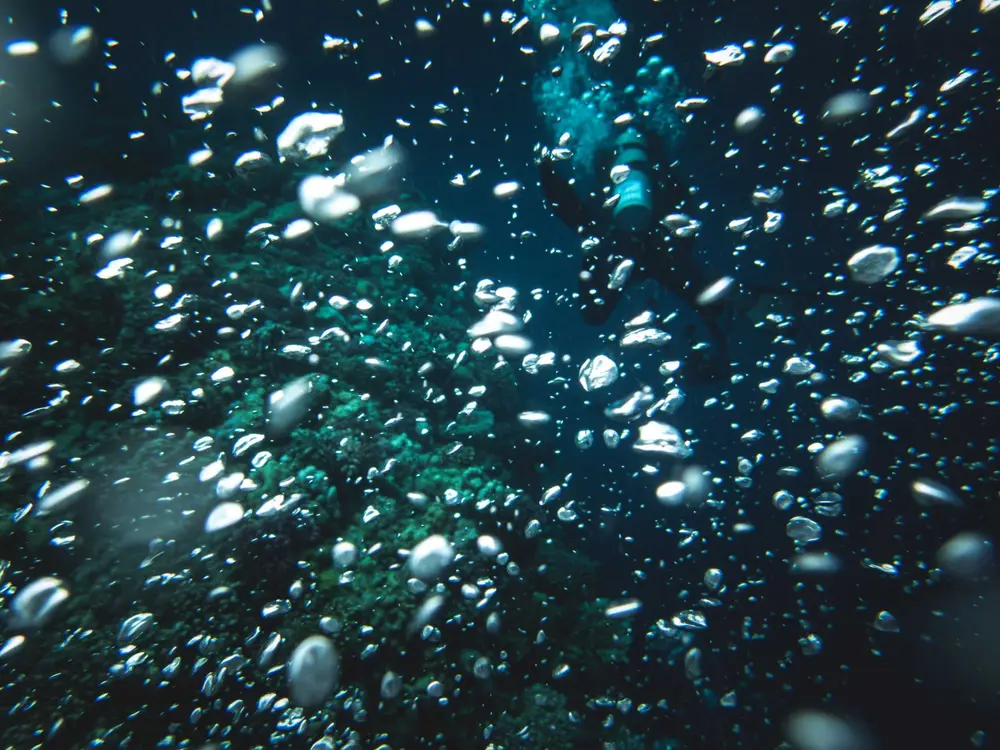
03 Blueberry Hill is a year-round Thailand dive site with 11 documented species and 3 community videos. Currently under coral bleaching warning.
 04
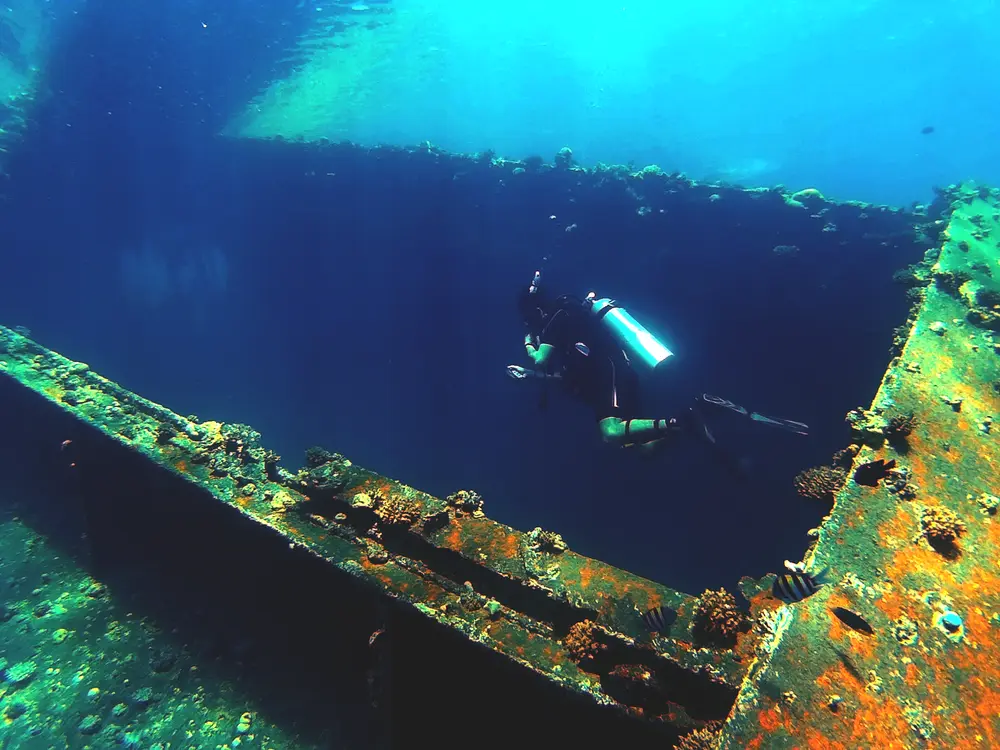
04 Boonsung Wreck is a year-round Thailand dive site with 12 documented species observations and active community video content.
 05
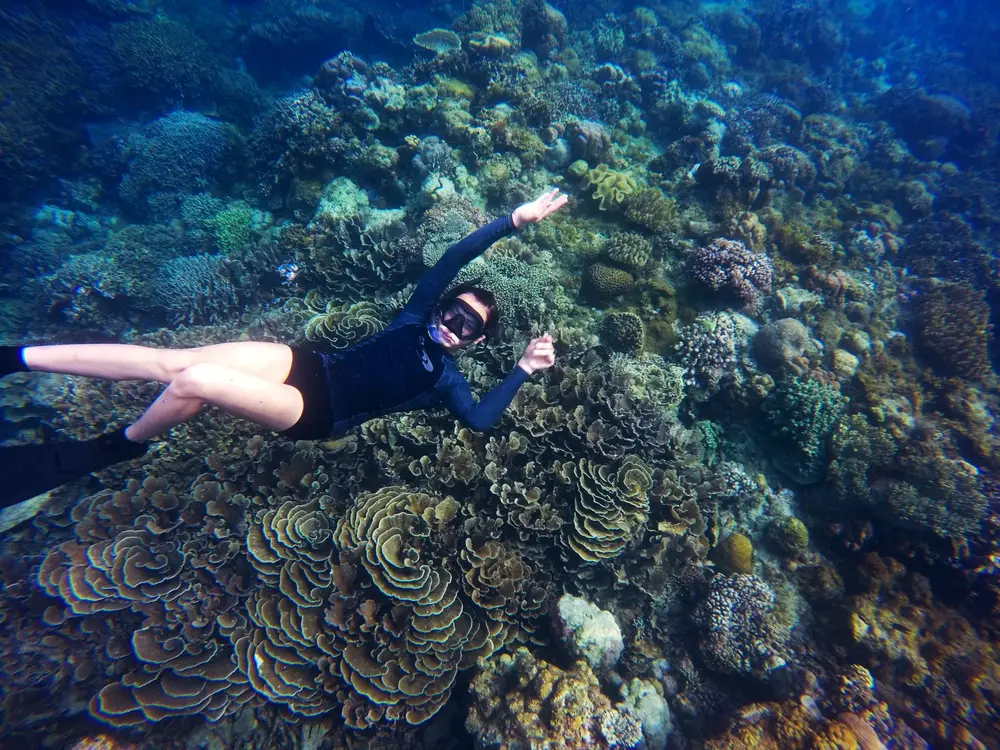
05 Ko Wai offers year-round diving with accessible reefs and diverse marine life. Monitor coral health before booking.
 06
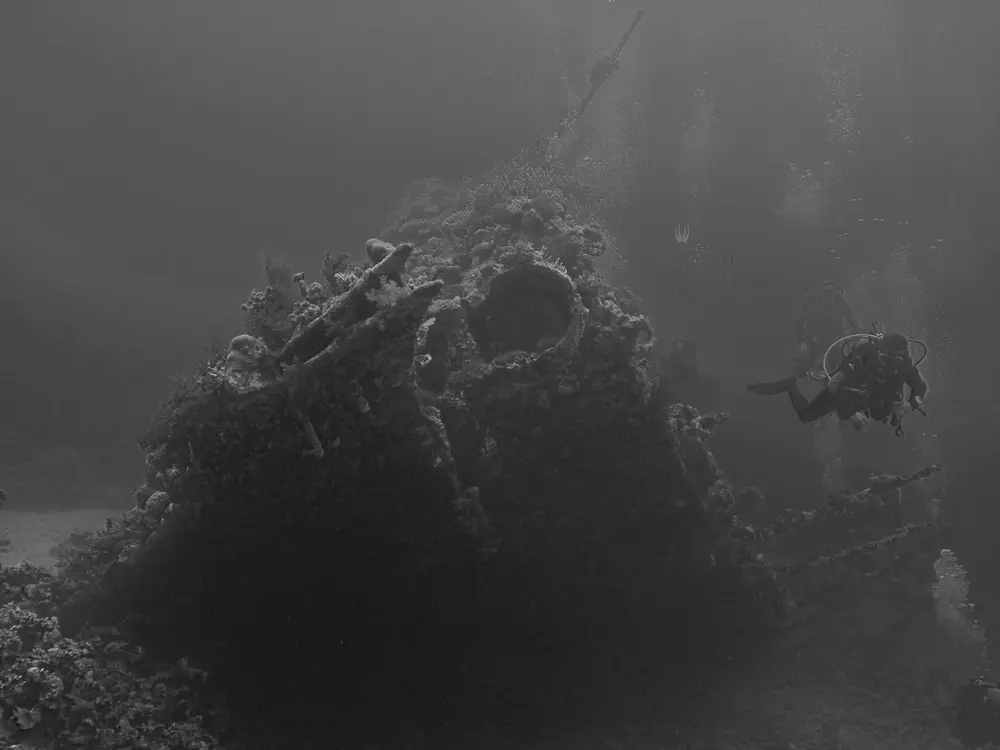
06 HTMS Chang is a Thai naval wreck offering year-round diving with documented marine life and accessible conditions for most divers.
 07
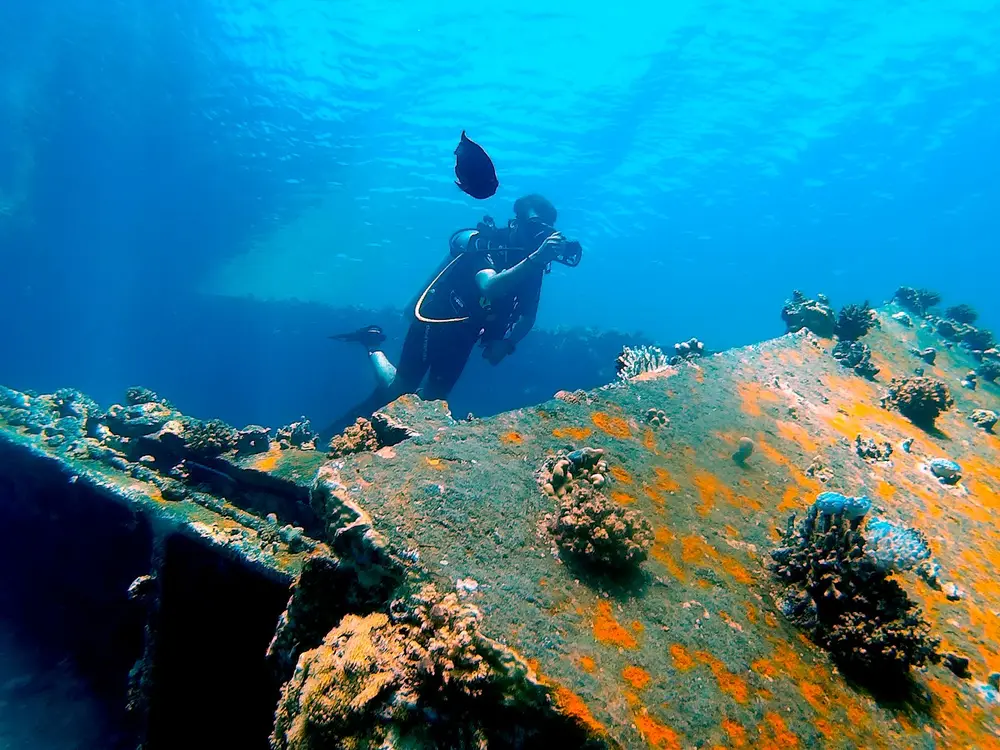
07 HTMS Khram is a decommissioned US landing ship wreck in Thailand, offering year-round diving on a historic military vessel with diverse marine life.
 08
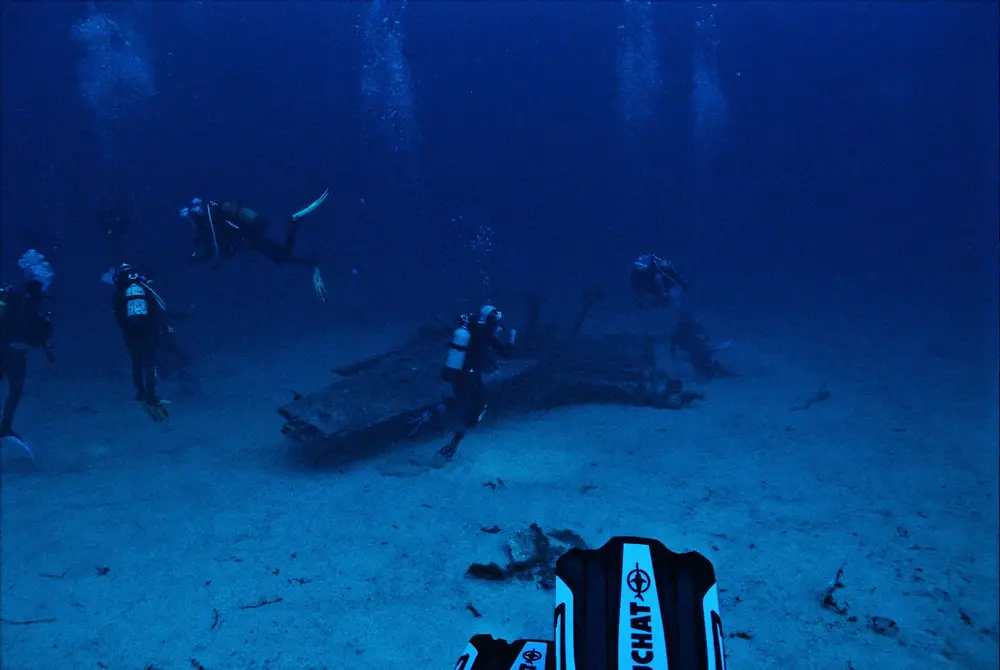
08 HTMS Kut is a wreck dive in Thailand accessible year-round, with 12 recorded species observations and growing community video content.
Thailand is genuinely diveable year-round, with water temperature never dropping below 26 °C. The Andaman coast (Phuket, Krabi) runs best November through April when seas are calm. The Gulf of Thailand side (Koh Tao, Chumpon) peaks May through October. Splitting a trip across both coasts lets you chase good conditions in any season.
Yes. Several sites — The Elephants, Suthep Bay, Big Blue, and หินใบ — are specifically rated for beginner divers. Koh Tao in particular has built an entire industry around entry-level certification, with dozens of dive schools and shallow training reefs. The warm water means no drysuit or thick wetsuit to wrestle with, which removes a significant skill barrier.
Thailand's recorded marine life includes whale sharks — most reliably spotted at Chumpon Pinnacle and Sail Rock during plankton-rich months — and blacktip reef sharks, which appear regularly at intermediate and advanced sites like Anemone Reef. Reef fish, anemones, and hard coral are consistent across most sites.
Do I need a certification to dive in Thailand? For most reef sites, yes. A PADI Open Water or equivalent is the minimum. Some operators offer supervised discover scuba dives at beginner sites without prior certification.
What depth do beginner sites reach in Thailand? Beginner-rated sites typically stay within 12 metres, well inside the open-water certification limit of 18 metres.
Can I see whale sharks as a beginner? Whale sharks appear at Chumpon Pinnacle and Sail Rock, both rated intermediate. You'd need a few dives of experience before most operators take you there.
Is visibility good for beginners learning to navigate? Sail Rock records 5–40 m visibility depending on conditions. Beginner sites vary, but 10–15 m is common in calm seasons — enough to see your buddy and the reef clearly.
≈ 42 m · The seabed
Thousands more dive sites are waiting in the blue — pick your next descent.