 01
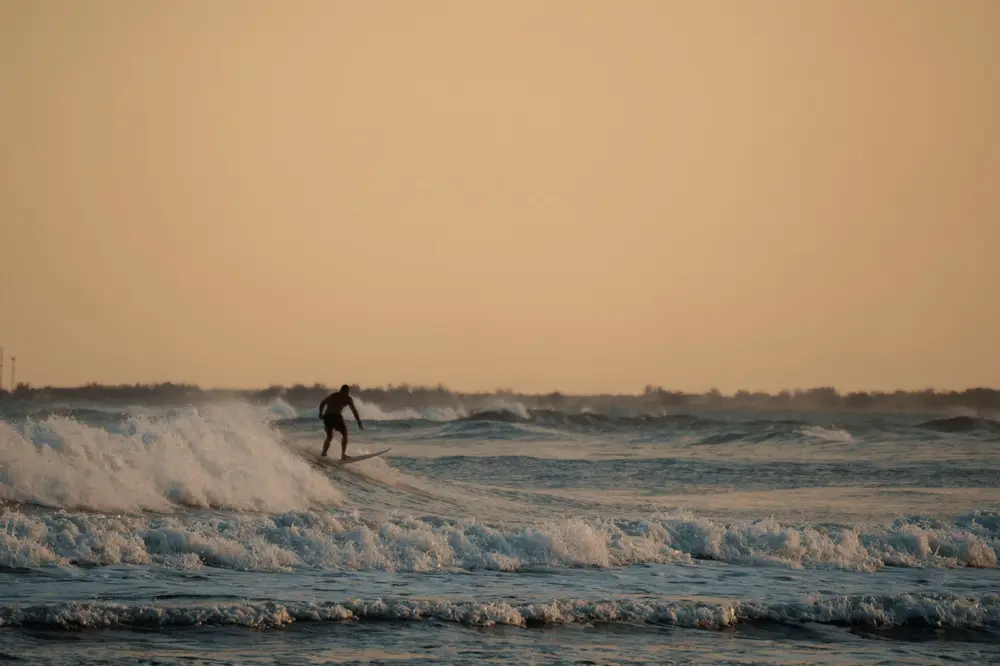
01 Golden Beach
Golden Beach offers year-round surf in Greece with accessible conditions and a rich historical backdrop near a World War II memorial site.
beginner
Explore this site → 

Wreck-diving guide
From a WWII fighter plane to Aegean cave systems, Greece offers year-round diving in 13–26°C water across 19 mapped sites.
Greece isn't the Caribbean, and that's exactly the point. The Aegean and Ionian seas hold centuries of maritime traffic — warships, cargo vessels, aircraft — resting on seabeds that divers can reach without extreme technical training. With 19 mapped sites across islands from Thassos in the north to Crete in the south, and water temperatures that stay diveable year-round, Greece rewards the diver who does their homework.
The reefs, walls and wrecks worth the trip — each with real conditions, seasons and marine life.
01 Golden Beach offers year-round surf in Greece with accessible conditions and a rich historical backdrop near a World War II memorial site.
 02
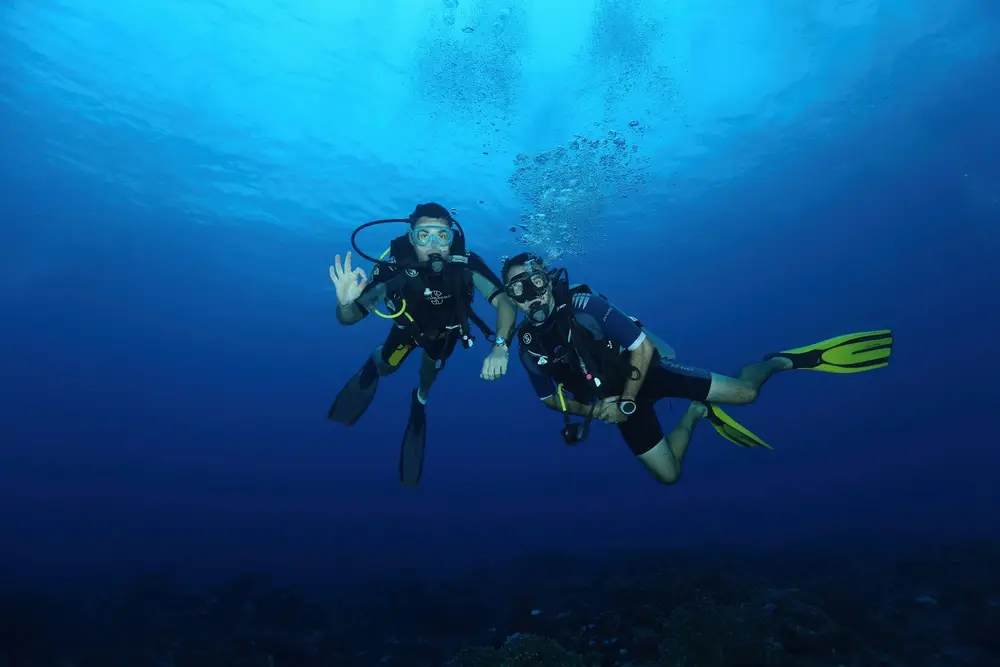
02 Lygaria is a year-round Greek dive site with 12 documented species observations and active community video documentation.
 03
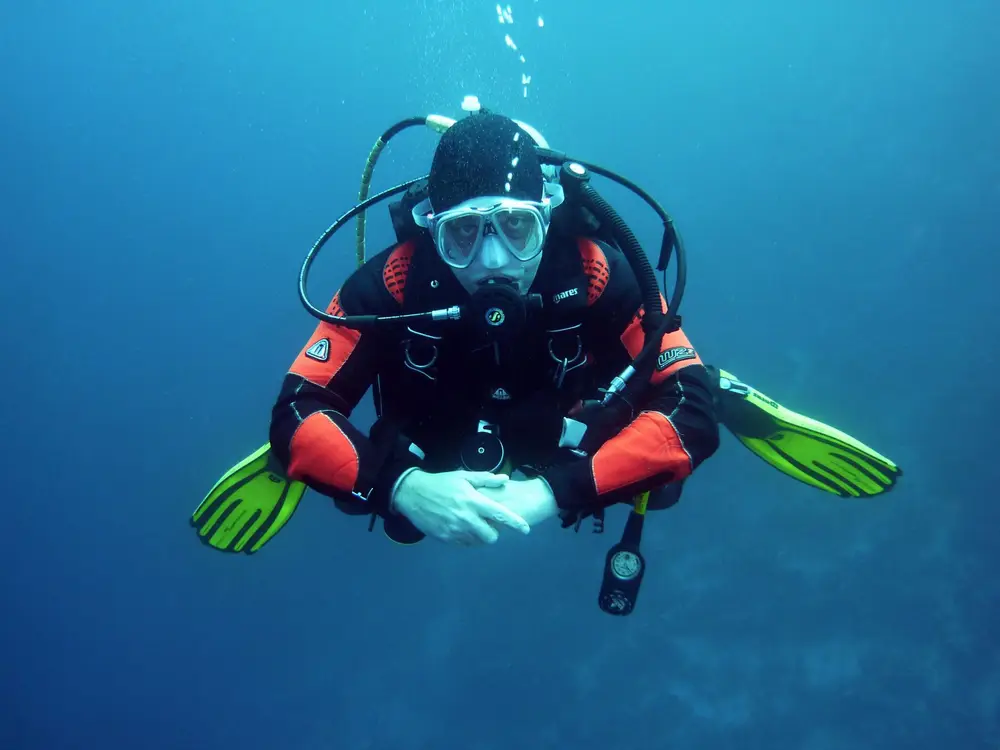
03 Greek diving operator offering year-round access to Mediterranean dive sites with documented marine species observations.
 04
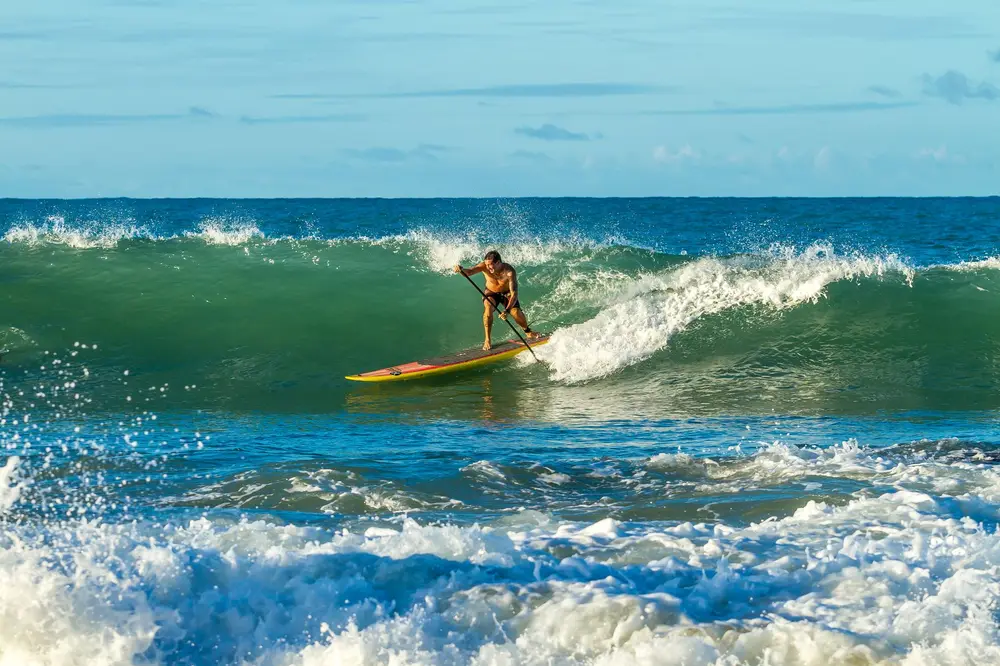
04 Paddle Surf Zante offers year-round surfing on the Greek island of Zakynthos with consistent waves and easy local access.
 05
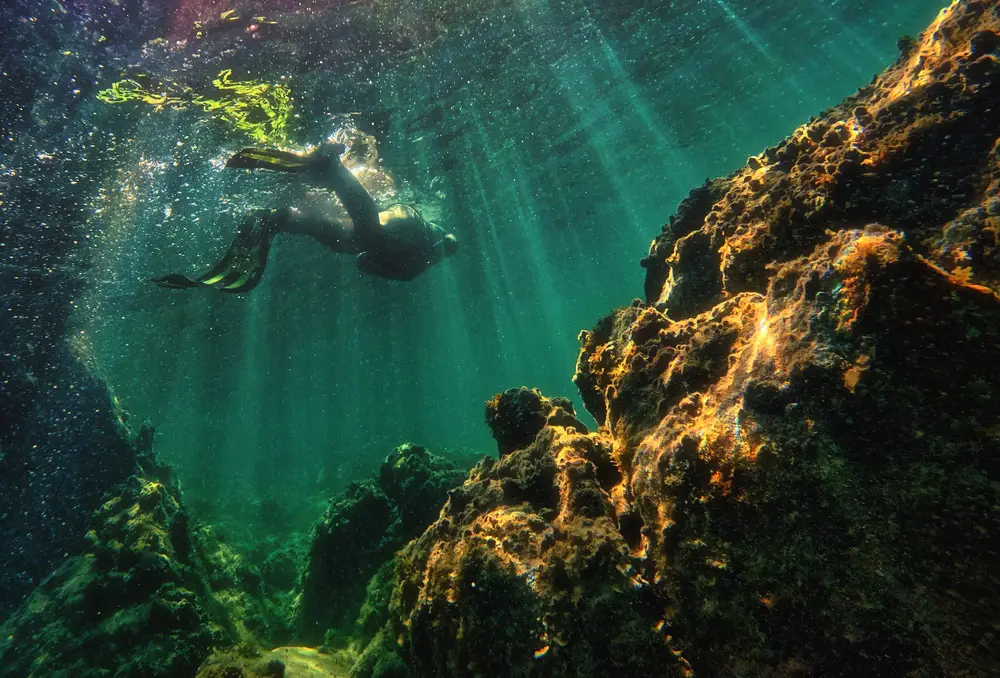
05 Paralia Vourvoulos offers year-round diving off a scenic Santorini beach with diverse marine life and accessible entry.
 06
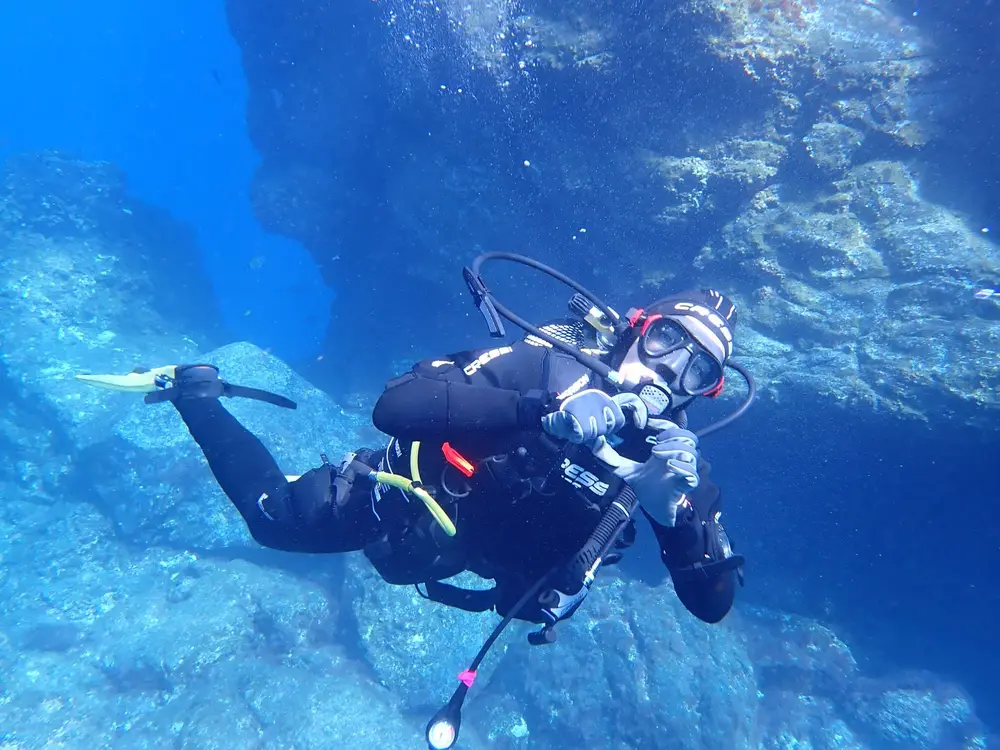
06 Kallithea Springs is a year-round Greek dive destination with documented marine life observations and community exploration.
 07
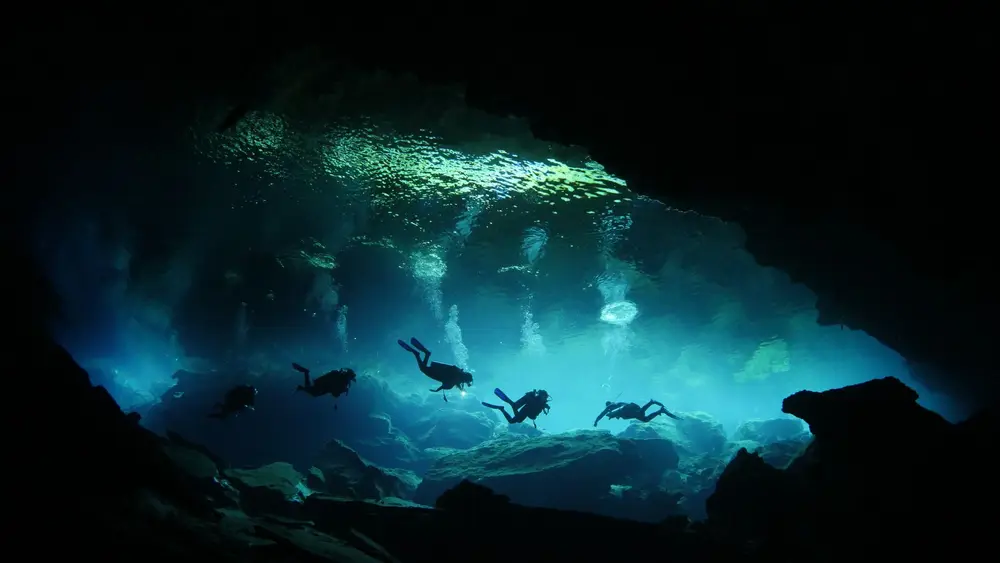
07 Cave diving in Greece's Archangel Cave offers year-round exploration with documented marine life observations and community-filmed dives.
 08
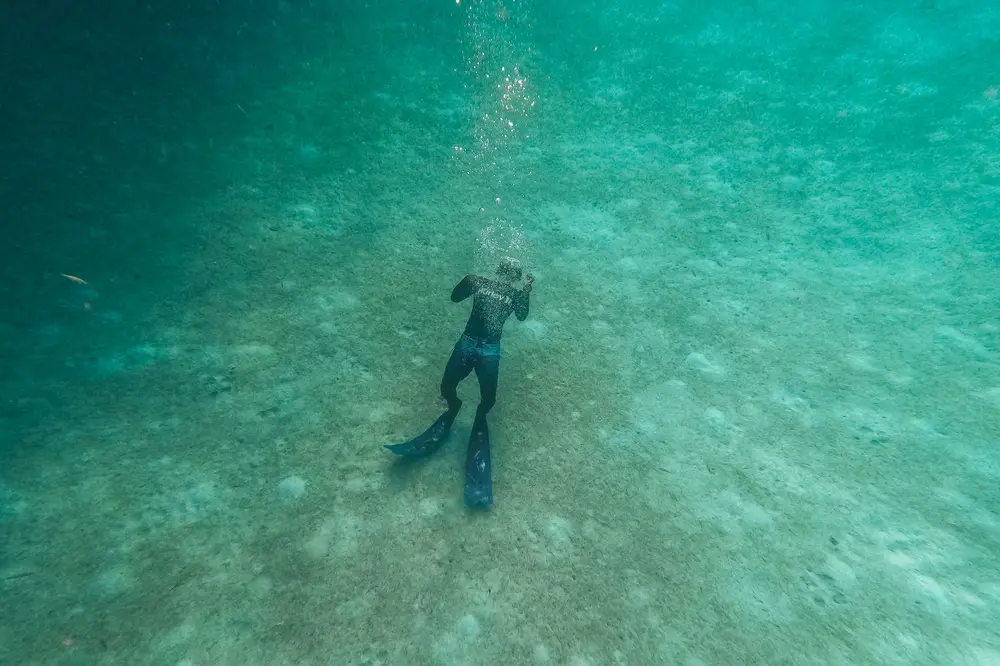
08 Φαρι (Cape Achpas) near Thasos offers year-round diving with 12 recorded species and accessible underwater exploration off Greece's northern coast.
Greece is diveable year-round. Water temperature ranges from 13°C in winter to 26°C in peak summer. Most visiting divers arrive May through October when surface conditions are calmer and temperatures sit between 20–26°C — a 3mm wetsuit is comfortable. Winter diving (13–16°C) requires a 5–7mm suit but delivers better visibility and empty sites. Spring and autumn are the practical sweet spot: warm enough for a 5mm, uncrowded, and with good light angles for photography.
Yes, selectively. Sites like Keri Caves in Zakynthos and Mononaftis are explicitly rated beginner-level, with shallow maximums and calm conditions. The WWII aircraft wreck tops out at 7 m — well within a newly certified diver's range. Intermediate sites like the Caldera Wall at Santorini require buoyancy control at depth and should not be the first dive of a trip.
Greece's recorded marine life data is still being compiled across the 19 mapped sites. Divers consistently report Mediterranean fauna typical of the Aegean — octopus, moray eels, sea bream, and occasional grouper around rocky structure and wrecks. The WWII aircraft site adds a specific historical layer that pure reef dives don't offer.
Do I need a dive certification to dive wrecks in Greece? Yes. Most wreck sites require at least an Open Water certification. The WWII aircraft at 7 m is accessible to newly certified divers; deeper sites like the Caldera Wall require intermediate experience.
Can I dive year-round in Greece? Yes. No month is off-limits, though winter requires thicker exposure protection and some operators reduce schedules outside peak season.
Which island has the best wreck diving? Based on mapped sites, Zakynthos and Crete offer the most variety across skill levels. The WWII aircraft wreck is the most historically distinctive single object in the dataset.
How cold does the water get? Minimum recorded is 13°C in winter months. A 7mm wetsuit or drysuit is appropriate then. Summer peaks at 26°C.
≈ 42 m · The seabed
Thousands more dive sites are waiting in the blue — pick your next descent.