 01
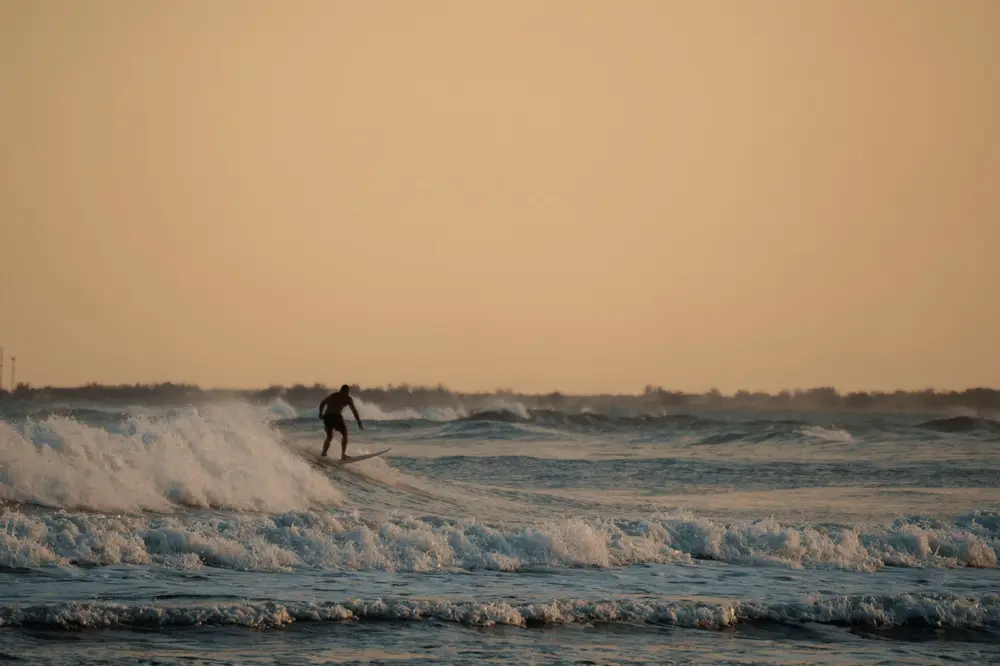
01 Golden Beach
Golden Beach offers year-round surf in Greece with accessible conditions and a rich historical backdrop near a World War II memorial site.
beginner
Explore this site → 

Beginner guide
Greece has beginner dive sites from 5 m in Zakynthos to warm 26°C summer waters. Dive year-round across the islands.
Greece is a legitimate beginner diving destination, not just a snorkelling holiday. With water temperatures reaching 26°C in summer and sheltered bays across the islands, new divers can log real dives at sites like Keri Caves in Zakynthos (from 5 m) and Mononaftis, both rated beginner-friendly. OpenWaterAtlas lists 19 published dive sites across the country, ranging from shallow caves to deeper walls.
The reefs, walls and wrecks worth the trip — each with real conditions, seasons and marine life.
01 Golden Beach offers year-round surf in Greece with accessible conditions and a rich historical backdrop near a World War II memorial site.
 02
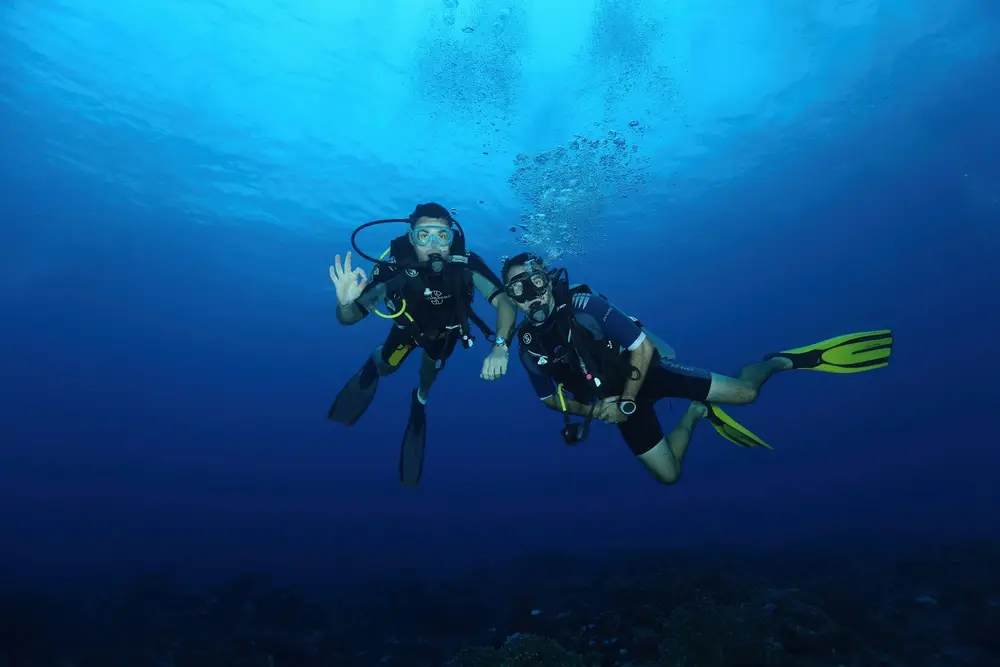
02 Lygaria is a year-round Greek dive site with 12 documented species observations and active community video documentation.
 03
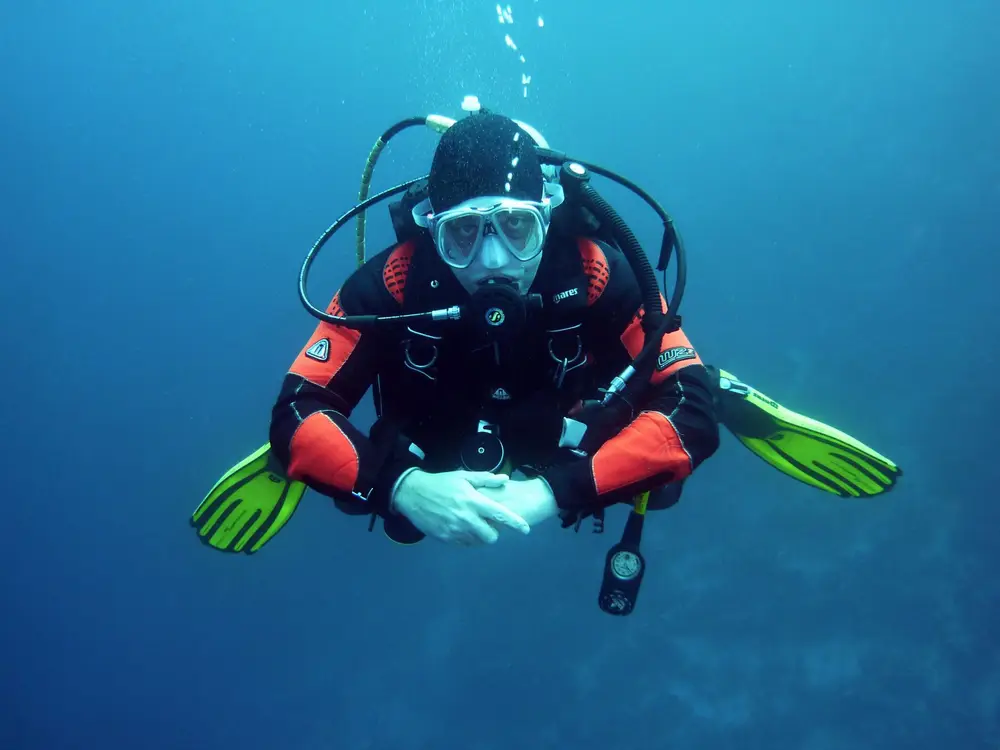
03 Greek diving operator offering year-round access to Mediterranean dive sites with documented marine species observations.
 04
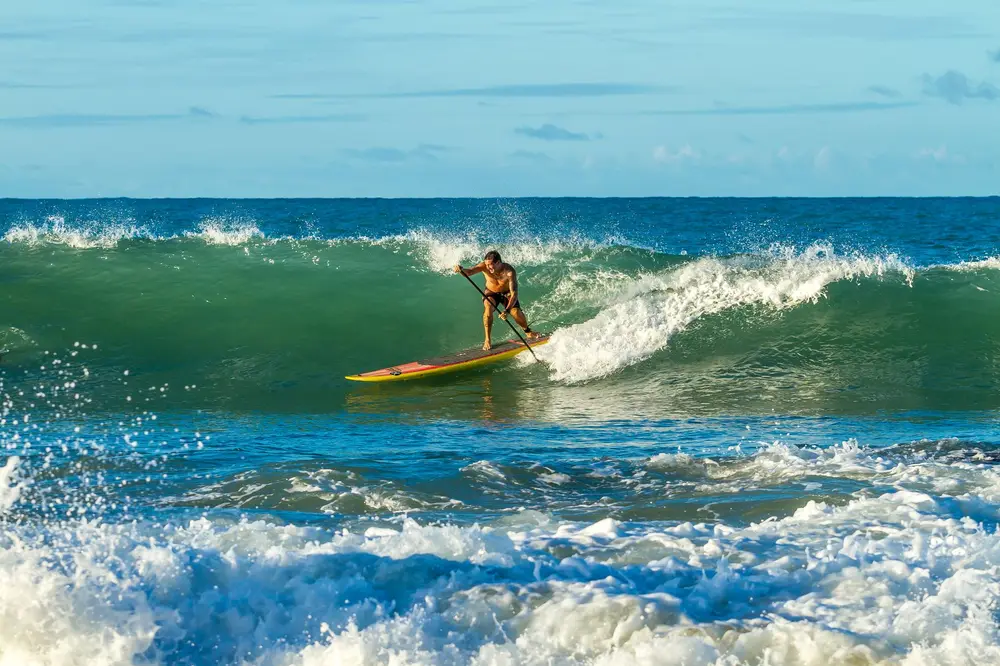
04 Paddle Surf Zante offers year-round surfing on the Greek island of Zakynthos with consistent waves and easy local access.
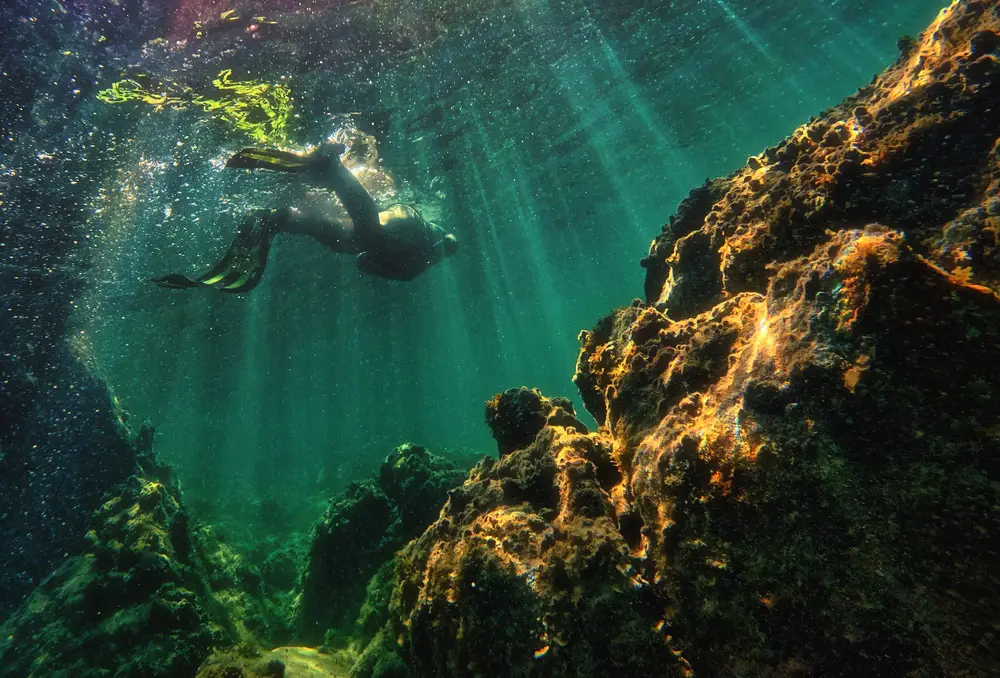 05
05 Paralia Vourvoulos offers year-round diving off a scenic Santorini beach with diverse marine life and accessible entry.
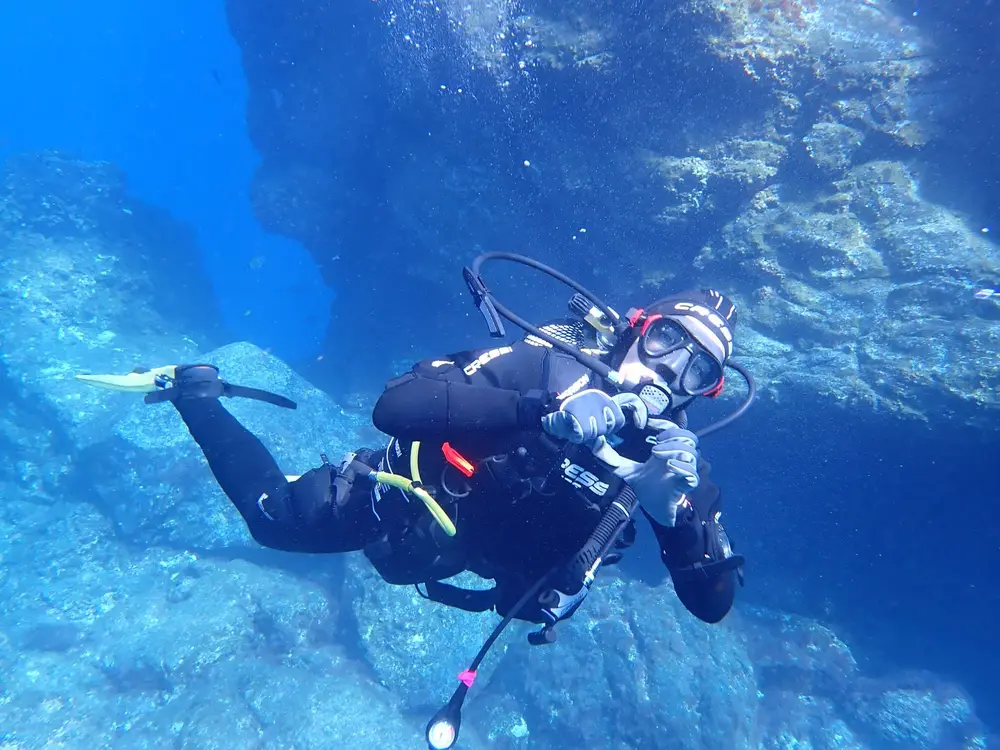 06
06 Kallithea Springs is a year-round Greek dive destination with documented marine life observations and community exploration.
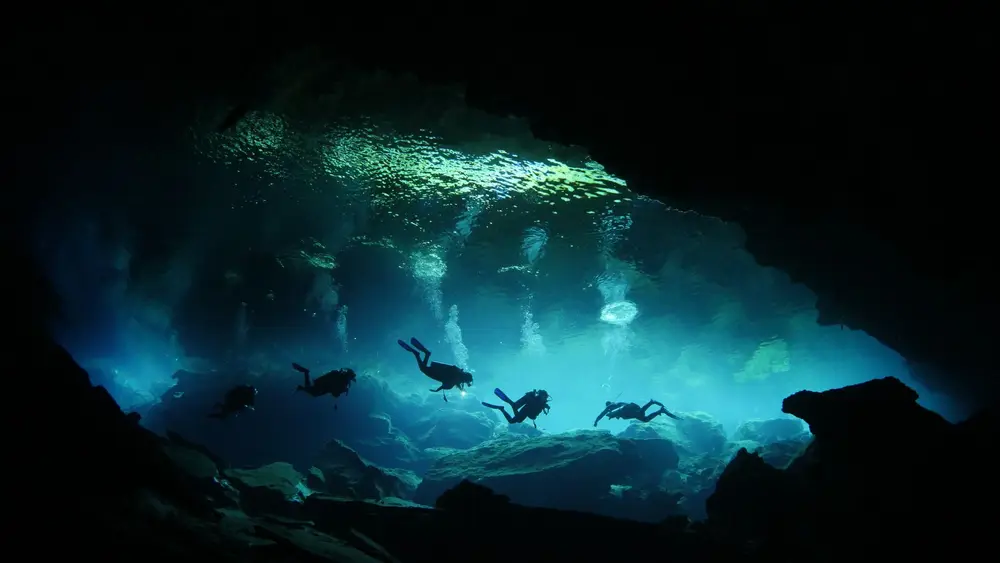 07
07 Cave diving in Greece's Archangel Cave offers year-round exploration with documented marine life observations and community-filmed dives.
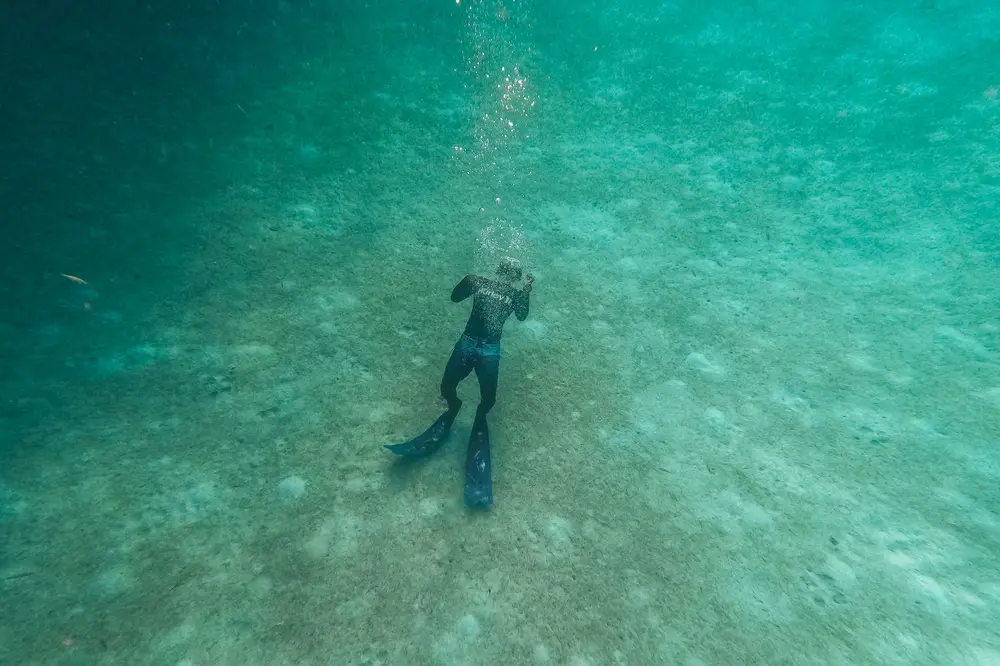 08
08 Φαρι (Cape Achpas) near Thasos offers year-round diving with 12 recorded species and accessible underwater exploration off Greece's northern coast.
Greece is diveable year-round. Water temperature swings between 13°C in winter and 26°C in peak summer. For beginners, June through September is the most comfortable window — warm water reduces fatigue and a 3 mm wetsuit is usually enough. Visibility tends to be best in late spring before summer boat traffic picks up. Winter diving is possible for those with thicker exposure suits, and sites are quieter.
Yes, with some planning. Several sites are explicitly rated for beginners, and the calm, enclosed bays common across the Aegean and Ionian islands suit new divers well. Stick to the beginner-rated sites on your first trip — Keri Caves and Mononaftis are the clearest starting points. Avoid the Caldera Wall in Santorini until you have intermediate experience; 40 m is not a beginner depth.
Marine life data for Greek sites is still being recorded on OpenWaterAtlas. Expect Mediterranean species typical of the Aegean and Ionian seas — octopus, grouper, sea bream, and various nudibranchs are commonly reported by divers at these sites.
Do I need a dive certification to dive in Greece? Yes. All reputable operators require at least an Open Water certification. Some beginner-rated sites can be accessed via intro dives with a certified instructor if you're not yet certified.
What wetsuit thickness do I need? A 3 mm suit works from June to September. Bring or rent a 5–7 mm suit for spring and autumn diving when water drops below 18°C.
Which Greek island is best for a first diving trip? Zakynthos stands out based on available data — Keri Caves offers a beginner-rated site with a genuine depth range and interesting topography.
Can I dive in Greece in winter? Yes, though water drops to around 13°C. You'll need a drysuit or thick wetsuit, and fewer operators run year-round. Summer remains the practical choice for beginners.
≈ 42 m · The seabed
Thousands more dive sites are waiting in the blue — pick your next descent.