 01
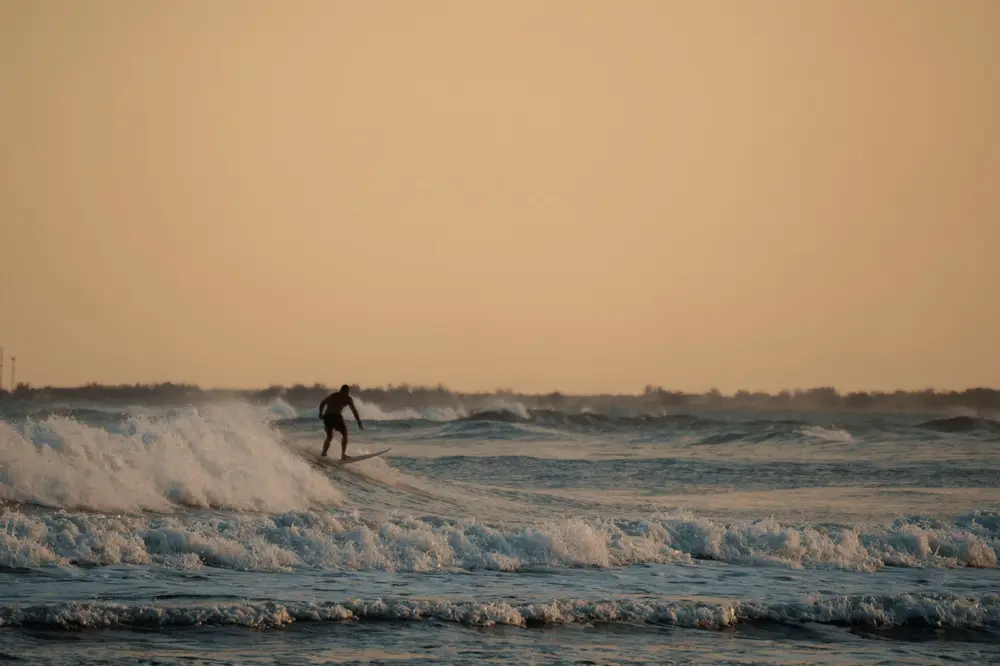
01 Golden Beach
Golden Beach offers year-round surf in Greece with accessible conditions and a rich historical backdrop near a World War II memorial site.
beginner
Explore this site → 

Family guide
Greece offers year-round diving across 19 mapped sites — caves, wrecks, and volcanic walls — in water from 13–26 °C. Good for all levels.
Greece doesn't have the coral reefs of the tropics, but it has something different: volcanic topography, submerged history, and clear Mediterranean water that hits 26 °C in summer and stays diveable through winter. With 19 mapped sites spread across the Aegean and Ionian islands, there's enough variety to keep a diver busy across multiple trips.
The reefs, walls and wrecks worth the trip — each with real conditions, seasons and marine life.
01 Golden Beach offers year-round surf in Greece with accessible conditions and a rich historical backdrop near a World War II memorial site.
 02
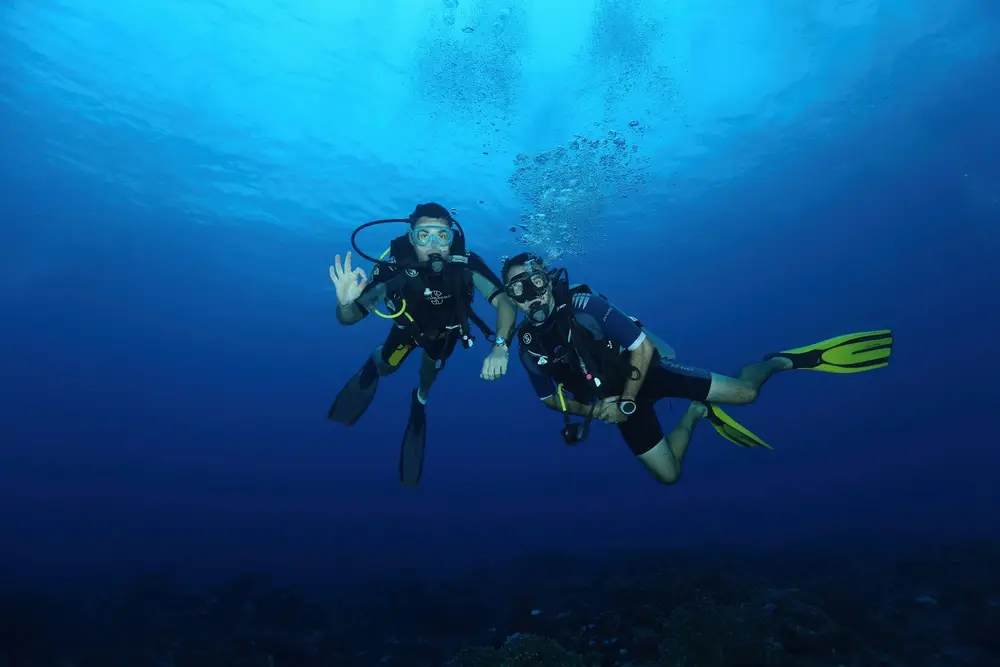
02 Lygaria is a year-round Greek dive site with 12 documented species observations and active community video documentation.
 03
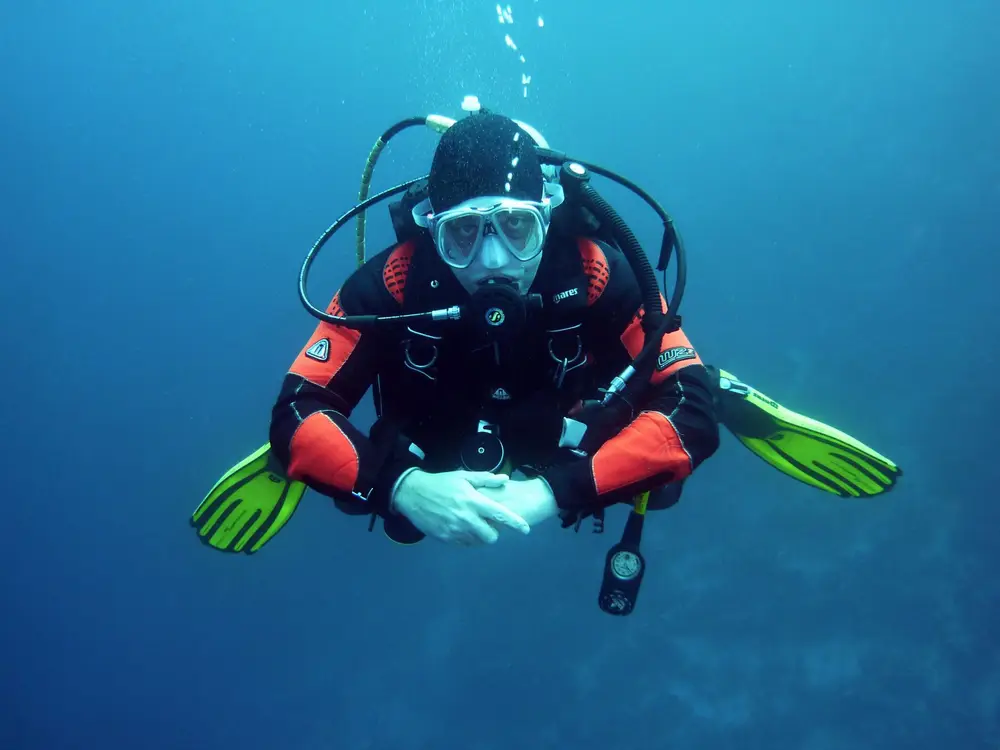
03 Greek diving operator offering year-round access to Mediterranean dive sites with documented marine species observations.
 04
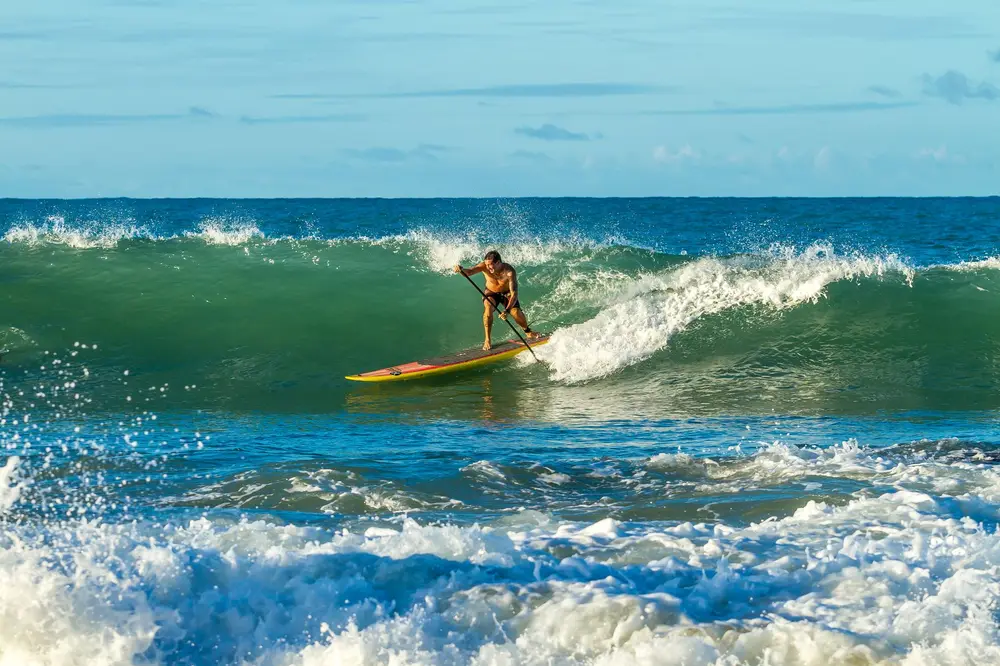
04 Paddle Surf Zante offers year-round surfing on the Greek island of Zakynthos with consistent waves and easy local access.
 05
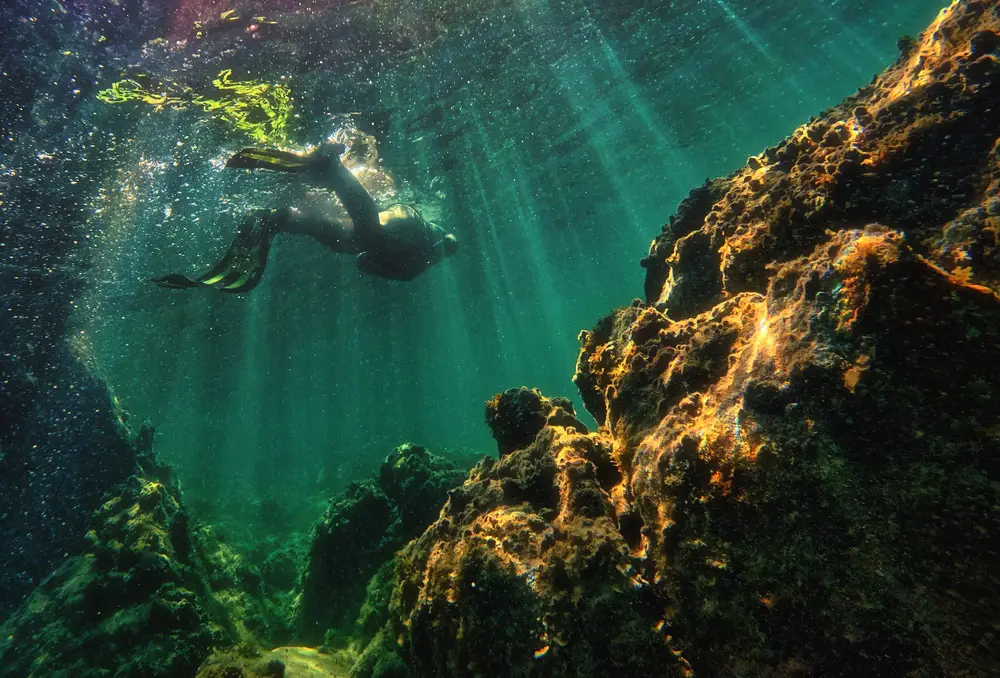
05 Paralia Vourvoulos offers year-round diving off a scenic Santorini beach with diverse marine life and accessible entry.
 06
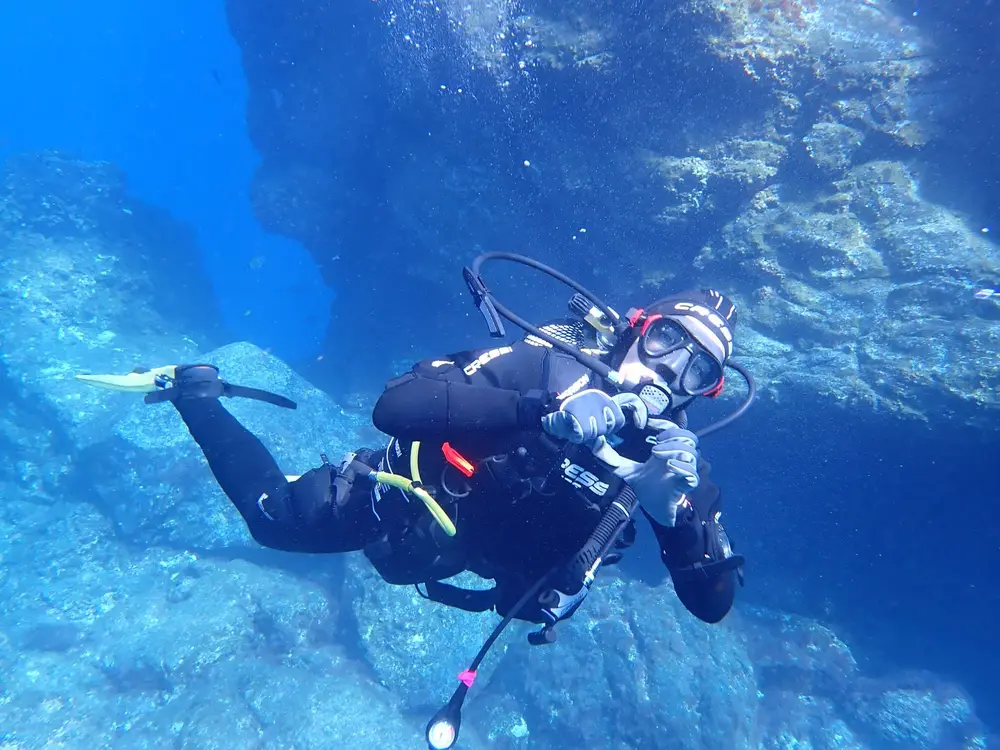
06 Kallithea Springs is a year-round Greek dive destination with documented marine life observations and community exploration.
 07
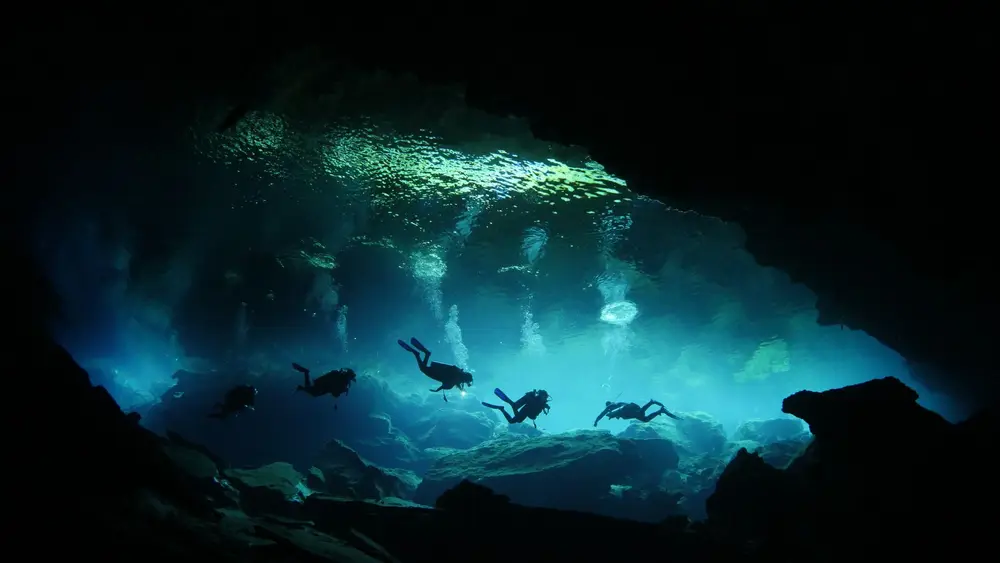
07 Cave diving in Greece's Archangel Cave offers year-round exploration with documented marine life observations and community-filmed dives.
 08
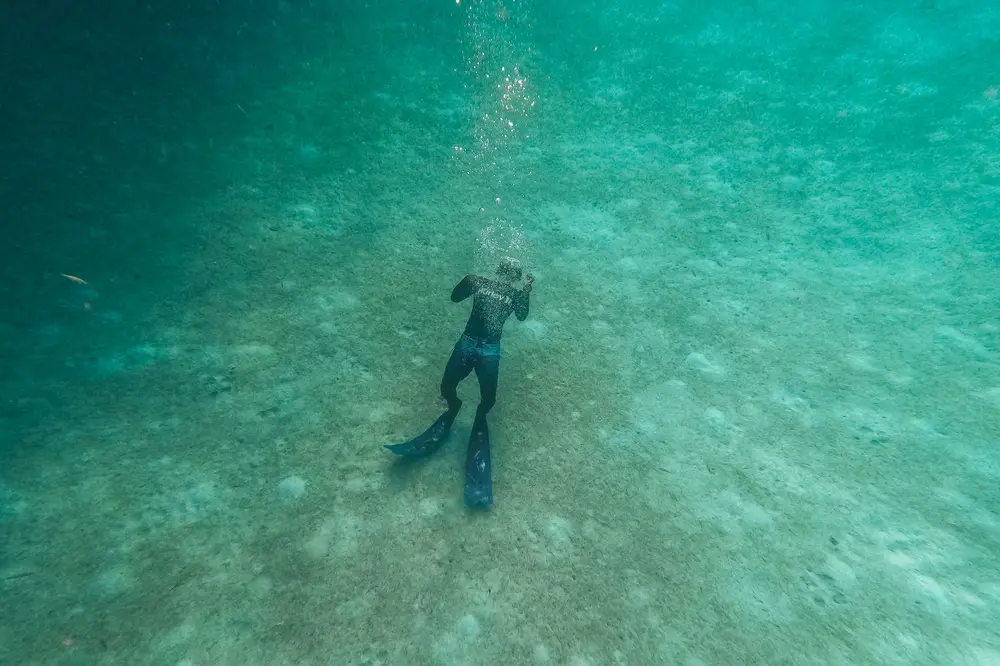
08 Φαρι (Cape Achpas) near Thasos offers year-round diving with 12 recorded species and accessible underwater exploration off Greece's northern coast.
Greece is diveable year-round, but the experience changes significantly by season. Water temperature ranges from 13 °C in winter (February–March) to 26 °C in peak summer (July–August). Most dive centres operate May through October. Visibility tends to be best in late spring and early autumn when plankton blooms are lower and boat traffic hasn't stirred up sediment. Winter diving is possible for those with a 7 mm wetsuit and a preference for empty sites.
Yes. Several sites — Keri Caves, Mononaftis, Kallithea — are explicitly rated for beginners, with shallow maximums and sheltered conditions. The WWII plane wreck at 7 m maximum depth is also accessible early in a diver's training. Intermediate sites like the Caldera Wall require buoyancy control at depth but are not technical.
Marine life data for Greek sites is still being recorded on this platform. The Mediterranean holds octopus, moray eels, sea bream, grouper, and occasional loggerhead sea turtles (notably around Zakynthos). Expect rocky reef ecosystems rather than coral gardens.
Do I need a drysuit in Greece? Not typically. A 5–7 mm wetsuit handles the 13 °C winter minimum; in summer a 3 mm is comfortable.
Is Santorini diving worth it if I'm not an advanced diver? The Caldera Wall goes to 40 m, so the best sections are intermediate territory. If you're a beginner, Zakynthos or Crete offer more suitable options.
Can I dive the WWII wreck without a guide? Most operators require a guided dive for any wreck site regardless of depth. At 7 m it's physically accessible, but local regulations and site-specific rules apply.
Which island has the most dive infrastructure? Crete and Zakynthos have the highest concentration of established dive centres based on the sites mapped so far.
≈ 42 m · The seabed
Thousands more dive sites are waiting in the blue — pick your next descent.