 01
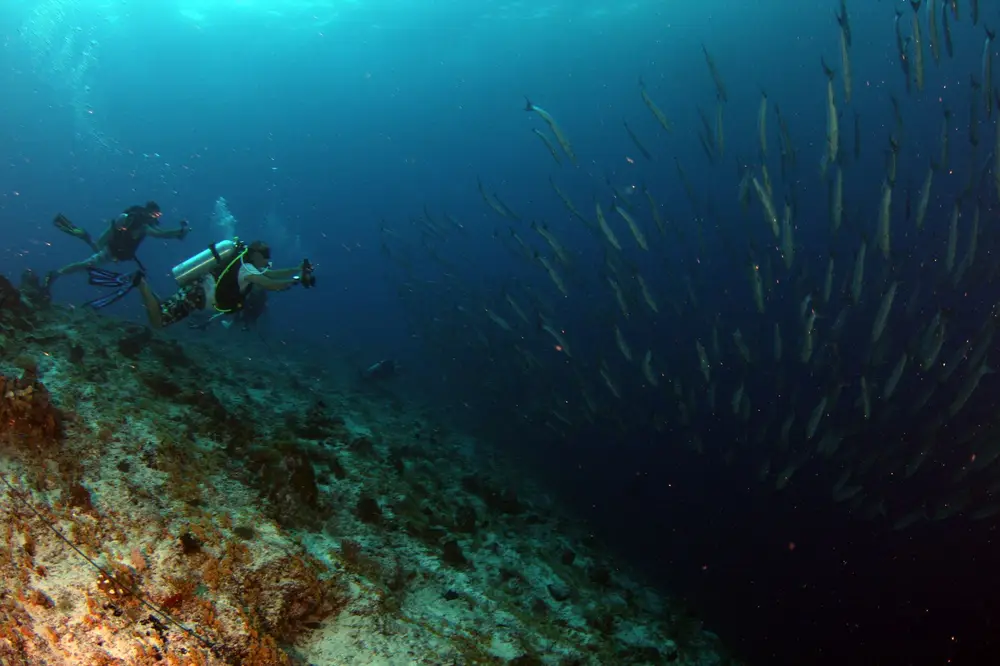
01 Barracuda Point
Barracuda Point is a year-round dive site within Apo Reef Natural Park, Philippines, known for encounters with schooling barracuda and healthy coral.
intermediate
Explore this site → 

Wreck-diving guide
Coron's WWII Japanese fleet, year-round 26–29 °C water, and 119 mapped sites make the Philippines a top wreck destination for advanced divers.
The Philippines holds some of the most intact WWII wreck diving on the planet. Coron Bay alone contains a fleet of Japanese supply ships sunk in a single US air raid in 1944, sitting in warm, clear water you can dive every month of the year. Across 119 published sites, the range runs from calm beginner reefs to deep, current-swept wrecks that demand experience.
The reefs, walls and wrecks worth the trip — each with real conditions, seasons and marine life.
01 Barracuda Point is a year-round dive site within Apo Reef Natural Park, Philippines, known for encounters with schooling barracuda and healthy coral.
 02
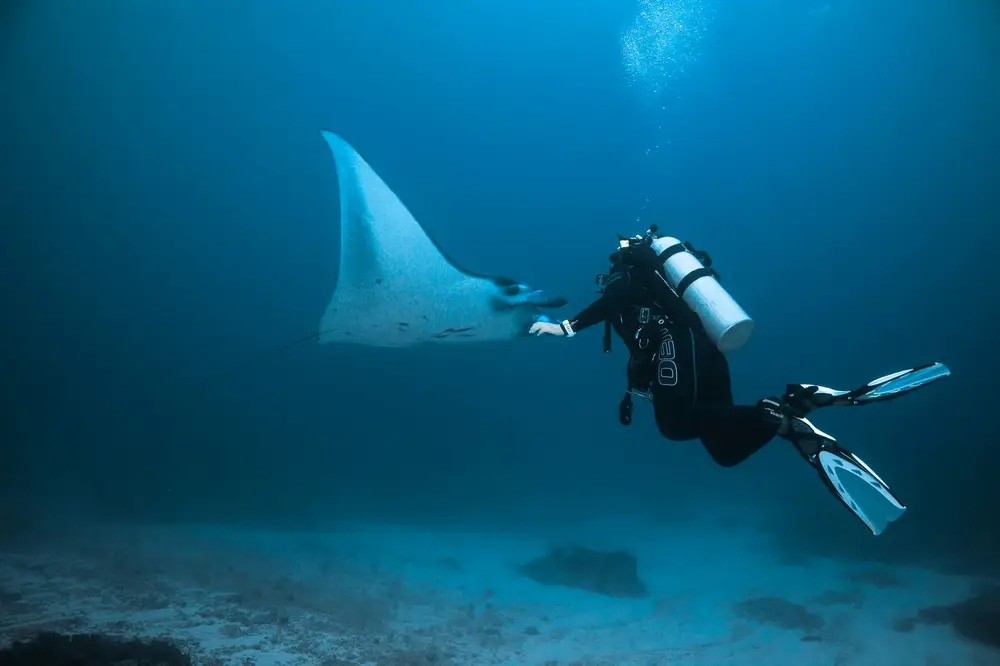
02 Manta Point at Apo Reef Natural Park offers year-round manta encounters in a protected marine zone with healthy coral.
 03
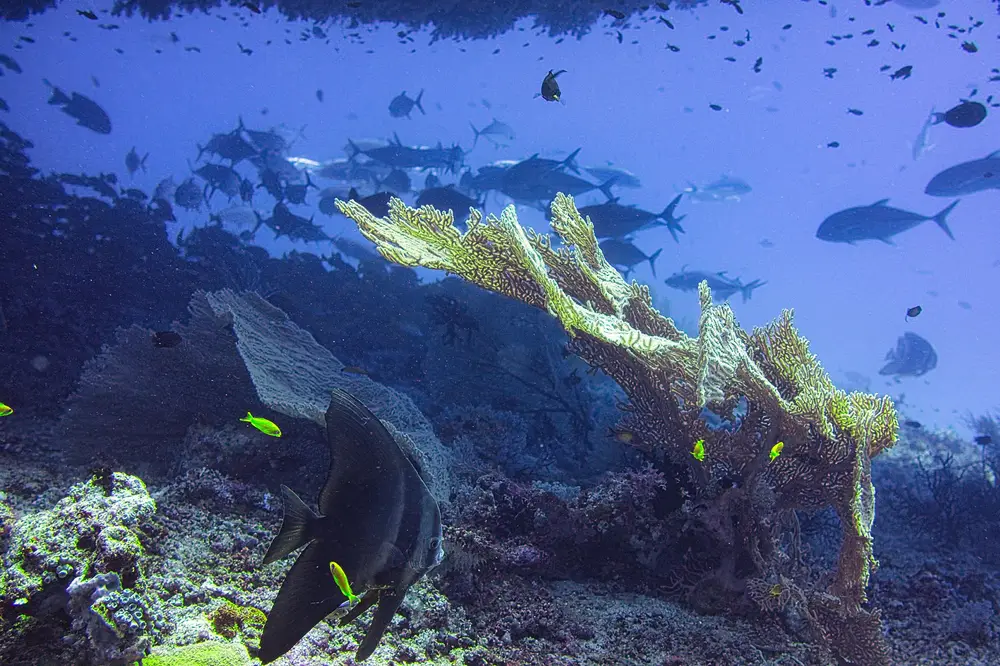
03 Monad Shoal offers year-round diving in the Philippines with documented marine life and active community engagement.
 04
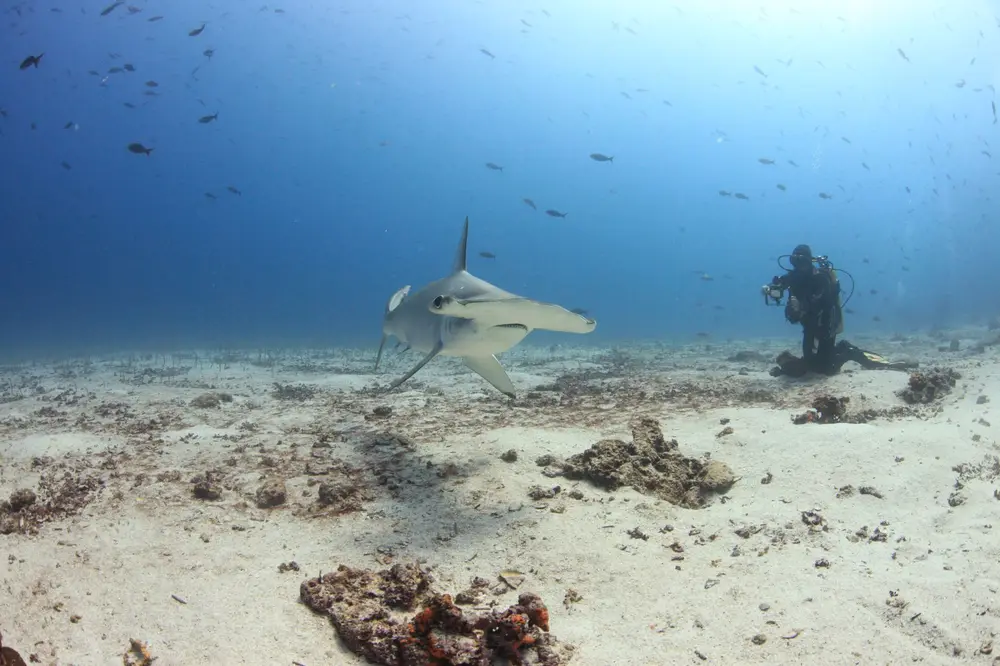
04 Shark Ridge at Apo Reef is an advanced deep-wall dive in the Philippines' premier marine park, known for pelagic encounters and pristine coral.
 05
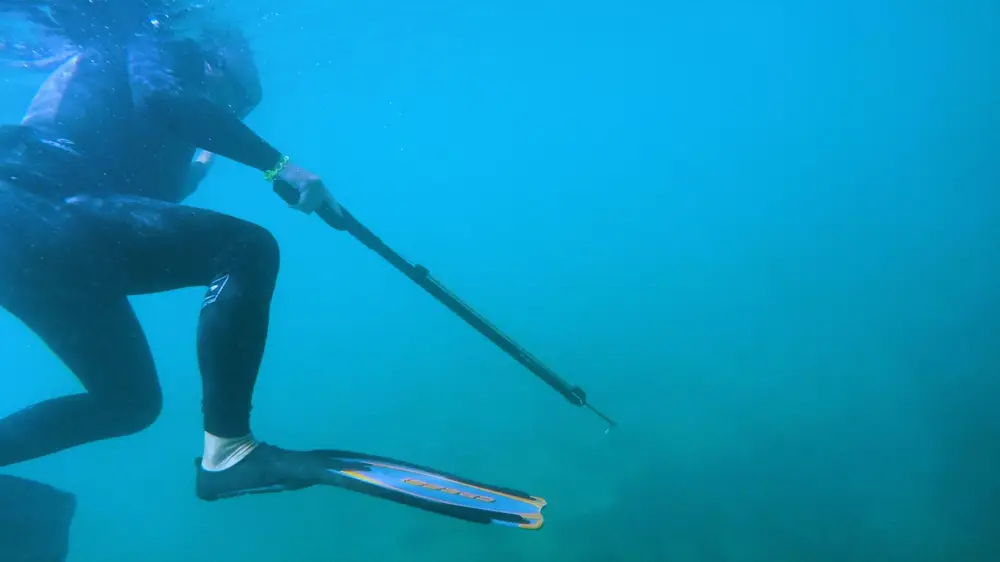
05 Advanced divers descend to Monad Shoal off Malapascua to witness thresher sharks at their cleaning station, a rare pelagic encounter 18–30m deep.
 06
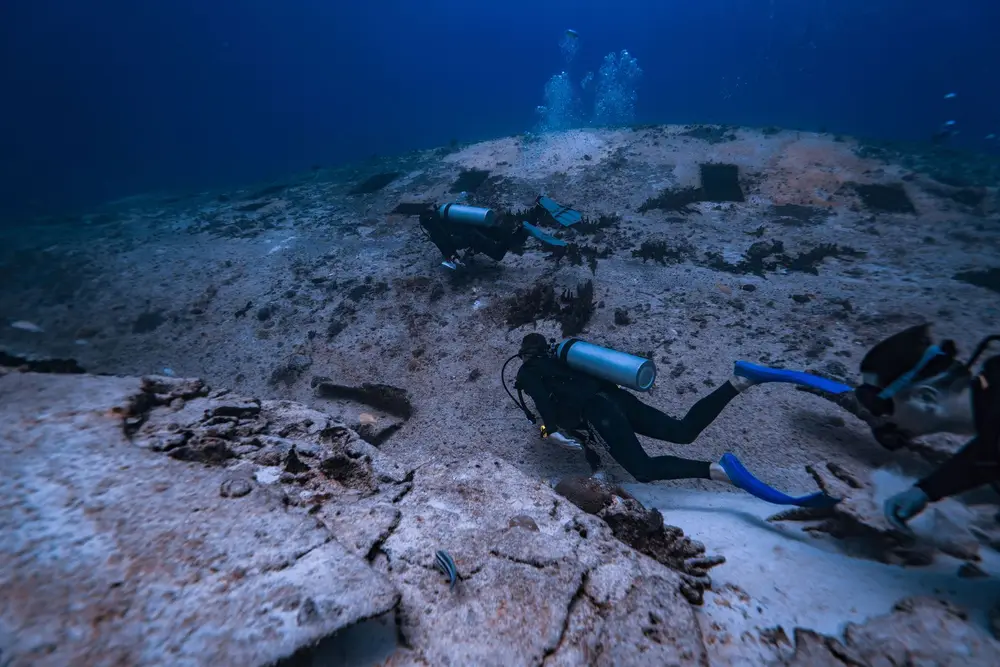
06 Amos Rock at Tubbataha's North Atoll is an advanced drift dive in the Philippines reaching 40m, within a protected marine park.
 07
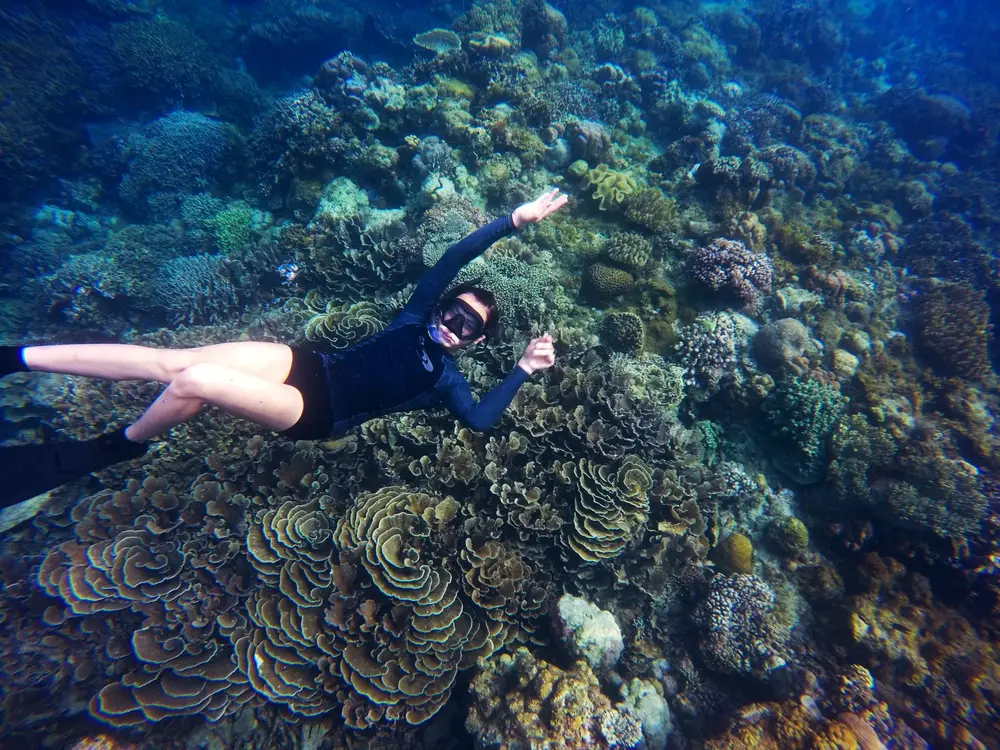
07 Jessie Beazley Reef at Tubbataha offers advanced divers pristine coral walls and pelagic encounters in a protected marine park.
 08
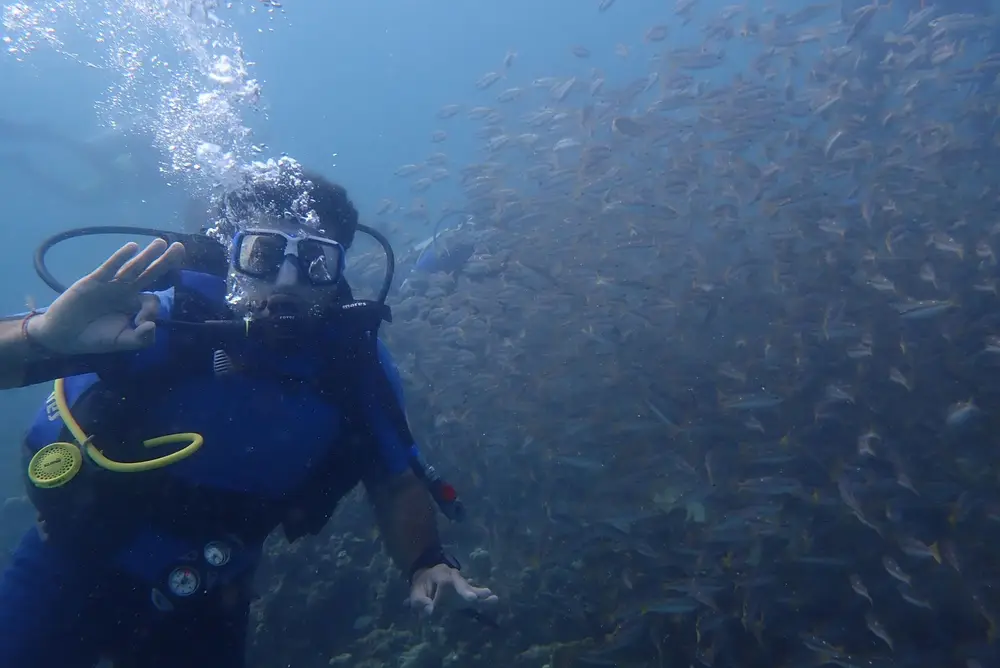
08 Yapak Dive is a year-round Philippine dive destination with healthy coral and documented marine biodiversity.
Water temperature stays between 26 °C and 29 °C year-round, so thermal comfort is never a limiting factor. Coron is most reliably calm between November and May; the southwest monsoon (June–October) can bring chop to the bay and reduce surface conditions, though the wrecks themselves remain diveable on many days. If your trip is wreck-focused, aim for December through April for the most consistent access.
Partly. Sites like Baluarte and Katipanan (both rated beginner, 20 m visibility) let newer divers get comfortable in Philippine conditions. The headline wrecks in Coron — including the IRAKO at 28–42 m — are rated advanced and require an AOW certification at minimum; penetration dives need a wreck specialty. Operators in Coron run guided tours that keep less experienced divers to the exterior superstructure at shallower depths.
Beyond the steel, the wrecks themselves have become artificial reefs. Green sea turtles are recorded across Philippine dive sites and are frequently spotted resting on encrusted hull sections. Great barracuda cruise the open water above the wrecks, often in loose groups near the bow or stern. Coral growth on the older wrecks is substantial — some hulls are barely recognisable under decades of encrustation.
Do I need a wreck specialty to dive the IRAKO? For exterior dives, an Advanced Open Water certification is generally sufficient. Full penetration into cargo holds and the engine room requires a PADI Wreck Diver specialty or equivalent.
How deep are the Coron wrecks? The IRAKO sits at 28–42 m. Other Coron wrecks range from around 10 m (suitable for recreational divers) to over 40 m for the deepest sections.
What is the water temperature in Coron? Expect 26–29 °C. A 3 mm wetsuit is comfortable for most divers; some prefer 5 mm for multiple dives per day at depth.
Can I combine wreck diving with reef diving on the same trip? Yes. Coron operators routinely mix wreck dives in the morning with reef sites in the afternoon. Sites like Mantigue Island and Balicasag — Rico's Wall are within range for liveaboard itineraries.
≈ 42 m · The seabed
Thousands more dive sites are waiting in the blue — pick your next descent.