 01
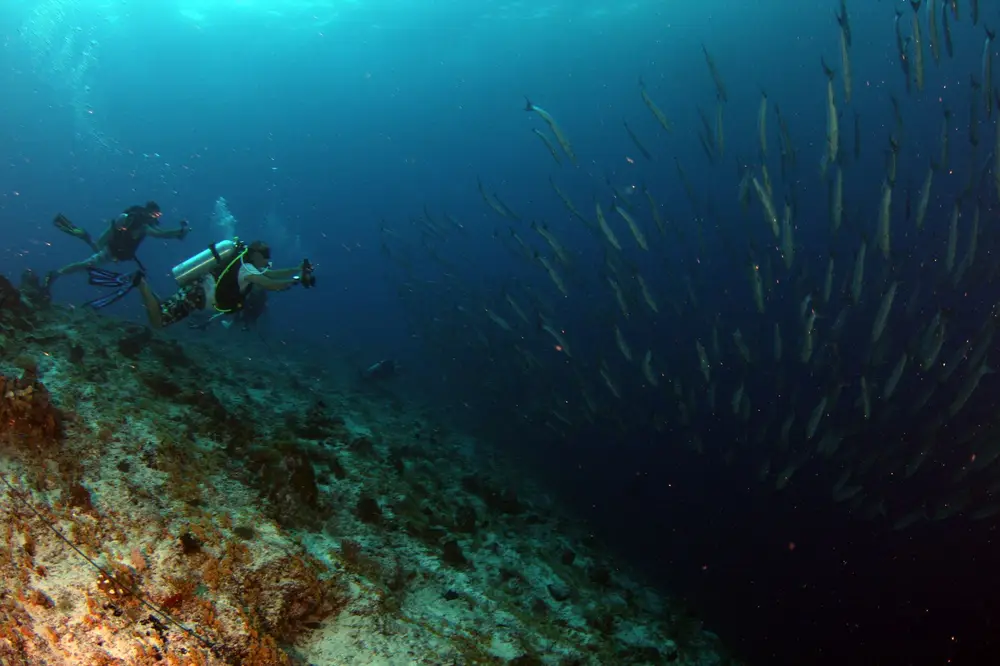
01 Barracuda Point
Barracuda Point is a year-round dive site within Apo Reef Natural Park, Philippines, known for encounters with schooling barracuda and healthy coral.
intermediate
Explore this site → 

Country guide
119 mapped dive sites, 26–29 °C year-round, from beginner reefs to Tubbataha's open-ocean walls. Green turtles, barracuda, threshers.
The Philippines sits inside the Coral Triangle, and its 119 mapped dive sites reflect that — shallow beginner reefs, WWII wrecks in the 40-metre range, and remote atolls that take a liveaboard to reach. Water temperature holds between 26 °C and 29 °C every month of the year, so the calendar rarely rules out a trip. The range of experience levels is genuinely wide: some sites suit first-timers on their third dive, others demand solid buoyancy and a dive computer.
The reefs, walls and wrecks worth the trip — each with real conditions, seasons and marine life.
01 Barracuda Point is a year-round dive site within Apo Reef Natural Park, Philippines, known for encounters with schooling barracuda and healthy coral.
 02
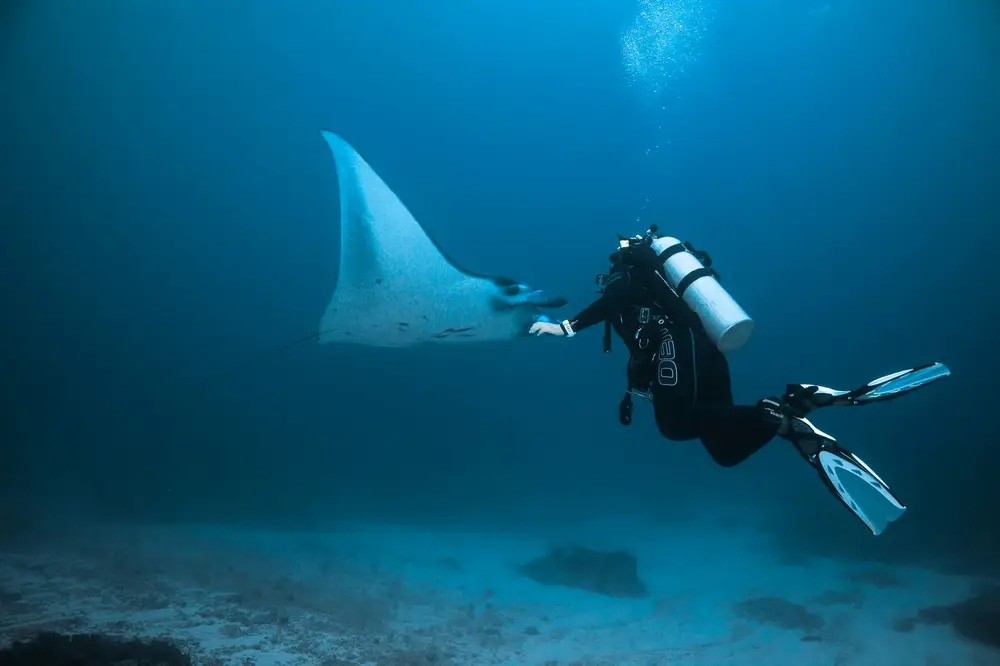
02 Manta Point at Apo Reef Natural Park offers year-round manta encounters in a protected marine zone with healthy coral.
 03
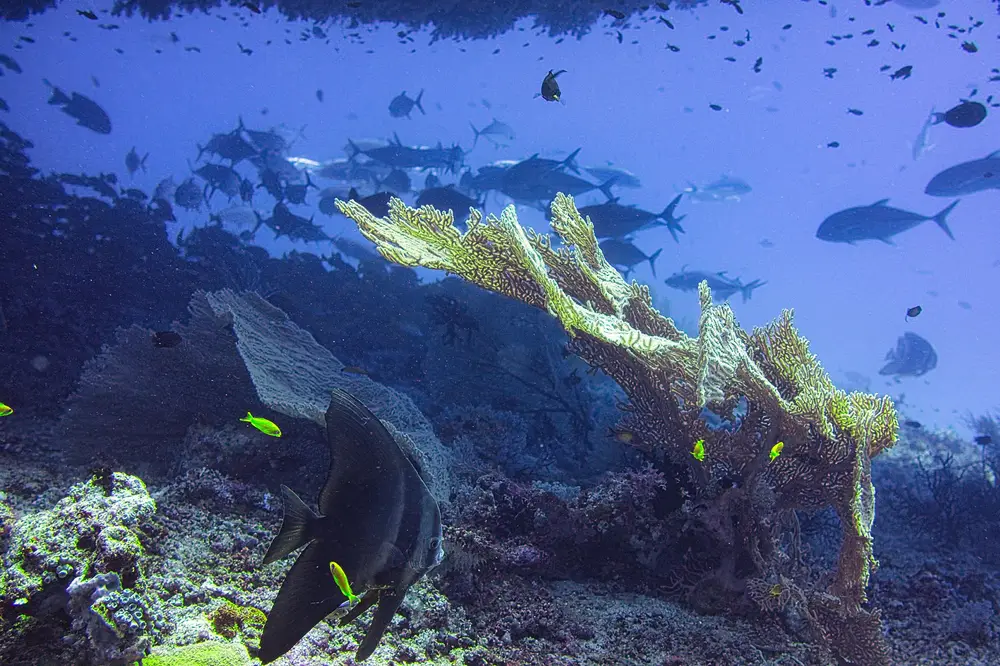
03 Monad Shoal offers year-round diving in the Philippines with documented marine life and active community engagement.
 04
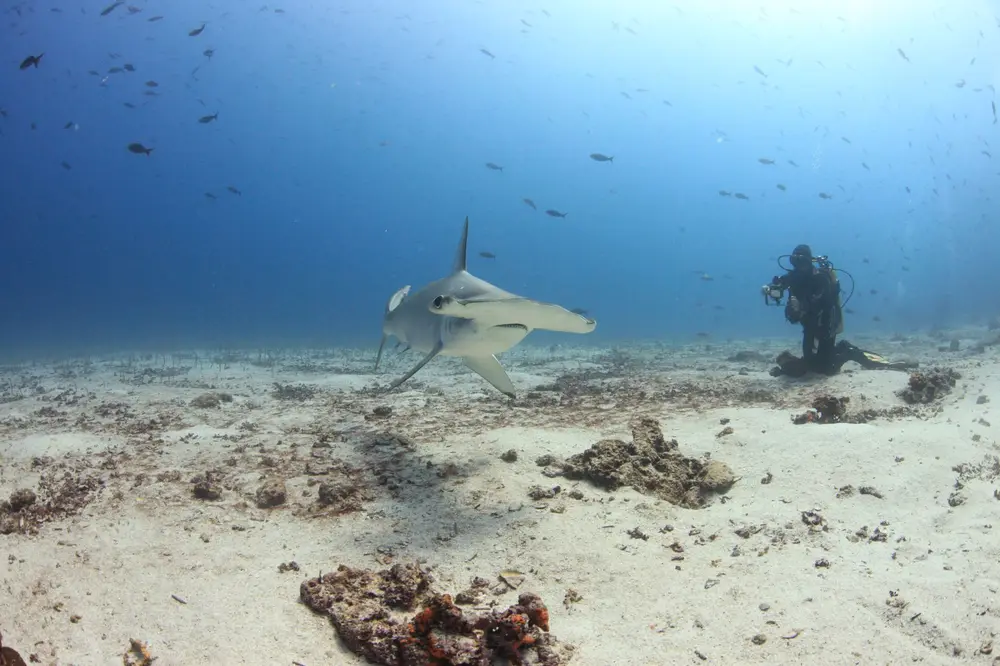
04 Shark Ridge at Apo Reef is an advanced deep-wall dive in the Philippines' premier marine park, known for pelagic encounters and pristine coral.
 05
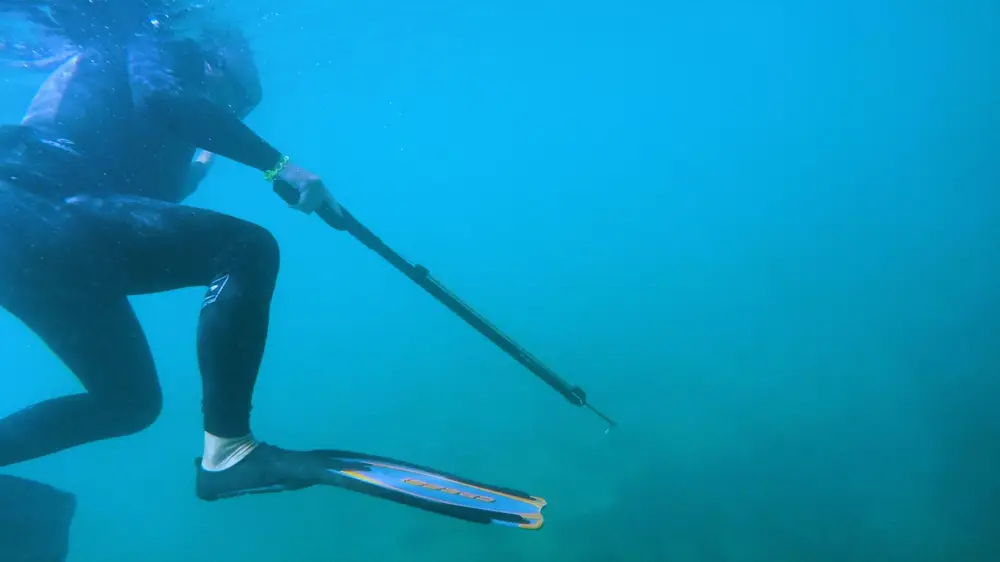
05 Advanced divers descend to Monad Shoal off Malapascua to witness thresher sharks at their cleaning station, a rare pelagic encounter 18–30m deep.
 06
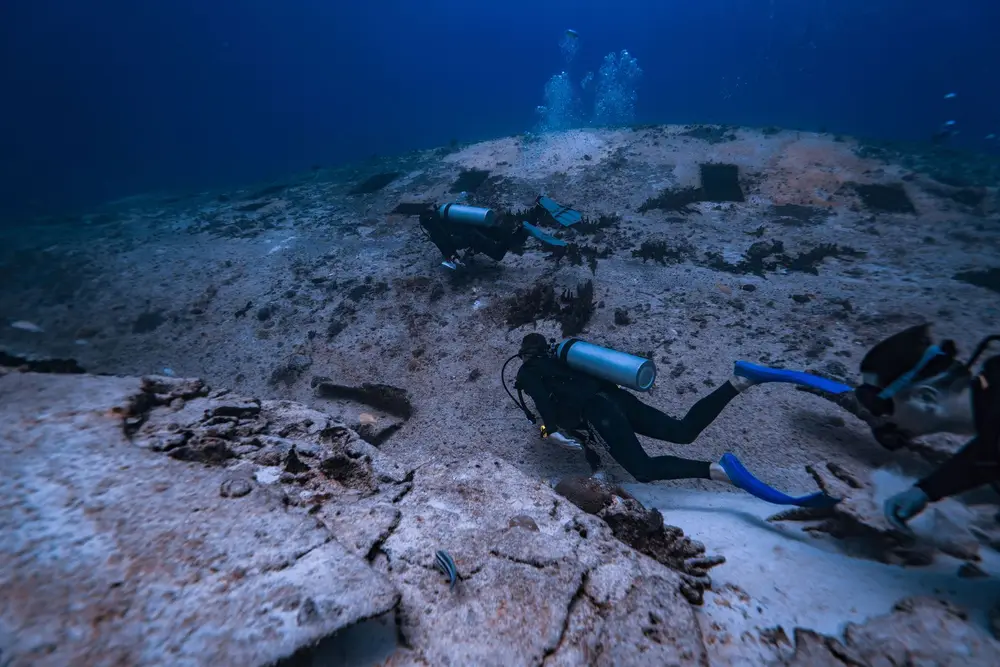
06 Amos Rock at Tubbataha's North Atoll is an advanced drift dive in the Philippines reaching 40m, within a protected marine park.
 07
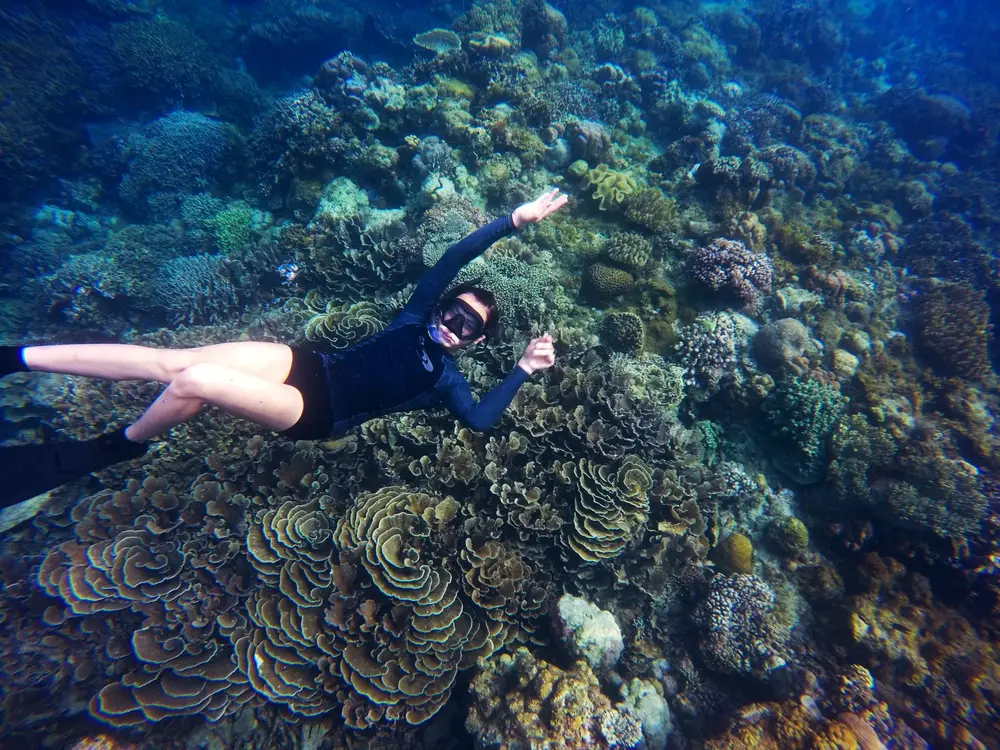
07 Jessie Beazley Reef at Tubbataha offers advanced divers pristine coral walls and pelagic encounters in a protected marine park.
 08
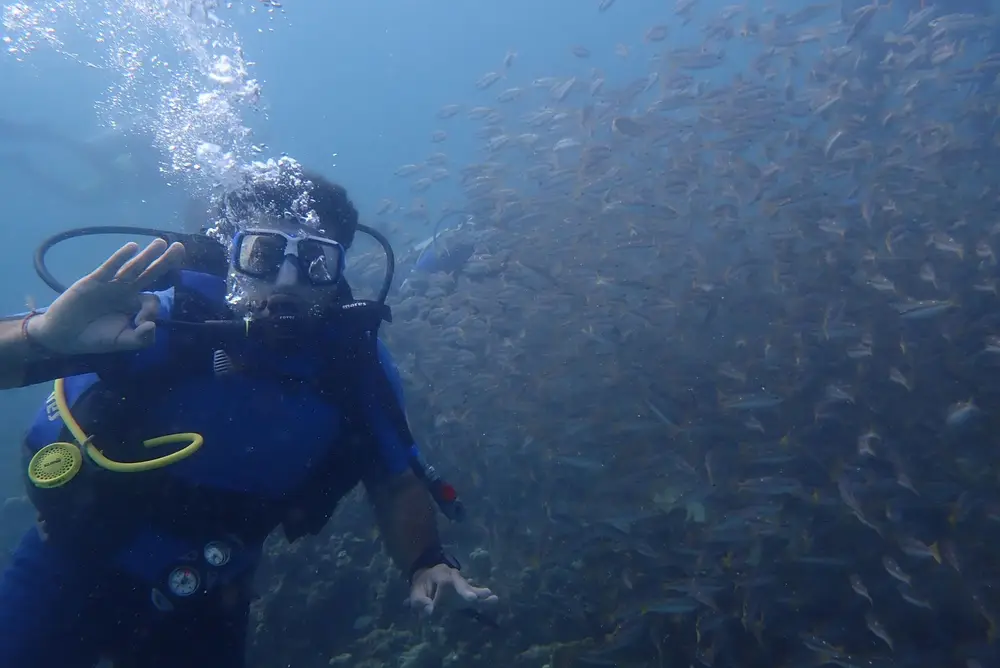
08 Yapak Dive is a year-round Philippine dive destination with healthy coral and documented marine biodiversity.
The Philippines is diveable year-round at 26–29 °C. Tubbataha Reef is only accessible March–June when the Sulu Sea calms enough for liveaboards. Malapascua thresher dives run consistently outside typhoon season (roughly November–May is most stable). Moalboal's sardine tornado is present every month.
Yes, with site selection. Mantigue Island, Baluarte, and Katipanan offer 20 m visibility, manageable depths, and calm water. Stick to the beginner-rated sites and you'll find conditions forgiving. The advanced sites — particularly Tubbataha and Yapak — involve strong currents and depth that require genuine experience.
Green sea turtles appear regularly at Balicasag and similar sanctuary reefs. Great barracuda are common on walls and drop-offs. Thresher sharks at Monad Shoal are the headline pelagic encounter. Sardine aggregations at Pescador Island and Padre Burgos offer a different kind of spectacle — dense baitballs that dwarf the divers moving through them.
Do I need a liveaboard for Tubbataha? Yes. Tubbataha Reef is 150 km from the nearest port; day trips aren't possible. Liveaboards run March–June.
What certification do I need for the IRAKO wreck in Coron? The wreck sits at 28–42 m with penetration options, so an Advanced Open Water certification is the minimum; a wreck specialty is strongly recommended.
Is visibility consistent across sites? The sample sites show 20–30 m at most locations. Visibility can drop after heavy rain or during plankton blooms, but the baseline is high compared to most Southeast Asian destinations.
Can I dive Boracay — Yapak without a guide? Yapak runs 30–40 m with strong, unpredictable currents. Local dive operators require guided dives here; solo diving is not permitted.
🌊 Water: 24–30°C · 122dive sites. From our 5-year climatology and best-month signal across the sites below.
| Month | Diving 🤿 | Air | Rain | Wind |
|---|---|---|---|---|
| Jan | 94 | 29° | 4mm | 12kn |
| Feb | 94 | 29° | 3mm | 13kn |
| Mar | 94 | 30° | 2mm | 11kn |
| Apr | 94 | 31° | 3mm | 10kn |
| May | 94 | 31° | 6mm | 9kn |
| Jun | 91 | 30° | 9mm | 8kn |
| Jul | 91 | 29° | 12mm | 11kn |
| Aug | 91 | 29° | 9mm | 9kn |
| Sep | 91 | 29° | 12mm | 9kn |
| Oct | 91 | 29° | 10mm | 9kn |
| Nov | 94 | 30° | 5mm | 10kn |
| Dec | 94 | 29° | 5mm | 11kn |
≈ 42 m · The seabed
Thousands more dive sites are waiting in the blue — pick your next descent.