 01
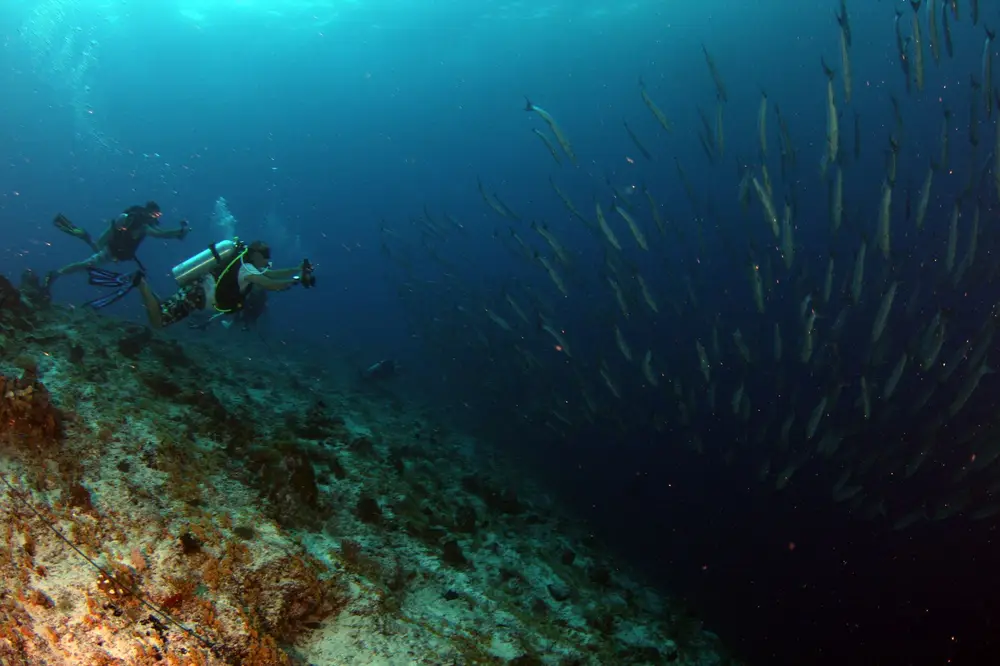
01 Barracuda Point
Barracuda Point is a year-round dive site within Apo Reef Natural Park, Philippines, known for encounters with schooling barracuda and healthy coral.
intermediate
Explore this site → 

Beginner guide
Warm 26–29 °C water year-round, turtles, barracuda, and beginner-friendly reefs. Here's where to start diving in the Philippines.
The Philippines has 119 mapped dive sites ranging from shallow beginner reefs to deep wrecks and open-ocean walls. Water stays between 26 °C and 29 °C all year, so there's no bad season to show up — just different trade-offs in crowd levels and surface conditions. If you're newly certified or still building confidence underwater, the country has genuine options that don't require you to share the water with technical divers.
The reefs, walls and wrecks worth the trip — each with real conditions, seasons and marine life.
01 Barracuda Point is a year-round dive site within Apo Reef Natural Park, Philippines, known for encounters with schooling barracuda and healthy coral.
 02
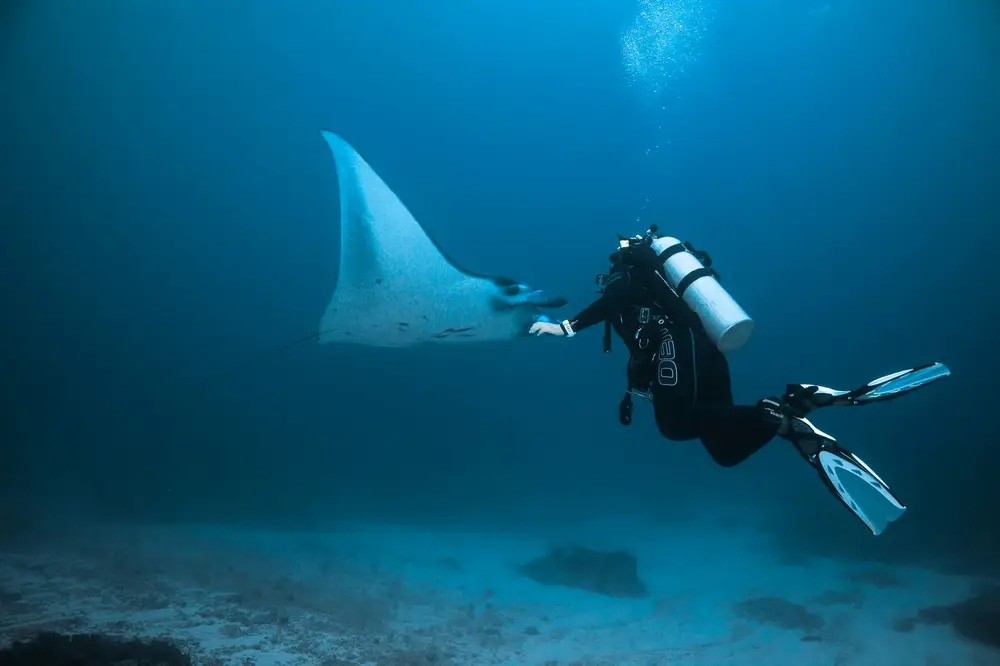
02 Manta Point at Apo Reef Natural Park offers year-round manta encounters in a protected marine zone with healthy coral.
 03
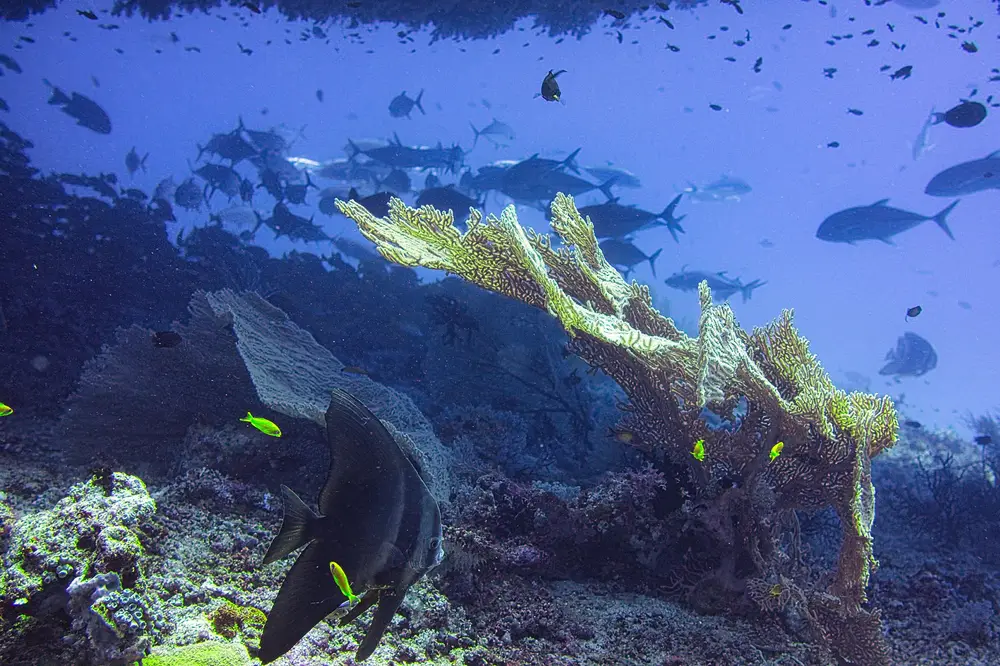
03 Monad Shoal offers year-round diving in the Philippines with documented marine life and active community engagement.
 04
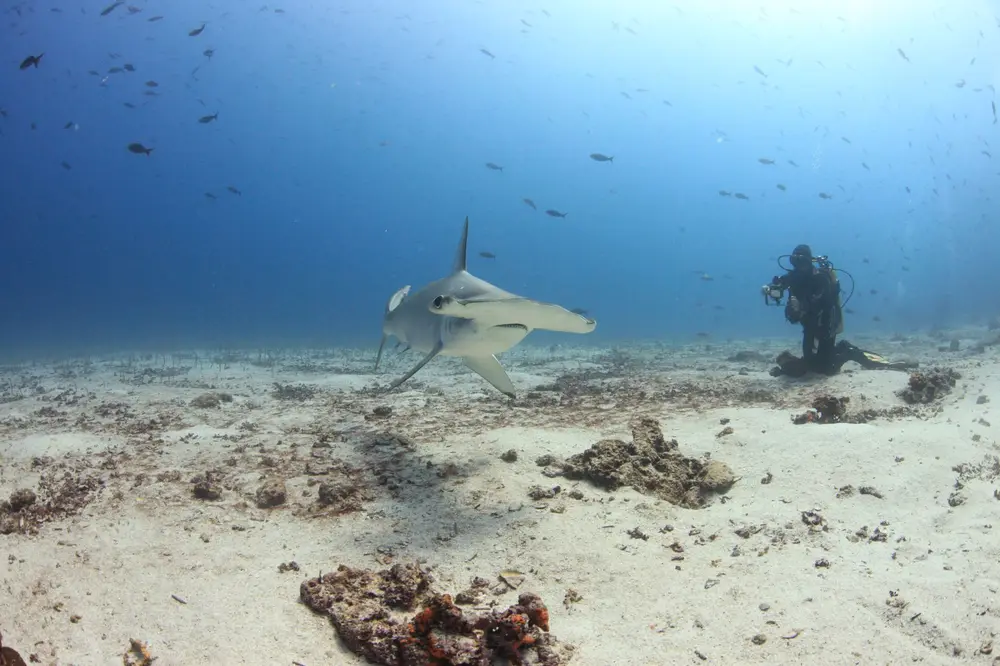
04 Shark Ridge at Apo Reef is an advanced deep-wall dive in the Philippines' premier marine park, known for pelagic encounters and pristine coral.
 05
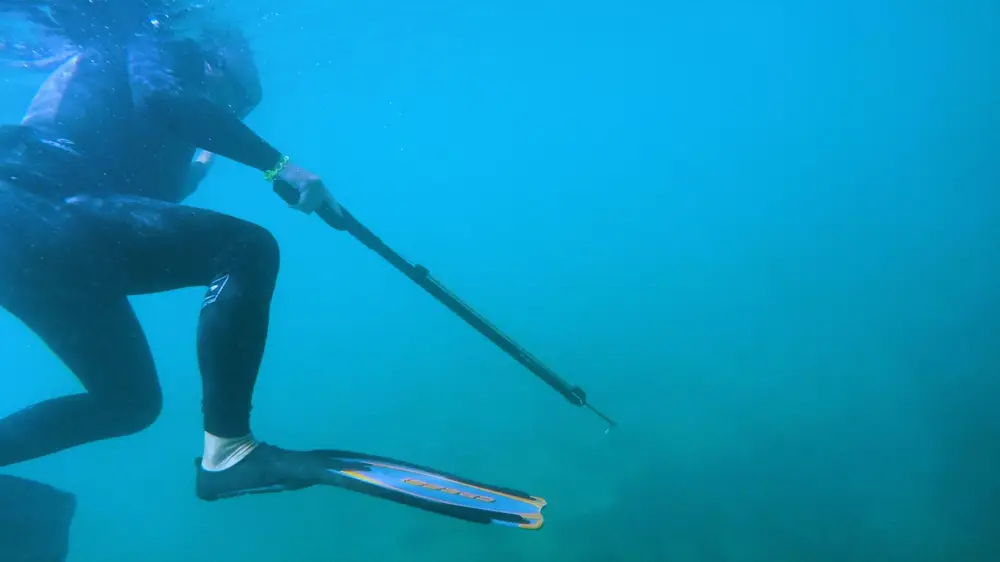
05 Advanced divers descend to Monad Shoal off Malapascua to witness thresher sharks at their cleaning station, a rare pelagic encounter 18–30m deep.
 06
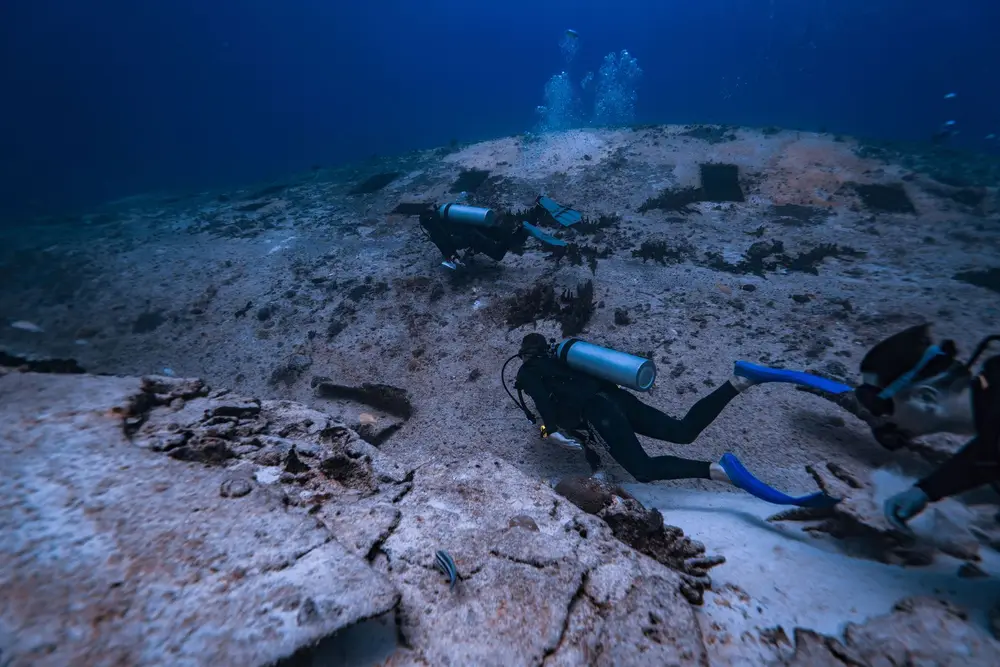
06 Amos Rock at Tubbataha's North Atoll is an advanced drift dive in the Philippines reaching 40m, within a protected marine park.
 07
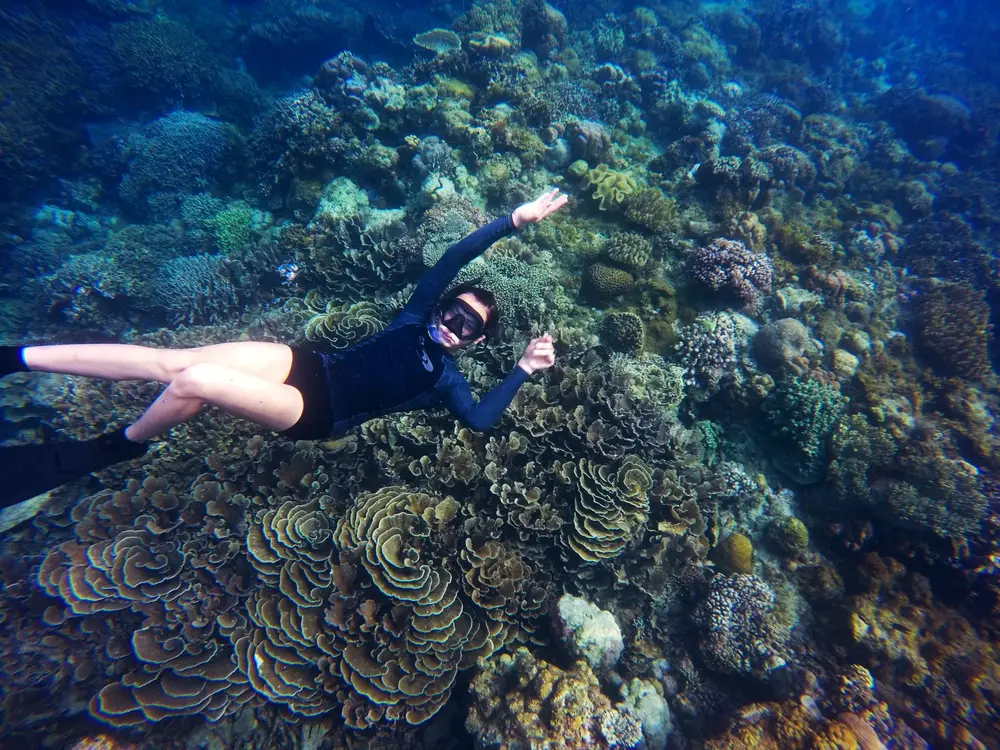
07 Jessie Beazley Reef at Tubbataha offers advanced divers pristine coral walls and pelagic encounters in a protected marine park.
 08
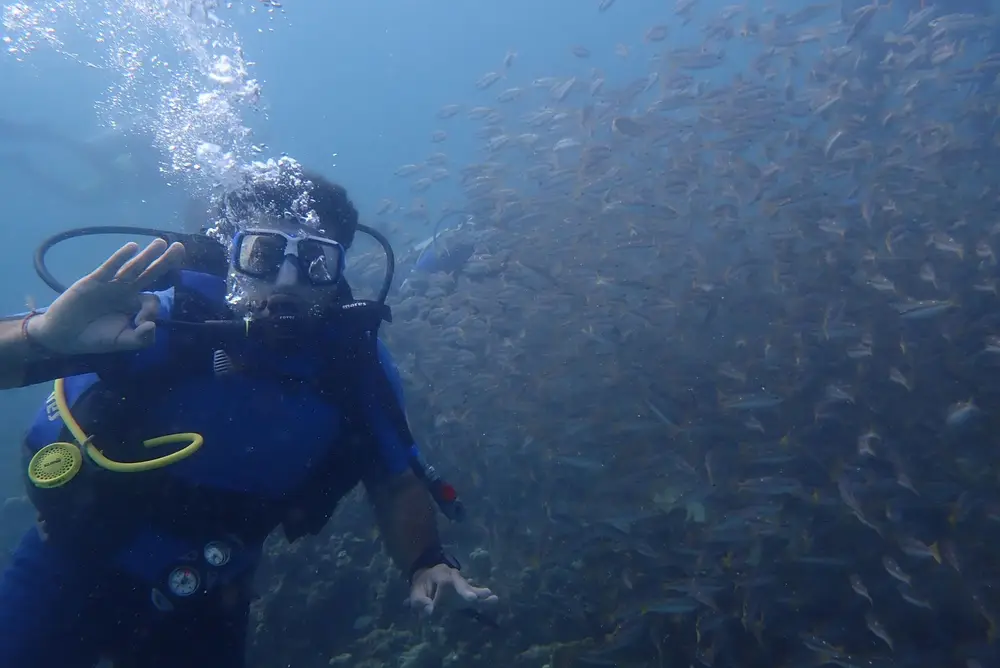
08 Yapak Dive is a year-round Philippine dive destination with healthy coral and documented marine biodiversity.
For context on what else exists: intermediate sites like Balicasag — Rico's Wall (8–35 m) and Moalboal — Pescador Island (5–35 m) are within reach once you have 10–20 logged dives. Advanced sites like Coron's IRAKO Wreck (28–42 m) and Tubbataha's open atolls require experience and often liveaboard logistics.
The Philippines is diveable year-round, and that's not marketing — the water temperature genuinely stays in the 26–29 °C band regardless of month. The archipelago is large enough that when one coast is affected by swell or rain, another is usually sheltered. The Visayas and Camiguin sites above tend to be calmest between March and June. If you're planning around a specific region, check local weather patterns rather than a single national calendar.
Yes, with some planning. The beginner-rated sites listed here have clear water and calm conditions, and most dive operators in tourist areas are accustomed to working with newly certified divers. The country also has strong PADI infrastructure if you want to complete your Open Water course in-country. The main thing to watch: not every famous site is beginner-appropriate. Yapak in Boracay (30–40 m, strong current) and Monad Shoal in Malapascua (18–30 m, pre-dawn dives) are often talked about but genuinely require experience.
Green sea turtles appear regularly across the shallower reef sites — Mantigue Island in particular has a reputation for reliable sightings. Great barracuda show up at multiple sites, often hovering in loose groups near reef edges. As you progress to intermediate sites, schools of sardines at Moalboal and Padre Burgos become accessible.
Do I need a divemaster for beginner sites in the Philippines? Yes — Philippine regulations and most operators require certified divers to dive with a guide regardless of experience level. Budget for this when planning costs.
What's the visibility like at beginner sites? Baluarte, Katipanan, and Mantigue Island all record 20 m visibility, which is good enough to see the reef clearly and stay oriented.
Can I see turtles as a beginner diver? Green sea turtles are recorded across Philippine sites, including shallower reefs accessible to beginners. Mantigue Island is a reasonable bet.
Is the water cold? No. At 26–29 °C year-round, a 3 mm wetsuit is usually enough. Some divers use a shorty or a rash guard in the warmer months.
≈ 42 m · The seabed
Thousands more dive sites are waiting in the blue — pick your next descent.