 01
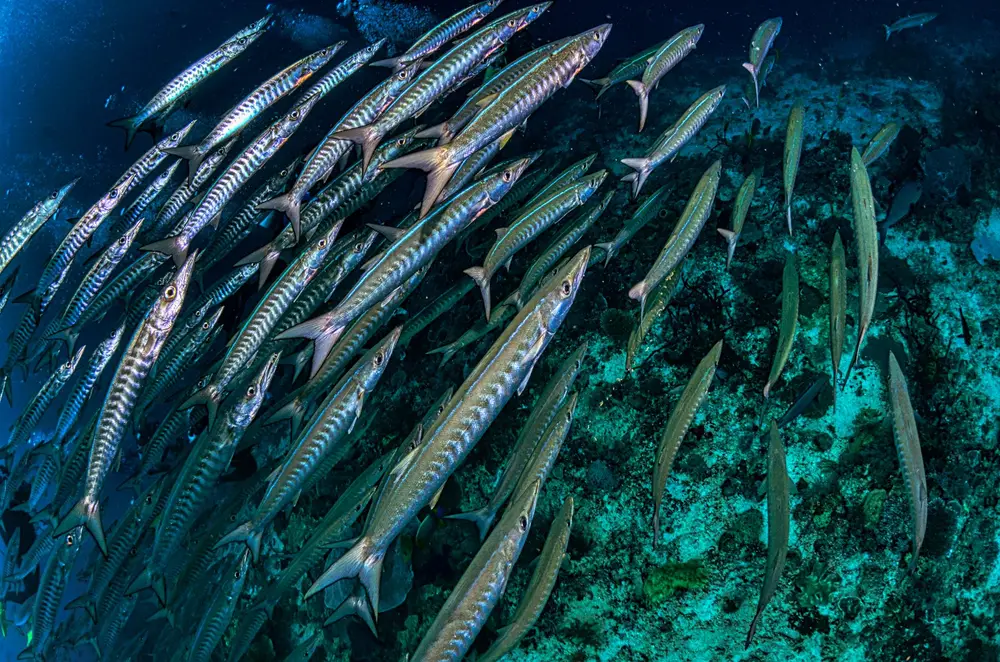
01 Barracuda Point
Barracuda Point is an Indonesia dive site known for encounters with barracuda and other pelagic species year-round.
intermediate
Explore this site → 

Beginner guide
Indonesia has 323 dive sites, warm water year-round, and genuine beginner spots with mantas, turtles & reefs. Here's where to start.
Indonesia has 323 mapped dive sites across an archipelago that stretches wider than the continental US. Water stays between 22–30 °C year-round, visibility regularly hits 20–25 m, and several regions have purpose-built beginner sites where you can see manta rays on your third-ever dive. The challenge isn't finding somewhere to dive — it's choosing where.
The reefs, walls and wrecks worth the trip — each with real conditions, seasons and marine life.
01 Barracuda Point is an Indonesia dive site known for encounters with barracuda and other pelagic species year-round.
 02
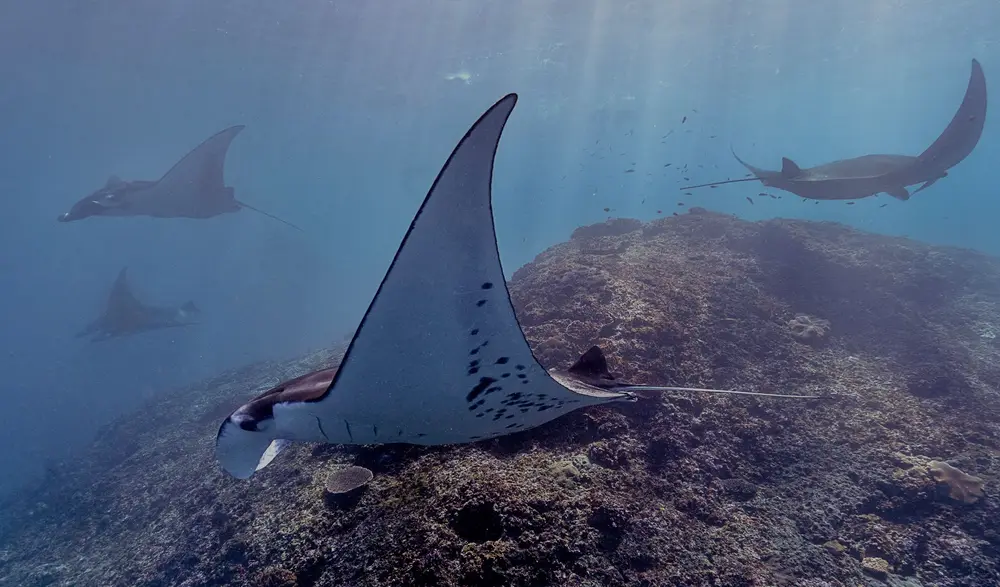
02 Makassar Reef's Manta Point is a year-round manta ray destination off Indonesia's coast with documented marine sightings.
 03
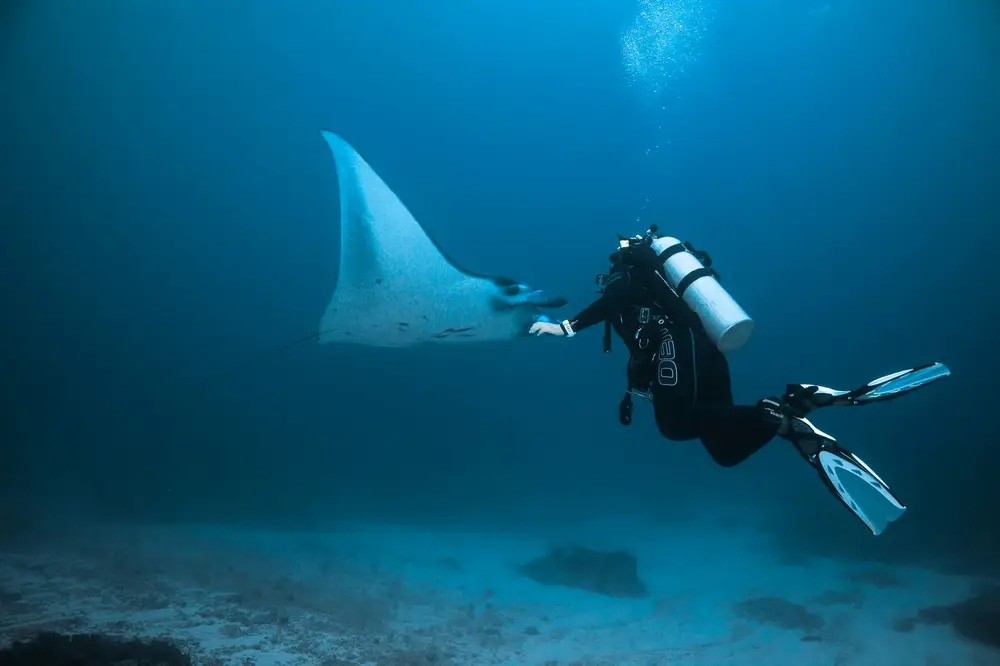
03 Manta Point in Indonesia's Gili Islands marine reserve offers reliable manta ray encounters year-round in a protected area.
 04
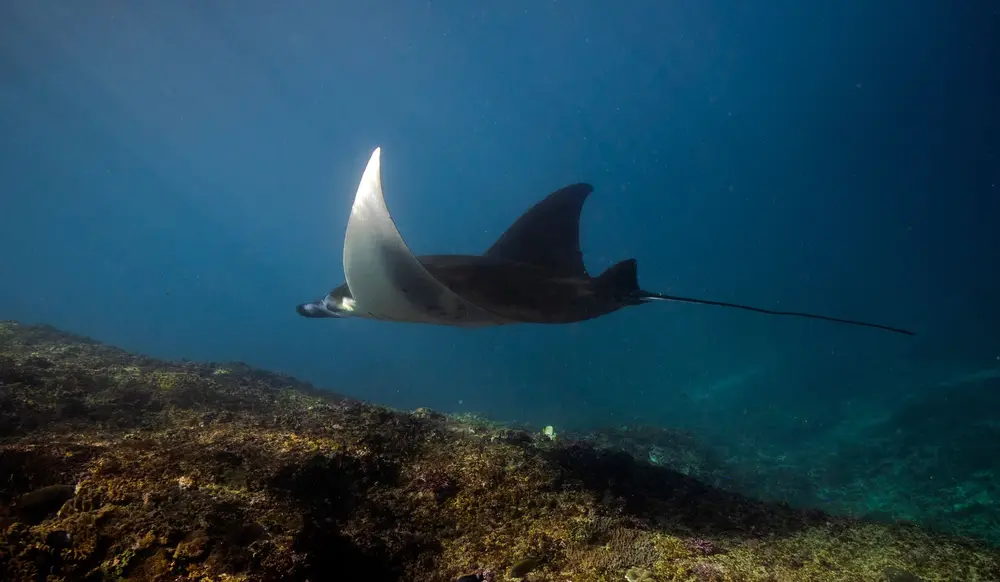
04 Manta Point in Indonesia offers year-round diving with reliable manta ray encounters and diverse marine species in East Nusa Tenggara.
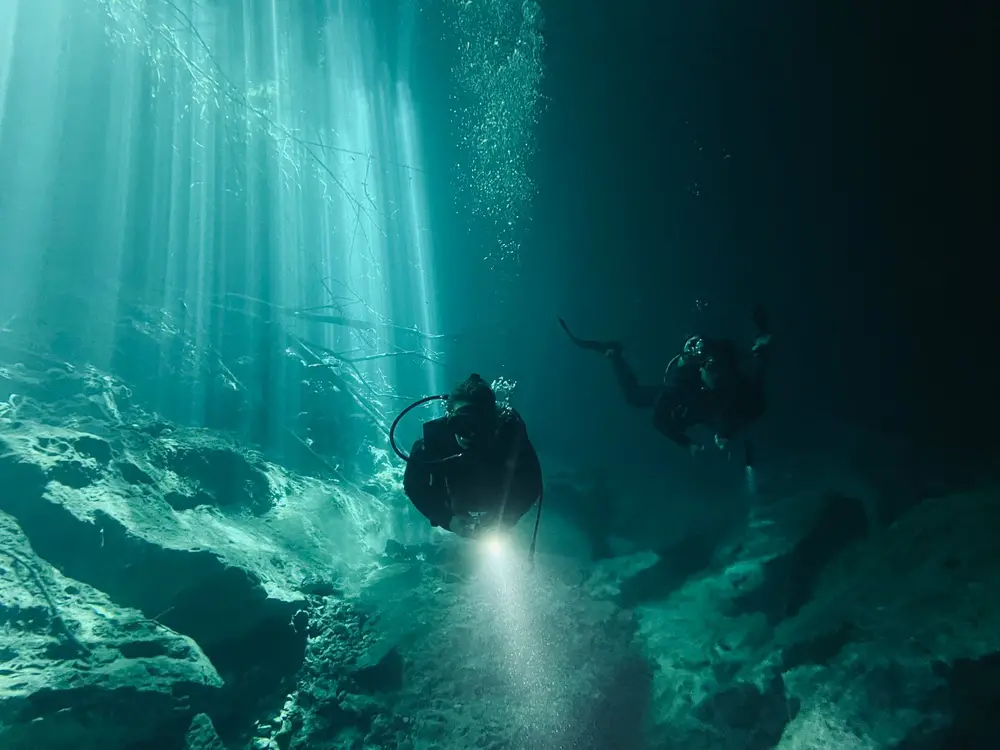 05
05 The Cathedral is a year-round Indonesian dive destination with 12 documented species observations and active community video content.
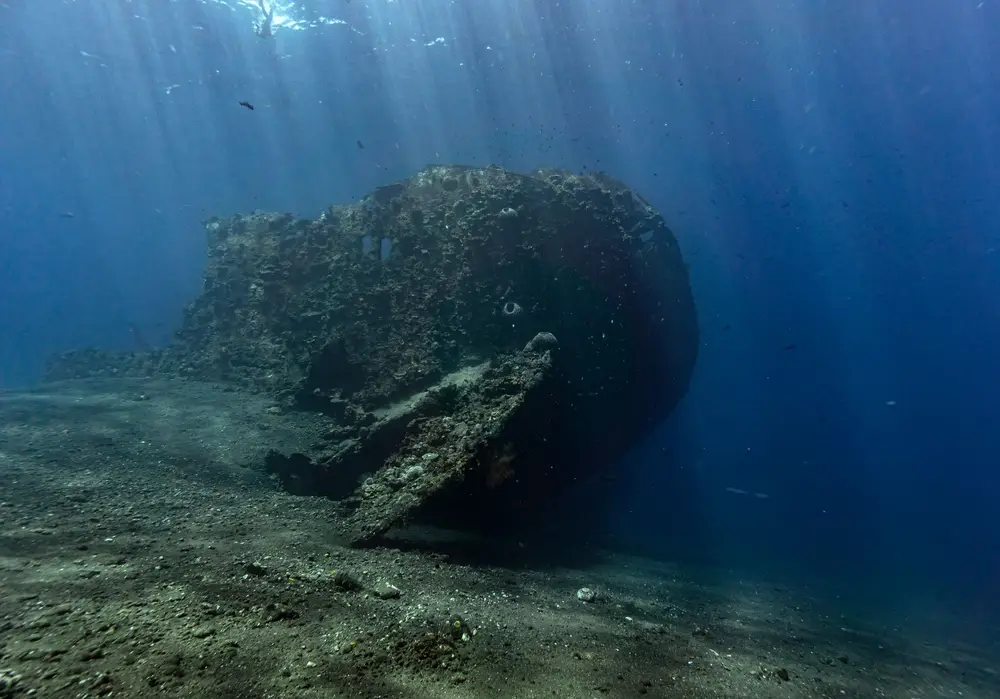 06
06 The USAT Liberty is a fully-submerged WWII transport wreck off Tulamben, Bali. Prolific marine life and accessible penetration make it one of Indonesia's most-dived wrecks.
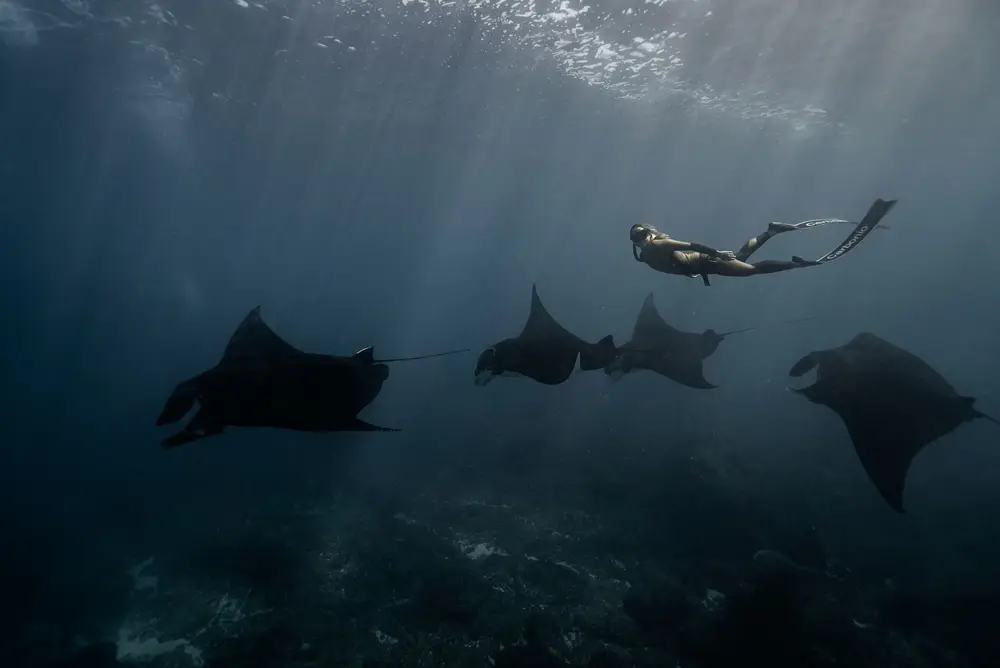 07
07 Reliable reef manta cleaning station off Bali's neighboring island. 80% sighting rate.
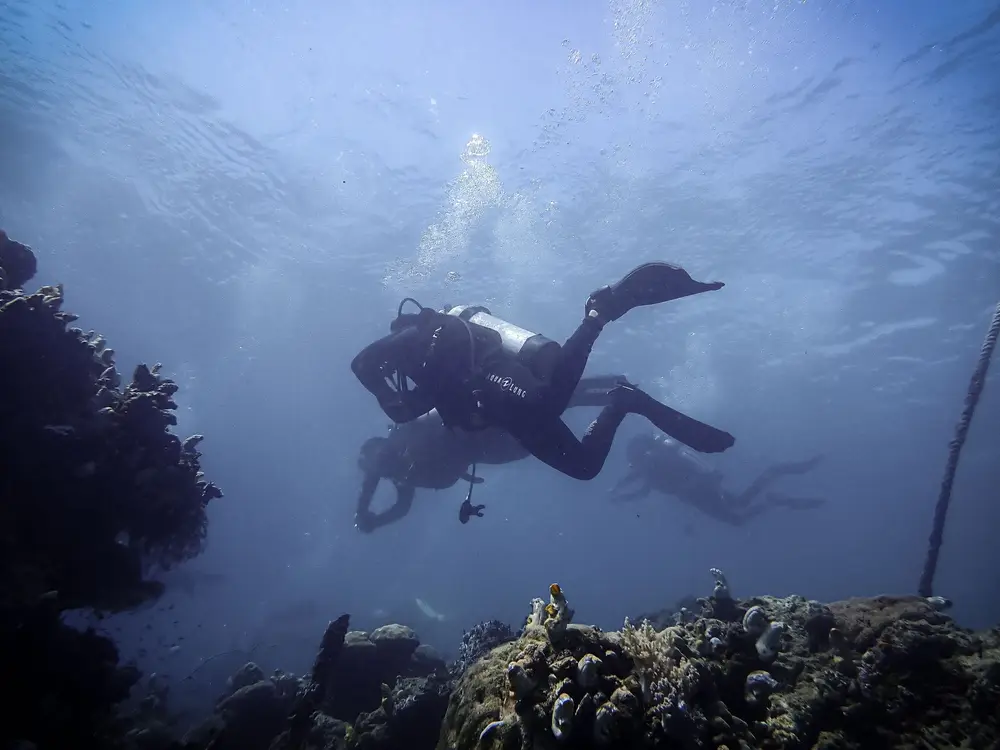 08
08 Wall + drift combo in eastern Indonesia, dolphins on surface intervals, untouched coral reefs.
For context, sites like Komodo's Batu Bolong (advanced) and Cape Kri (intermediate, drops to 530 m) exist in the same country — Indonesia has range. Beginners should be selective about where they start.
Year-round, with nuance by region. Water temperature holds between 22–30 °C across the archipelago regardless of season. Bali and Nusa Penida are generally calmer April–October. Raja Ampat's peak season runs October–April. If you're targeting manta rays at Nusa Penida's Manta Sandy, June–September sees the most reliable encounters.
Yes, provided you pick the right sites. The beginner-rated sites listed above have shallow profiles, good visibility, and are typically dived with local guides who know the conditions. Avoid strong-current sites like Batu Bolong or Nusa Penida's Manta Point until you have more dives logged. Many operators in Bali and Raja Ampat run dedicated discover scuba or entry-level programmes.
Indonesia's marine life list is serious: manta rays, hawksbill turtles, blacktip reef sharks, great barracuda, honeycomb moray eels, common octopus, and nudibranchs in more colour variations than most divers can identify. Beginners at Nusa Penida's Manta Sandy regularly encounter mantas on their first open-water dives. Nudibranchs reward slow, observant divers at almost every site.
Do I need a dive certification to dive in Indonesia? Most sites require at least an Open Water certification. Some operators offer Discover Scuba Diving experiences at beginner sites for uncertified divers under direct supervision.
What visibility can beginners expect? Beginner sites typically offer 15–20 m visibility. Conditions vary by season and site, but Indonesia's clear water is one of its genuine strengths.
Is Nusa Penida safe for beginners? Manta Sandy is beginner-rated and generally calm. Manta Point is intermediate due to stronger currents — check conditions with your operator before committing.
What water temperature should I expect? Between 22–30 °C depending on depth and region. A 3 mm wetsuit works for most sites; go to 5 mm if you plan multiple dives per day or dive deeper.
≈ 42 m · The seabed
Thousands more dive sites are waiting in the blue — pick your next descent.