 01
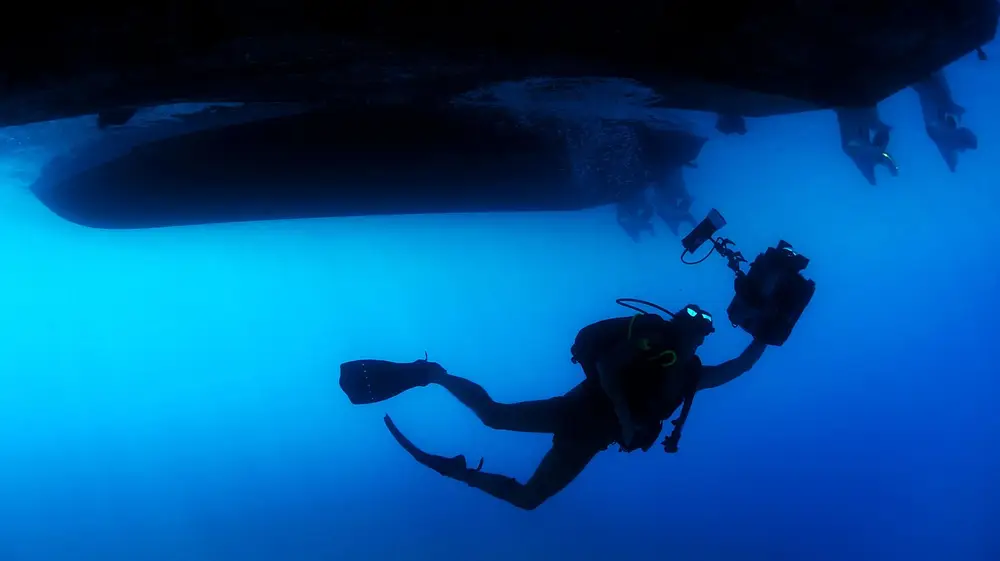
01 Navy Pier (Exmouth)
Intermediate wreck and reef dive in Ningaloo Marine Park. Shallow protected site off Exmouth with good structure for all seasons.
⇩5–14 m intermediate
Explore this site → 

Family guide
Australia's 61 dive sites span tropical reefs, historic wrecks, and temperate kelp forests. Dive year-round, 10–29°C, all skill levels.
Australia has 61 mapped dive sites ranging from the warm coral gardens of the Great Barrier Reef to the cold, kelp-draped piers of Victoria — water temperatures swing from 10°C in the south to 29°C in the tropical north. That range means you pack a 3mm wetsuit for Queensland and a 7mm for Port Phillip Bay, but it also means the marine life variety is genuinely hard to match anywhere on earth. Whether you're doing your first open-water dives or chasing deep wall dives, there's a site calibrated to your level.
The reefs, walls and wrecks worth the trip — each with real conditions, seasons and marine life.
01 Intermediate wreck and reef dive in Ningaloo Marine Park. Shallow protected site off Exmouth with good structure for all seasons.
 02
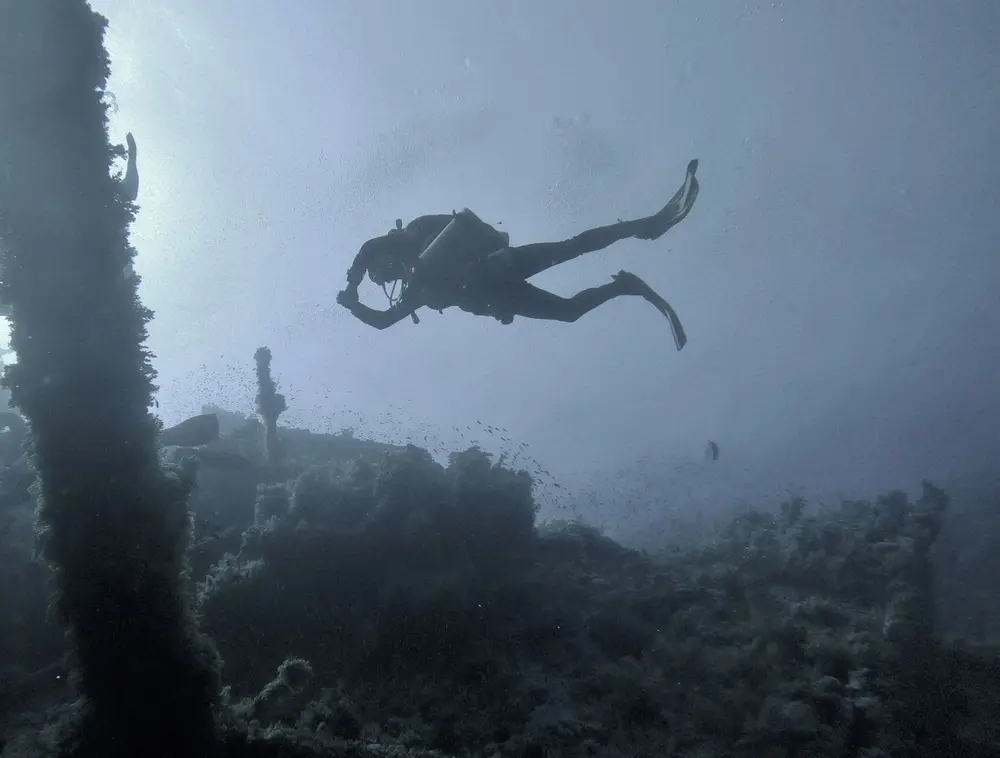
02 Ammunition Jetty near Perth offers year-round diving with healthy coral and reliable marine encounters in Western Australia's temperate waters.
 03
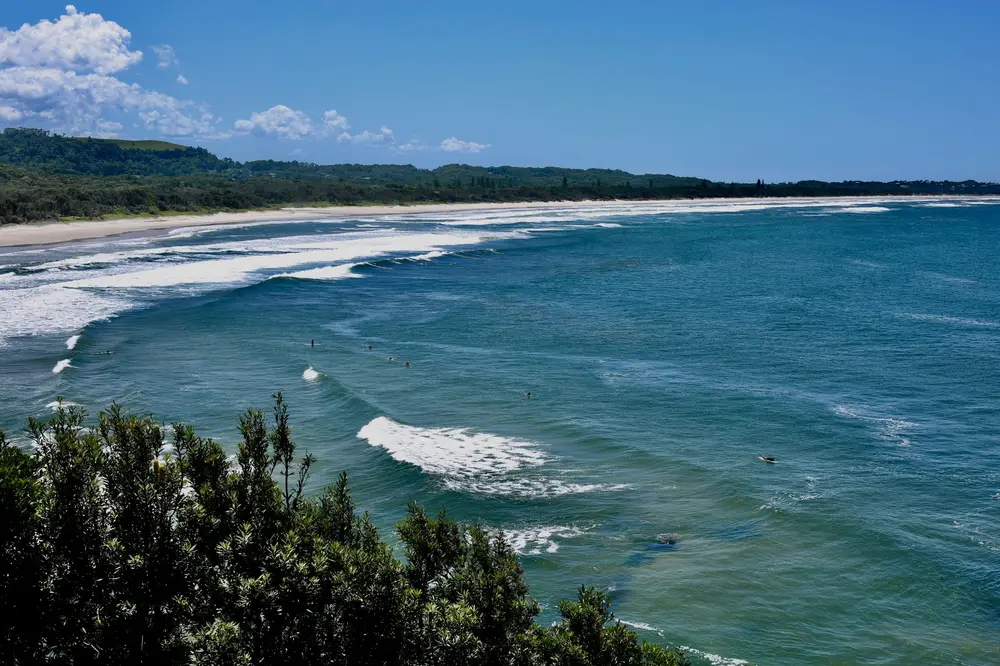
03 Bay Beach Hire offers year-round surfing on Australia's coast with accessible conditions for all skill levels.
 04
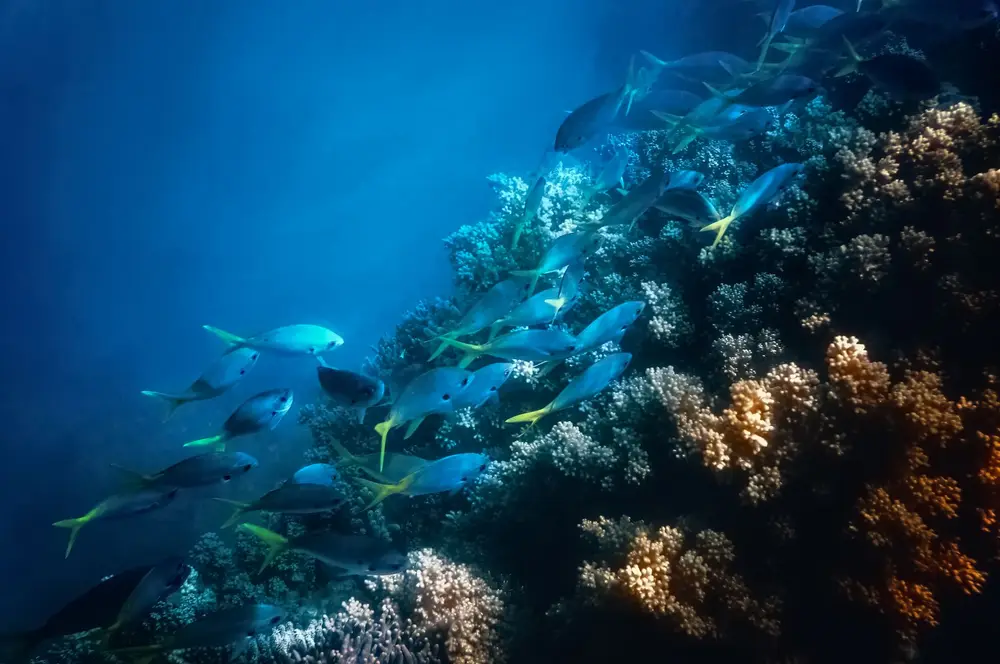
04 Blue Fish Wall is a year-round Australian dive site with no marine protection restrictions and minimal coral stress.
 05
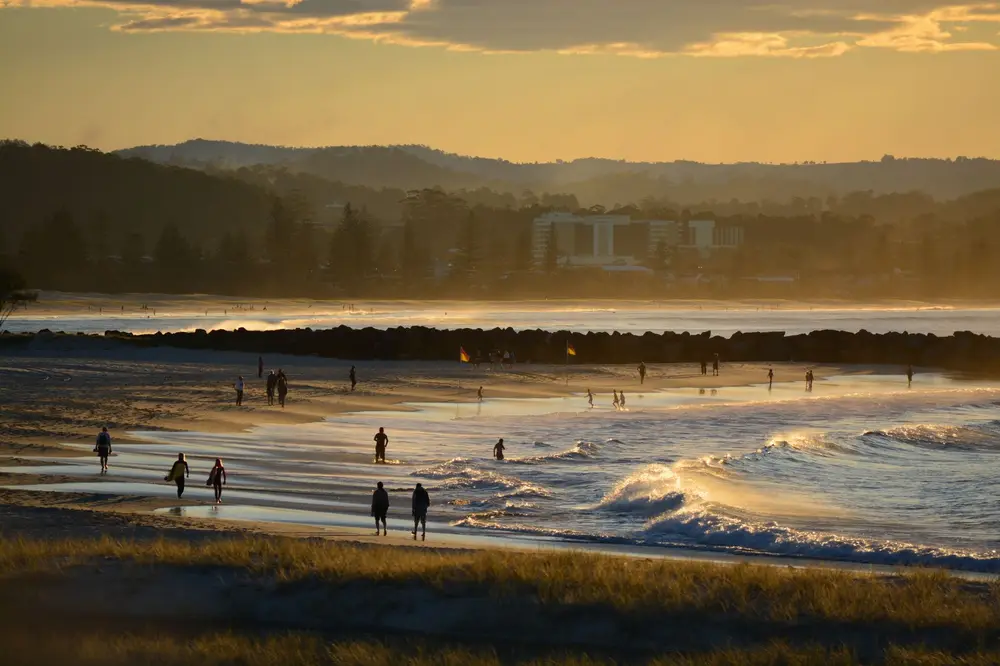
05 Boardriders Coolangatta offers consistent waves year-round on Australia's Gold Coast. A reliable reef and beach break with strong community support.
 06
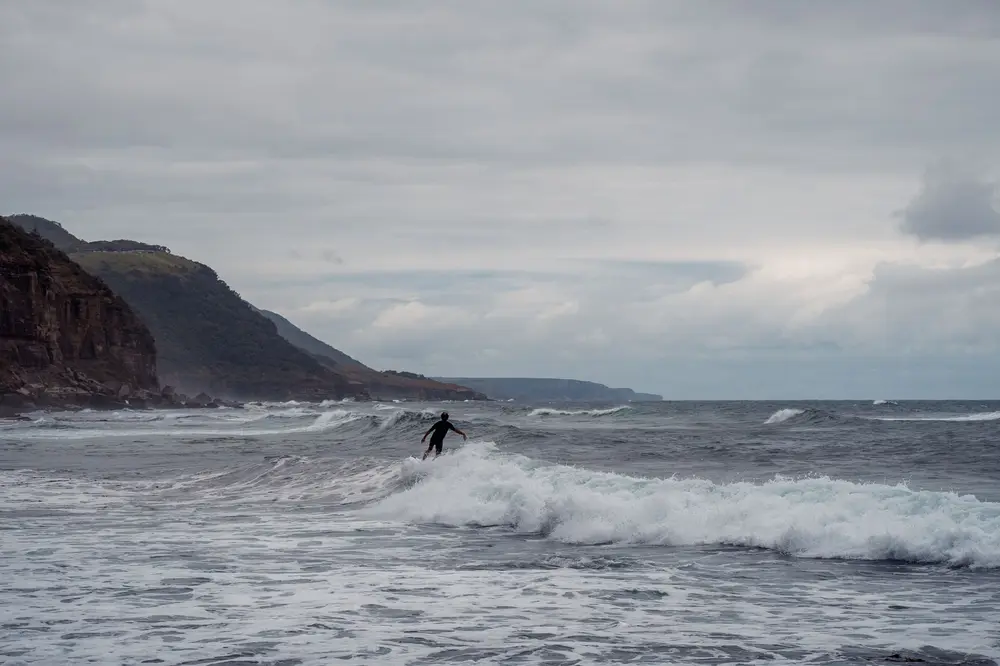
06 Bower is a year-round Australian surf spot near Sydney, located within Cabbage Tree Bay Aquatic Reserve with consistent local community activity.
 07
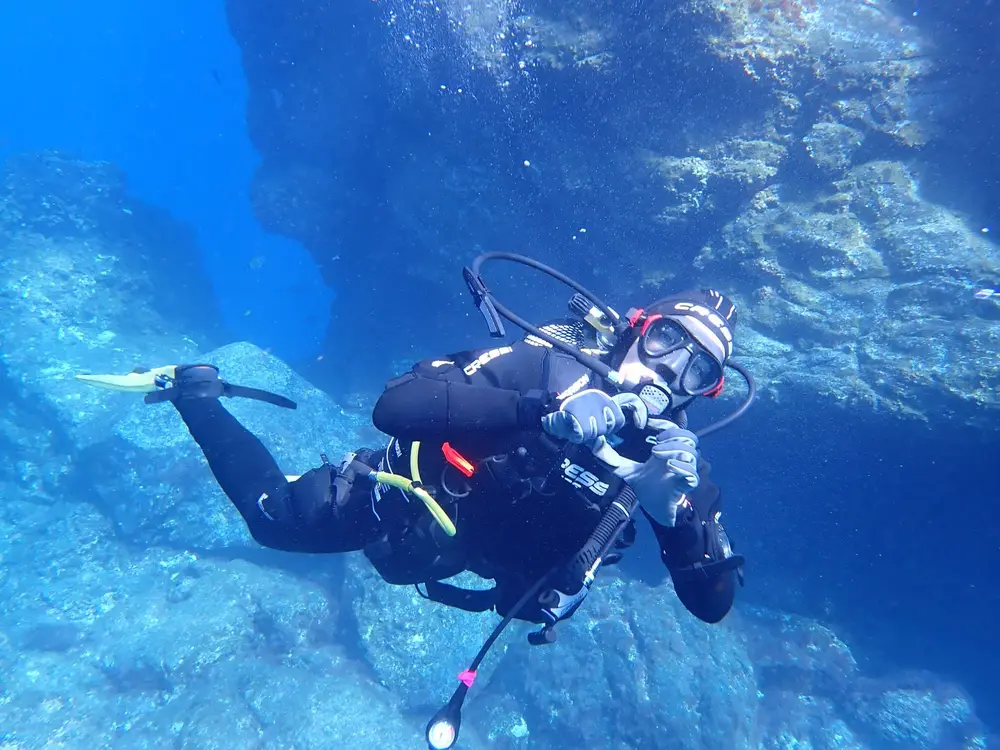
07 Cabbage Tree Island is a pristine nature reserve dive in New South Wales offering year-round exploration of a protected marine environment.
 08
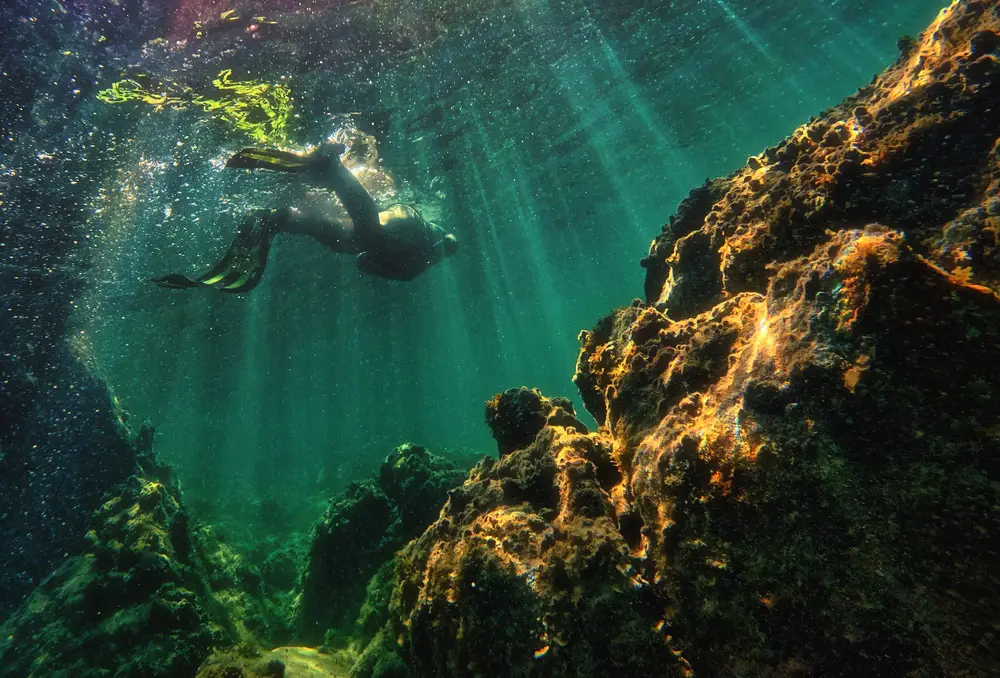
08 Castle Rock is a reef dive spot near Point Lonsdale offering year-round access to diverse marine life in Australian waters.
Australia is a year-round destination because the country spans so many climate zones. The GBR and Coral Sea are best June–October (dry season, calmer seas, 24–27°C). Exmouth and the Ningaloo Coast peak March–July. Southern sites like Portsea and Merimbula are diveable all year; summer (December–February) brings the warmest water at around 18–20°C down south. The SS Yongala is accessible most of the year but can be cut off by cyclone swells June–August.
Yes — roughly half the listed sites are rated beginner. The Whitsundays pontoon sites and Agincourt Reef offer 25 m visibility and gentle conditions, making them among the easiest warm-water introductions anywhere. Southern pier dives like Portsea and Merimbula are shallow and sheltered, good for skills practice in cooler water.
Green sea turtles appear at multiple GBR sites and are almost guaranteed at Moore Reef. Blacktip reef sharks patrol Osprey Reef and outer ribbon reefs. Common octopus show up on the southern pier dives and in the Whitsundays. Deeper and more remote sites add bull sharks, potato cod, wobbegongs, and Coral Sea pelagics.
Do I need a liveaboard to dive the Coral Sea? For Osprey Reef and the outer Ribbon Reefs, yes — day boats don't reach them. Cairns and Port Douglas are the main liveaboard departure points, with trips typically running 3–7 nights.
What certification do I need for the SS Yongala? Most operators require Open Water certification plus a logged dive count (often 15+). The wreck itself is not penetrated, but current and depth make it unsuitable for true beginners.
Is the water cold in southern Australia? Southern sites like Portsea Pier sit around 10–14°C in winter. A 7mm wetsuit or drysuit is practical from May through September.
Can I see sharks without a dedicated shark dive? Blacktip reef sharks are common on the outer GBR and Coral Sea reefs without any baiting. Nurse sharks rest under Navy Pier year-round.
≈ 42 m · The seabed
Thousands more dive sites are waiting in the blue — pick your next descent.