 01
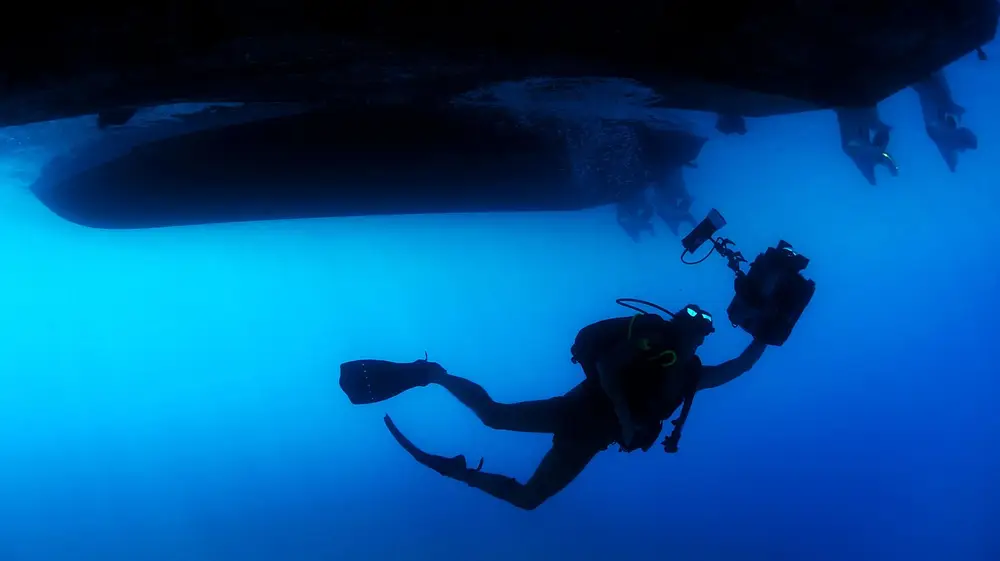
01 Navy Pier (Exmouth)
Intermediate wreck and reef dive in Ningaloo Marine Park. Shallow protected site off Exmouth with good structure for all seasons.
⇩5–14 m intermediate
Explore this site → 

Country guide
Australia's 61 dive sites span tropical reefs, historic wrecks, and cool southern waters. Year-round diving suits all levels, 10–29°C.
Australia holds 61 mapped dive sites across a coastline that runs from tropical Queensland to temperate Victoria and Western Australia — meaning water temperature, marine life, and conditions vary more here than almost anywhere else on the planet. Visibility regularly hits 25 m on the Great Barrier Reef, while southern sites trade coral for kelp forests, piers, and wrecks. Whether you have an open-water cert or 500 logged dives, there's a site calibrated to your level.
The reefs, walls and wrecks worth the trip — each with real conditions, seasons and marine life.
01 Intermediate wreck and reef dive in Ningaloo Marine Park. Shallow protected site off Exmouth with good structure for all seasons.
 02
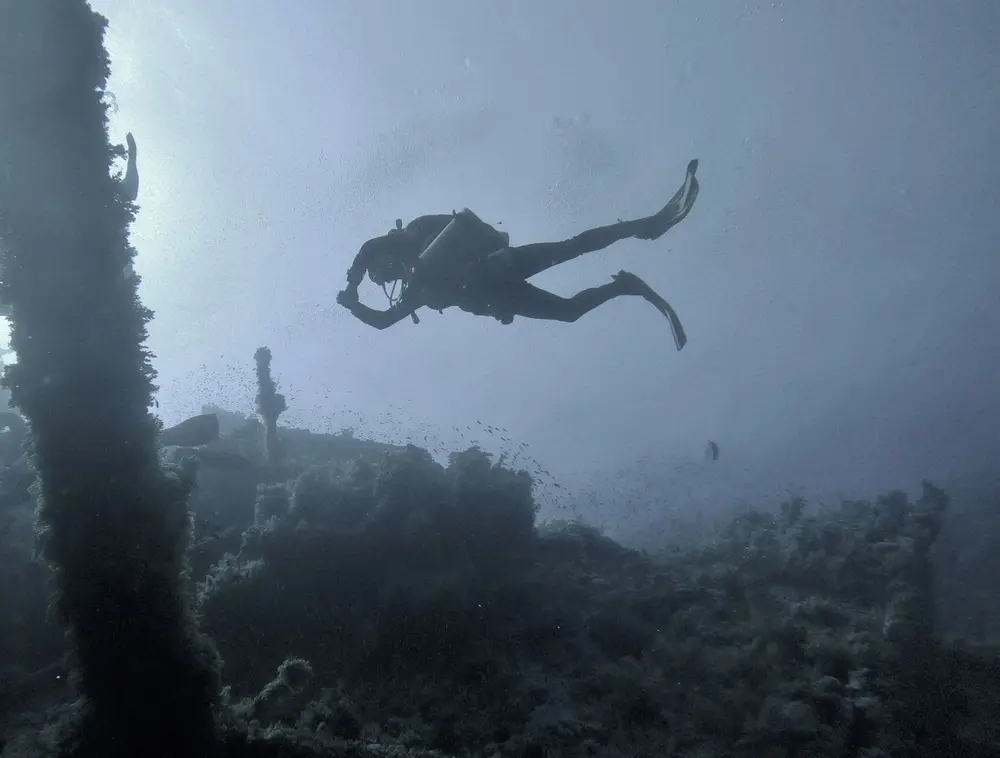
02 Ammunition Jetty near Perth offers year-round diving with healthy coral and reliable marine encounters in Western Australia's temperate waters.
 03
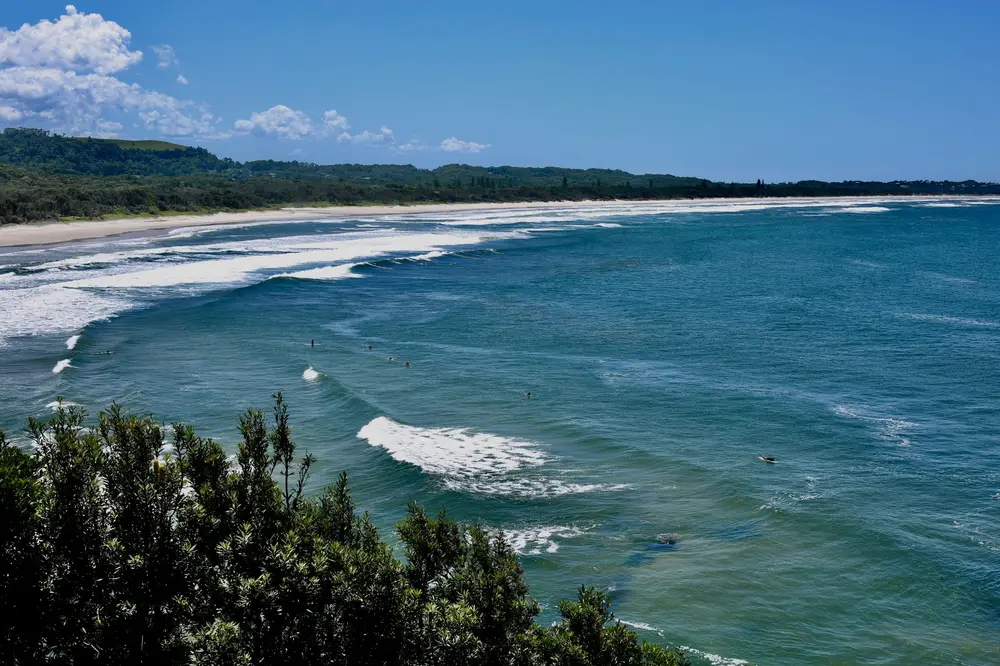
03 Bay Beach Hire offers year-round surfing on Australia's coast with accessible conditions for all skill levels.
 04
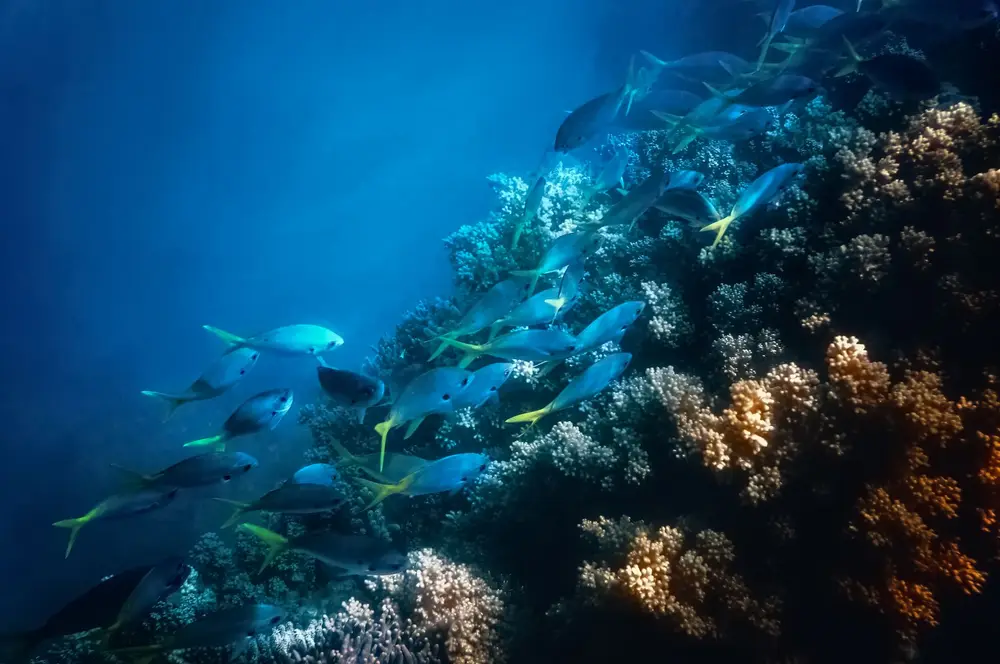
04 Blue Fish Wall is a year-round Australian dive site with no marine protection restrictions and minimal coral stress.
 05
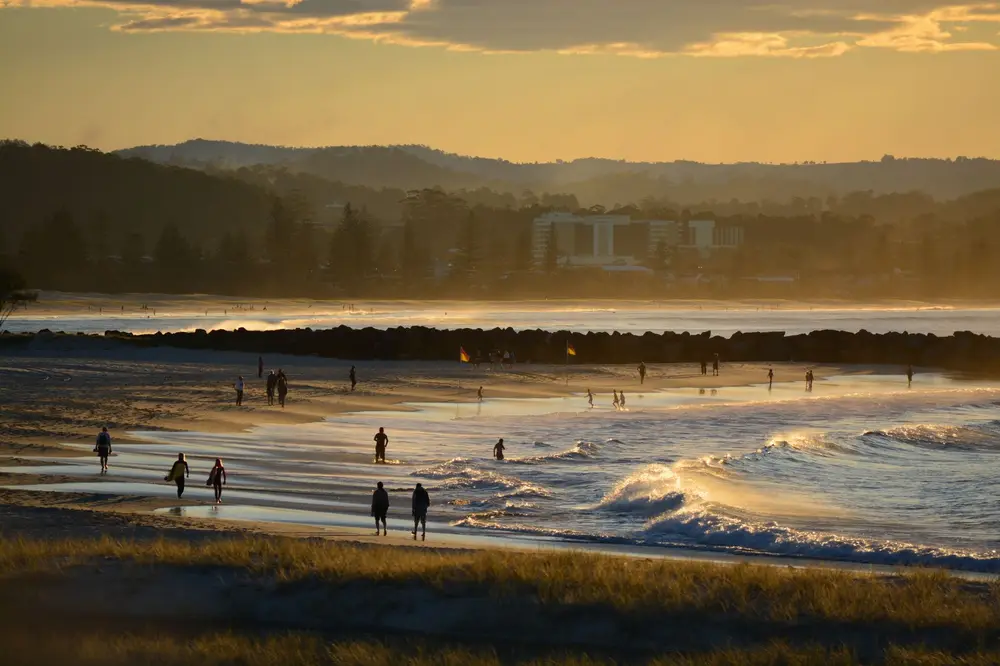
05 Boardriders Coolangatta offers consistent waves year-round on Australia's Gold Coast. A reliable reef and beach break with strong community support.
 06
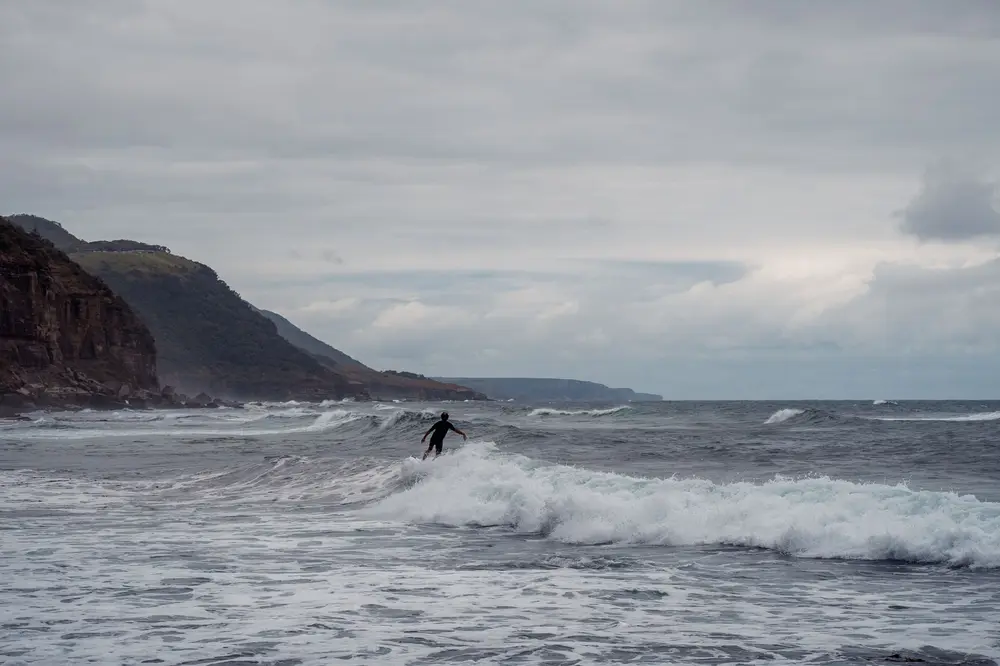
06 Bower is a year-round Australian surf spot near Sydney, located within Cabbage Tree Bay Aquatic Reserve with consistent local community activity.
 07
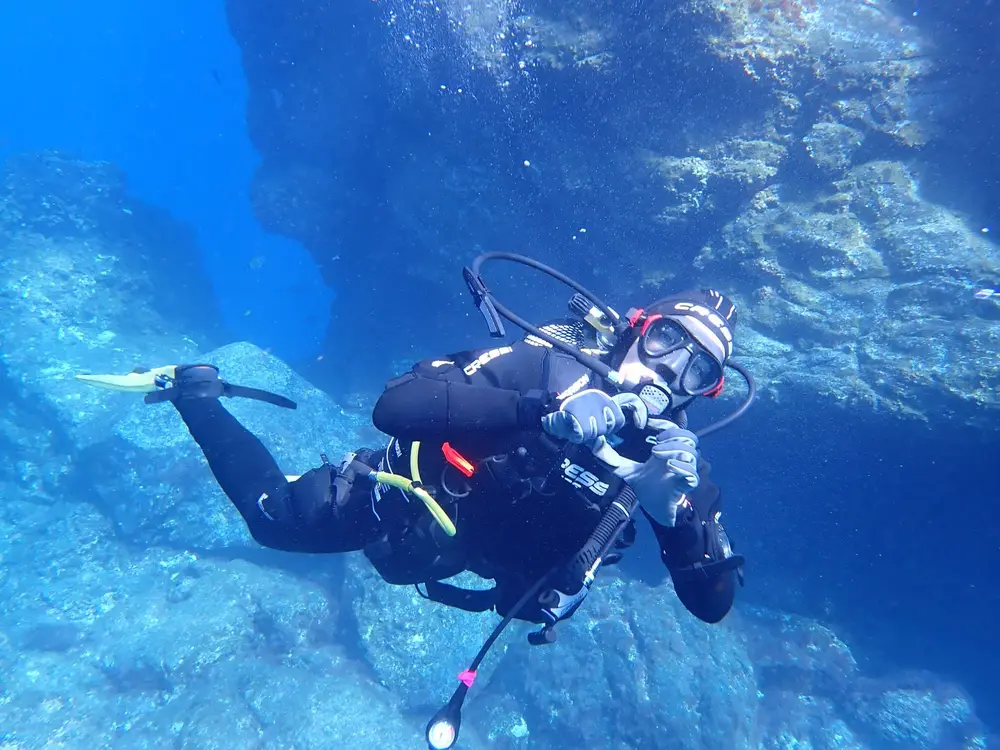
07 Cabbage Tree Island is a pristine nature reserve dive in New South Wales offering year-round exploration of a protected marine environment.
 08
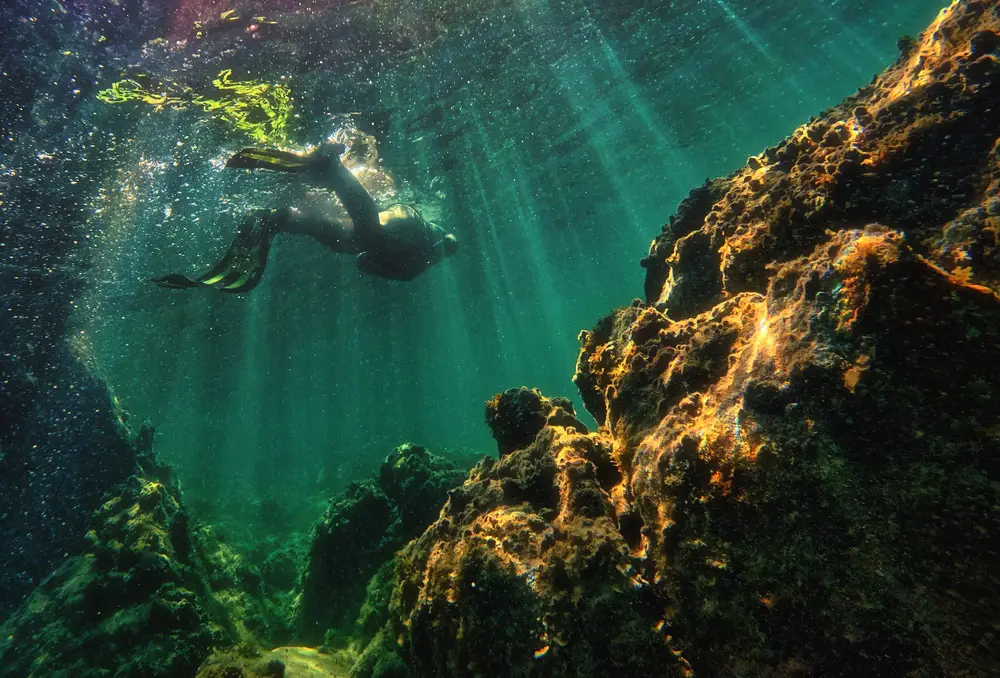
08 Castle Rock is a reef dive spot near Point Lonsdale offering year-round access to diverse marine life in Australian waters.
Australia supports year-round diving because its geography spans multiple climate zones. The GBR is most settled June–October (dry season, calmer seas). Yongala and Osprey Reef are accessible mainly October–May when liveaboards run regularly. Southern sites like Portsea and Merimbula are dived year-round; winter water drops to around 10°C, so a drysuit is practical. Exmouth's Navy Pier is accessible all year.
Yes. Several GBR pontoon and reef sites are specifically rated beginner, with shallow profiles and 25 m visibility that makes orientation straightforward. Pier dives in both WA and Victoria offer calm, sheltered conditions for new divers to build confidence. Advanced sites exist in parallel but are clearly separated by depth and current requirements.
Recorded marine life across Australian sites includes green sea turtles (common on GBR reef dives), blacktip reef sharks (reliably seen at Osprey Reef's North Horn), and common octopus (frequently spotted on southern pier and wharf dives). The SS Yongala hosts an unusually concentrated ecosystem given its isolation on a sandy seafloor.
Do I need a liveaboard to reach the best sites? Not always. Agincourt Reef, Cod Hole day trips, and Navy Pier are all reachable by day boat or shore. Osprey Reef and Ball's Pyramid require liveaboards.
What wetsuit thickness do I need? For GBR (24–29°C) a 3 mm shorty works. For southern sites in winter (10–16°C), a 7 mm wetsuit or drysuit is more appropriate.
Is the SS Yongala really worth the trip? For advanced divers, yes. The wreck sits intact in 16–28 m and is covered in coral, with large pelagics circling it regularly.
Can I dive the GBR without a certification? Several pontoon sites offer supervised introductory dives for uncertified participants in shallow, controlled conditions.
🌊 Water: 10–29°C · 90dive sites. From our 5-year climatology and best-month signal across the sites below.
| Month | Diving 🤿 | Air | Rain | Wind |
|---|---|---|---|---|
| Jan | 68 | 27° | 6mm | 13kn |
| Feb | 68 | 27° | 5mm | 13kn |
| Mar | 68 | 26° | 7mm | 13kn |
| Apr | 68 | 24° | 4mm | 14kn |
| May | 68 | 21° | 3mm | 14kn |
| Jun | 68 | 19° | 2mm | 13kn |
| Jul | 68 | 19° | 3mm | 14kn |
| Aug | 68 | 20° | 2mm | 14kn |
| Sep | 68 | 22° | 2mm | 15kn |
| Oct | 68 | 23° | 2mm | 14kn |
| Nov | 68 | 24° | 3mm | 13kn |
| Dec | 68 | 26° | 4mm | 13kn |
≈ 42 m · The seabed
Thousands more dive sites are waiting in the blue — pick your next descent.