 01
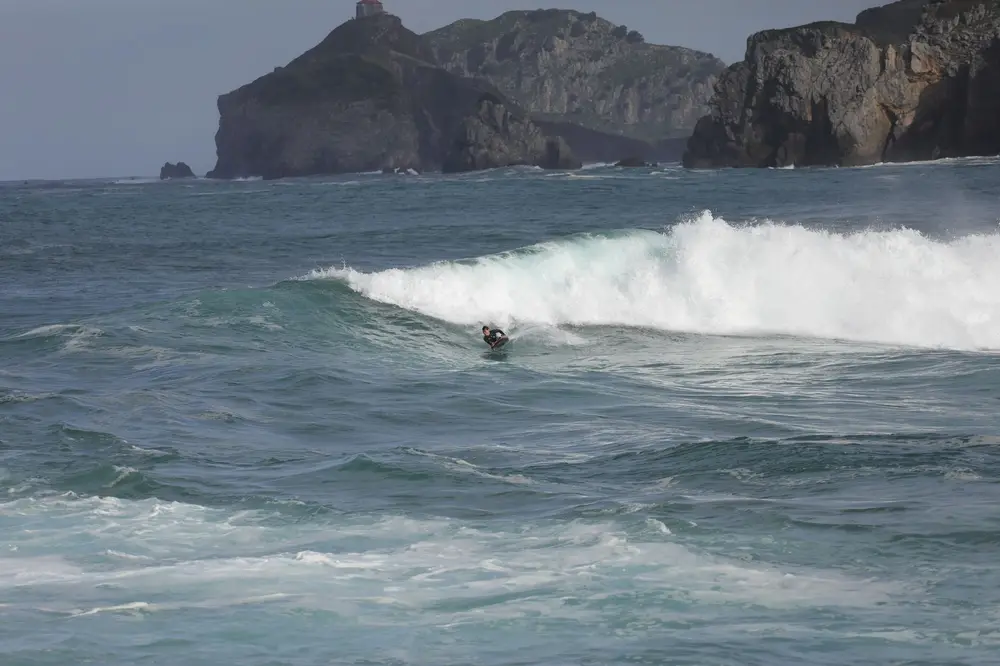
01 A Buraca
A Buraca is a year-round Spanish surf spot near Oia in Galicia, offering consistent waves with a small but active local community.
beginner
Explore this site → 

Country guide
Spain's 91 dive sites span 12–26°C waters year-round, suiting beginners and advanced divers alike. Great barracuda, Med reefs, and Atlantic seamounts await.
Spain has 91 published dive sites stretching from the Catalan coast and Balearic Islands to the volcanic waters off El Hierro in the Atlantic. Water temperatures swing between 12°C in winter and 26°C in summer, so what you pack depends heavily on where and when you go. Beginners and experienced divers both find sites built for them here.
The reefs, walls and wrecks worth the trip — each with real conditions, seasons and marine life.
01 A Buraca is a year-round Spanish surf spot near Oia in Galicia, offering consistent waves with a small but active local community.
 02
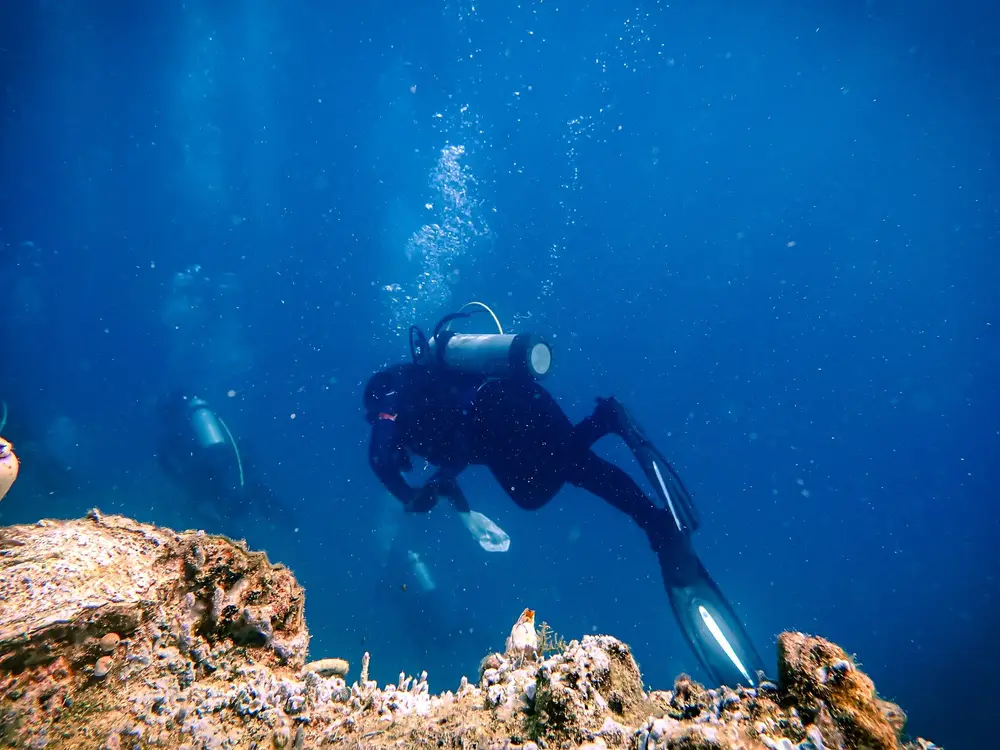
02 Aiguablava near Begur offers year-round diving in coastal Catalonia with documented marine life and active local community.
 03
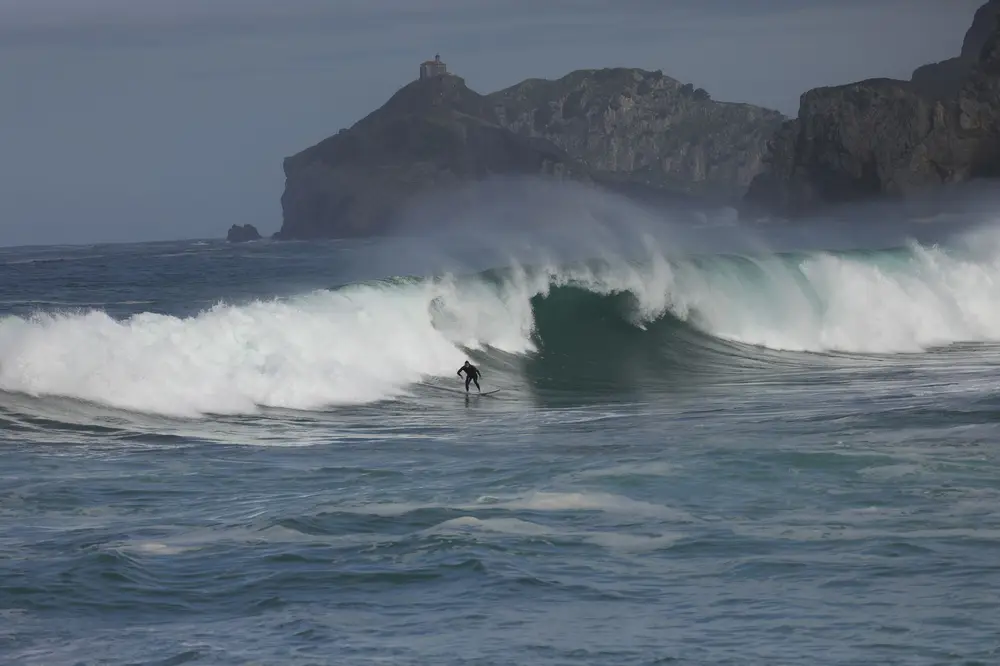
03 Alma is a Spanish surf break with year-round potential and a small but active community. Located near Arrietara beach, it offers consistent opportunities for surfers.
 04
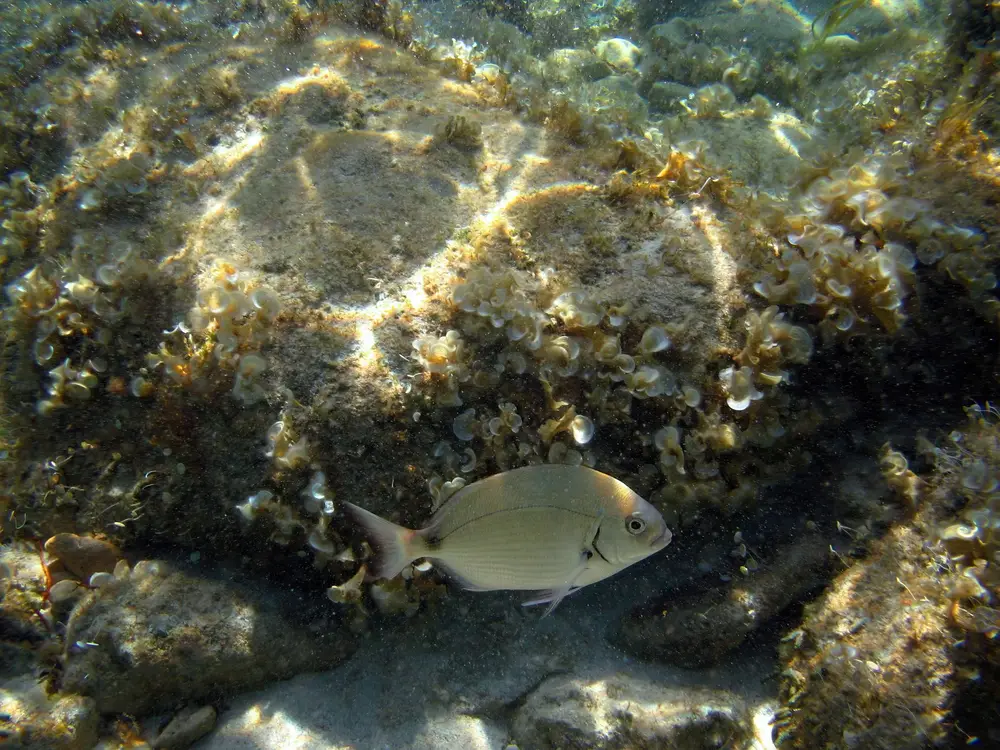
04 Arco de Formentera is a protected dive site in Spain's Parc natural de ses Salines, offering year-round access to Mediterranean marine life.
 05
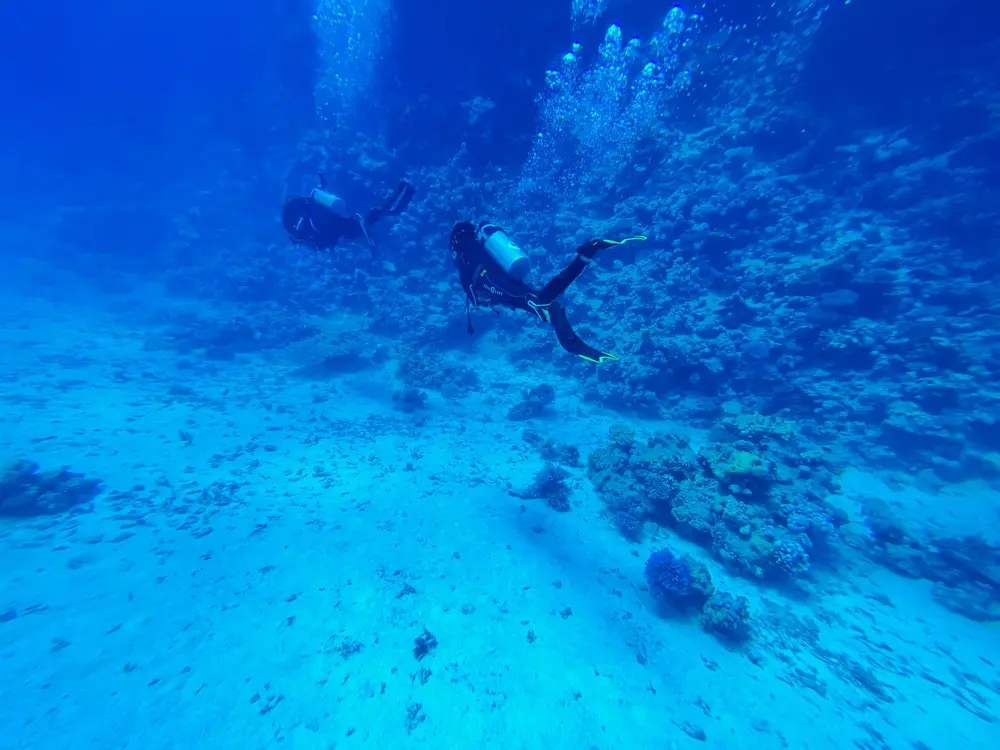
05 Arrecifal is a year-round Spanish dive site near La Restinga on El Hierro Island, offering consistent access and healthy reef conditions.
 06
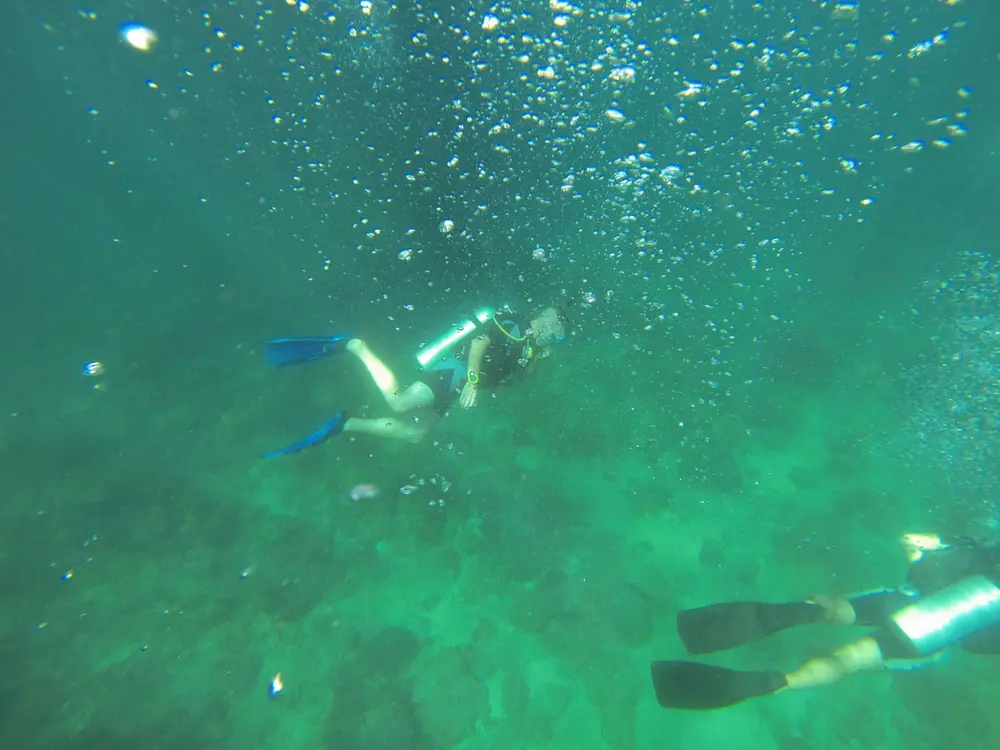
06 Badia de Tamariu is a year-round Spanish dive destination with 12 documented species observations and an active community video collection.
 07
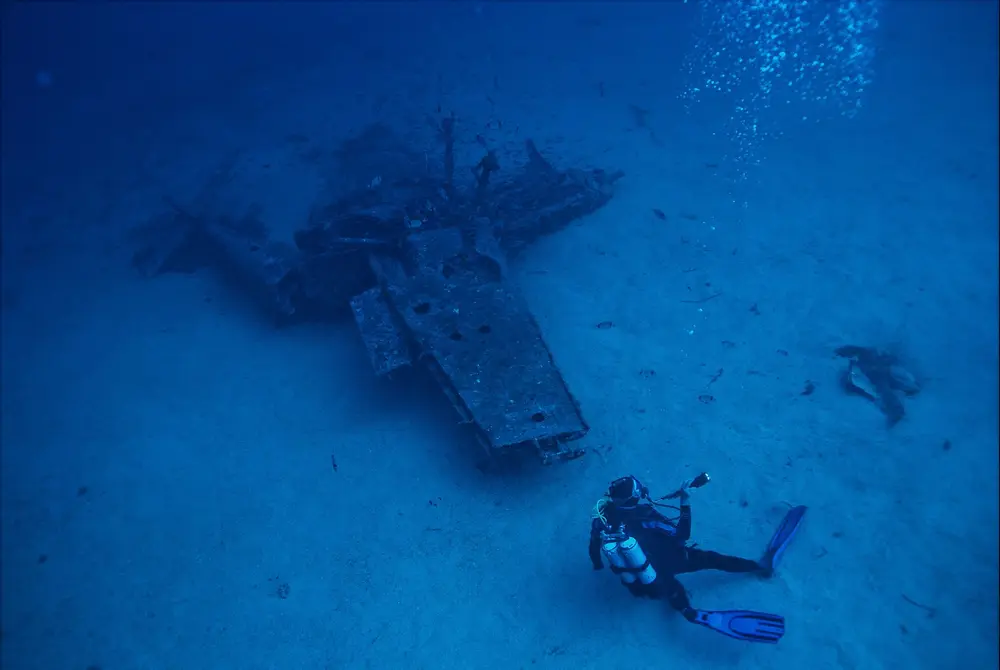
07 Bahia-Sub is a year-round Spanish dive destination with documented marine life observations and community video coverage.
 08
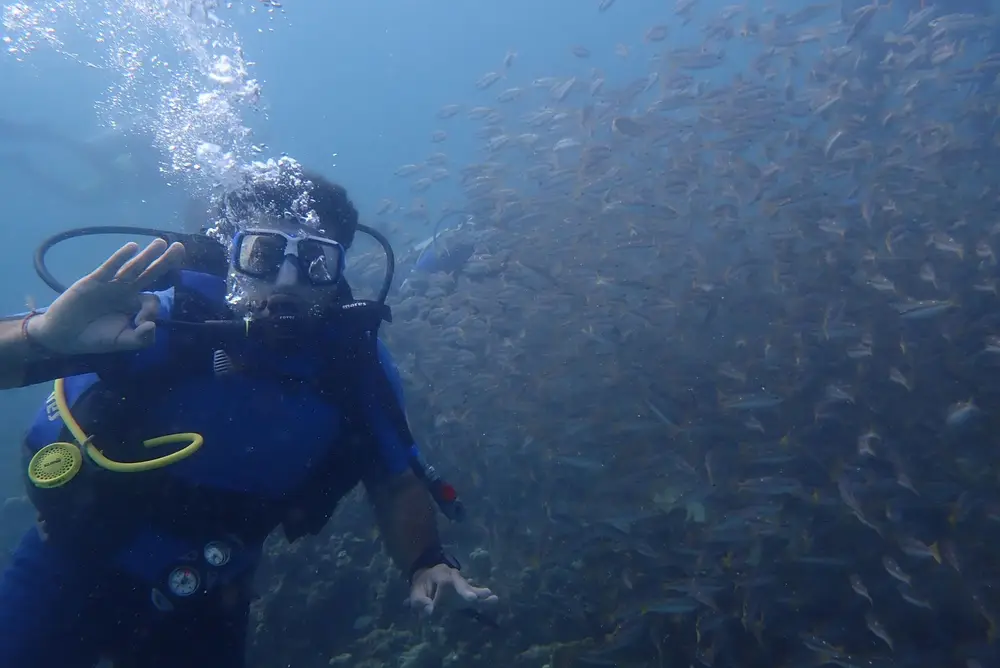
08 Barda de Fitor is a Spanish dive site near Cap de Begur offering year-round access to rocky underwater terrain with documented marine biodiversity.
Spain is diveable year-round, but conditions vary by region. Mediterranean sites (Costa Brava, Murcia, Balearics) are warmest July–October, hitting 24–26°C, with calmer seas. Winter drops to 12–14°C on the Med coast — a 7 mm wetsuit or drysuit becomes necessary. The Canary Islands (El Hierro) sit in the Atlantic and stay mild all year, making them a reliable winter destination when the mainland cools down.
Yes. A large share of Spain's 91 sites are rated beginner-level, many with 15 m visibility and sheltered bays. Sites like el Rossinyol, Les Basetes, and el Salpatxot give new divers real reef environments without punishing conditions. Dive centres are well established across the Costa Brava, Costa Blanca, and the Canaries.
Great barracuda are recorded in Spanish waters, particularly around Cabo de Palos and the Canary Islands. The Medes Islands marine reserve holds some of the densest fish biomass on the Spanish Mediterranean coast. Lava formations at La Restinga create unusual swim-throughs and caverns. Cave systems like Cova de la Reina add technical interest for qualified divers.
Do I need a permit to dive the Medes Islands? Yes. The Medes Islands are a protected marine reserve and access requires a permit, usually arranged through a licensed local dive centre.
What wetsuit thickness should I bring to Spain? For summer Med diving, 3 mm is fine. Winter Med or year-round Atlantic diving warrants 5–7 mm or a drysuit below 15°C.
Are there dive sites suitable for advanced certifications? Yes — Cabo de Palos reaches 50 m and Cova de la Reina is a dedicated cave site. Both require appropriate certification and experience.
Can I dive El Hierro without a guide? La Restinga sits inside a marine reserve; most operators require guided dives or proof of experience before allowing independent diving.
🌊 Water: 10–26°C · 157dive sites. From our 5-year climatology and best-month signal across the sites below.
| Month | Diving 🤿 | Air | Rain | Wind |
|---|---|---|---|---|
| Jan | 114 | — | — | — |
| Feb | 114 | — | — | — |
| Mar | 114 | — | — | — |
| Apr | 112 | — | — | — |
| May | 112 | — | — | — |
| Jun | 111 | — | — | — |
| Jul | 110 | — | — | — |
| Aug | 110 | — | — | — |
| Sep | 114 | — | — | — |
| Oct | 114 | — | — | — |
| Nov | 115 | — | — | — |
| Dec | 115 | — | — | — |
≈ 42 m · The seabed
Thousands more dive sites are waiting in the blue — pick your next descent.