 01
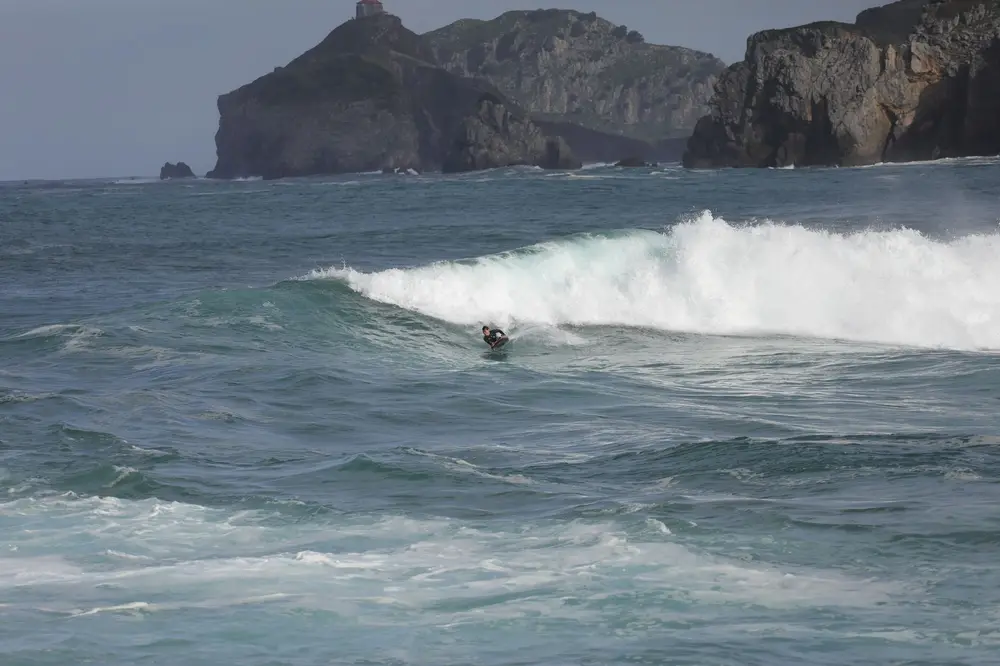
01 A Buraca
A Buraca is a year-round Spanish surf spot near Oia in Galicia, offering consistent waves with a small but active local community.
beginner
Explore this site → 

Beginner guide
Spain has 91 mapped dive sites, warm Med summers, and calm shallow reefs perfect for new divers. Dive year-round with great barracuda.
Spain's 91 mapped dive sites range from shallow, sheltered coves along the Costa Brava to deep Atlantic walls off El Hierro — and a solid chunk of them are genuinely accessible to beginners. Water temperatures swing between 12 °C in winter and 26 °C in summer, so conditions vary a lot depending on where and when you go.
The reefs, walls and wrecks worth the trip — each with real conditions, seasons and marine life.
01 A Buraca is a year-round Spanish surf spot near Oia in Galicia, offering consistent waves with a small but active local community.
 02
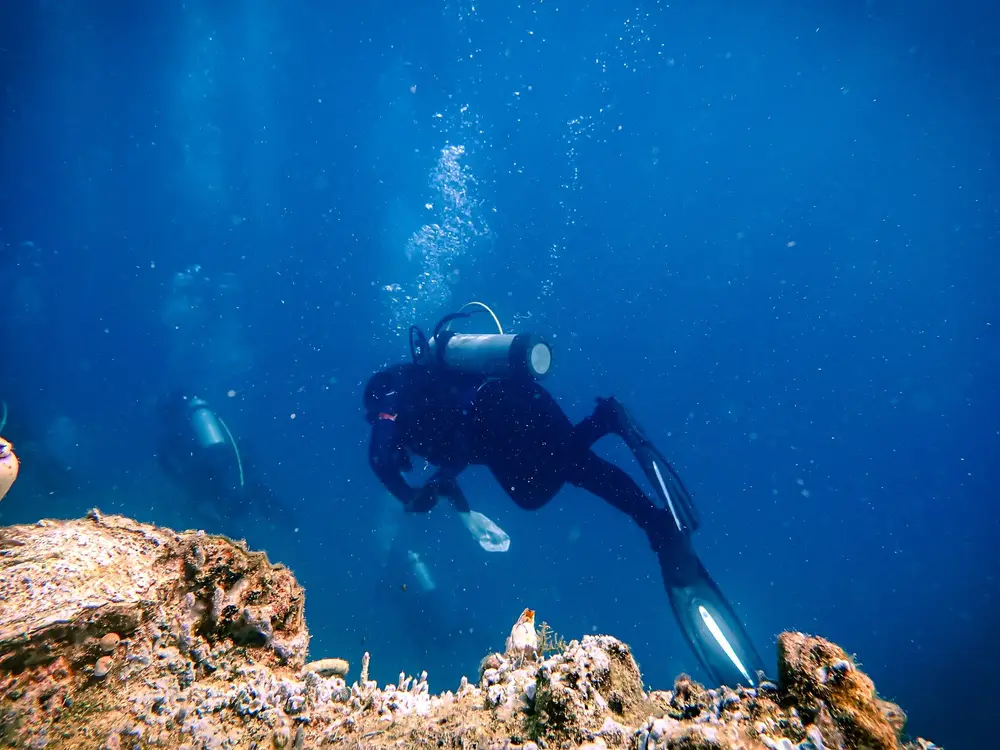
02 Aiguablava near Begur offers year-round diving in coastal Catalonia with documented marine life and active local community.
 03
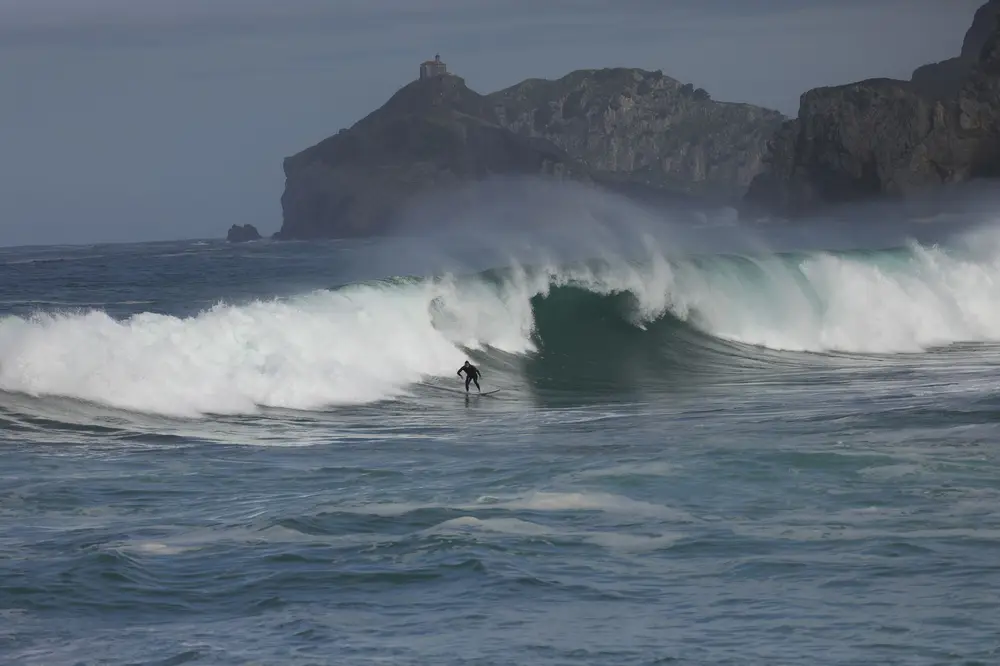
03 Alma is a Spanish surf break with year-round potential and a small but active community. Located near Arrietara beach, it offers consistent opportunities for surfers.
 04
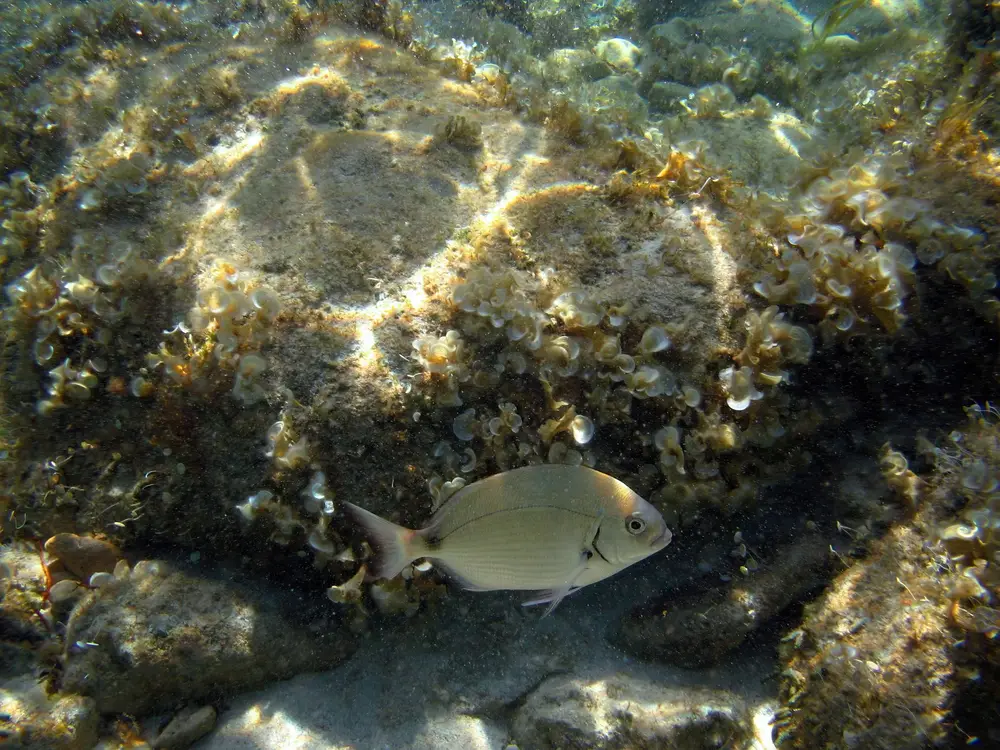
04 Arco de Formentera is a protected dive site in Spain's Parc natural de ses Salines, offering year-round access to Mediterranean marine life.
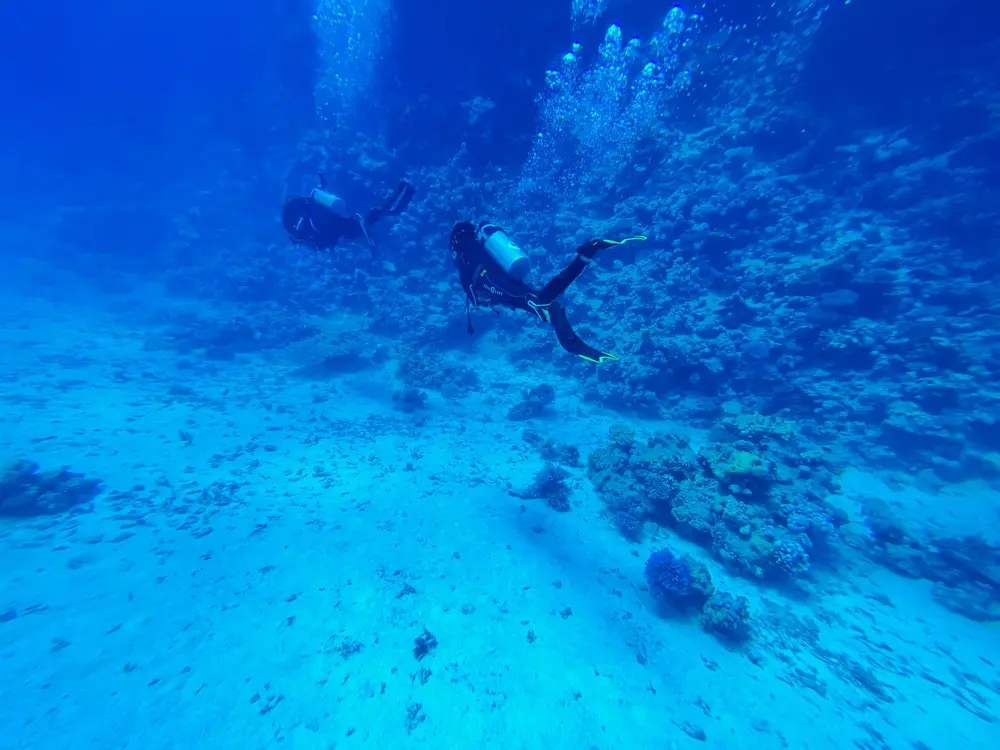 05
05 Arrecifal is a year-round Spanish dive site near La Restinga on El Hierro Island, offering consistent access and healthy reef conditions.
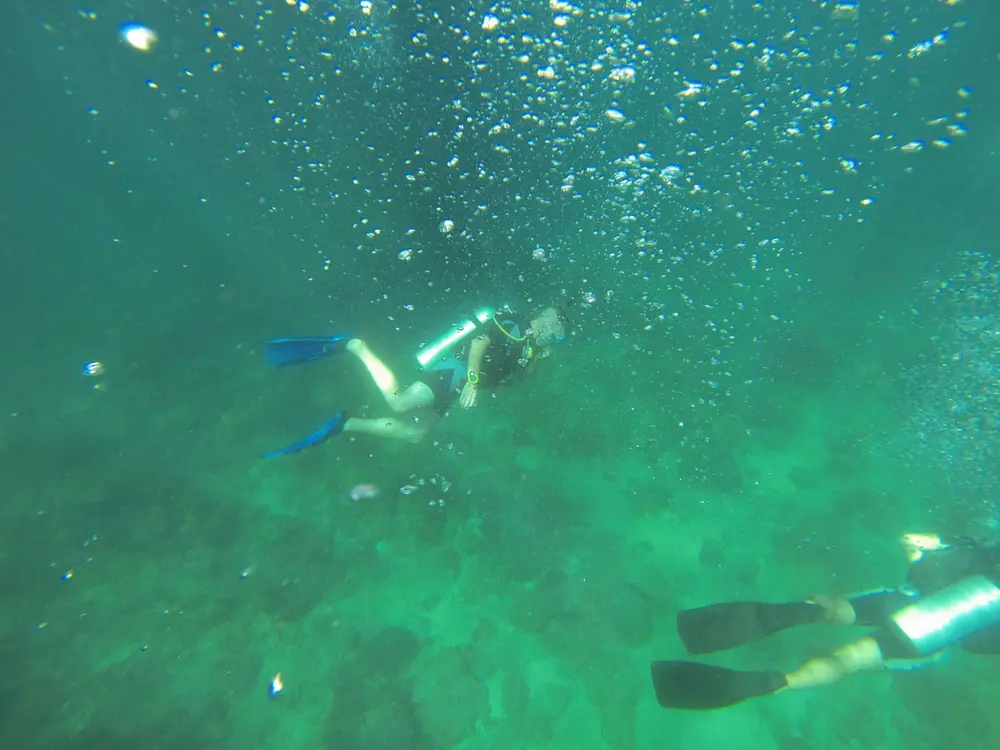 06
06 Badia de Tamariu is a year-round Spanish dive destination with 12 documented species observations and an active community video collection.
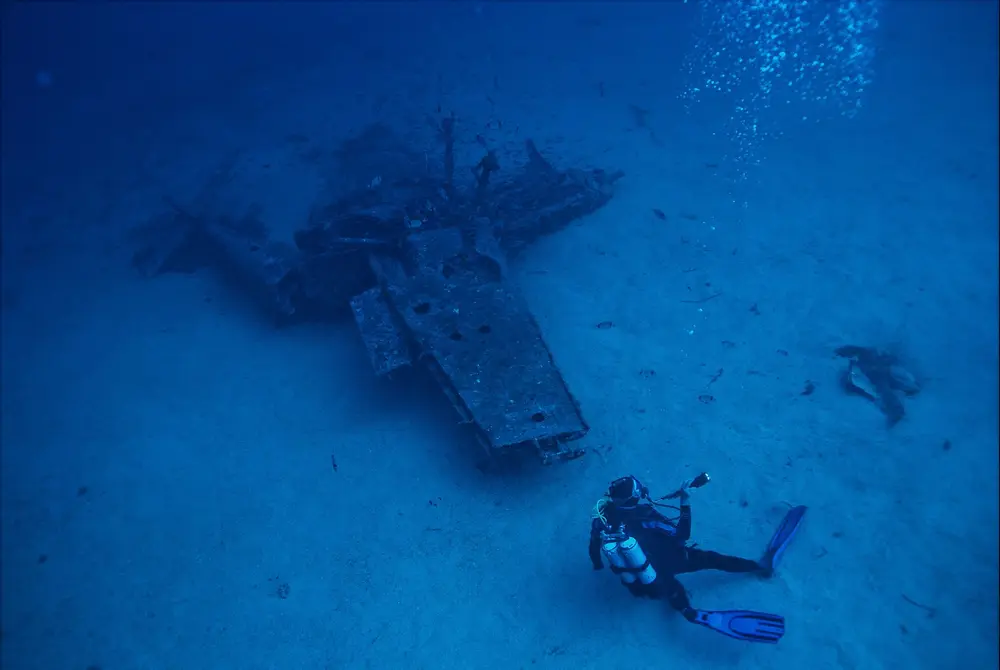 07
07 Bahia-Sub is a year-round Spanish dive destination with documented marine life observations and community video coverage.
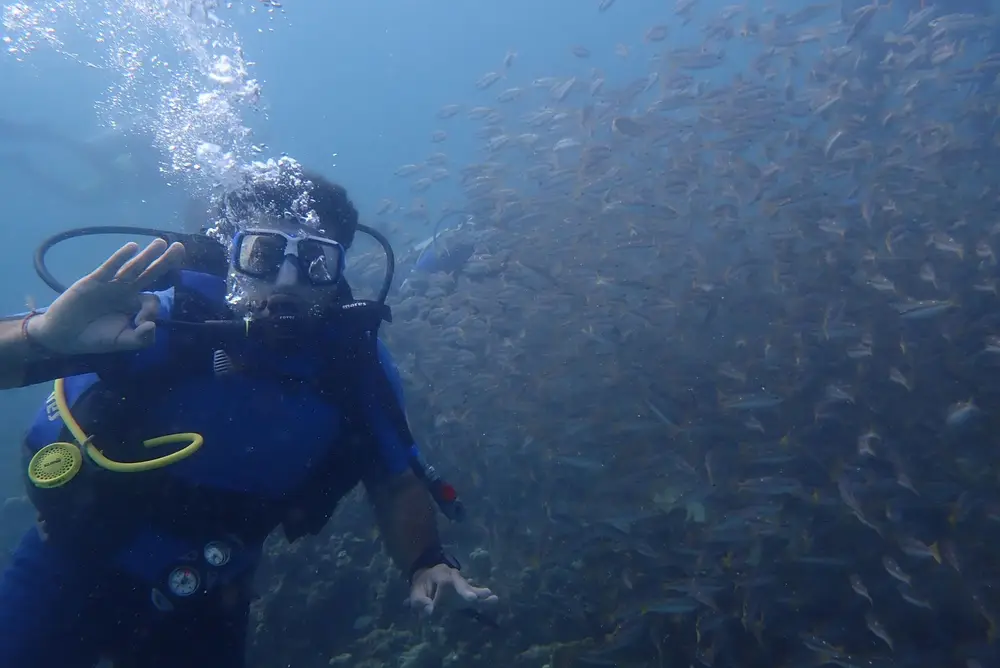 08
08 Barda de Fitor is a Spanish dive site near Cap de Begur offering year-round access to rocky underwater terrain with documented marine biodiversity.
Spain is diveable year-round, but the experience shifts significantly by season. Summer (June–September) brings water temperatures up to 26 °C along the Mediterranean coast — no wetsuit anxiety, long visibility windows, and the most dive-centre availability. Winter drops Med temps toward 12–14 °C, which thins the crowds and can sharpen visibility, but you'll want a 7 mm wetsuit or drysuit. The Canary Islands (El Hierro, Lanzarote) stay warmer year-round and are worth considering for a winter trip.
Yes, particularly along the Costa Brava and the Balearic Islands. Multiple sites here are specifically rated beginner-level with visibility consistently around 15 m and calm, sheltered conditions. Local dive centres are well-established and used to working with newly certified divers. Avoid the advanced sites like Cabo de Palos — Las Hormigas (18–50 m) until you have more dives logged.
Great barracuda are recorded across Spanish dive sites — spotting a loose school of them hanging in mid-water is one of the more memorable moments new divers talk about. Rocky Mediterranean reefs also host octopus, moray eels, and sea bream in the shallows, though specific species vary by site and season.
Do I need a drysuit to dive in Spain in winter? On the Mediterranean coast in winter, water drops to around 12–14 °C. A 7 mm wetsuit works for most people; a drysuit is more comfortable for multiple dives per day.
Which region has the most beginner dive sites? The Costa Brava area concentrates several beginner-rated sites — El Rossinyol, Carall Bernat, S'Encalladora, and Les Basetes are all in the same region.
Can I dive in Spain without a buddy or guide? Most sites require you to dive with a certified buddy or through a local dive centre. Solo diving is generally not permitted at organised sites.
Is 15 m visibility good for a beginner? Yes — 15 m is solid. You can see the reef structure clearly, keep your buddy in sight easily, and get a real sense of the underwater landscape without disorientation.
≈ 42 m · The seabed
Thousands more dive sites are waiting in the blue — pick your next descent.