 01
01 Million Dollar Point
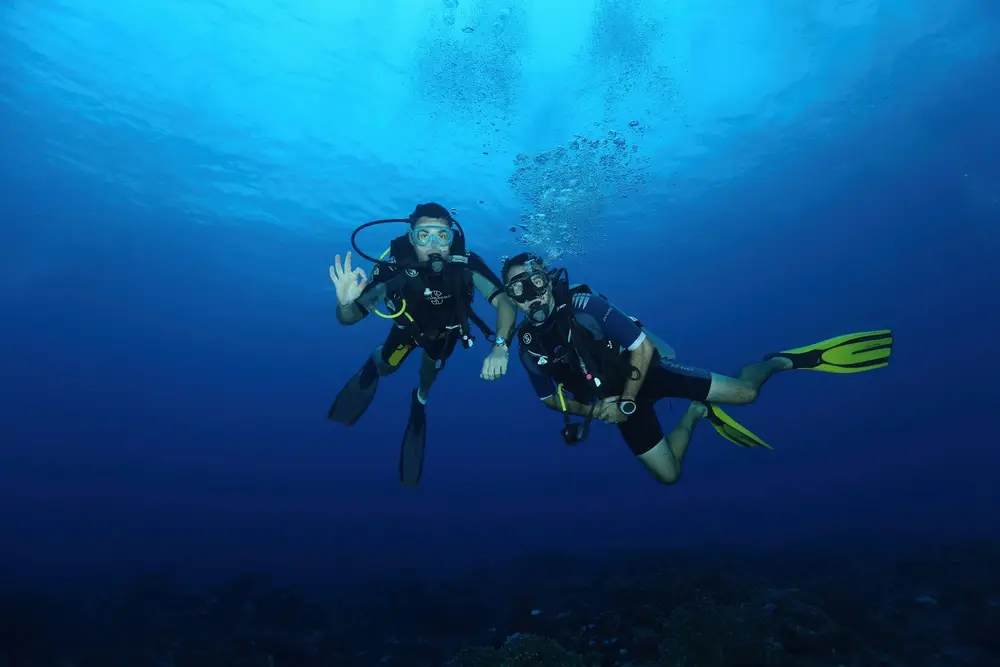
Million Dollar Point is a beginner-friendly wreck dive in Vanuatu with depths from 3–30m, accessible year-round and home to 3 community videos.
⇩3–30 m ≈24–29°C beginner
Explore this site → 

Wreck-diving guide
Explore Vanuatu's best wreck dives year-round. Historic wrecks, pristine reefs, and clear waters make this Pacific destination ideal for wreck diving.
Vanuatu sits in the South Pacific where deep channels, strong currents, and a long maritime history have left numerous wrecks on the seafloor. The warm tropical waters and visibility often exceed expectations, making Vanuatu a premier wreck destination. Many of the region's wrecks date from WWII shipping losses and trading vessels, now colonized by coral and swarming with reef life. The islands' remote geography means fewer divers per site and pristine wreck conditions.
The reefs, walls and wrecks worth the trip — each with real conditions, seasons and marine life.
01 Million Dollar Point is a beginner-friendly wreck dive in Vanuatu with depths from 3–30m, accessible year-round and home to 3 community videos.
 02
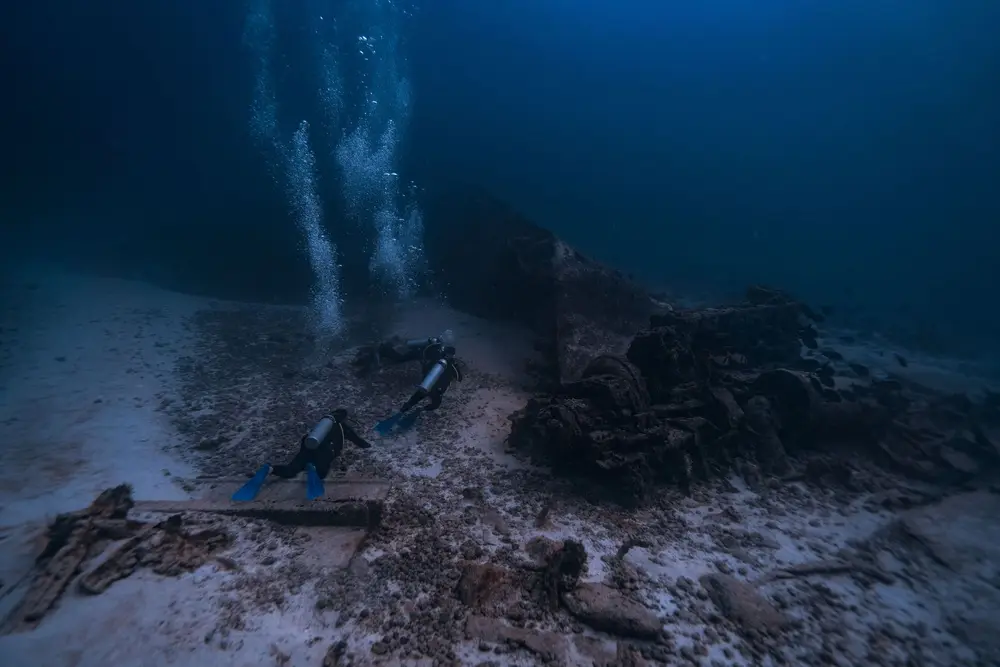
02 SS President Coolidge is a massive WWII wreck in Vanuatu offering advanced deep diving from 21–70m with extensive penetration potential.
 03
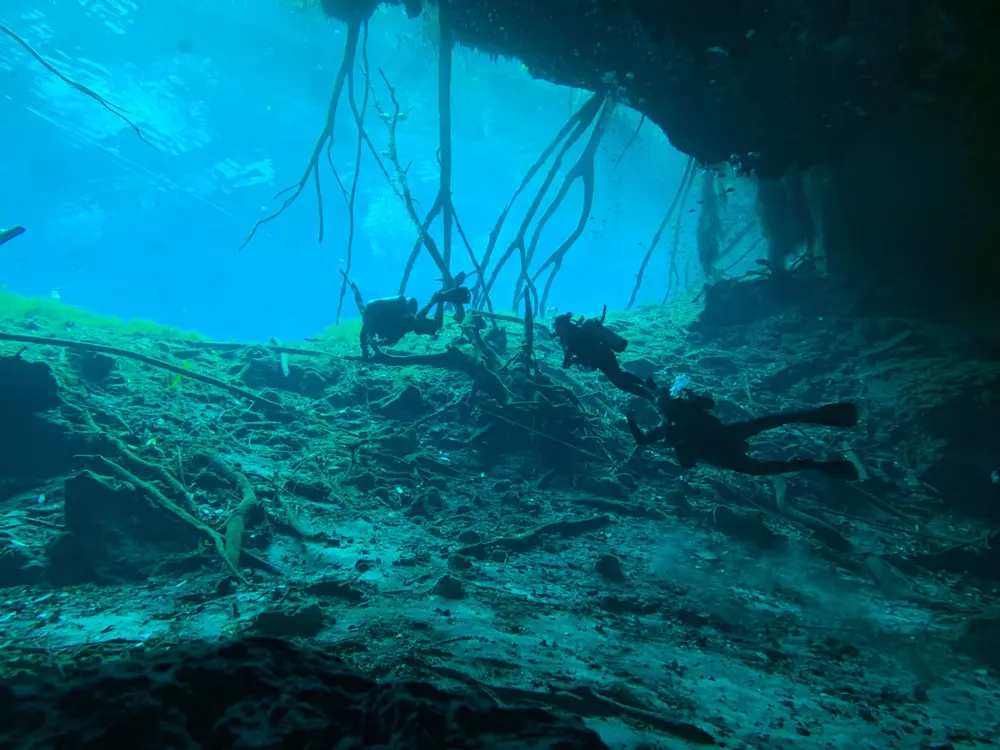
03 Tanna's Blue Cave is an intermediate dive featuring a submerged cavern system at 10–25 m, accessible year-round in Vanuatu.
Million Dollar Point is one of the region's most accessible and dramatic wrecks. The site sits in shallow to moderate depth and offers excellent swim-throughs and encrusted structure for photographers and explorers alike.
SS President Coolidge remains the jewel of Vanuatu wreck diving. This large hull rests at depth suitable for experienced divers and presents multiple penetration opportunities. The wreck is heavily colonized by coral and marine growth, creating an artificial reef ecosystem. The scale and complexity make it a destination dive worth planning for.
Beyond dedicated wrecks, Tanna — Blue Cave pairs well with wreck expeditions, offering variety in dive planning and a chance to explore the region's diverse underwater topography.
Vanuatu's wrecks range from shallow exploratory sites to deep technical dives requiring specialized training. Expect silty conditions in enclosed spaces and strong surge in exposed sections. Marine life congregates around wreck structure, and you may encounter larger reef dwellers. Where to encounter Reef Sharks guides divers interested in apex predator encounters—many Vanuatu wrecks sit on productive reef slopes where sharks patrol regularly.
Vanuatu's position in the South Pacific offers year-round diving. Cyclone season peaks November through March, but protected channels and leeward sites remain accessible. Water temperature stays warm throughout the year, typically 26–28°C. Visibility averages 20–40 meters at most sites. Plan around your experience level rather than season; even less-visited wrecks stay diveable year-round thanks to minimal seasonal changes.
Wreck penetration demands proper training and equipment. Bring a primary flashlight and backup, a cutting tool for fishing line or debris, and a safety reel. Most Vanuatu wrecks require advanced open-water certification or equivalent experience. Establish clear signals with your dive partner before entering dark spaces. The hulls are stable, but silt disturbance can reduce visibility instantly. Never dive alone, and consider hiring a local guide familiar with the wreck layout.
Cluster dives across multiple wrecks to maximize your bottom time and understanding of Vanuatu's maritime history. Factor in surface intervals for hydration and documentation of what you've seen. Local operators know current conditions and wreck-specific entry points. Base yourself near dive shops with wreck experience, and plan dives during slack water when currents allow safe exploration. A multi-day trip allows acclimatization and repeat visits to sites you want to explore more thoroughly.
≈ 42 m · The seabed
Thousands more dive sites are waiting in the blue — pick your next descent.