 01
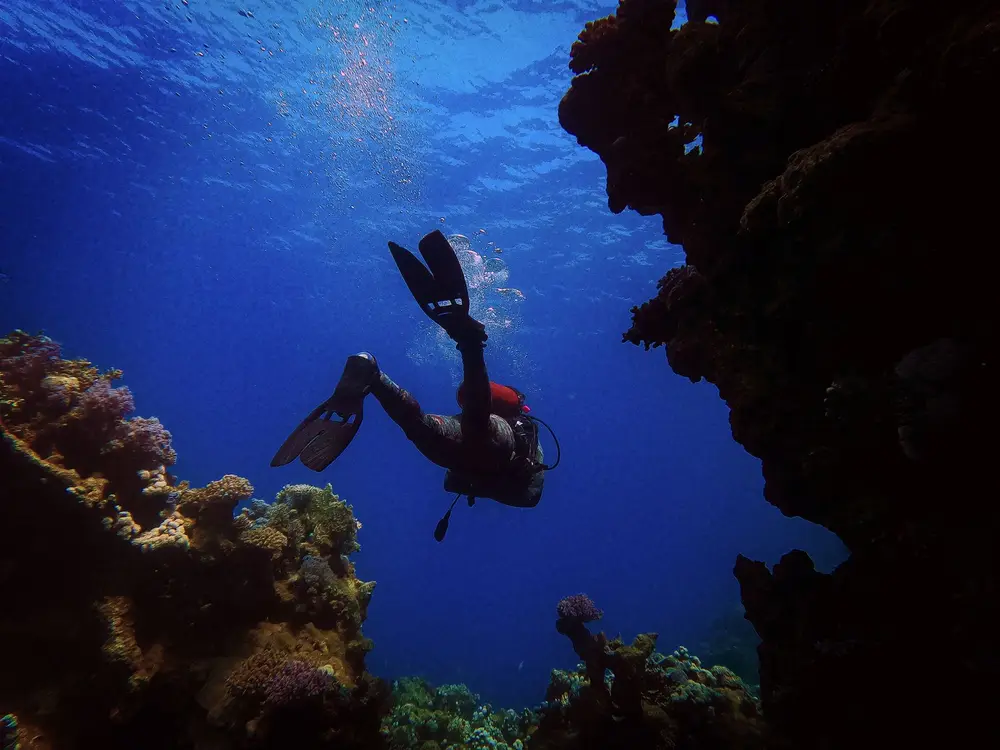
01 Alex's Cave Dive Site
Alex's Cave Dive Site in Malta offers cave exploration year-round with 12 documented species observations and 3 community videos showcasing the site.
advanced
Explore this site → 

Wreck-diving guide
Malta's 40 dive sites include deliberately sunk warships and cargo vessels in 13–26°C water. Suits beginners to advanced divers, year-round.
Malta has more diveable wrecks per square kilometre than almost anywhere in the Mediterranean, and several are purpose-sunk specifically for divers. With 40 published sites across Malta, Gozo, and Comino, water temperatures that stay swimmable even in January (13°C), and visibility regularly hitting 25 m, it earns its reputation without any exaggeration.
The reefs, walls and wrecks worth the trip — each with real conditions, seasons and marine life.
01 Alex's Cave Dive Site in Malta offers cave exploration year-round with 12 documented species observations and 3 community videos showcasing the site.
 02
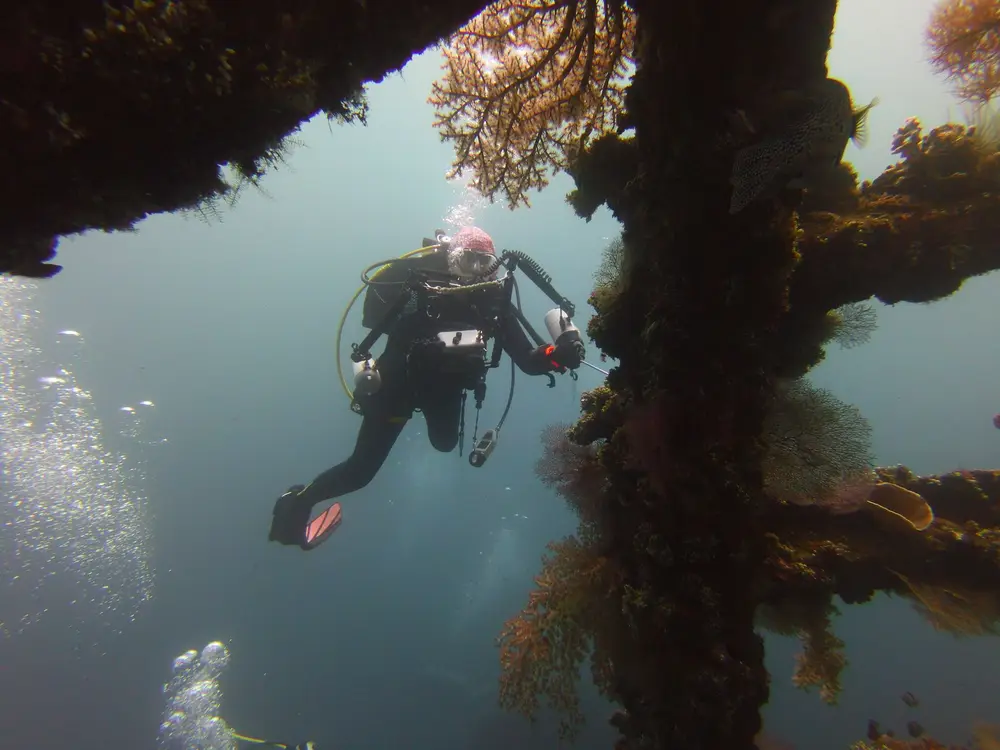
02 Anchor Reef is a year-round dive site near Malta's Blue Lagoon, known for accessible underwater exploration with recorded marine life sightings.
 03
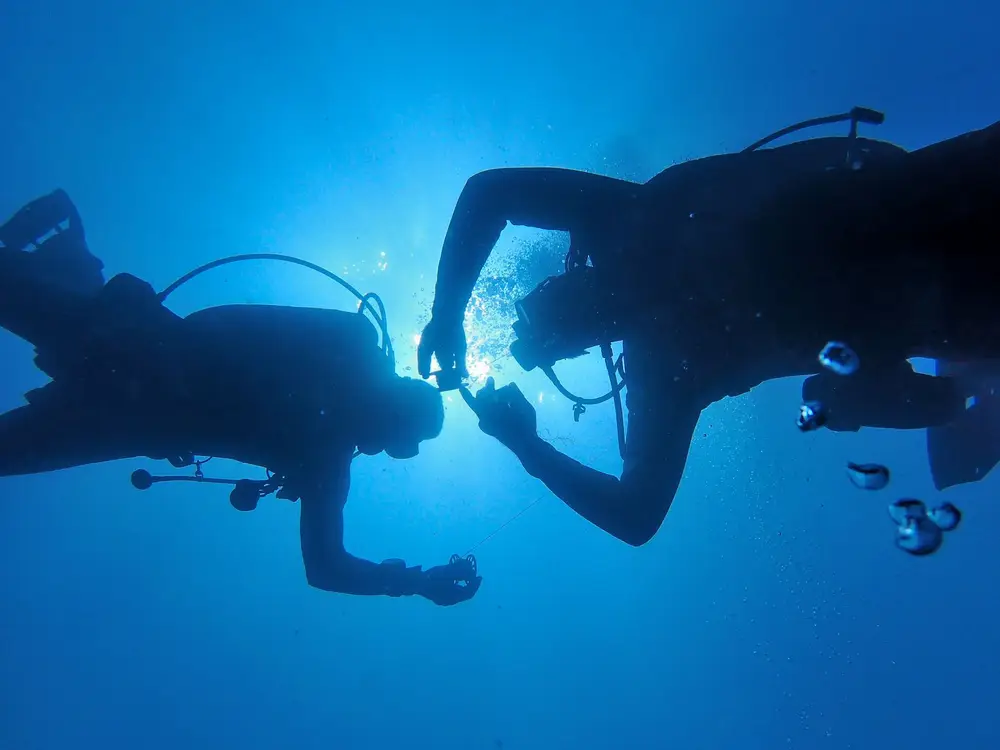
03 Big Bear-Little Bear offers year-round diving near Fungus Rock in Gozo, Malta, with 12 recorded species and accessible conditions.
 04
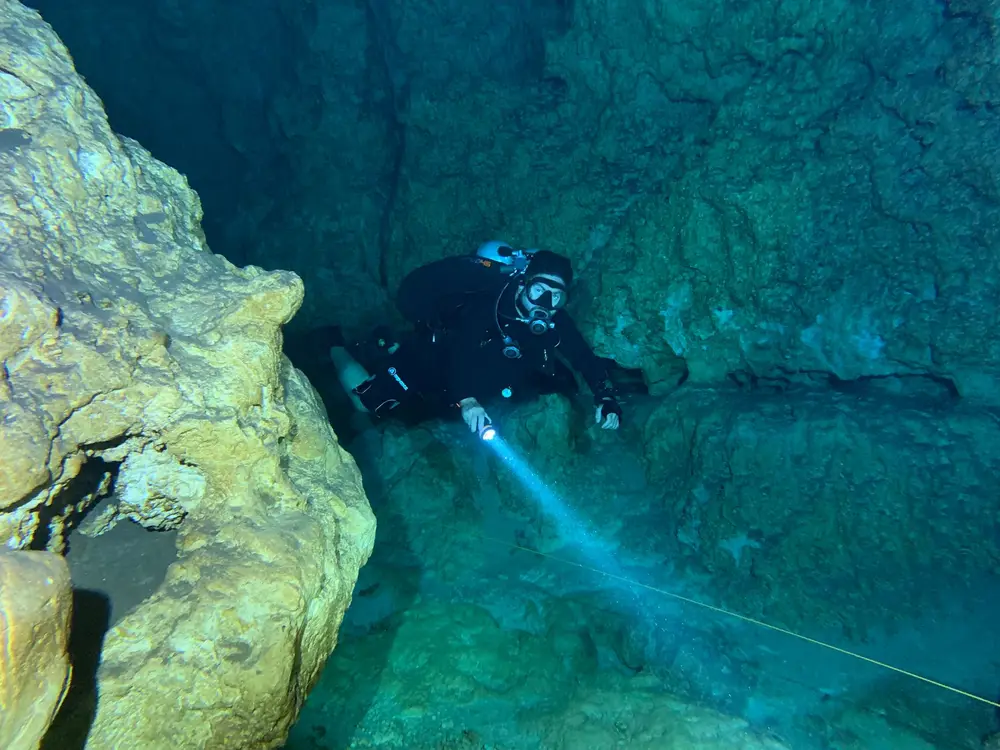
04 Billinghurst Cave is a Malta dive site within scenic Għasri Valley, accessible year-round with documented marine life and community video support.
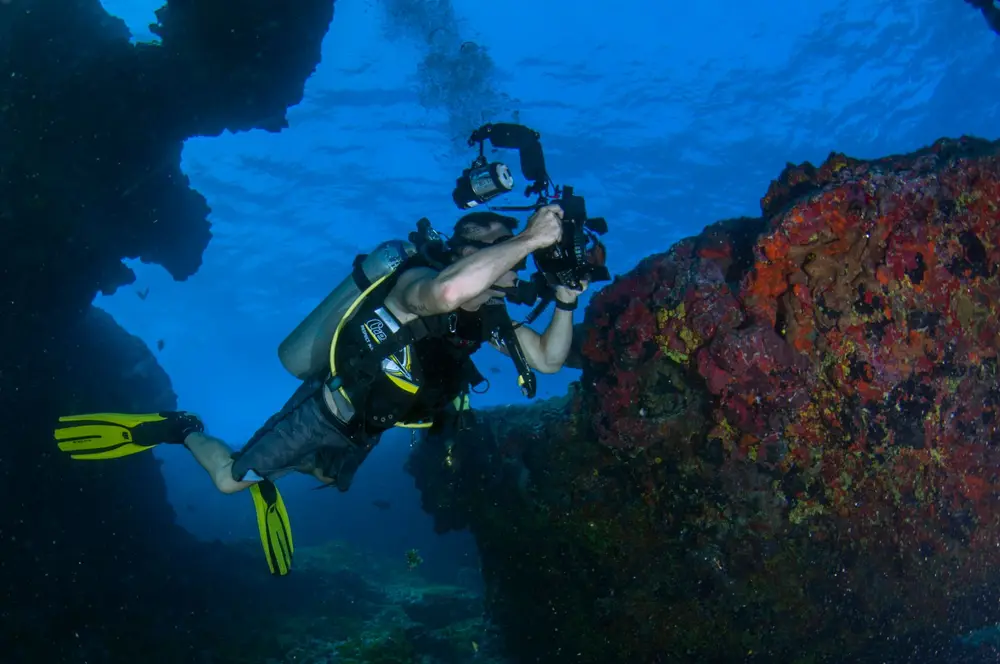 05
05 Blue Lagoon Tunnel Dive Site near Comino offers year-round diving with documented marine species and community video guides.
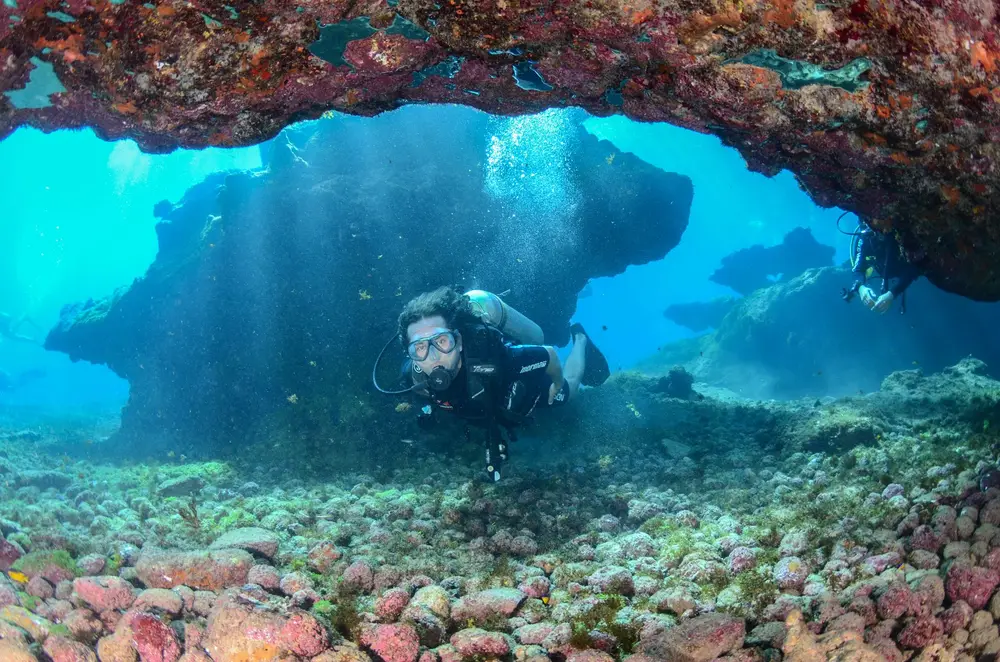 06
06 Year-round diving at Malta's Blue Waters Dive Cove with 12 recorded species and strong community content.
 07
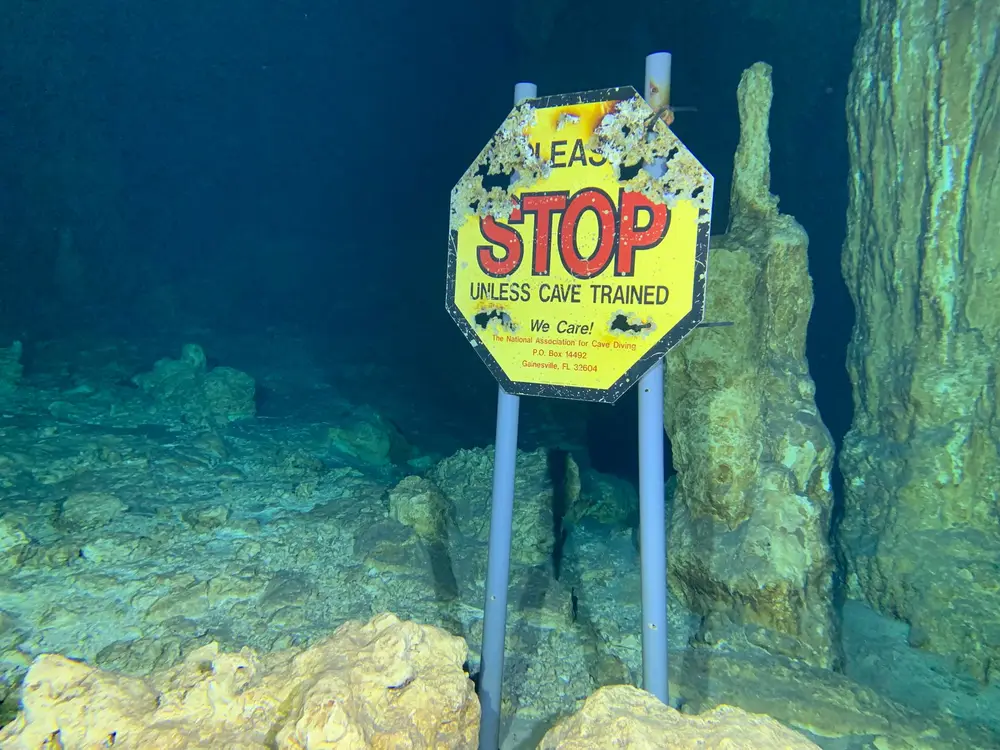
07 Bottleneck Cave is a dramatic sea canyon dive in Malta accessible year-round. Explore narrow passages and marine life in Għasri Valley.
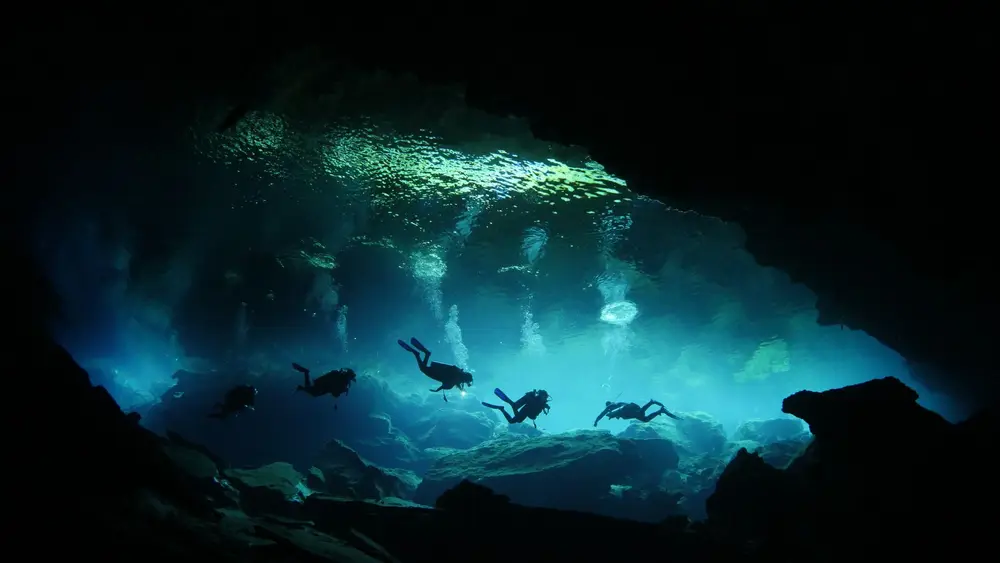 08
08 Calypso Cave is a Malta dive site with year-round access and 12 documented species observations.
Malta is genuinely diveable year-round. Summer (June–September) brings water temperatures up to 26°C and the calmest seas — ideal for boat dives to offshore wrecks. Winter drops to around 13°C, which clears most tourist traffic and can improve visibility further. Spring and autumn sit in the middle on both counts and are often the sweet spot for experienced divers who want good conditions without the crowds.
Yes. Several sites — including the Dive Site and Shipwreck, Fessej Rock, Qbajjar Reef, and Big Bear-Little Bear — are rated beginner level with sheltered entries and no significant current. Most dive centres on the island run PADI and SSI courses and can take newly certified divers to a real wreck on their first open-water dives after qualifying.
Great barracuda are the headline species, often seen patrolling around seamounts like Fessej Rock. Wreck surfaces accumulate sponges, nudibranchs, and moray eels over time. Octopus are common in rocky reef sections adjacent to many wrecks.
Do I need special certification for Malta's wrecks? Some, like HMS Maori and Bottleneck Cave, require advanced or cave certification. Beginner-rated wrecks are accessible with an Open Water qualification.
Is Malta cold in winter? At 13°C, a 7 mm wetsuit is recommended from November to March. Not cold enough to stop diving, but noticeable without the right exposure protection.
Can I dive Malta without a boat? Many sites are shore-accessible, including Cirkewwa and several Gozo sites. Offshore wrecks require a boat.
How is visibility compared to other Mediterranean destinations? Consistently good — 25 m is common at multiple sites, and the lack of major river runoff keeps the water clear most of the year.
≈ 42 m · The seabed
Thousands more dive sites are waiting in the blue — pick your next descent.