 01
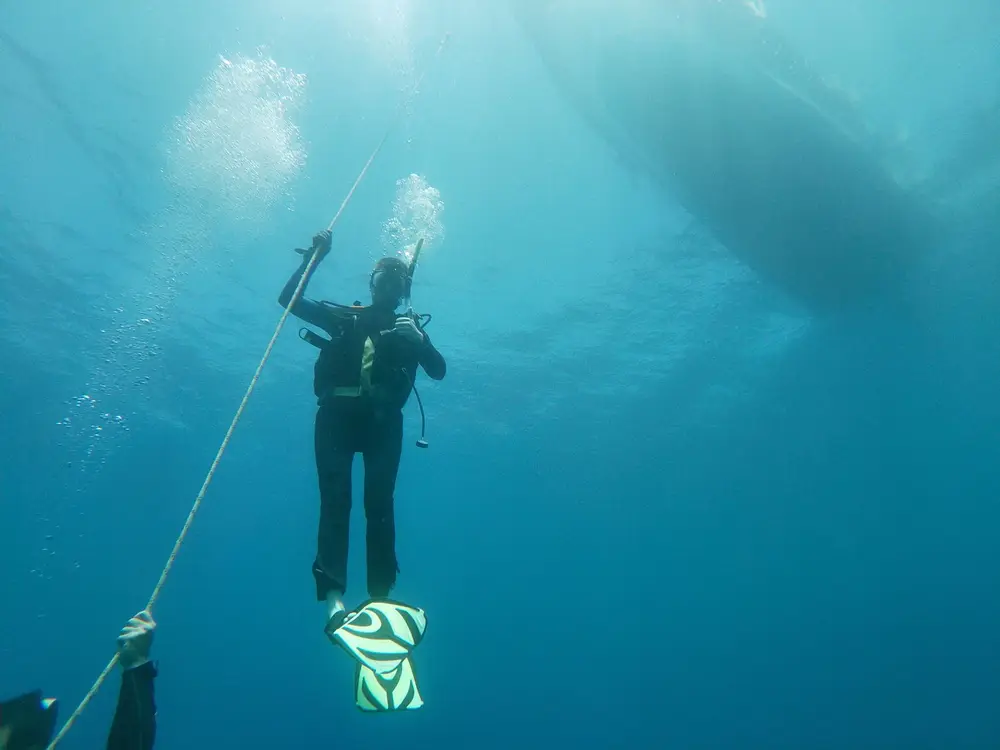
01 Dive Abaco
Year-round diving in the Bahamas with strong coral health and accessible exploration of diverse marine ecosystems.
beginner
Explore this site → 

Wreck-diving guide
Explore Bahamas wreck diving year-round. Discover famous sites like the S.S. Sapona and Curtiss C-46A, plus safety tips for penetration dives.
The Bahamas sits at a crossroads of maritime history. Shallow banks, sudden storms, and heavy shipping traffic made these islands a graveyard for vessels across centuries. Divers find intact structures covered in coral and sponges, schooling fish, and the eerie geometry of hulls and cargo holds. The warm, clear water lets you see what lies within.
The reefs, walls and wrecks worth the trip — each with real conditions, seasons and marine life.
01 Year-round diving in the Bahamas with strong coral health and accessible exploration of diverse marine ecosystems.
 02
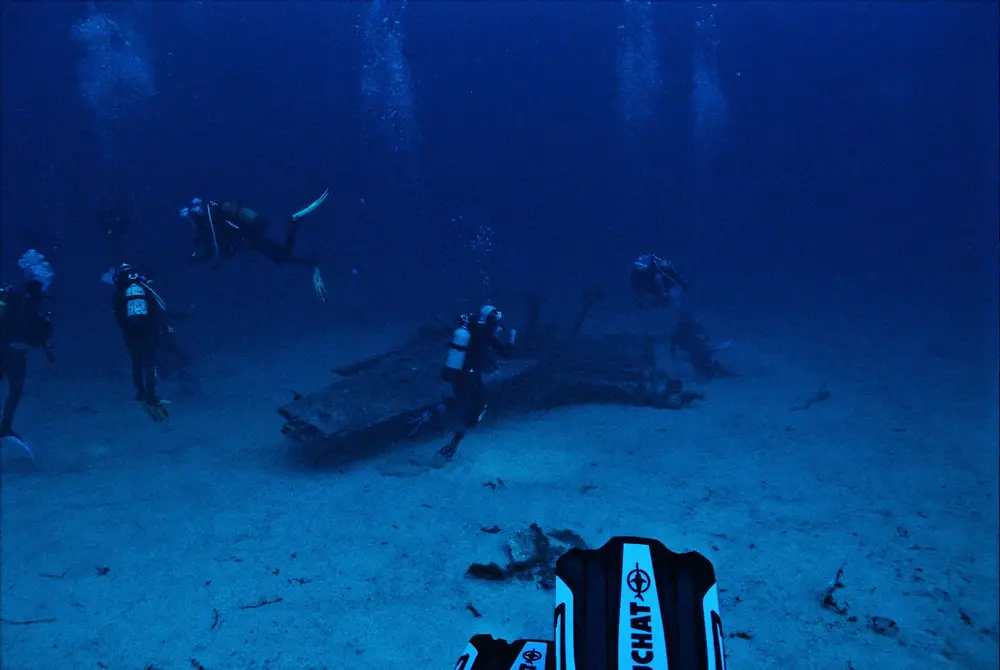
02 Explore the Curtiss C-46A-45-CU Commando wreck in the Bahamas, a historic aircraft dive available year-round.
 03
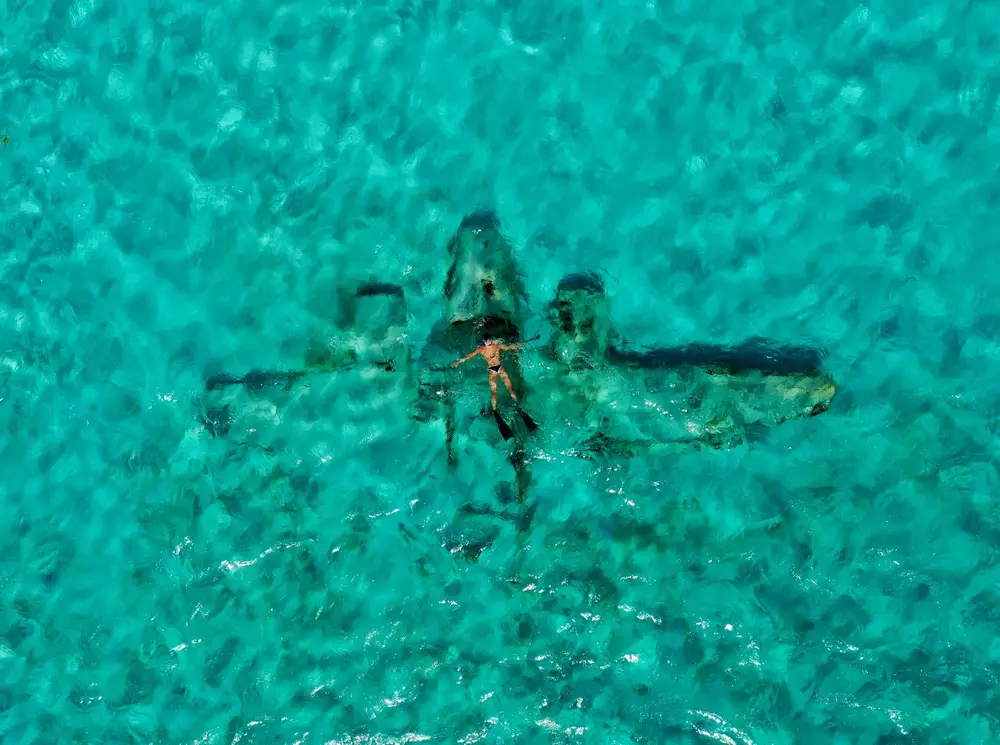
03 Year-round diving in Exuma, Bahamas, with diverse marine life and healthy coral conditions. Twelve documented species and growing community content.
 04
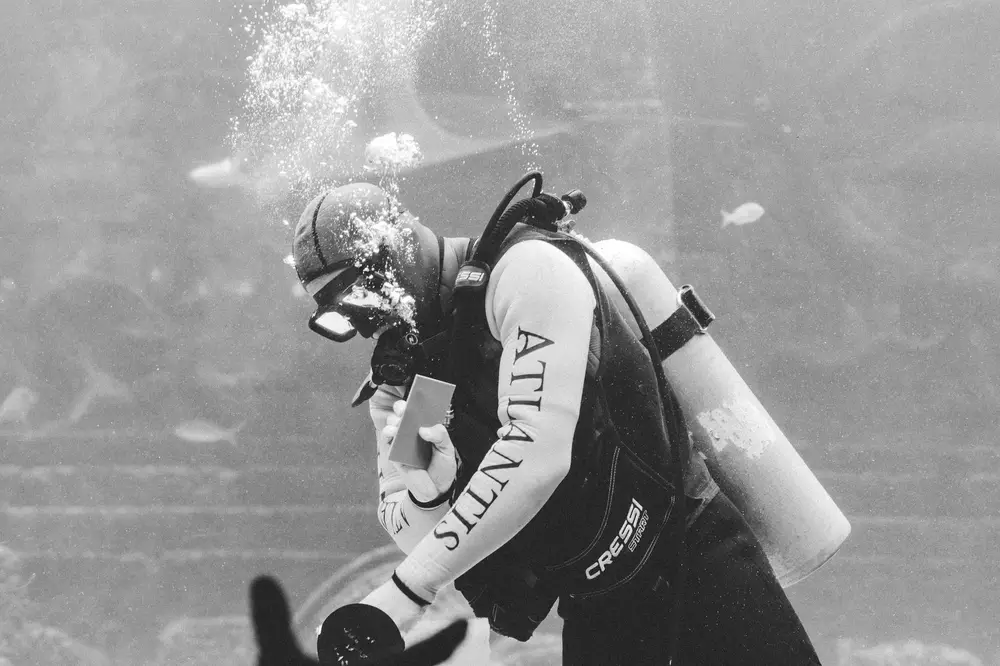
04 S.S. Sapona is a historic shipwreck dive near Bimini, Bahamas, accessible year-round with diverse marine life and minimal coral stress.
The S.S. Sapona remains one of the most recognizable sites in the region. The Curtiss C-46A-45-CU Commando offers a different kind of wreck experience—an aircraft resting on the bottom with features that appeal to both photographers and history buffs.
Regional operators also run trips to sites worth pairing with dedicated wreck dives. Nearby locations like Dive Abaco and Dive Exuma provide additional diving options in their respective areas. For a broader overview of diving in the nation, check Bahamas.
Many of the region's wrecks date from WWII shipping losses and earlier maritime trade routes. Each site tells its own story through preserved structure, marine colonization, and scattered artifacts.
Wreck diving in the Bahamas means encountering fish life thriving on encrusted hulls. Swimthroughs reveal the interior architecture of vessels—beams, corridors, and holds—all now home to reef residents. Visibility often runs excellent, and water temperature stays comfortable throughout the year. You'll work in currents ranging from mild to moderate, depending on the site and season.
Light and your dive computer are essential. Even shallow wrecks require respect and awareness. Marine growth softens hard edges, but structure remains solid and can trap the inattentive diver.
The Bahamas offers wreck diving year-round. Conditions remain stable across all seasons, though summer brings warmer water and occasional afternoon thunderstorms. Winter provides slightly cooler temps and sometimes clearer visibility. Currents vary by location and tidal state, but none of the major sites demand extreme experience.
Wind and swell can affect boat access and surface conditions, particularly in exposed areas. Local operators know the seasonal patterns and plan accordingly.
Penetration diving—entering the interior of a wreck—demands training and discipline. Carry redundant lights, a reel for line-laying, and a clear exit strategy. Never dive deeper than your depth limit or longer than your air reserve allows. Silt, narrow passages, and disorientation are real hazards.
If you're new to wreck penetration, train with a qualified instructor before attempting it. Many sites offer shallow external exploration that teaches wreck diving skills without full penetration.
Book with local operators who know the sites and current conditions. They'll brief you on what to expect, match you with divers of your skill level, and ensure you have the right gear. The Bahamas has plenty of dive destinations—plan to spend at least three to five days to hit multiple wrecks and get comfortable with the region's underwater landscape.
If you're also interested in the marine life surrounding these sites, learn more about Where to encounter Reef Sharks in the area. Wreck sites attract predators and schooling fish, making for memorable encounters.
≈ 42 m · The seabed
Thousands more dive sites are waiting in the blue — pick your next descent.