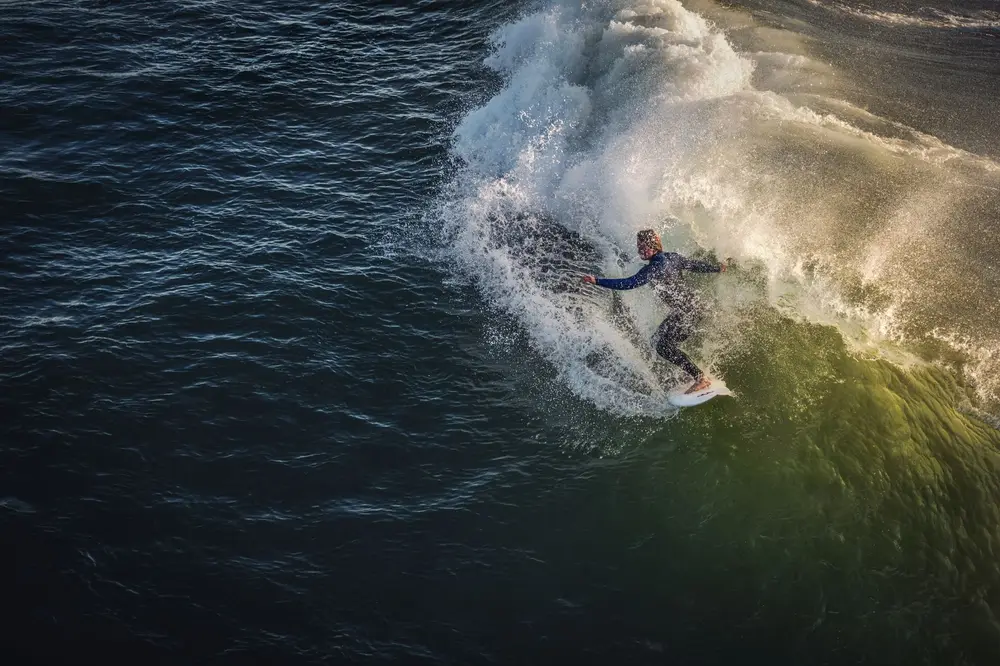
 01
01 15th St Surf and Supply
Year-round surf access at Newport Pier, Southern California. Established local break with consistent waves and easy entry for all levels.
beginner
Explore this site → 

Country guide
87 dive sites across the US, from Florida's crystal springs to Gulf wrecks. Year-round diving, 8–28°C, turtles, dolphins, barracuda.
The United States holds 87 published dive sites spanning a temperature range that would suit a drysuit diver in the Pacific Northwest and a rash-guard diver in the Florida Keys on the same calendar day. Water temps run 8–28°C depending on region and season, and the country dives year-round somewhere. Whether you want a freshwater cavern with 30 m visibility or a Gulf Coast jetty where barracuda hang in the current, there's a real dive here.
The reefs, walls and wrecks worth the trip — each with real conditions, seasons and marine life.
01 Year-round surf access at Newport Pier, Southern California. Established local break with consistent waves and easy entry for all levels.
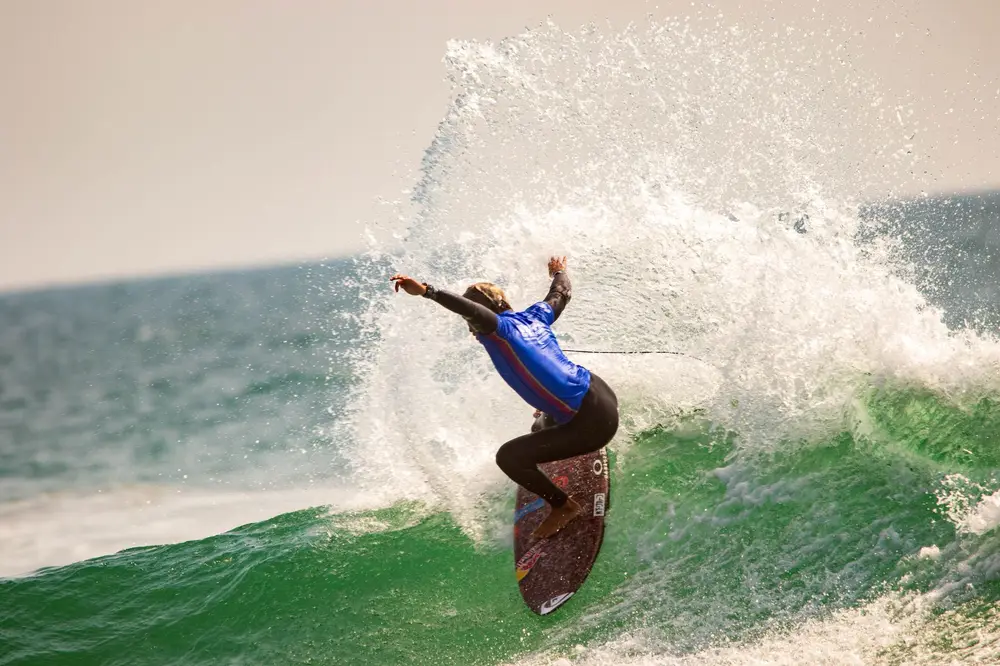 02
02 38th is a year-round California surf break in Monterey Bay National Marine Sanctuary with consistent local interest and documented species activity.
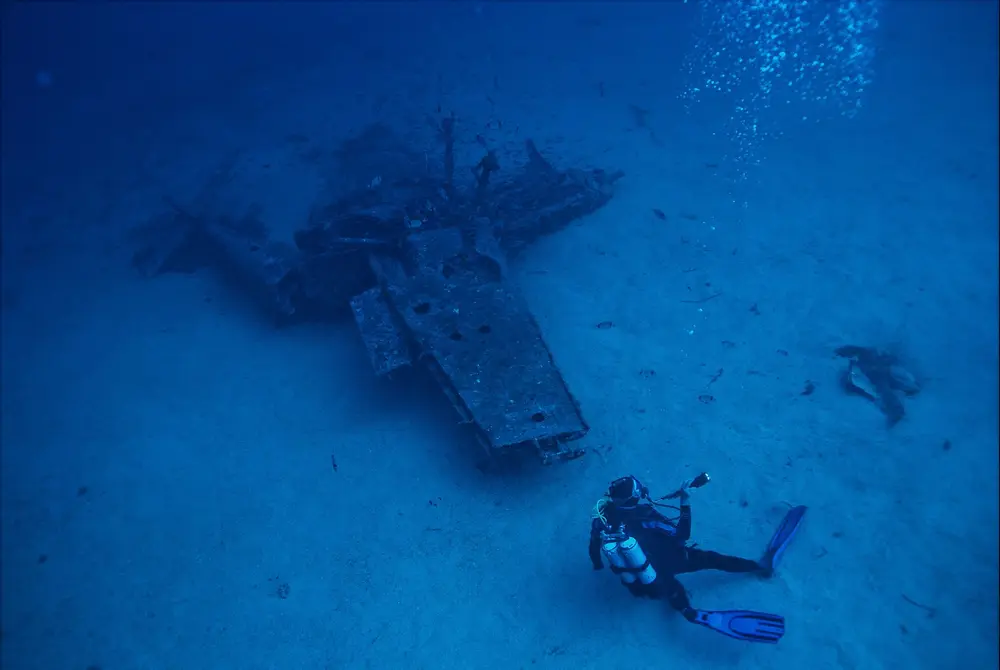 03
03 The A. R. Colborn and Crane is a historic wreck dive in Port Huron, Michigan, accessible year-round for wreck exploration.
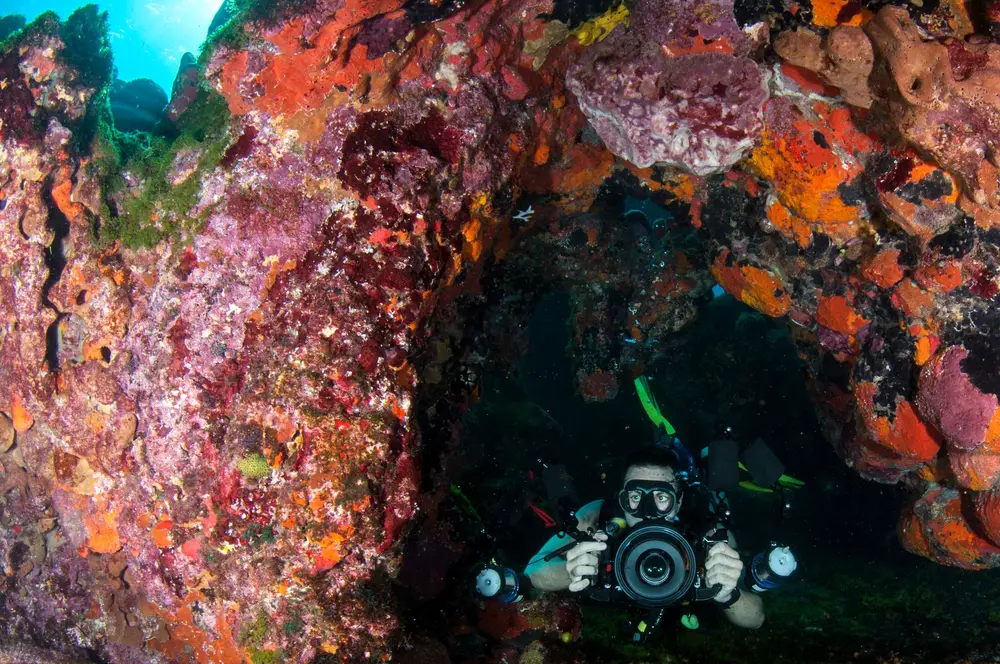 04
04 Anglin's Pier Reef is a year-round dive destination near the pier structure, home to diverse reef fish and invertebrates.
 05
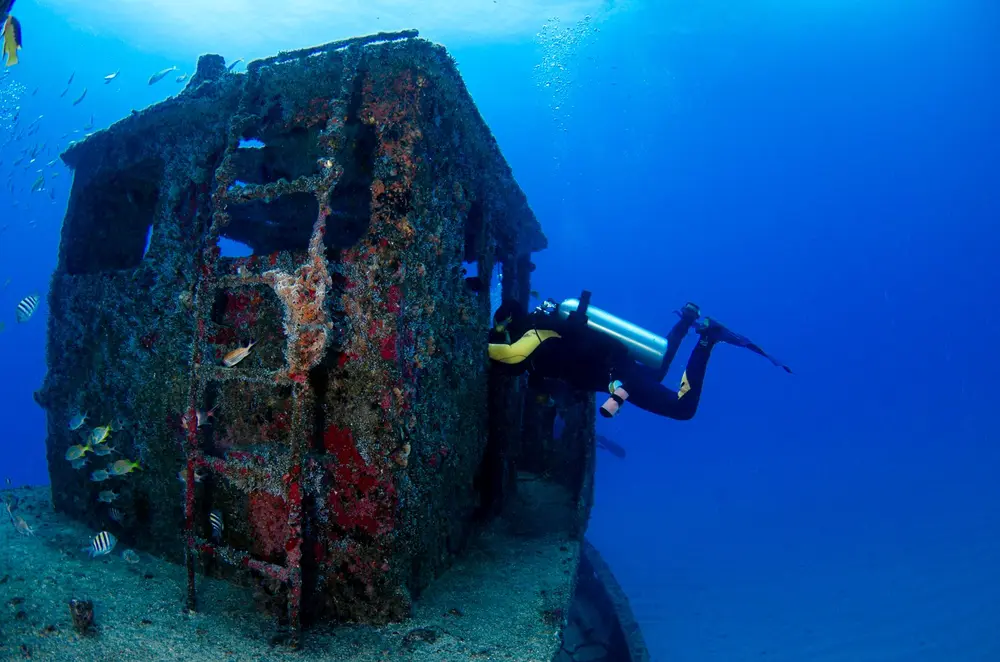
05 Avalon Dive Park is a year-round California dive site inside a state marine conservation area with accessible wreck and reef diving.
 06
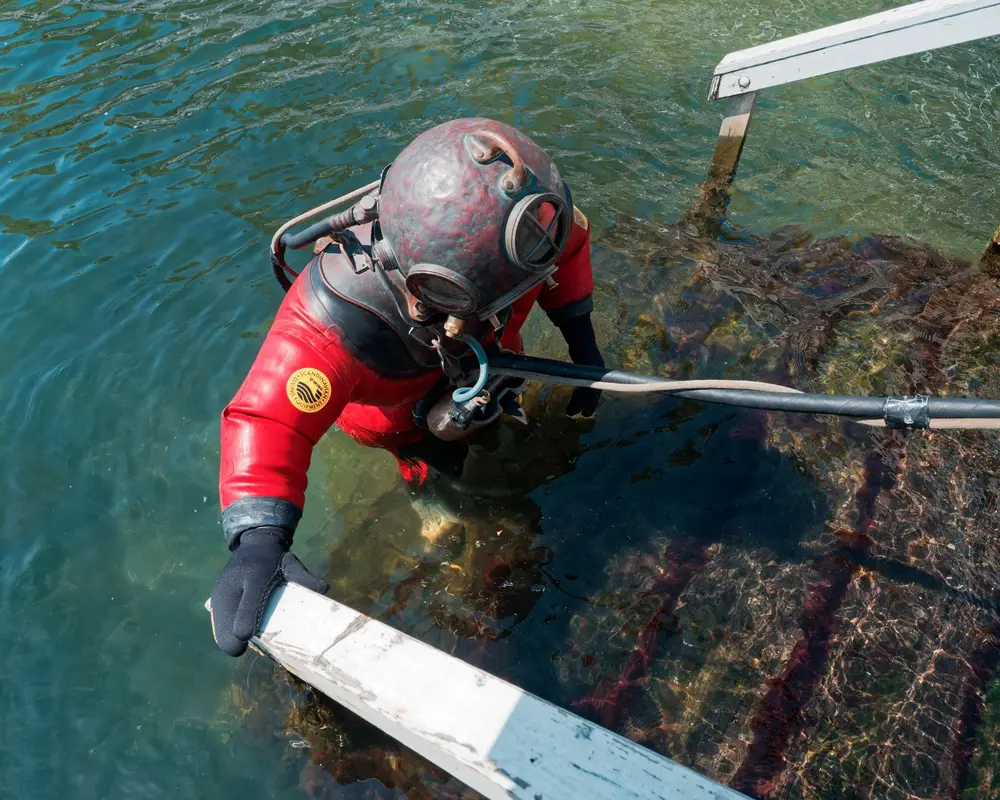
06 Beaver Lake Dive Park is a year-round freshwater dive destination in the United States with 12 documented species observations and accessible shore entry.
 07
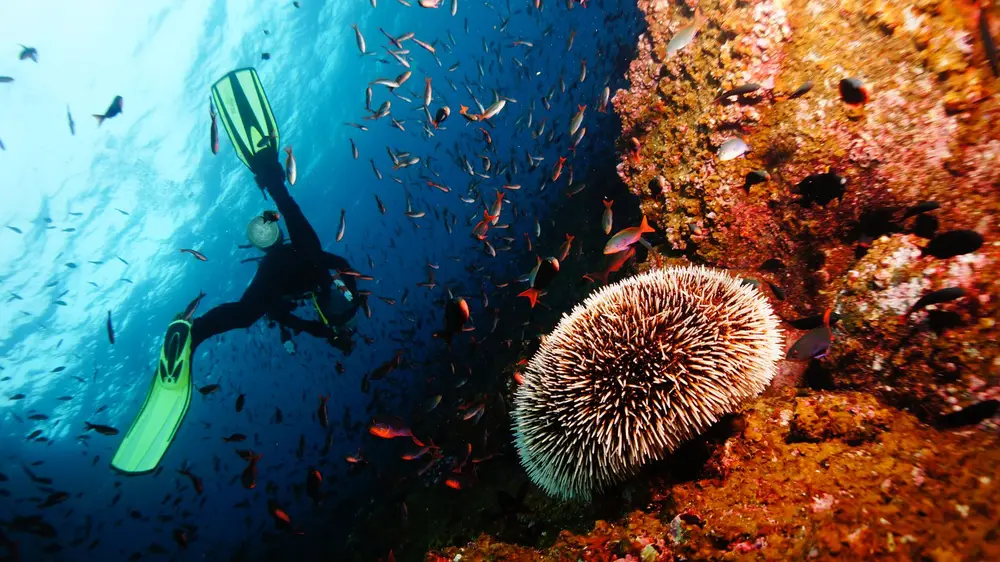
07 Blake Island Reef is a year-round dive destination in Washington's Puget Sound, protected within Blake Island Marine State Park.
 08
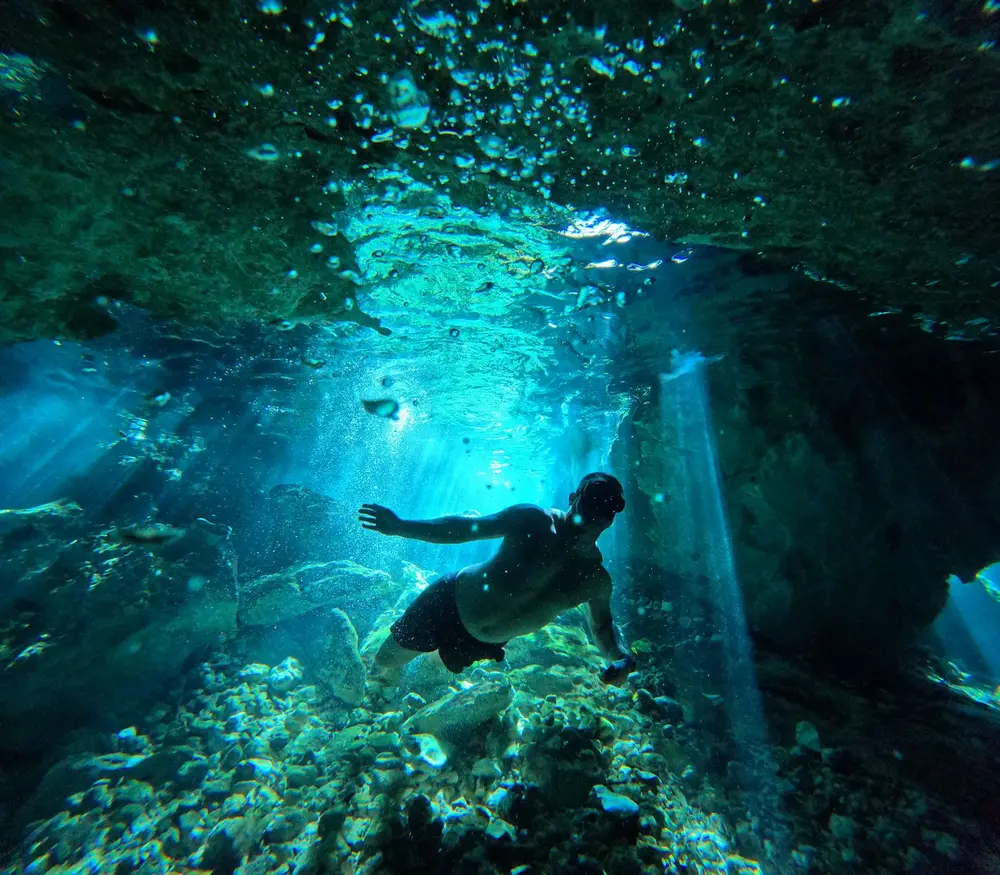
08 Blue Grotto Spring is a year-round freshwater dive destination in the United States, offering clear water and accessible exploration.
The US dives year-round. Florida springs are consistent in any month—water temperature stays around 20–22°C and visibility doesn't change with the weather. Gulf and Atlantic sites are warmest June through September (up to 28°C) and clearest in late spring before summer plankton blooms. If you're targeting green sea turtles or dolphin encounters on the Atlantic side, May through October gives the longest daylight and calmest seas.
Yes—the majority of listed sites are beginner-rated. Florida's freshwater springs are among the best first-dive environments anywhere: no current to fight, no salt to manage buoyancy against, and visibility that regularly hits 25–30 m. Open-water beginners should start there before moving to lower-visibility coastal sites like Fort Pickens Jetties.
Green sea turtles appear at reef and spring sites across Florida. Bottlenose dolphins are seen around coastal sites, particularly off John D MacArthur Beach. Great barracuda patrol jetties and artificial reefs along the Gulf and Atlantic coasts—they're curious but not aggressive.
Do I need a special permit to dive Dry Tortugas? You need a park entry fee and must arrive by ferry or seaplane; there's no road access. Diving itself requires no additional permit, but anchoring has restrictions—check current NPS rules before booking a liveaboard.
Are the Florida springs cold? Spring water holds a steady 20–22°C year-round. In summer that feels refreshing; in winter it's warmer than the air. A 3 mm wetsuit is comfortable for most divers.
Can I dive the US without certification? Most sites require at least an Open Water certification. Several operators at spring sites and coastal parks offer discover-scuba experiences for uncertified divers under direct supervision.
What visibility should I realistically expect outside the springs? Coastal and ocean sites vary widely—Fort Pickens Jetties averages around 6 m, while Dry Tortugas can reach 30 m. Check recent dive logs on the site pages before travelling to a specific location.
🌊 Water: 2–28°C · 142dive sites. From our 5-year climatology and best-month signal across the sites below.
| Month | Diving 🤿 | Air | Rain | Wind |
|---|---|---|---|---|
| Jan | 99 | 16° | 3mm | 11kn |
| Feb | 99 | 17° | 3mm | 11kn |
| Mar | 99 | 19° | 4mm | 11kn |
| Apr | 99 | 22° | 3mm | 11kn |
| May | 102 | 24° | 3mm | 11kn |
| Jun | 99 | 27° | 3mm | 10kn |
| Jul | 99 | 28° | 3mm | 10kn |
| Aug | 99 | 28° | 3mm | 10kn |
| Sep | 100 | 27° | 3mm | 10kn |
| Oct | 98 | 24° | 3mm | 10kn |
| Nov | 98 | 20° | 3mm | 11kn |
| Dec | 98 | 18° | 4mm | 11kn |
≈ 42 m · The seabed
Thousands more dive sites are waiting in the blue — pick your next descent.