 01
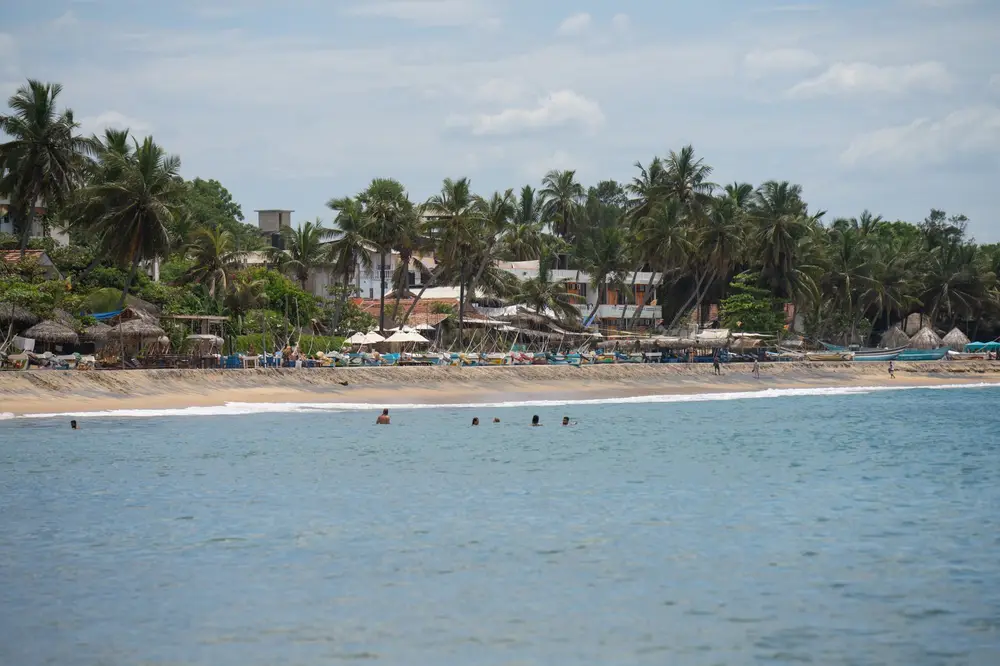
01 Coconut King Point
Coconut King Point is a year-round Sri Lankan surf break located near Taprobane Island off the southern coast.


Country guide
Explore Sri Lanka's top diving spots year-round. Encounter sea turtles, reef fish, and vibrant marine life in warm Indian Ocean waters.
Sri Lanka sits in the Indian Ocean with warm waters and healthy reefs that draw divers year-round. The island nation offers a mix of shallow coral gardens and deeper wreck dives, all accessible from well-established dive operations. You'll find consistent marine life and sites suited to beginners and advanced divers alike.
The reefs, walls and wrecks worth the trip — each with real conditions, seasons and marine life.
01 Coconut King Point is a year-round Sri Lankan surf break located near Taprobane Island off the southern coast.
 02
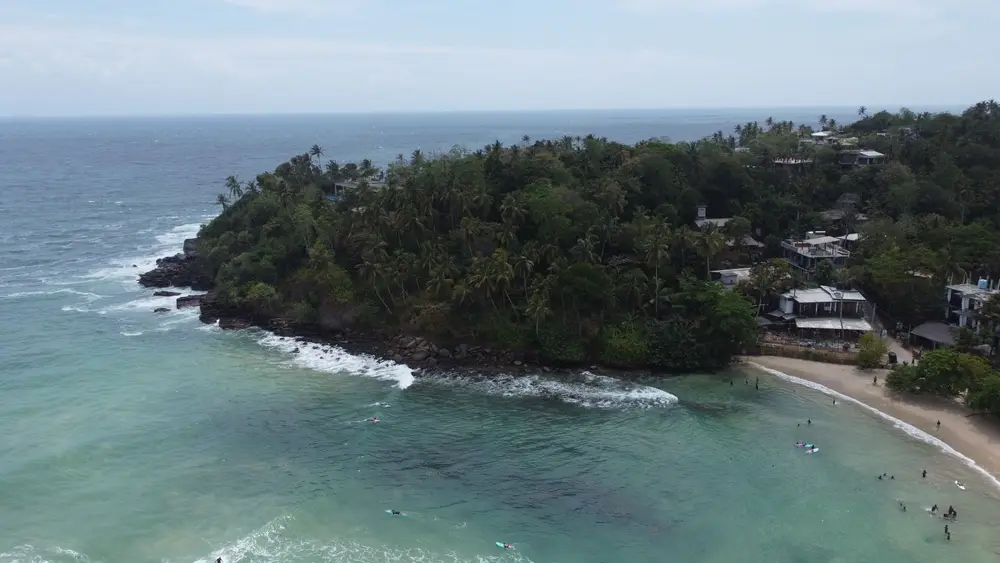
02 Jungle Beach is a year-round surf destination in Sri Lanka offering consistent waves in a scenic natural setting.
 03
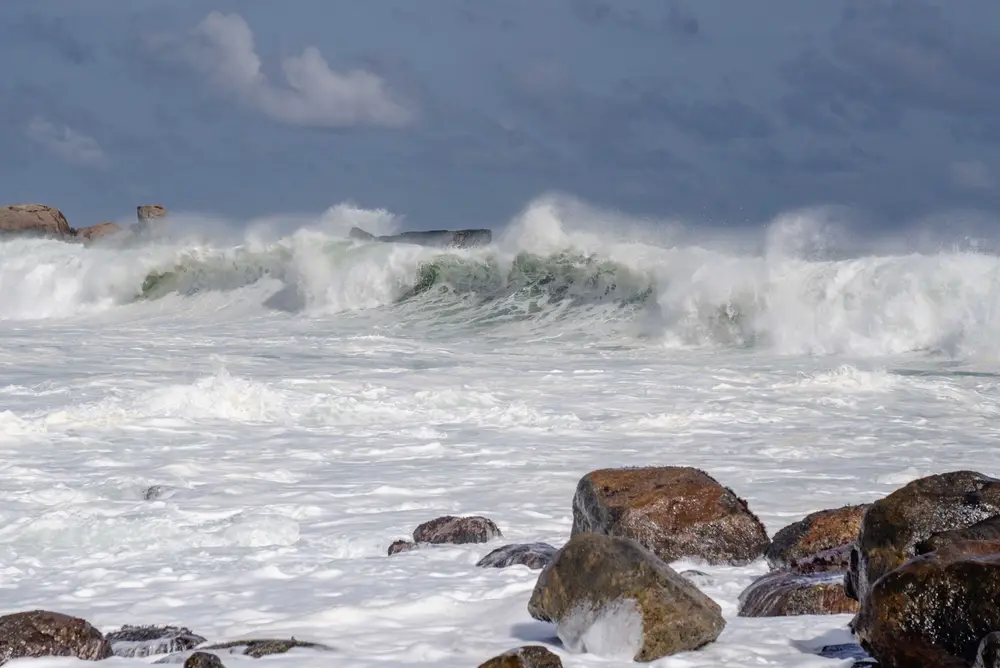
03 Kapparatota is a year-round Sri Lankan surf spot near Weligama Point with consistent waves and local community support.
 04
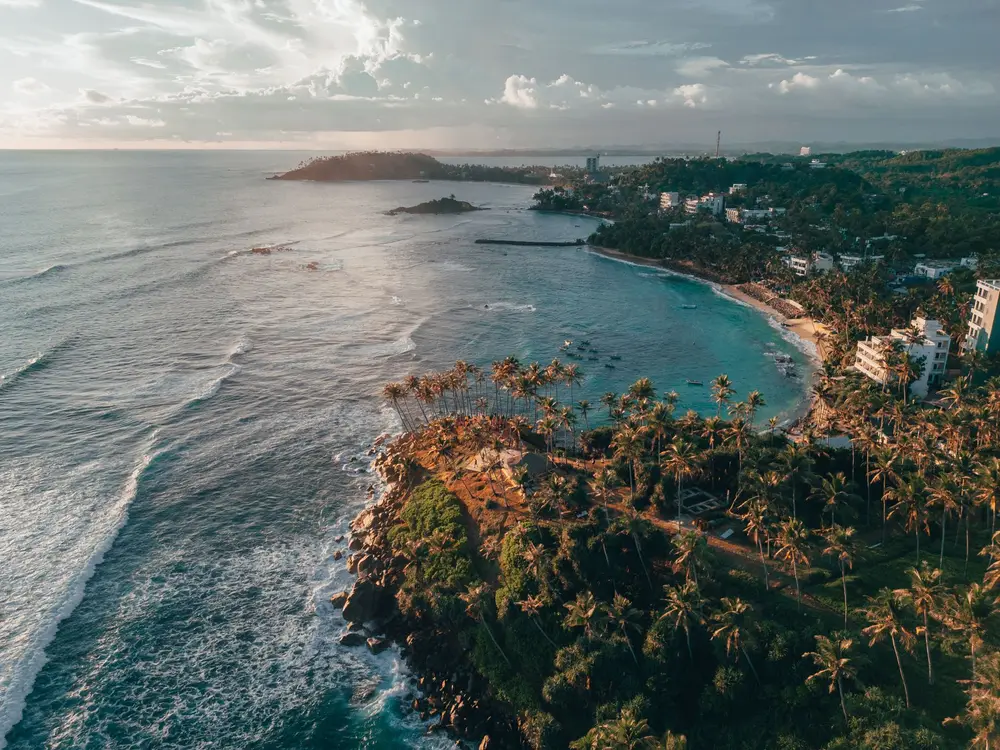
04 Mariott Weligama is a consistent year-round surf break near Weligama, Sri Lanka, with easy beach access and reliable waves.
 05
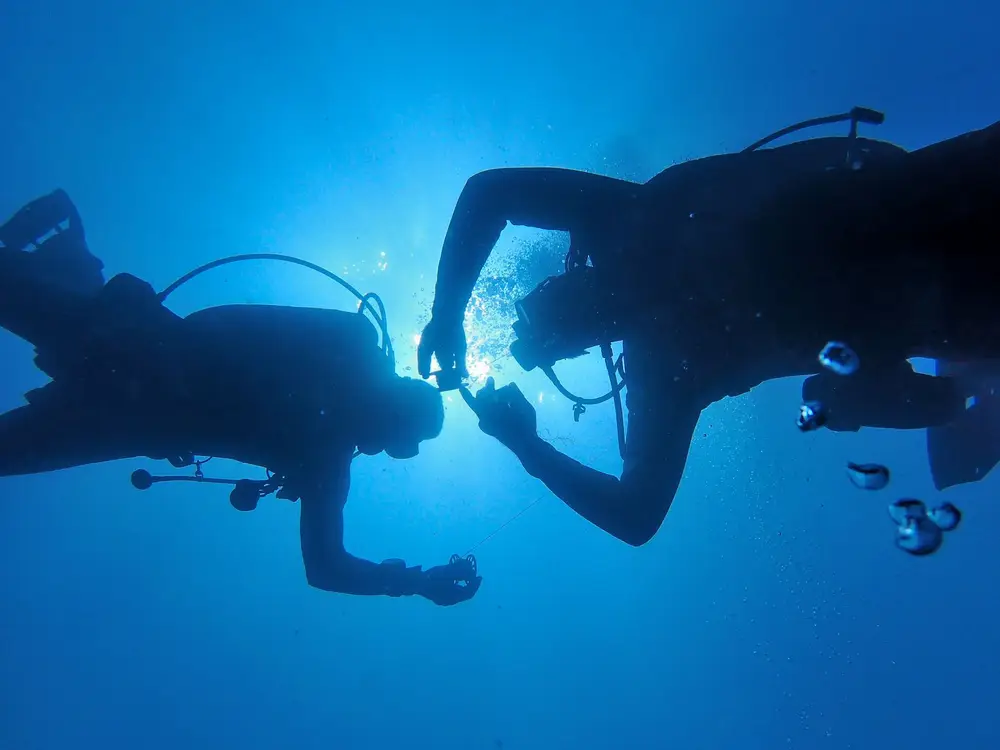
05 Sea Horse is a year-round dive destination in Sri Lanka with 12 documented species observations and active community video content.
 06
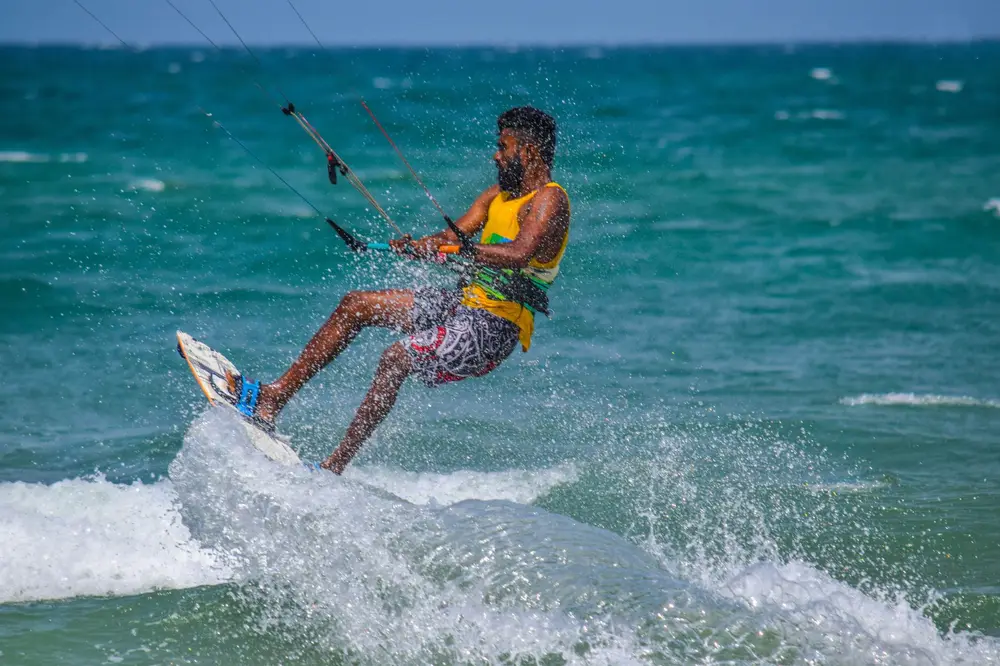
06 De Silva Windresort in Sri Lanka offers year-round kite conditions in a spot with documented marine activity and community support.
 07
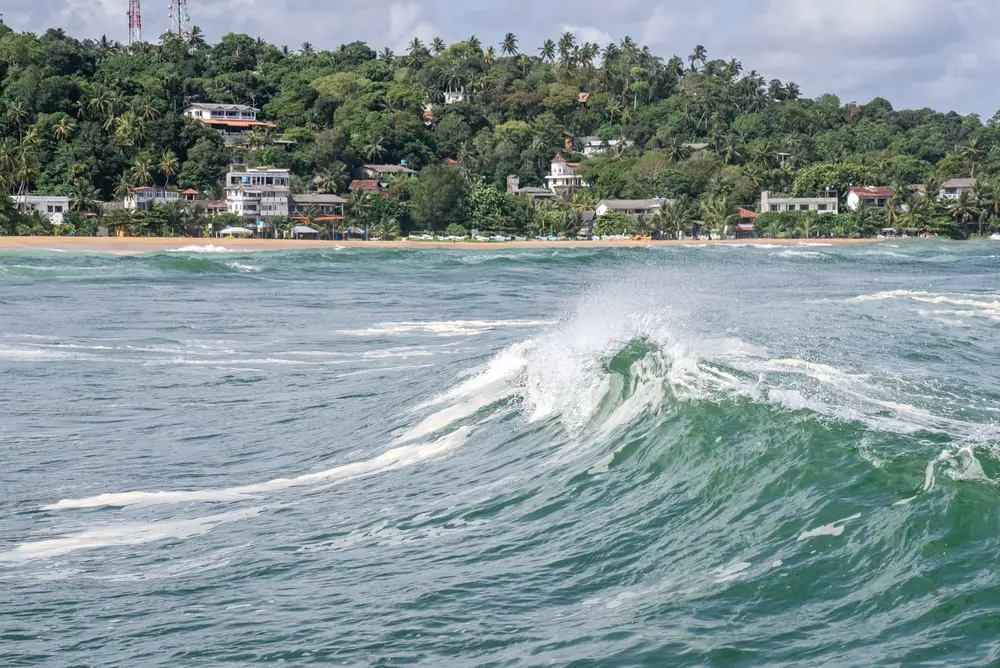
07 Fishermen Bay offers consistent waves year-round off Sri Lanka's southern coast. A local favorite with accessible breaks for various skill levels.
 08
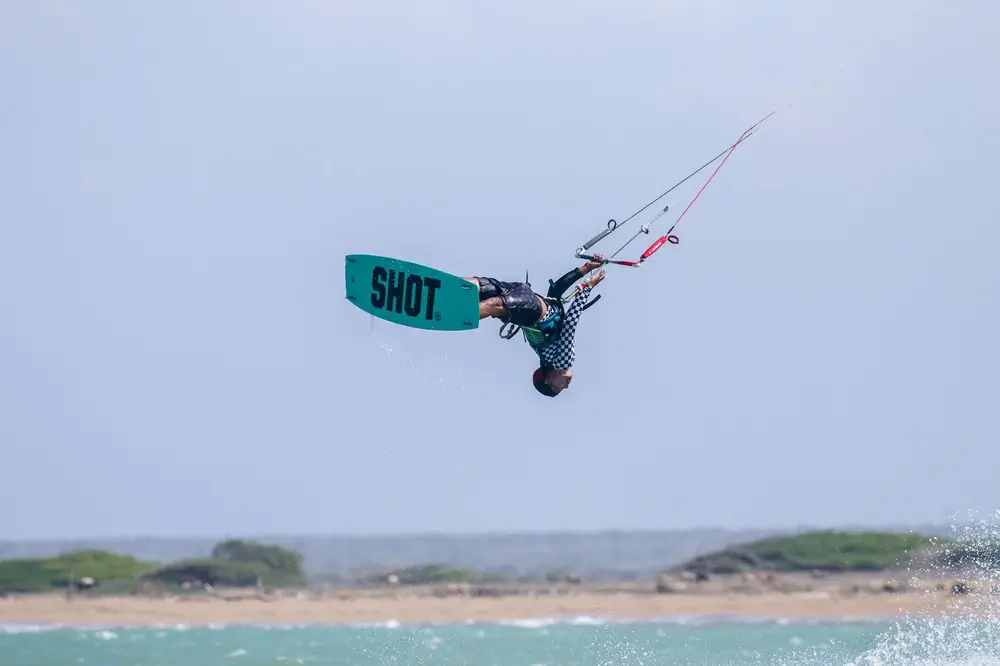
08 Kitesurfing Lanka offers year-round conditions in Sri Lanka with a growing community of videos and sightings.
More spots available in our Sri Lanka dive guide.
Sri Lanka's warm waters support diving every month of the year. The west and south coasts see the best conditions during the dry season, while the east coast shines during its own dry months. Check best diving in January if planning a winter trip, as January offers stable conditions across most dive sites.
Divers regularly encounter Green Sea Turtles and Olive Ridley Sea Turtles cruising reefs and sandy patches. Reef fish like the Bluering Angelfish and Bluelined Rockcod populate shallow to moderate depths. Look for small mollusks including the Ringed Goniobranch on rocky areas. The Ribbed Turban snail appears on reef walls and rubble zones. If conditions align, you may spot larger visitors—see our guide on where to encounter Whale Sharks for seasonal information.
Bring adequate sun protection and a light thermal layer for early morning boat dives. Most sites have moderate currents manageable with proper weighting. Visibility averages 15 to 25 meters depending on season and location. Reef shoes help navigating boat entries and exits on coral-heavy shores. Fresh water and first aid are standard at established dive facilities.
Book dives through local operators offering daily trips and multi-day packages. Most sites sit within 30 minutes by boat from main tourist areas. Accommodation ranges from budget guesthouses to resorts, all within walking distance of dive shops. Plan at least three dives to experience different reef types and depths across the island. Bring your certification card and dive log for easier site access and faster check-ins.
🌊 Water: 26–30°C · 14dive sites. From our 5-year climatology and best-month signal across the sites below.
| Month | Diving 🤿 | Air | Rain | Wind |
|---|---|---|---|---|
| Jan | 10 | — | — | — |
| Feb | 10 | — | — | — |
| Mar | 10 | — | — | — |
| Apr | 10 | — | — | — |
| May | 10 | — | — | — |
| Jun | 10 | — | — | — |
| Jul | 10 | — | — | — |
| Aug | 10 | — | — | — |
| Sep | 10 | — | — | — |
| Oct | 10 | — | — | — |
| Nov | 10 | — | — | — |
| Dec | 10 | — | — | — |
≈ 42 m · The seabed
Thousands more dive sites are waiting in the blue — pick your next descent.