 01
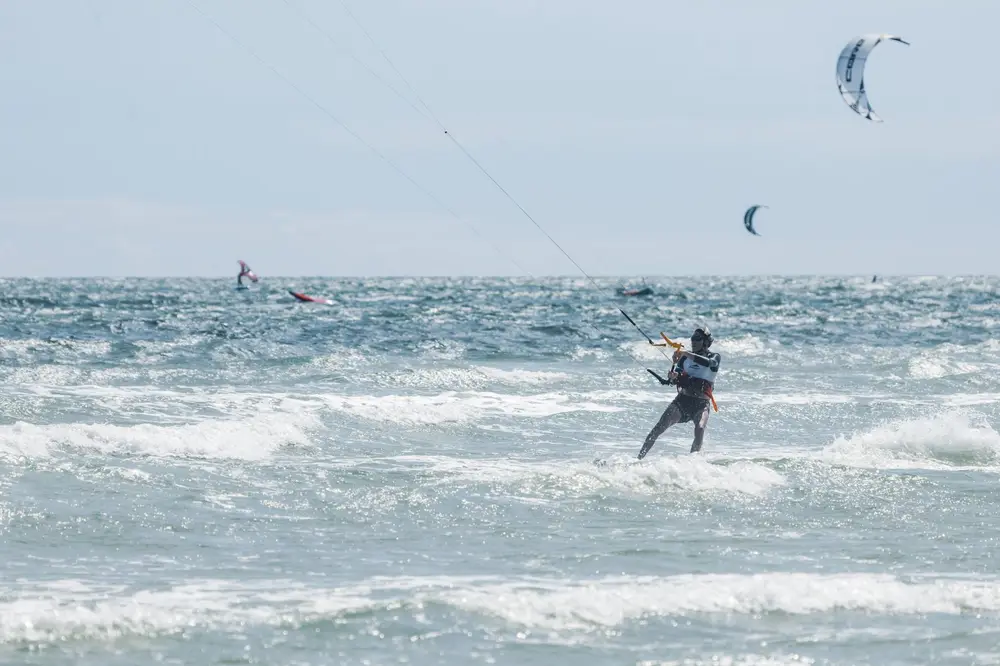
01 Blimssanden
Blimssanden is a year-round kite spot in Norway with consistent wind and accessible shallow water.
beginner
Explore this site → 

Country guide
Norway's 25 dive sites deliver wrecks, maelstroms, and dense marine life year-round in water from 3–15°C. Best for intermediate and advanced divers.
Norway is not a warm-water destination, and that's exactly the point. With water sitting between 3°C and 15°C year-round, visibility in many fjord and coastal sites is exceptional — cold water suppresses the plankton blooms that cloud tropical seas. Across 25 published sites, you'll find one of Europe's most powerful tidal currents, accessible wrecks, and fjord walls that reward divers willing to suit up properly.
The reefs, walls and wrecks worth the trip — each with real conditions, seasons and marine life.
01 Blimssanden is a year-round kite spot in Norway with consistent wind and accessible shallow water.
 02
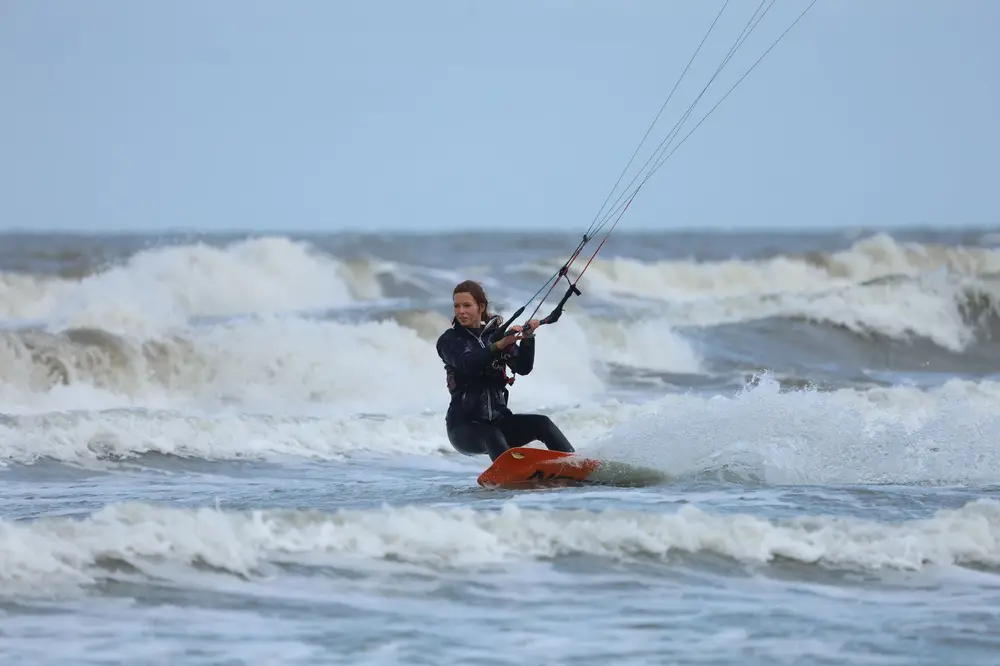
02 Karljohansvern is a year-round kite spot in Norway near a 19th-century fortress. Wind-powered riding with historical vibes.
 03
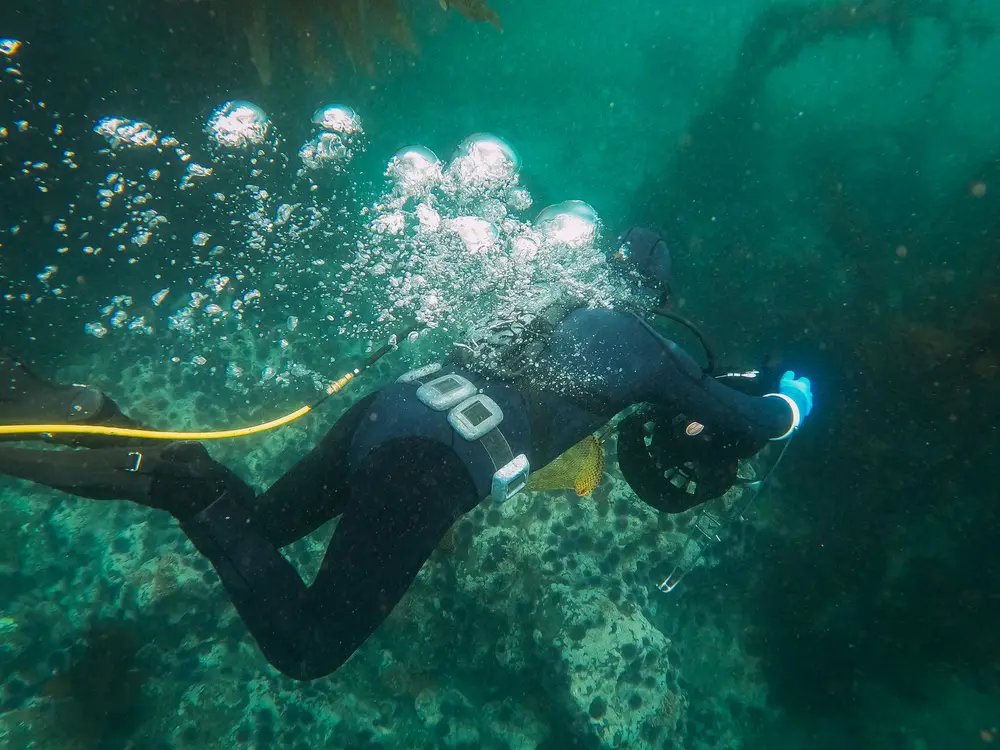
03 Korsvika offers year-round diving in the Lade area near Trondheim, with documented marine observations and local video guides.
 04
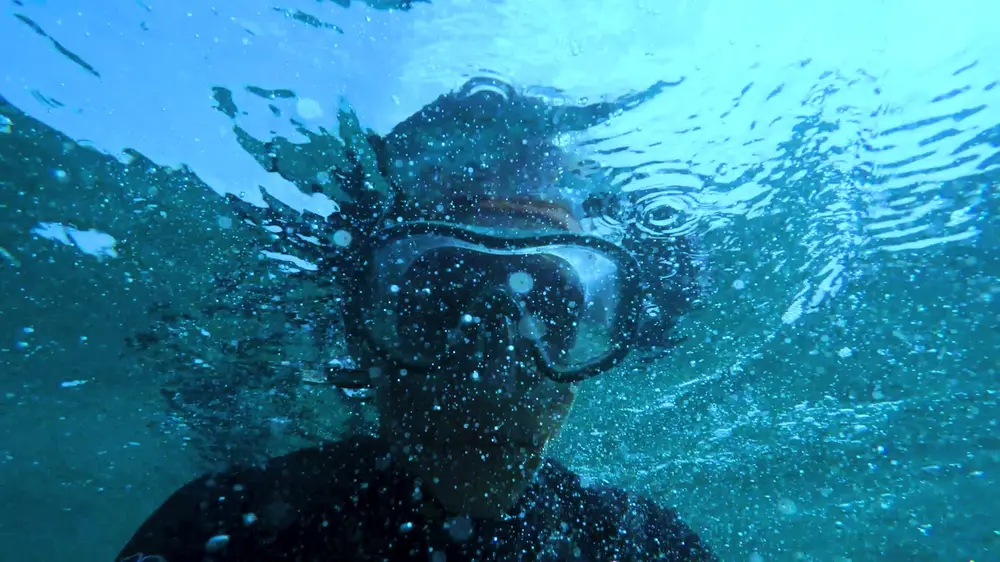
04 Lektern near Svalnes Tunnel is a year-round Norwegian dive destination with accessible underwater geology and consistent community activity.
 05
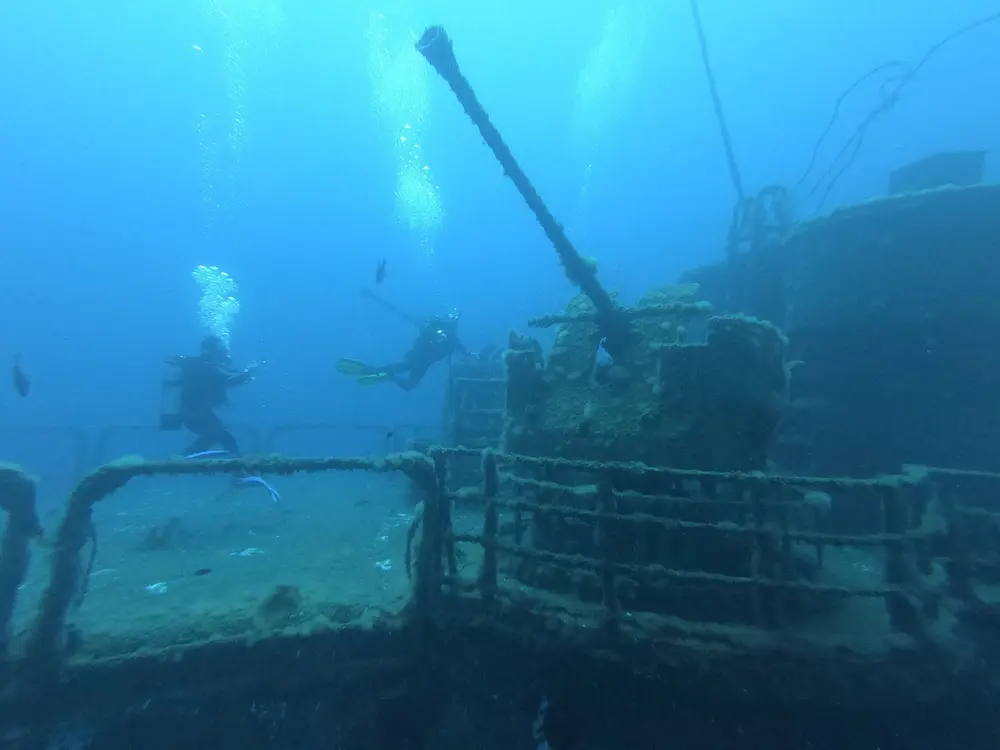
05 MS Hamburg is a wreck dive off Norway offering year-round exploration of a substantial shipwreck with documented marine life.
 06
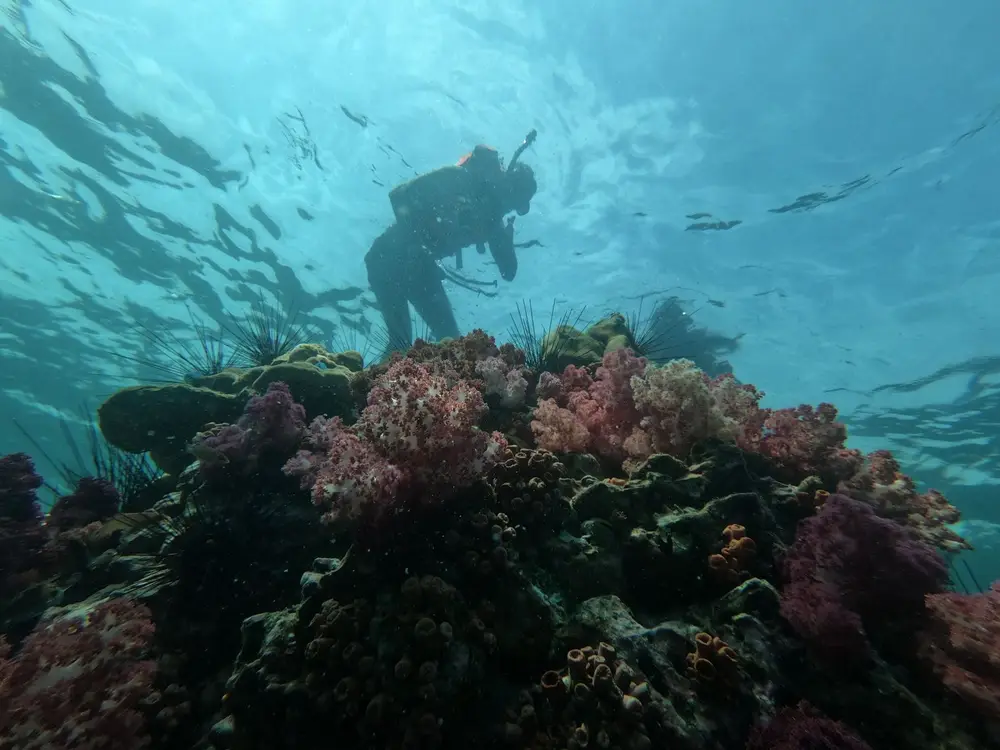
06 Nykorallene is a year-round Norwegian dive site with unique tunnel features and documented marine observations.
 07
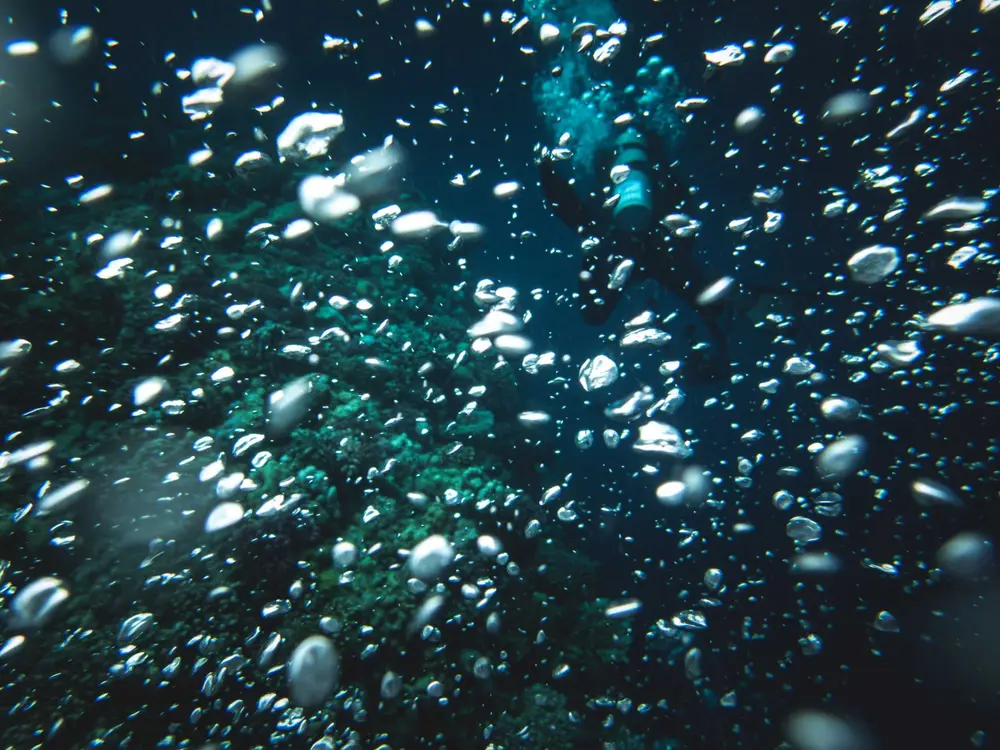
07 Year-round diving in Norway's Oslofjorden with a dive center offering local access and 12 documented species observations.
 08
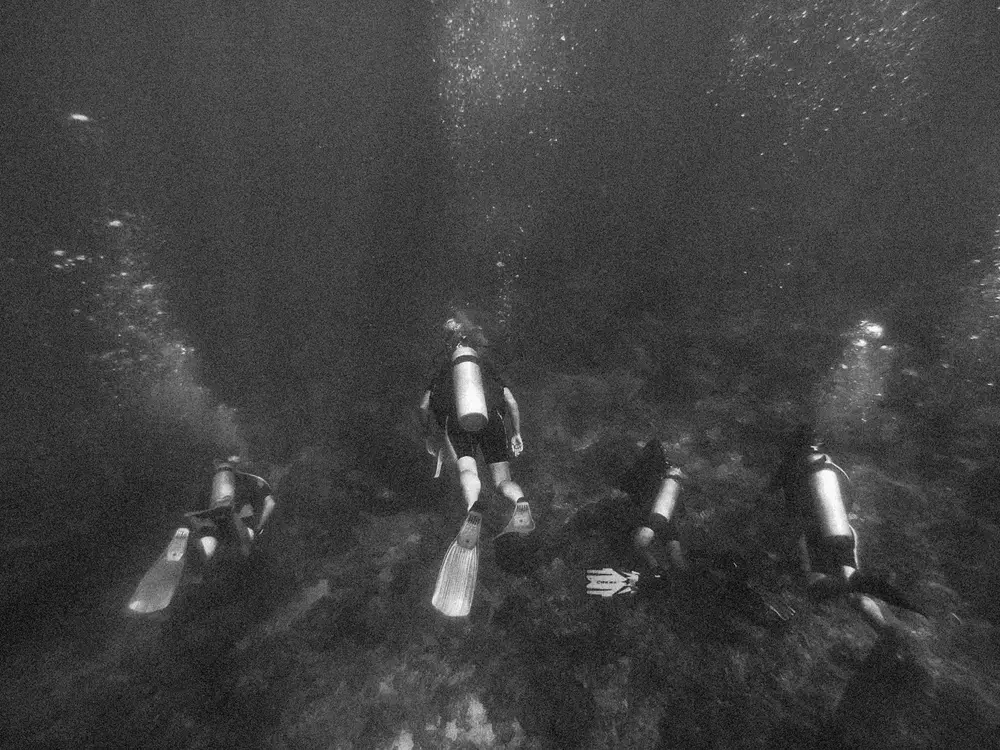
08 Plaugen offers year-round diving near Trondheim's marine research hub with documented species observations and local video guides.
Norway's sites are diveable year-round. Summer (June–August) brings the warmest water — up to 15°C at the surface — and the longest daylight hours, which matters at northern latitudes. Winter diving is done in 3–5°C water and requires a drysuit, but visibility can be at its clearest and the sites are uncrowded.
Partially. Sites like Oslofjorden dykkesenter and Texacobryggen are specifically rated for beginners and offer sheltered, manageable conditions. Saltstraumen is strictly advanced. Most of the catalogue sits at intermediate level, so Norway rewards divers who already have cold-water and drysuit experience — it's not a learn-to-dive destination, but it's a strong next step.
Marine life data for Norwegian sites is still being compiled on the atlas, but cold North Atlantic and Norwegian Sea waters typically support kelp forests, large crabs, wolf fish, nudibranchs, and — around wrecks — dense congregations of fish using the structure for shelter.
Do I need a drysuit to dive in Norway? For anything outside summer months, yes. Even in July, 15°C water drains heat quickly on multi-dive days. Most local operators rent drysuits.
Is Saltstraumen really that difficult? Yes. The current can exceed 20 knots during tidal flow. Dive only at slack water with a guide who knows the local timing.
Can I dive Norwegian wrecks independently? Some, yes. MS Hamburg and Argentina are accessible to independent intermediate divers, though local dive centres can provide current conditions and shot-line access.
Where should I base myself? Bodø for Saltstraumen, Stavanger for the southwest cluster, and Oslo for the beginner-friendly fjord sites.
🌊 Water: -2–16°C · 97dive sites. From our 5-year climatology and best-month signal across the sites below.
| Month | Diving 🤿 | Air | Rain | Wind |
|---|---|---|---|---|
| Jan | 56 | — | — | — |
| Feb | 56 | — | — | — |
| Mar | 57 | — | — | — |
| Apr | 57 | — | — | — |
| May | 58 | — | — | — |
| Jun | 56 | — | — | — |
| Jul | 56 | — | — | — |
| Aug | 56 | — | — | — |
| Sep | 58 | — | — | — |
| Oct | 57 | — | — | — |
| Nov | 57 | — | — | — |
| Dec | 56 | — | — | — |
≈ 42 m · The seabed
Thousands more dive sites are waiting in the blue — pick your next descent.