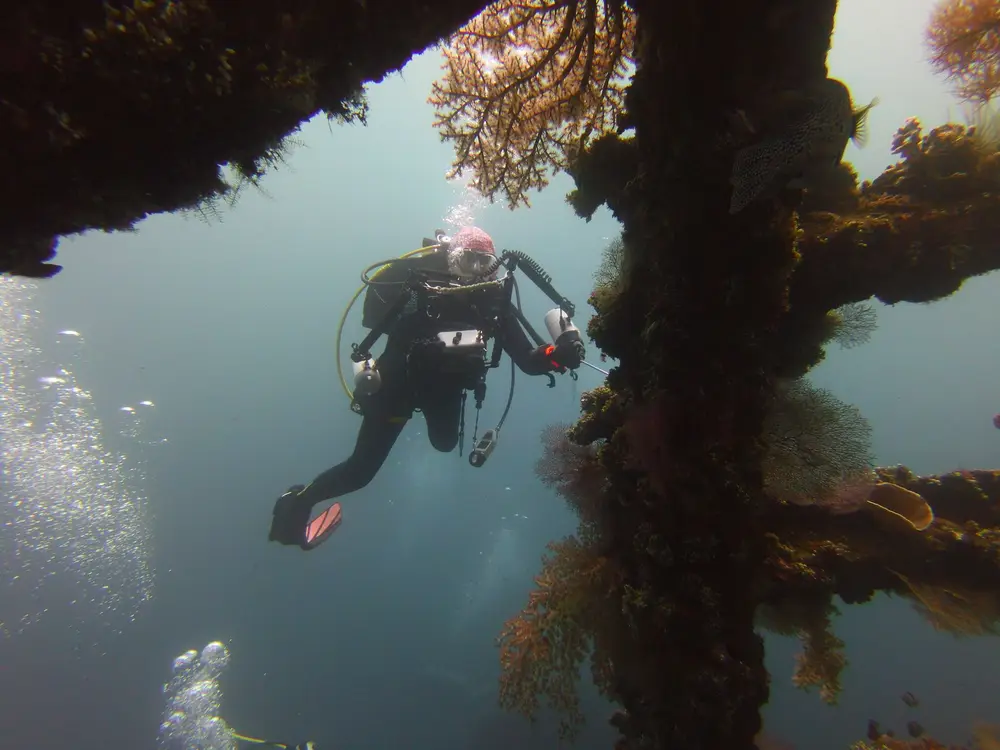
 01
01 High Bridge
High Bridge is a year-round dive destination in Japan with 12 recorded species observations and active community video documentation.


Country guide
Japan's 42 dive sites span warm Okinawan reefs to Yonaguni's mysterious ruins. Year-round diving, turtles, sharks, and nudibranchs await.
Japan offers 42 mapped dive sites across a striking range of environments — subtropical coral gardens in Okinawa, current-swept walls off Yonaguni, and temperate rocky reefs in Izu. Water temperatures run 20–28 °C depending on region and season, making a 3–5 mm wetsuit the standard kit for most of the year.
The reefs, walls and wrecks worth the trip — each with real conditions, seasons and marine life.
01 High Bridge is a year-round dive destination in Japan with 12 recorded species observations and active community video documentation.
 02
02 Year-round diving near Izu's iconic Osezaki Lighthouse in a protected marine park. Diverse marine life with documented species observations.
 03
03 Wannai is a year-round dive site near Izu Osezaki Lighthouse in Japan's Fuji-Hakone-Izu National Park, with documented marine life and active community presence.
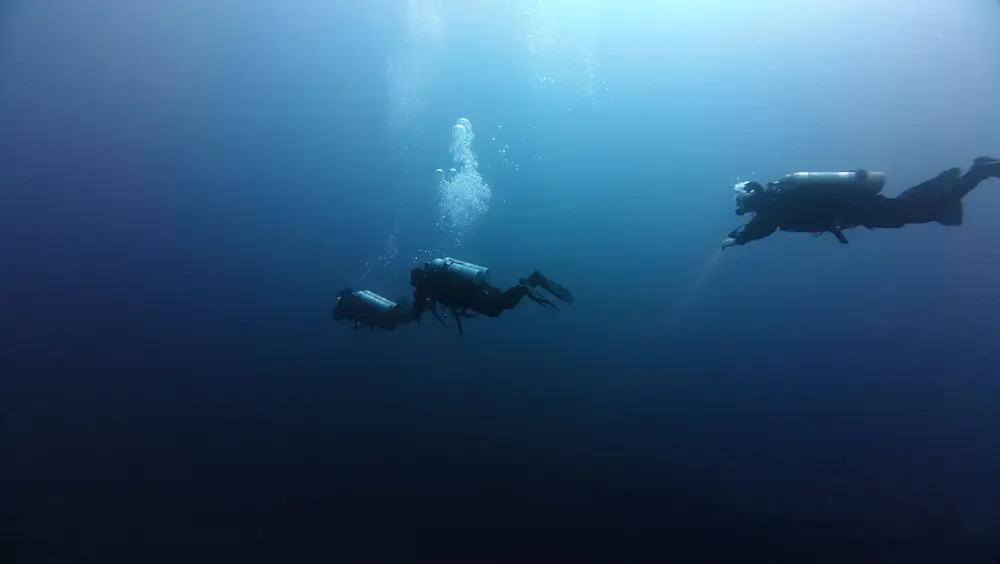 04
04 Year-round diving off Japan's Oki Island in the Kuroshio Current, with healthy corals and diverse marine life.
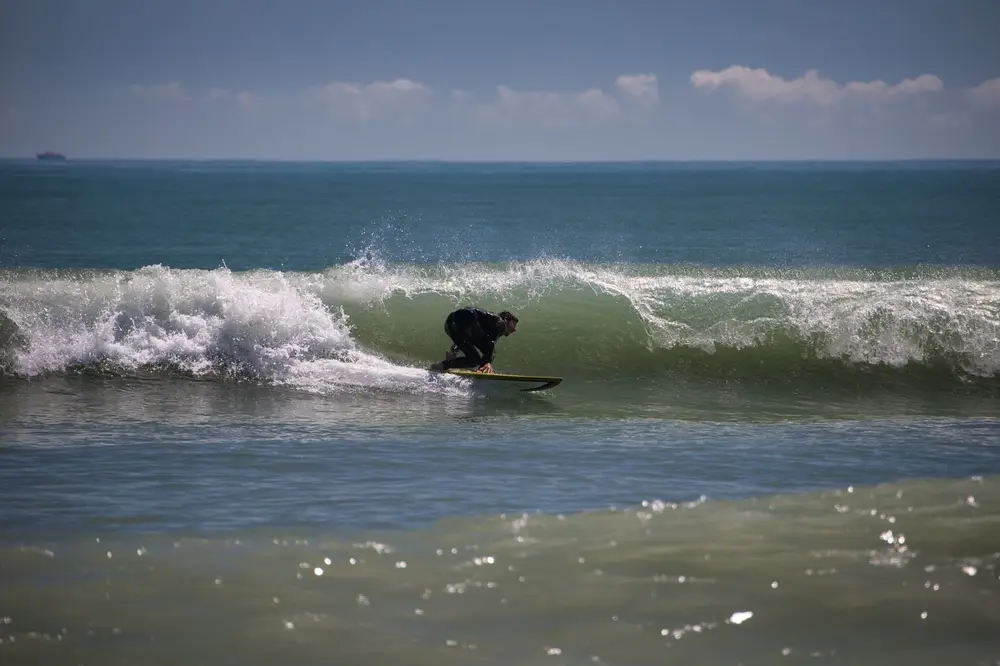 05
05 Katase-Higashihama is a consistent year-round surf break on Japan's Pacific coast with easy access and local community energy.
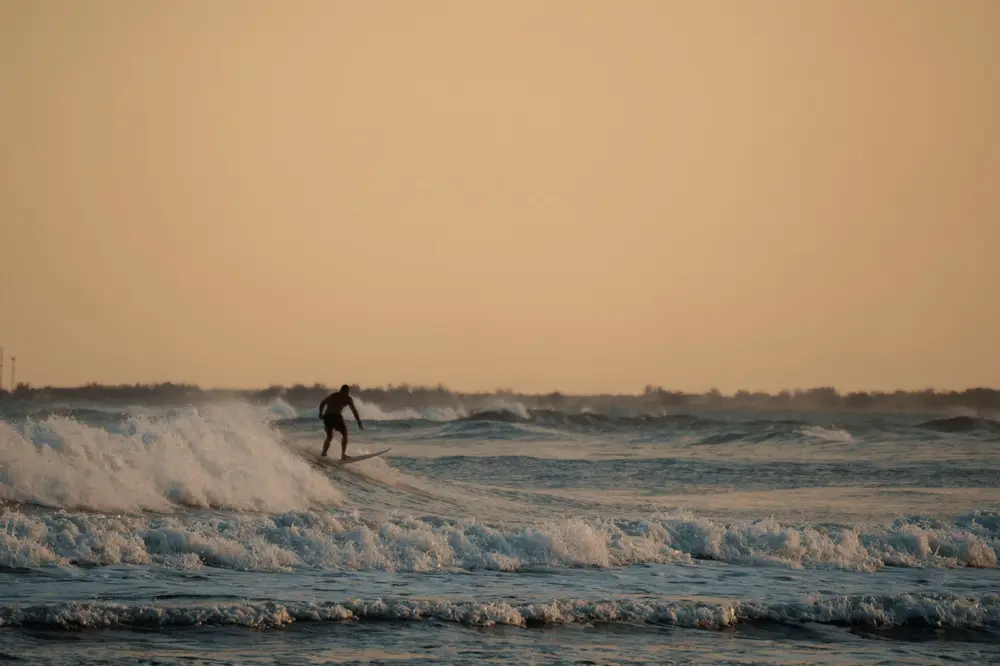 06
06 Year-round beach break near Tokyo with consistent waves and easy access. Local favorite with 12 recorded species observations and active community.
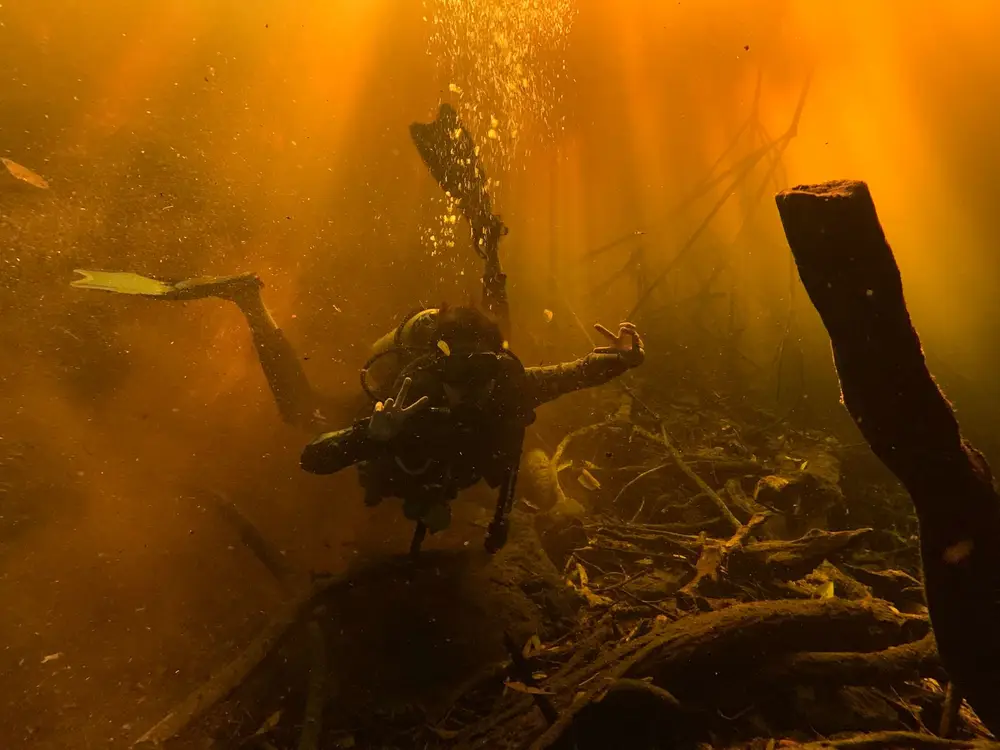 07
07 Okinawa dive site with year-round access and healthy coral. Twelve recorded species and community video guides.
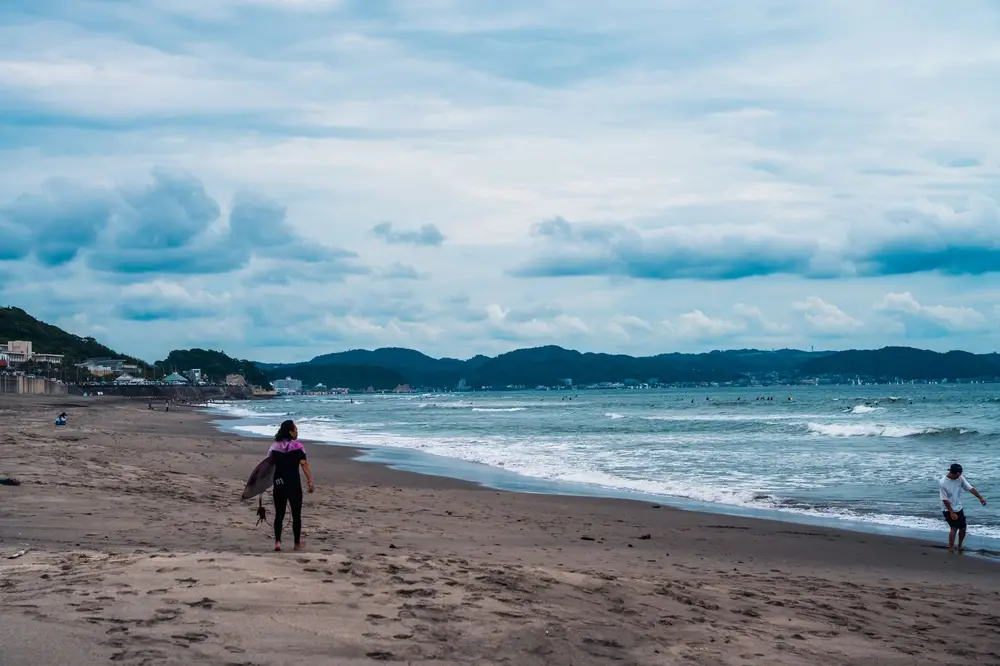 08
08 Tsujidō Beach offers consistent surf year-round on Japan's eastern coast, with a mix of beach breaks and nearby reef options.
Japan supports year-round diving, but conditions vary sharply by region. Okinawa and Yonaguni are warmest June–October (up to 28 °C) and see the best coral color and fish activity. The Izu Peninsula dives well from spring through autumn; winter water drops toward 20 °C but visibility often improves. Typhoon season (July–September) can close southern sites for days at a time — build flexibility into your itinerary.
Yes, with the right site selection. Okinawa alone has multiple beginner-rated shore entries — Sunabe, Ama Beach, and Agena Shiku coral gardens among them — with calm conditions and instructors who run courses in English and Japanese. Avoid Yonaguni as a first-trip destination; its currents and depth demand solid buoyancy control.
Japan's recorded marine life covers both tropical and temperate species. In Okinawa expect green sea turtles resting on coral heads and hawksbill turtles in caverns. Blacktip reef sharks appear regularly at deeper Okinawan and Yonaguni sites. Nudibranchs are the headline attraction in Izu — the cold, nutrient-rich water supports extraordinary species diversity, and macro photographers return specifically for them.
Do I need a dive guide at Yonaguni? Yes. Currents at the Underwater Monument can be strong and shift quickly; local guides know the tidal patterns and the safest entry points.
What certification level do I need for Manza Dream Hole? The site is rated intermediate — an open-water certification plus some logged dives in low-visibility or overhead environments is recommended before entering the cavern.
Can I dive in Japan in winter? Yes. Izu dives year-round and winter visibility is often excellent. Okinawa stays mild even in January, rarely dropping below 22 °C at the surface.
Is there good diving for non-tropical species? Izu is the answer — volcanic substrate, cold upwellings, and a nudibranch count that rivals Indonesia for sheer variety.
🌊 Water: 20–29°C · 62dive sites. From our 5-year climatology and best-month signal across the sites below.
| Month | Diving 🤿 | Air | Rain | Wind |
|---|---|---|---|---|
| Jan | 38 | — | — | — |
| Feb | 38 | — | — | — |
| Mar | 38 | — | — | — |
| Apr | 38 | — | — | — |
| May | 38 | — | — | — |
| Jun | 38 | — | — | — |
| Jul | 38 | — | — | — |
| Aug | 38 | — | — | — |
| Sep | 38 | — | — | — |
| Oct | 38 | — | — | — |
| Nov | 38 | — | — | — |
| Dec | 38 | — | — | — |
≈ 42 m · The seabed
Thousands more dive sites are waiting in the blue — pick your next descent.