 01
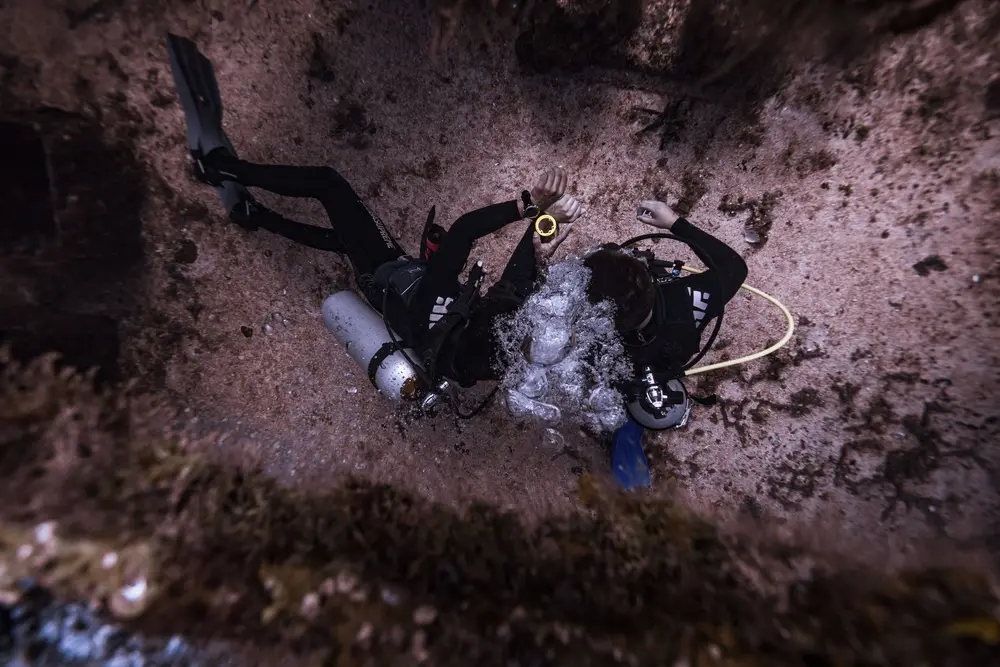
01 ASD POSIDONIA
ASD Posidonia is a year-round dive site in Genoa, Italy, protected within the Sanctuaire Pelagos marine reserve.
beginner
Explore this site → 

Country guide
Italy's 74 dive sites span Ligurian caves, Sardinian reefs and Sicilian seamounts. Best year-round, 8–26 °C, dolphins to barracuda.
Italy has 74 mapped dive sites stretching from the Ligurian coast down through Sardinia and Sicily, covering everything from shallow beginner reefs to 40-metre advanced walls. Water temperature swings between 8 °C in winter and 26 °C in summer, so your wetsuit choice matters more than your travel dates. Whether you want a cavern dive or a sandy plateau to practice buoyancy, the range here is genuinely broad.
The reefs, walls and wrecks worth the trip — each with real conditions, seasons and marine life.
01 ASD Posidonia is a year-round dive site in Genoa, Italy, protected within the Sanctuaire Pelagos marine reserve.
 02
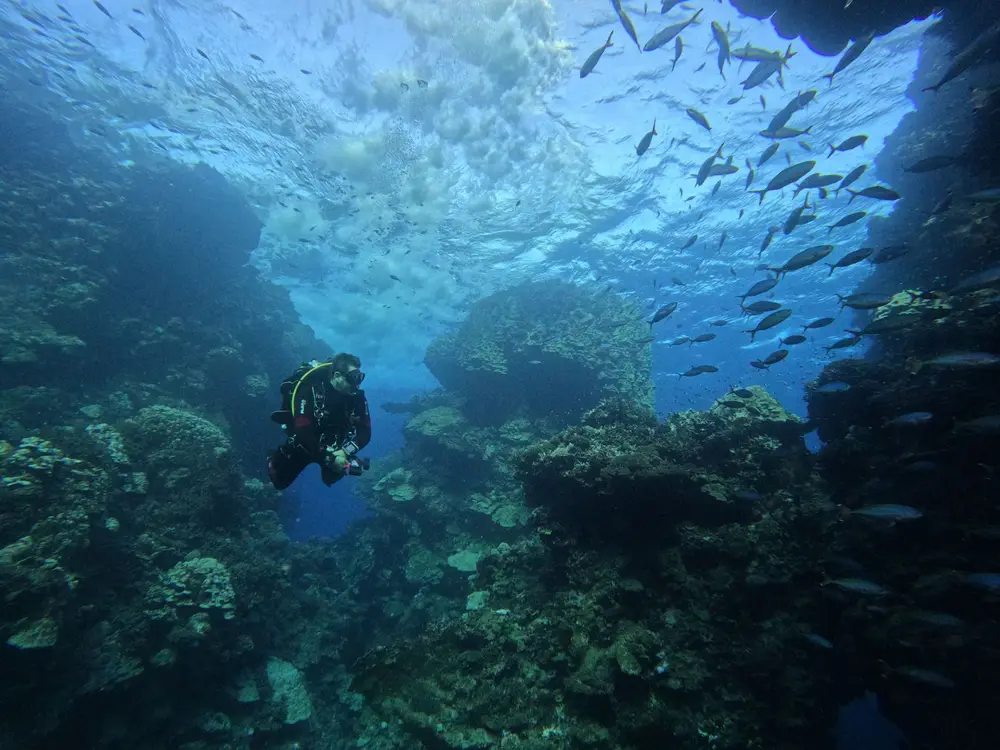
02 Andrea Ghisotti reef off Camogli offers year-round diving near the historic San Fruttuoso Abbey, protected within a marine reserve.
 03
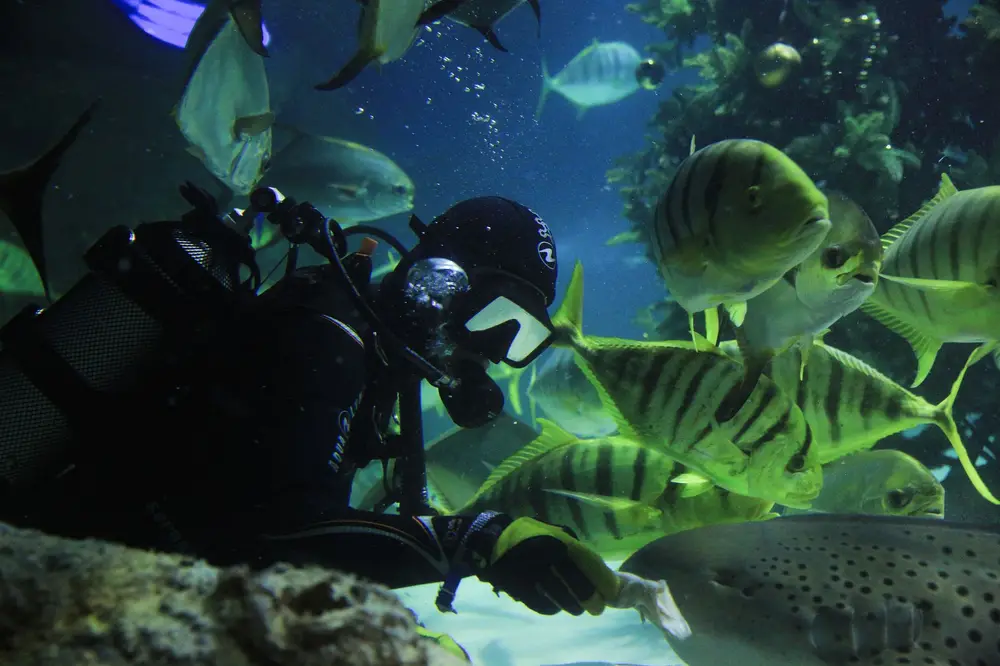
03 Aquario Nord is a year-round dive site near Italy's easternmost point, offering 12 documented species and 3 community videos.
 04
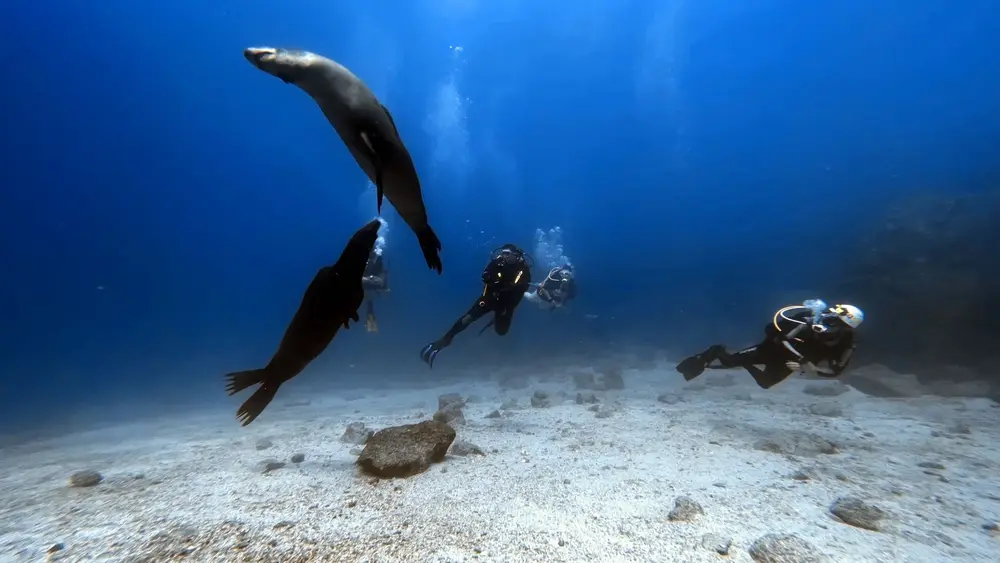
04 Bludive Salina is a year-round Italian dive site near Malfa with 11 recorded species observations and community video documentation.
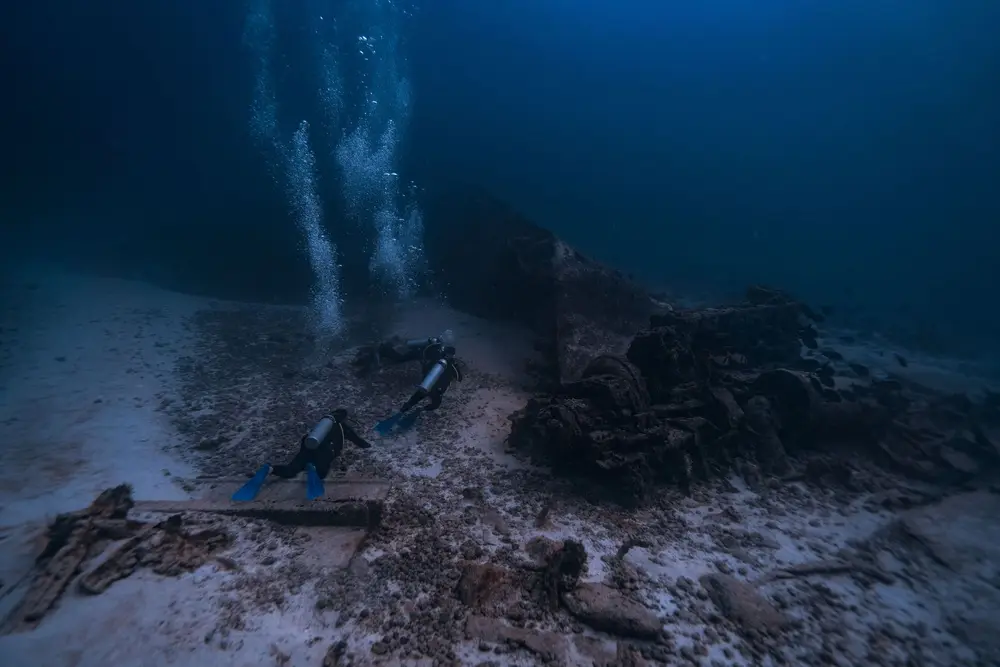 05
05 Cala Mariolu is a protected cove on Sardinia's east coast, offering year-round diving within a national marine park.
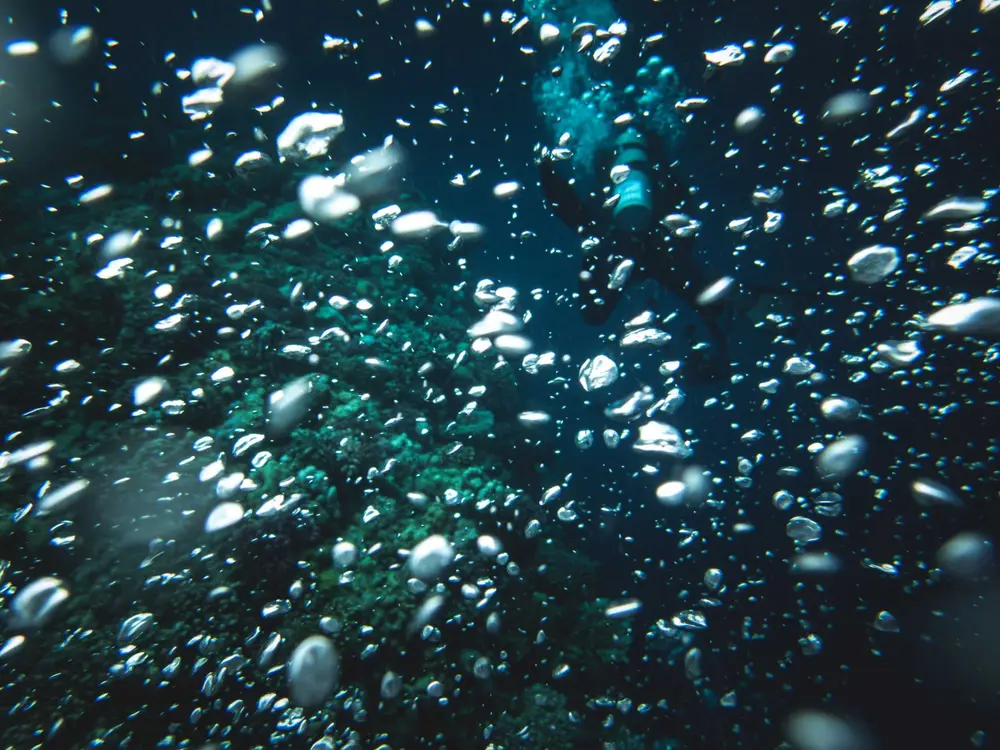 06
06 Cala d'Oliva is a protected dive site within Italy's Asinara National Park, offering year-round access to Mediterranean underwater habitat.
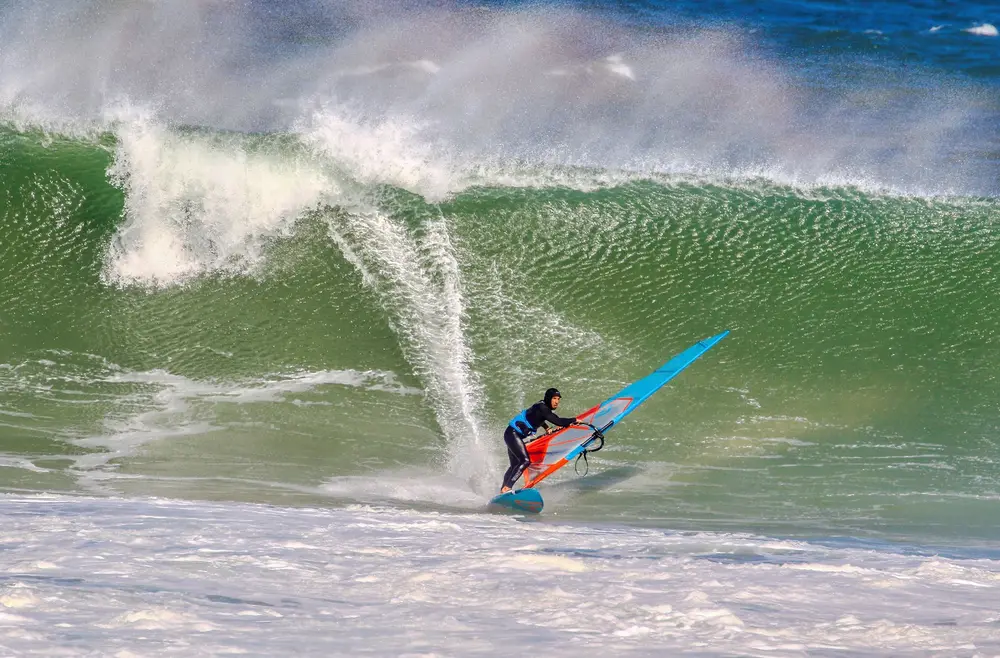 07
07 Campi School in Baia di Campi offers year-round surf access in Italy's Tyrrhenian waters with consistent wave potential and minimal restrictions.
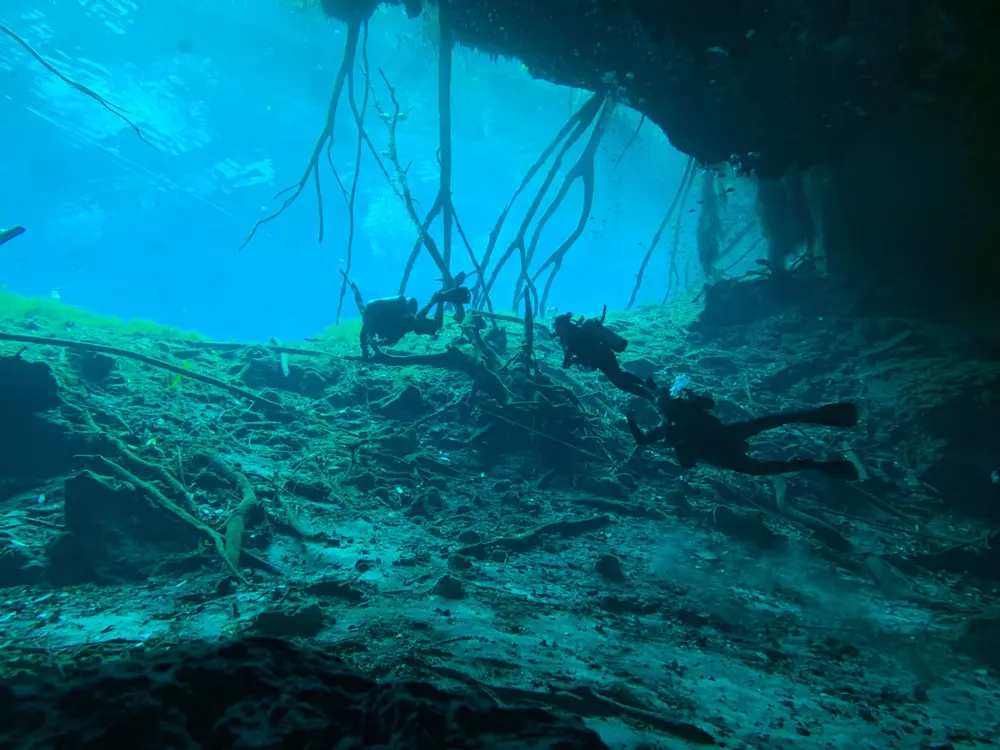 08
08 Canyon del Diablo is a protected dive site off Sicily's Isola Bella, within a marine reserve. Year-round access to diverse marine life in a legally protected area.
Italy is diveable year-round. Summer (June–September) brings the warmest water, up to 26 °C, and the best visibility at many sites. Winter drops to 8 °C in the north and requires a drysuit or a thick wetsuit, but crowds disappear and some marine life is more active. Spring and autumn sit in the middle on both counts and are often the most practical choice.
Yes. Sites like Cristo degli Abissi, La Reggia, Secca di Ponente, and Centro Immersioni Civitavecchia offer calm, shallow water with easy entry. Several dive centres along the Ligurian and Sardinian coasts run PADI and SSI courses.
Marine life recorded across Italian sites includes bottlenose dolphins, great barracuda, and common octopus. Grouper are a consistent presence at Sardinian sites. Cave systems hold shrimp and moray eels in the darker sections.
Do I need a dive permit in Italy? No national permit is required for recreational diving, but some marine protected areas (including Portofino and Ustica) require you to dive with a registered local guide or centre.
What wetsuit thickness do I need? In summer, 3–5 mm works for most sites. From November through March, especially in the north, 7 mm or a drysuit is more appropriate given temperatures down to 8 °C.
Are there dive sites for advanced divers only? Grotta dei Gamberi and Grotta del Cristo are explicitly advanced due to cave conditions and low visibility. Most other listed sites are intermediate or beginner-friendly.
Can I dive Ustica as a day trip? Ustica is a small island with ferry connections from Palermo. Day trips are possible but an overnight stay gives you more time in the water and access to multiple seamounts.
🌊 Water: 8–26°C · 110dive sites. From our 5-year climatology and best-month signal across the sites below.
| Month | Diving 🤿 | Air | Rain | Wind |
|---|---|---|---|---|
| Jan | 71 | 13° | 3mm | 10kn |
| Feb | 71 | 14° | 3mm | 9kn |
| Mar | 71 | 16° | 3mm | 10kn |
| Apr | 71 | 18° | 2mm | 9kn |
| May | 72 | 22° | 3mm | 9kn |
| Jun | 72 | 27° | 2mm | 8kn |
| Jul | 72 | 30° | 1mm | 9kn |
| Aug | 72 | 30° | 2mm | 9kn |
| Sep | 72 | 26° | 3mm | 9kn |
| Oct | 72 | 22° | 5mm | 9kn |
| Nov | 71 | 17° | 4mm | 10kn |
| Dec | 71 | 14° | 3mm | 9kn |
≈ 42 m · The seabed
Thousands more dive sites are waiting in the blue — pick your next descent.