 01
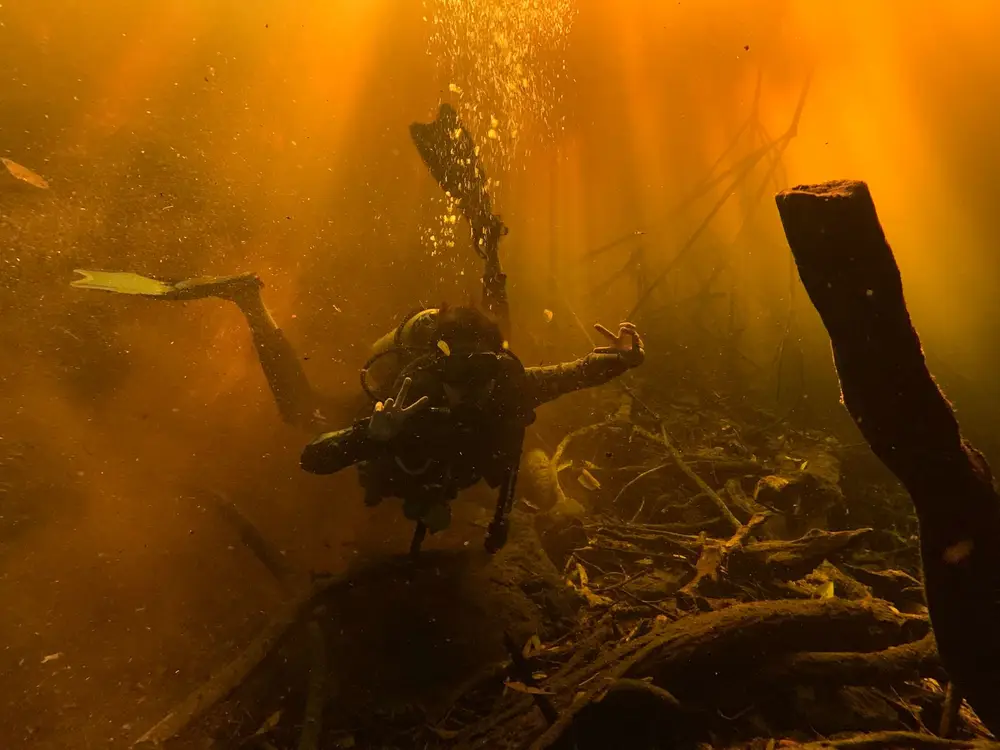
H.M.S. Martin
H.M.S. Martin is a wreck dive off Inishtrahull, Ireland, accessible year-round with 12 recorded species observations.
intermediate
Explore this site → 

Country guide
Ireland's 13 dive sites offer cold-water wrecks, dramatic cliffs, and bottlenose dolphins year-round. Best for intermediate to advanced divers.
Ireland is not a warm-water destination, and that's exactly the point. Its 13 charted dive sites deliver something most tropical reefs can't: intact shipwrecks draped in nudibranchs, sheer Atlantic cliff walls, and the genuine chance of sharing water with bottlenose dolphins. Diving here rewards preparation and pays back in full.
The reefs, walls and wrecks worth the trip — each with real conditions, seasons and marine life.
01 H.M.S. Martin is a wreck dive off Inishtrahull, Ireland, accessible year-round with 12 recorded species observations.
 02
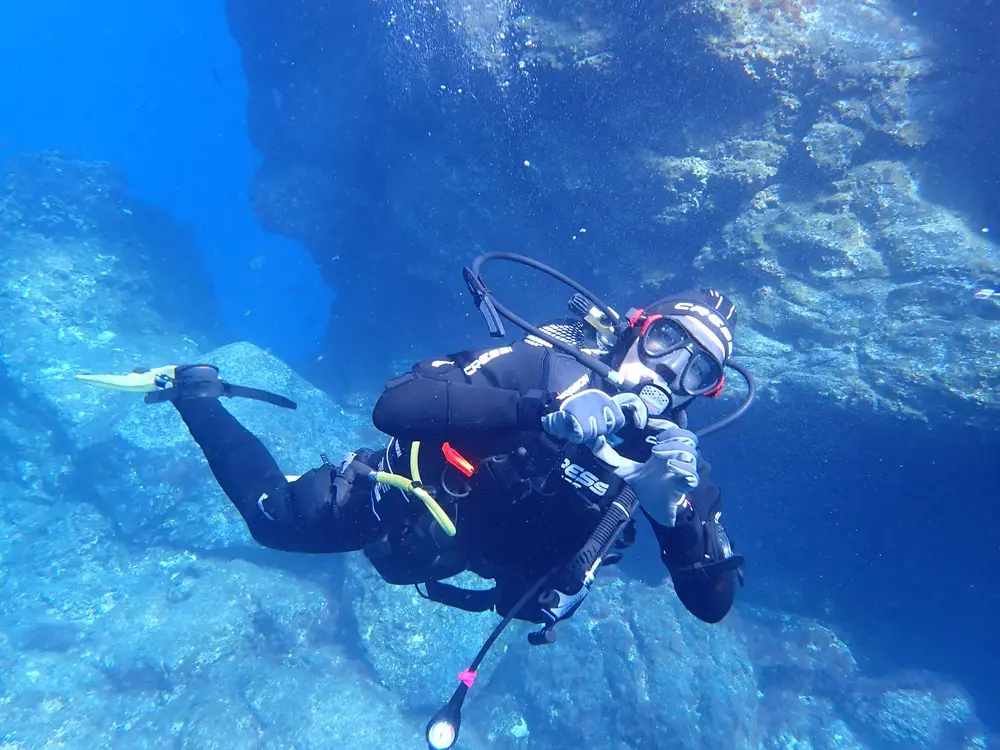
M.V. Bardini Reefer is a wreck dive in County Cork, Ireland's Bear Haven strait, accessible year-round with modest marine life observation data.
 03
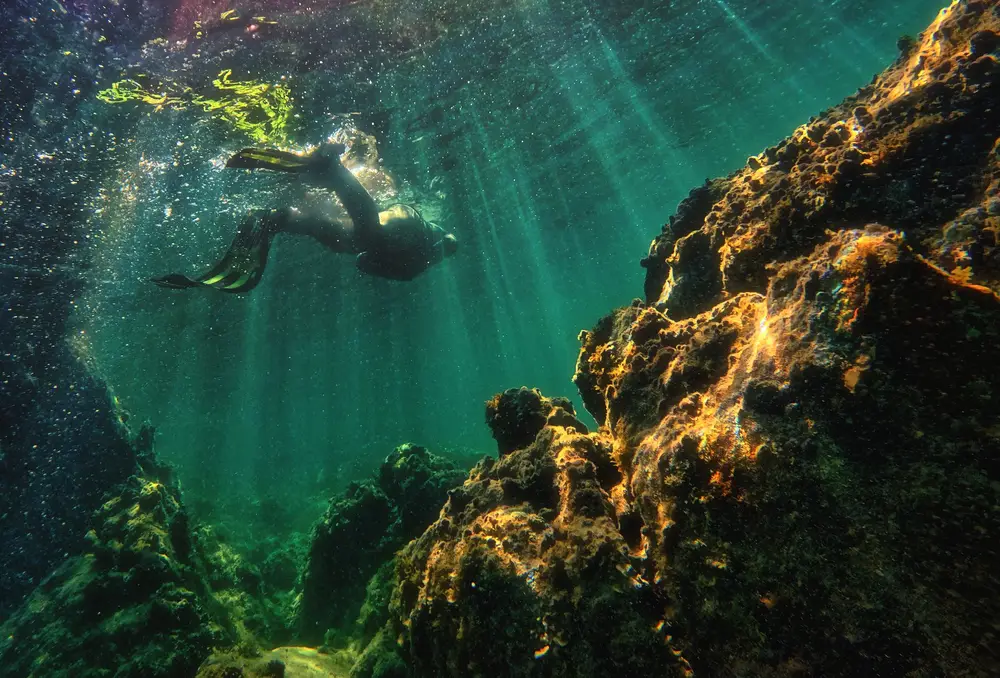
M.F.V. Mystique is a wreck dive off Ireland offering year-round exploration with recorded marine observations.
 04
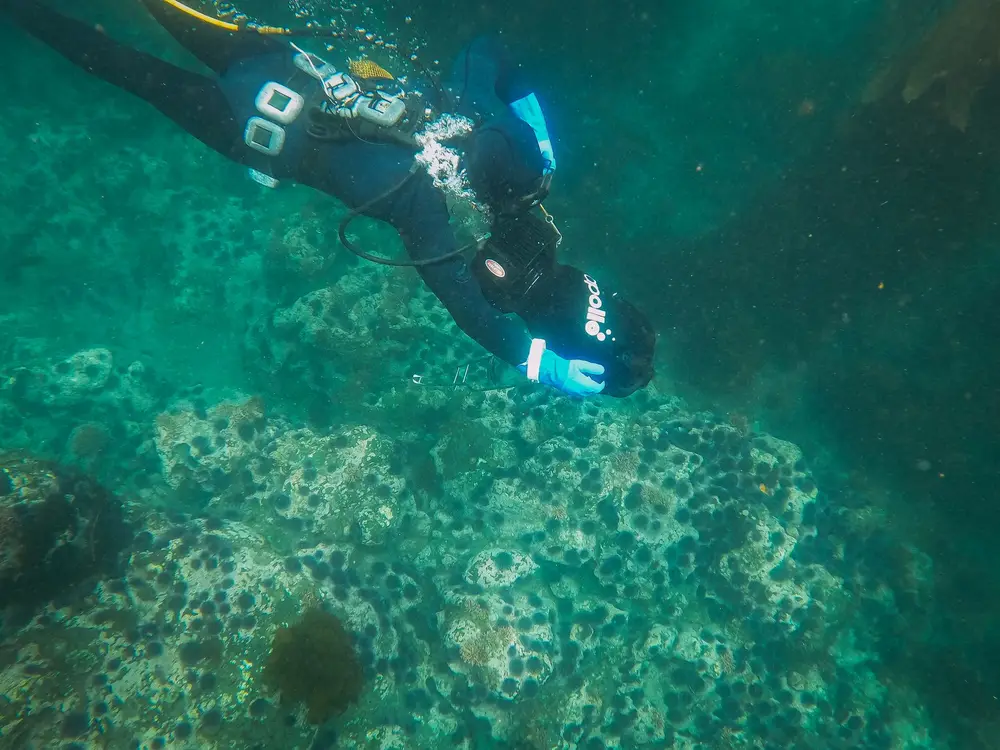
M.V. Kowloon Bridge is a wreck dive off Ireland offering year-round access and documented marine life observations.
 05
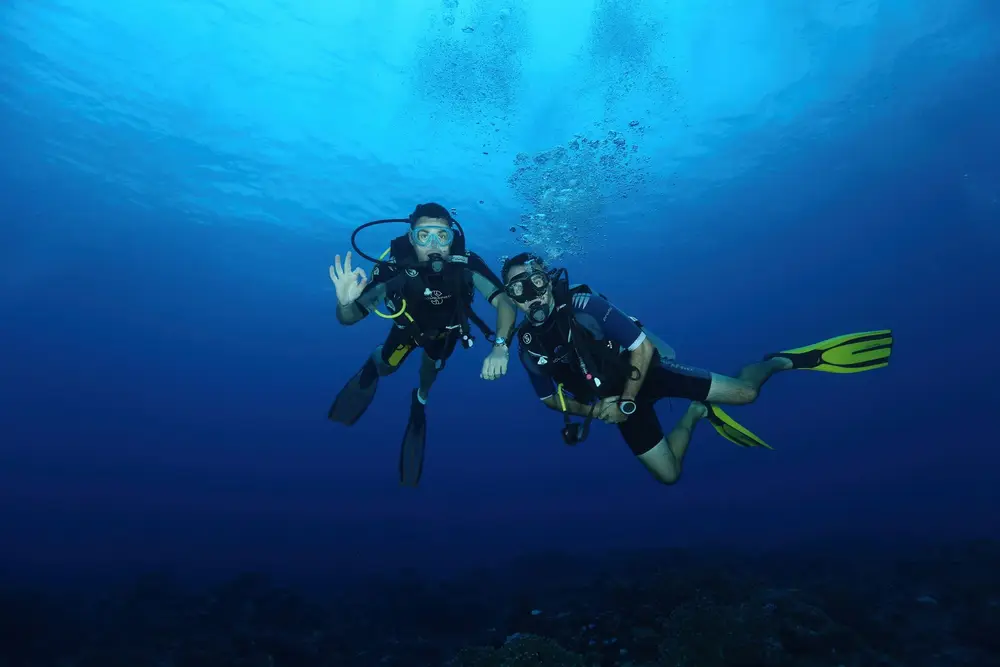
S.S. Alondra is a wreck dive off Kedge Island in County Cork, Ireland, accessible year-round with strong community documentation.
 06
S.S. Illyrian is a wreck dive off Cape Clear Island, County Cork. Explore this historic shipwreck in Irish waters year-round.
 07
S.S. Malmanger is a shipwreck dive site off Ireland, accessible year-round with recorded marine life observations.
 08
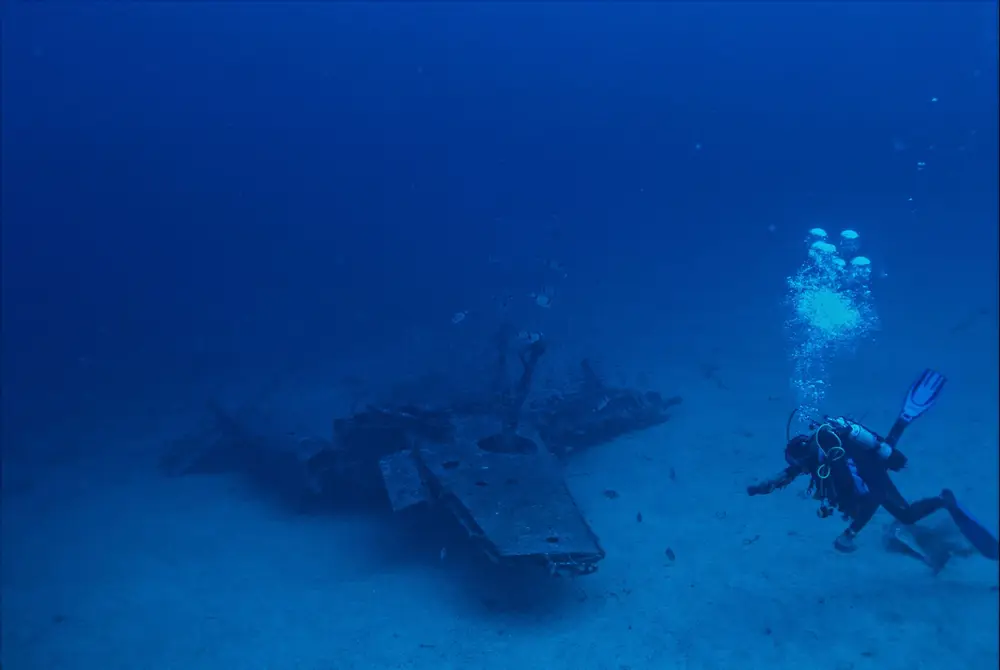
S.S. Nestorian is a historic wreck dive off Ireland's coast, accessible year-round and rich with marine life.
Ireland's dive sites are accessible year-round, which makes trip planning flexible. Water temperature data for Irish sites is not fully standardised across the season, so check current conditions with local operators before booking. Visibility and surface conditions vary significantly with Atlantic weather, and spring through early autumn typically offers the most stable windows.
Honestly, most of Ireland's catalogued sites sit at intermediate or advanced level. The Dún Aengus cliff dive and the deeper wrecks require solid buoyancy control and comfort in cold, sometimes low-visibility water. Beginners are better served completing open-water training in sheltered conditions first, then returning for the wrecks once they have a few dives logged.
The standout encounters are bottlenose dolphins, which appear unpredictably but regularly in Irish coastal waters — an unscripted highlight on any dive or surface interval. The wrecks themselves host dense nudibranch populations; Ireland's cold, nutrient-rich water supports an impressive variety of these small, vivid molluscs on hull surfaces and surrounding rock. Expect encrusting life rather than reef fish diversity.
Do I need a drysuit for Ireland? For year-round diving, a drysuit is strongly recommended. Cold water demands proper thermal protection to dive comfortably and safely.
Are the wrecks protected? Several Irish wrecks carry heritage protection. Check current regulations with the Irish Underwater Council before any penetration or artefact contact.
Can I dive independently or do I need a guide? Local dive operators know the tidal windows and site-specific hazards. For first visits to any Irish site, diving with a local guide is the practical choice.
What certification do I need for the advanced wrecks? Sites like Kowloon Bridge and Bardini Reefer require advanced open water certification at minimum; wreck speciality certification is advisable for penetration sections.
🌊 Water: 8–14°C · 13dive sites. From our 5-year climatology and best-month signal across the sites below.
| Month | Diving 🤿 | Air | Rain | Wind |
|---|---|---|---|---|
| Jan | 5 | — | — | — |
| Feb | 5 | — | — | — |
| Mar | 5 | — | — | — |
| Apr | 5 | — | — | — |
| May | 4 | — | — | — |
| Jun | 4 | — | — | — |
| Jul | 4 | — | — | — |
| Aug | 4 | — | — | — |
| Sep | 5 | — | — | — |
| Oct | 5 | — | — | — |
| Nov | 5 | — | — | — |
| Dec | 5 | — | — | — |
≈ 42 m · The seabed
Thousands more dive sites are waiting in the blue — pick your next descent.