 01
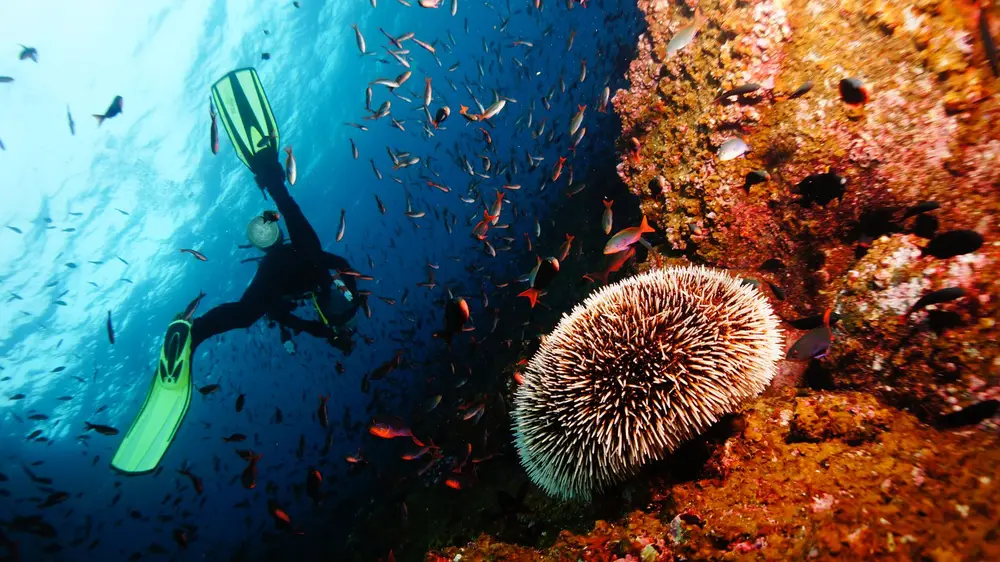
01 Cocos Island — Bajo Alcyone
Bajo Alcyone is an advanced dive site off Cocos Island, Costa Rica, featuring deep reefs and strong currents in a protected marine area.
⇩15–40 m advanced
Explore this site → 

Country guide
From Cocos Island hammerheads to beginner reefs, Costa Rica's 10 dive sites suit all levels year-round in 24–28 °C water.
Costa Rica punches well above its size underwater. Across 10 mapped dive sites — ranging from Pacific seamounts to sheltered beginner coves — you'll find water between 24 °C and 28 °C year-round and a marine life list that includes scalloped hammerheads, manta rays, and two species of sea turtle. Whether you're logging your first open-water dives or chasing pelagics at depth, there's a real site here for you.
The reefs, walls and wrecks worth the trip — each with real conditions, seasons and marine life.
01 Bajo Alcyone is an advanced dive site off Cocos Island, Costa Rica, featuring deep reefs and strong currents in a protected marine area.
 02
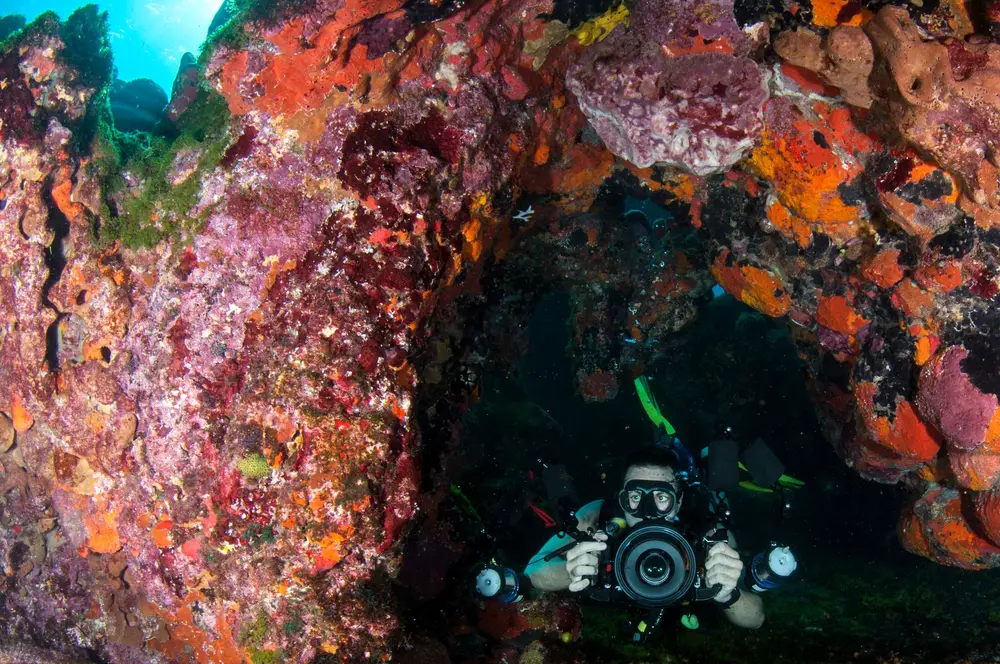
02 Dirty Rock at Cocos Island is an advanced deep dive in Costa Rica's marine protected area, known for strong currents and big pelagic encounters.
 03
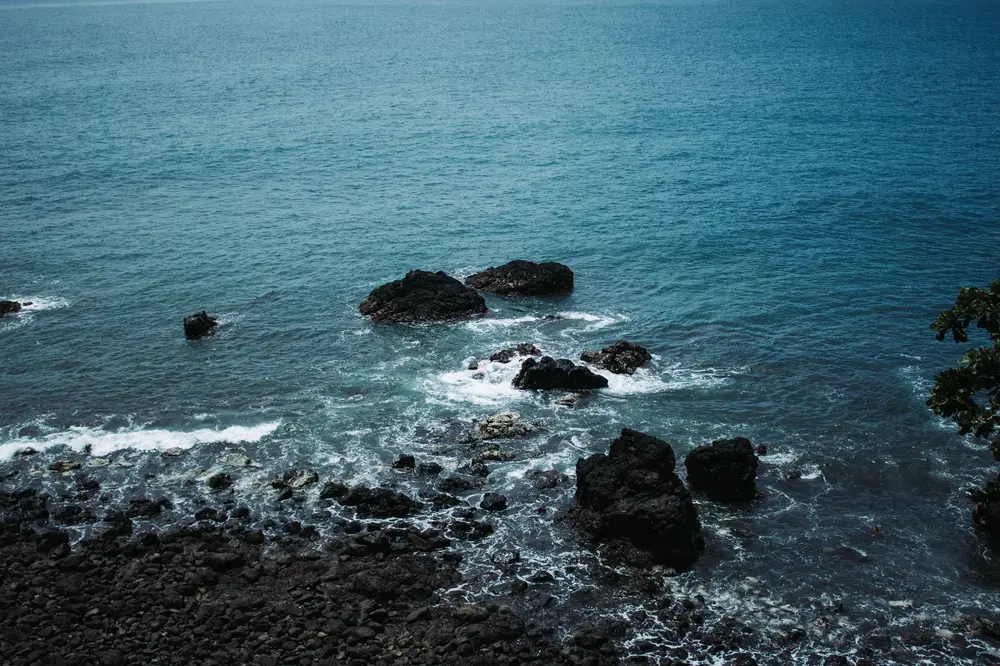
03 Blue Water is a year-round surf destination in Costa Rica with consistent waves and growing local video documentation.
 04
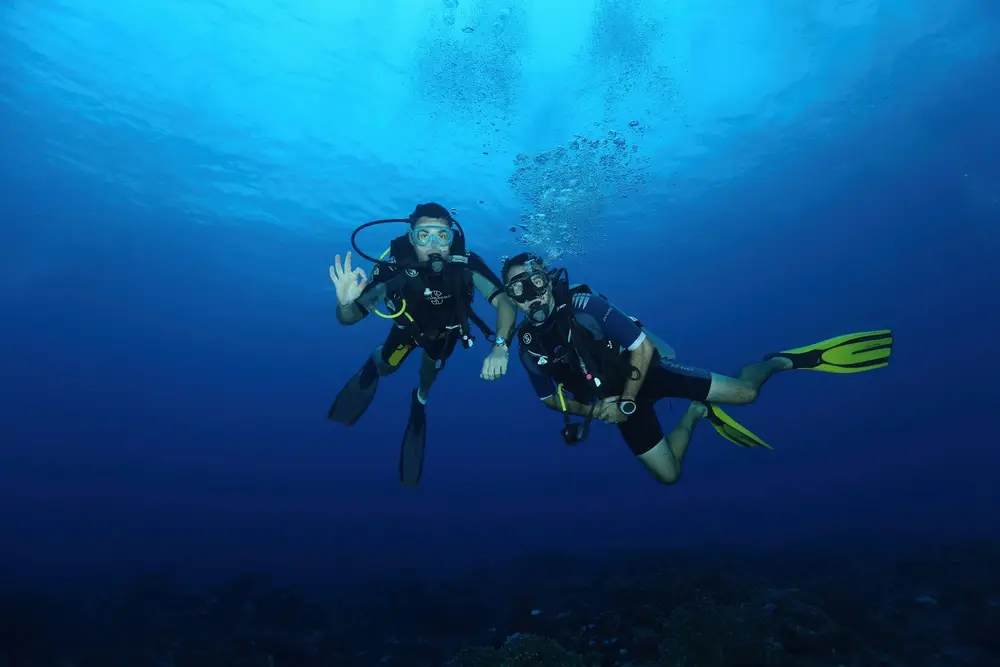
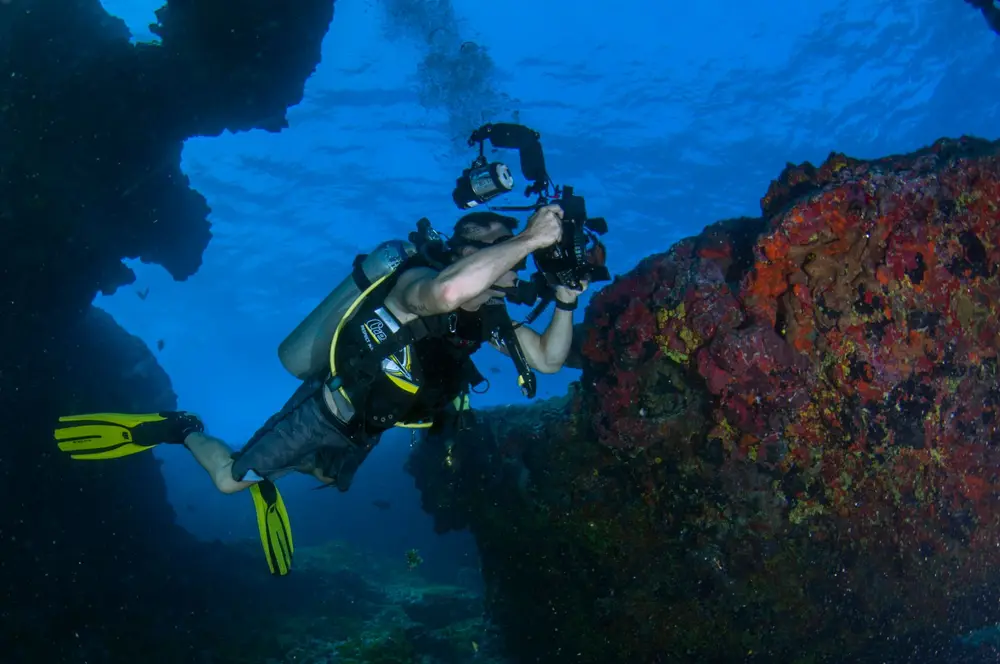
04 El Andia - Jureles is a year-round dive site near Isla del Caño in Costa Rica's protected marine reserve, known for its marine biodiversity and reef habitat.
 05
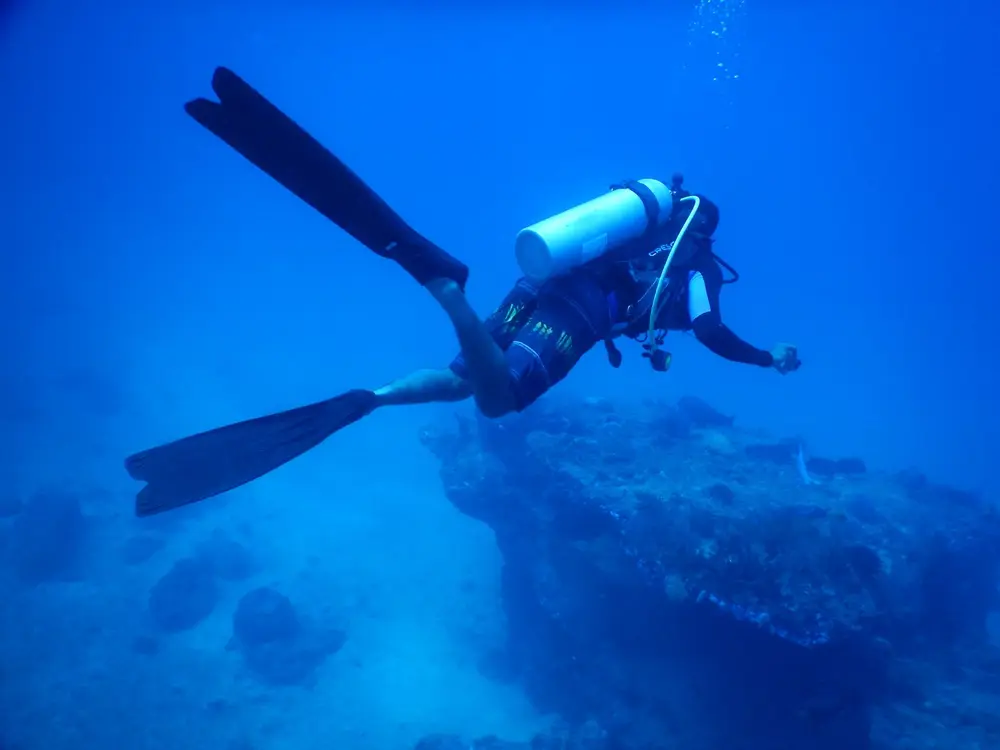
05 El Arco is a year-round dive site near Isla del Caño in Costa Rica's protected marine reserve, known for diverse marine life and scenic rock formations.
 06
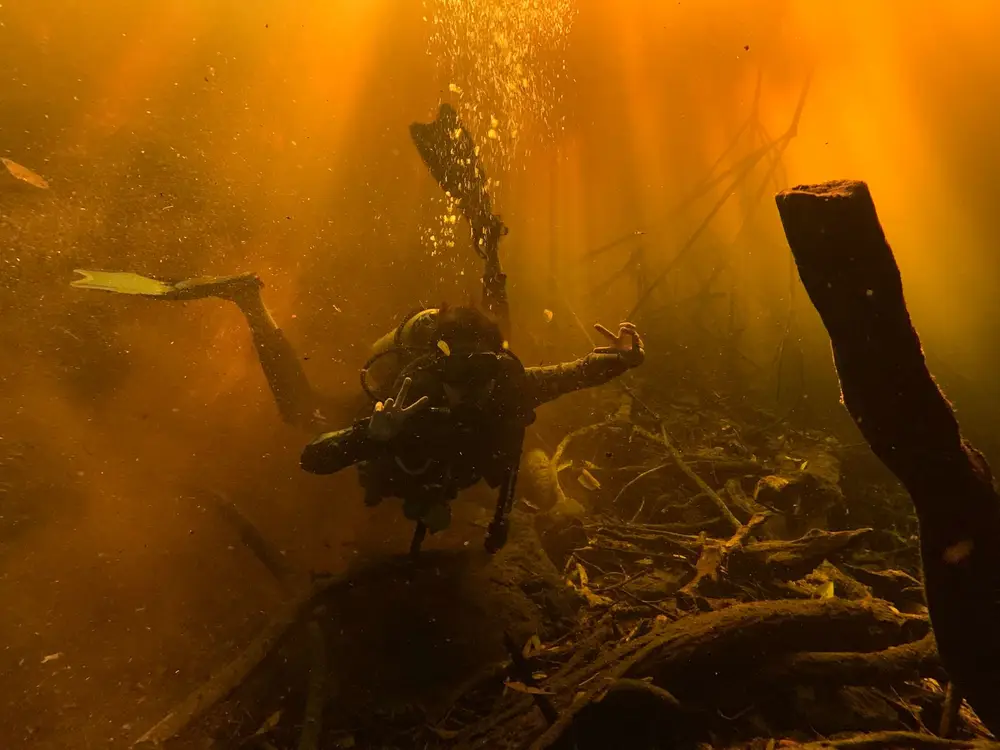
06 Jardín Medio near Caño Island offers year-round diving in a protected reserve with coral monitoring and diverse marine life.
 07
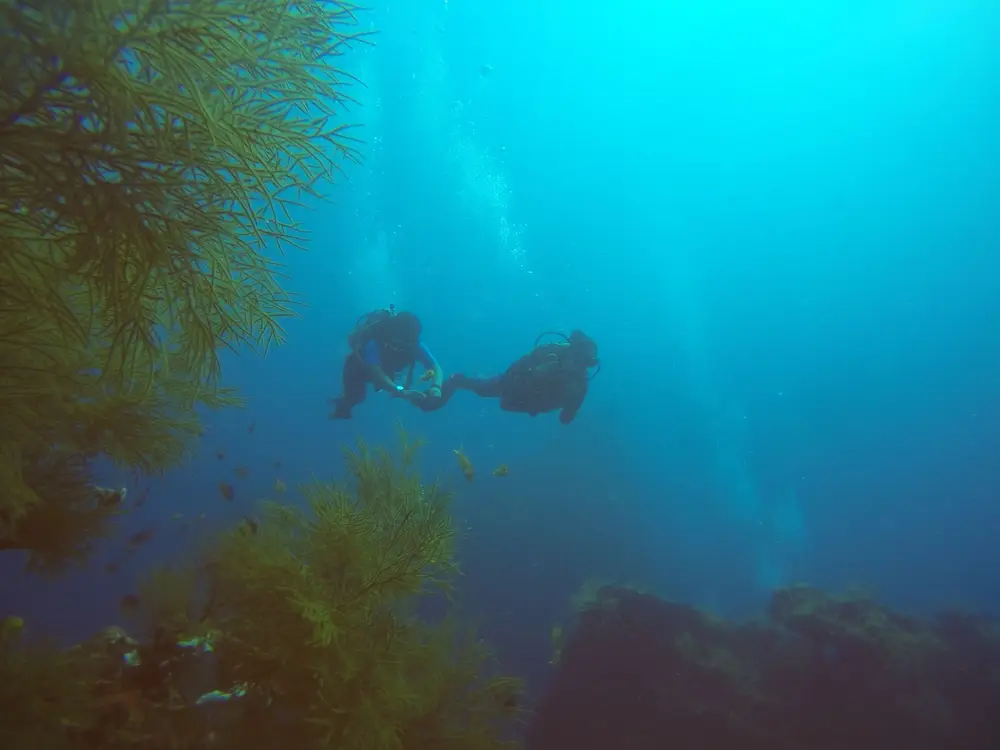
07 La Cueva is a year-round dive site near Isla del Caño, Costa Rica, protected within a biological reserve and known for diverse marine life.
 08
08 La Esquina del Jardín offers year-round diving in Costa Rica's protected Isla del Caño reserve, known for diverse marine life and coral recovery.
Diving is possible every month of the year. Water temperature holds between 24 °C and 28 °C regardless of season, so there's no cold-water penalty for travelling off-peak. Visibility and surface conditions vary more by site than by month — Cocos Island liveaboards typically run year-round, while local Pacific sites can see choppier seas during the rainy season (May–November).
Yes, with the right site choice. El Andia - Jureles and the snorkeling point offer calm, shallow conditions where new divers can get comfortable. Cocos Island and the Bat Islands are strictly for advanced divers with current experience — the depth and surge are not negotiable.
The recorded marine life list covers scalloped hammerheads, manta rays, blacktip reef sharks, green sea turtles, hawksbill turtles, and bottlenose dolphins. Pelagic species concentrate around the offshore seamounts; turtles appear more consistently at nearshore sites like Las Catalinas.
Do I need a liveaboard for Cocos Island? Yes. Cocos Island is a UNESCO World Heritage Site roughly 36 hours by boat from the mainland. All diving there is done from liveaboard vessels; day trips are not an option.
What certification do I need for the Bat Islands? Advanced Open Water at minimum, with current diving experience strongly recommended. Most operators will ask about logged dives before confirming your spot.
Is visibility good at Costa Rican dive sites? It varies. Cocos Island and the Bat Islands can offer excellent open-water visibility, while some nearshore sites run murkier depending on rain and runoff.
Can I dive and surf on the same trip? Easily. The Guanacaste coast in particular has surf breaks and dive sites within short distance of each other.
🌊 Water: 24–28°C · 14dive sites. From our 5-year climatology and best-month signal across the sites below.
| Month | Diving 🤿 | Air | Rain | Wind |
|---|---|---|---|---|
| Jan | 6 | — | — | — |
| Feb | 6 | — | — | — |
| Mar | 6 | — | — | — |
| Apr | 6 | — | — | — |
| May | 6 | — | — | — |
| Jun | 6 | — | — | — |
| Jul | 6 | — | — | — |
| Aug | 6 | — | — | — |
| Sep | 6 | — | — | — |
| Oct | 6 | — | — | — |
| Nov | 6 | — | — | — |
| Dec | 6 | — | — | — |
≈ 42 m · The seabed
Thousands more dive sites are waiting in the blue — pick your next descent.