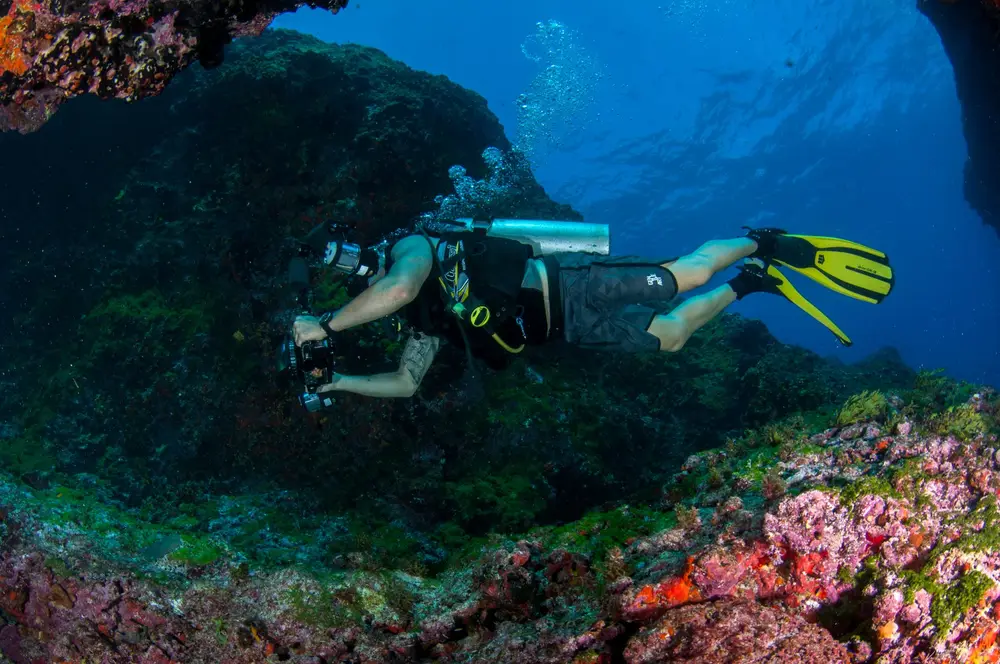
 01
01 Buracona — Blue Eye
Volcanic lava-tube cave with a brilliant blue light hole, on the north-west coast of Sal.
⇩4–22 m ◎18 m viz ≈21–26°C intermediate
Explore this site → 

Country guide
Discover the top diving spots in Cape Verde. Explore pristine reefs, walls, and marine life year-round in this Atlantic island nation.
Cape Verde sits in the Atlantic, far enough from the African coast to offer clear water and unique marine ecosystems. The islands are windy, which keeps the surface lively but rewards divers with excellent visibility and healthy reef structures. You'll find less crowded dive sites than in the Caribbean, and the water temperature stays warm enough for comfortable diving throughout the year.
The reefs, walls and wrecks worth the trip — each with real conditions, seasons and marine life.
01 Volcanic lava-tube cave with a brilliant blue light hole, on the north-west coast of Sal.
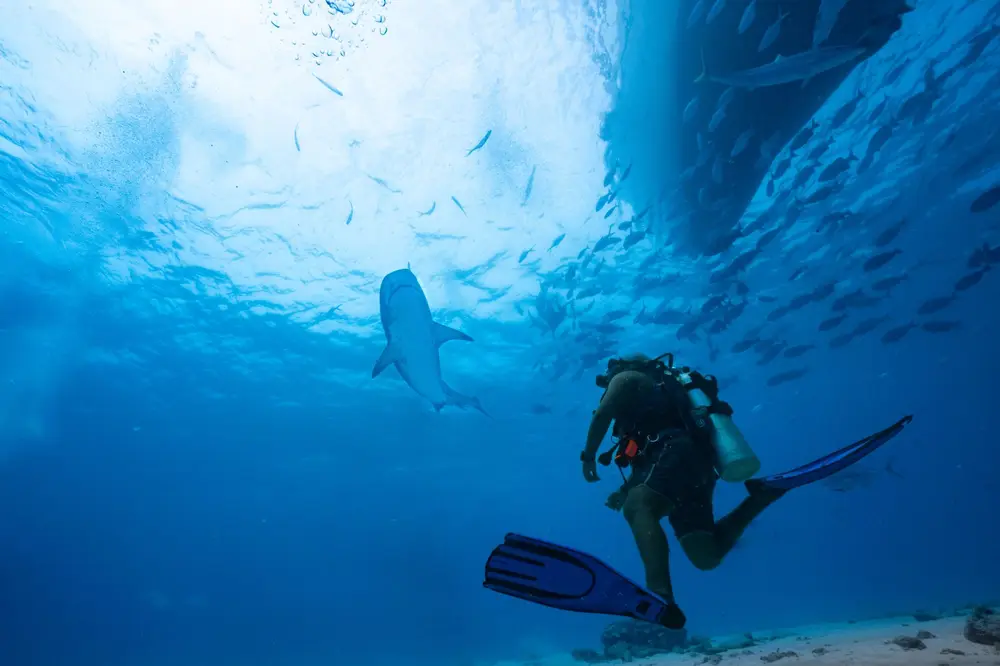 02
02 Sand bottom in 18-25m where guided baited dives bring tiger and lemon sharks within arm's reach.
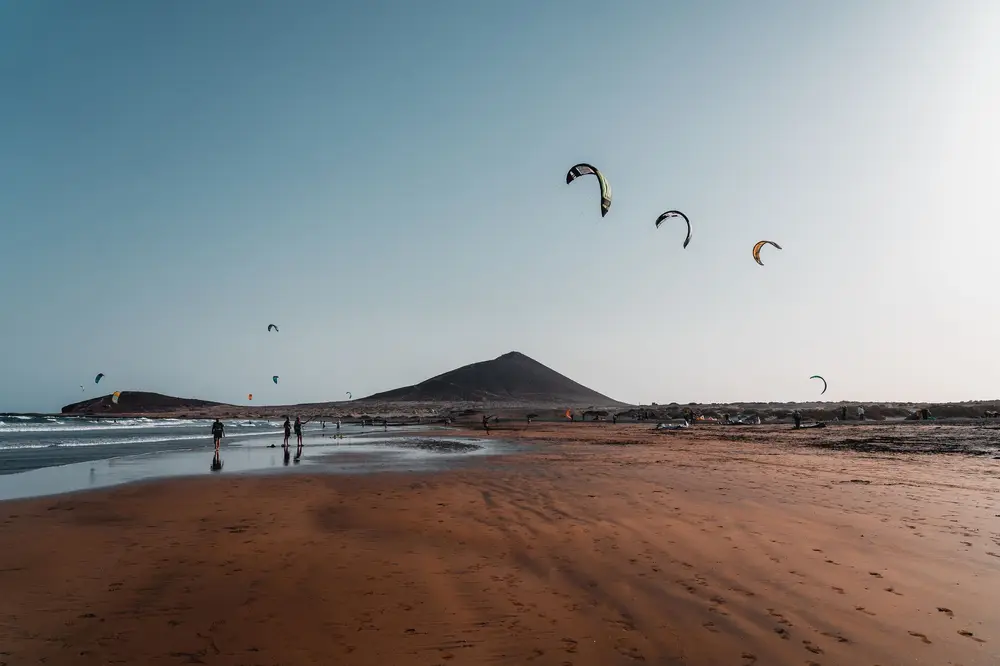 03
03 Kite Beach in Cape Verde offers year-round kiteboarding in a protected coastal reserve with consistent wind and direct beach access.
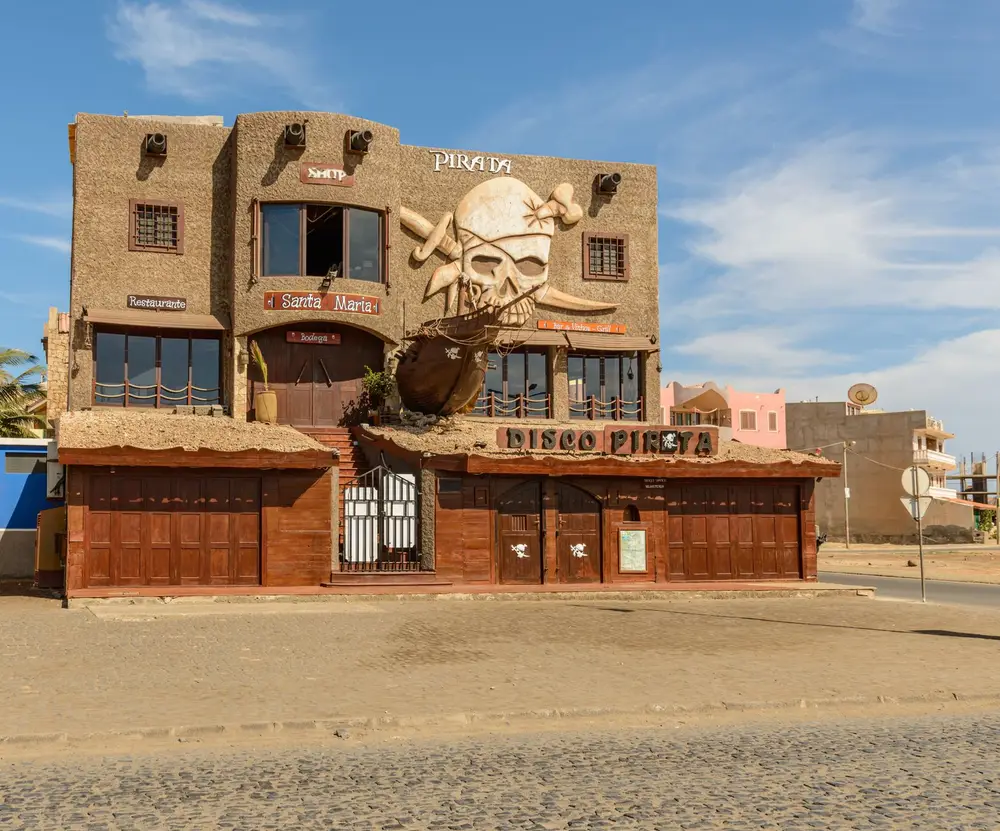 04
04 Praia de Santa Maria in Cape Verde offers year-round kiting with steady Atlantic wind and a welcoming beach setup.
 05
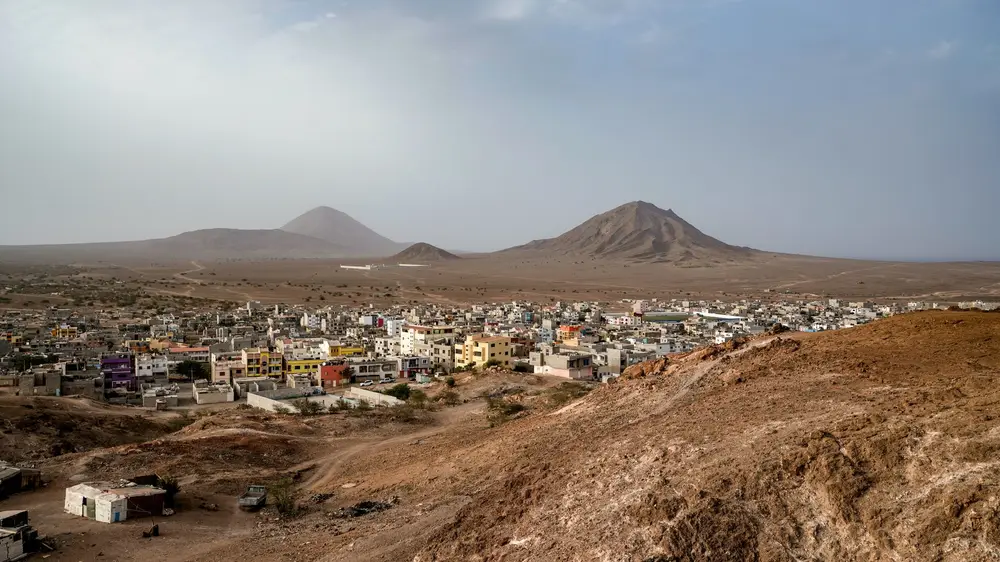
05 Long empty crescent beach with side-shore winds, choppy outside, ideal for downwinders.
 06
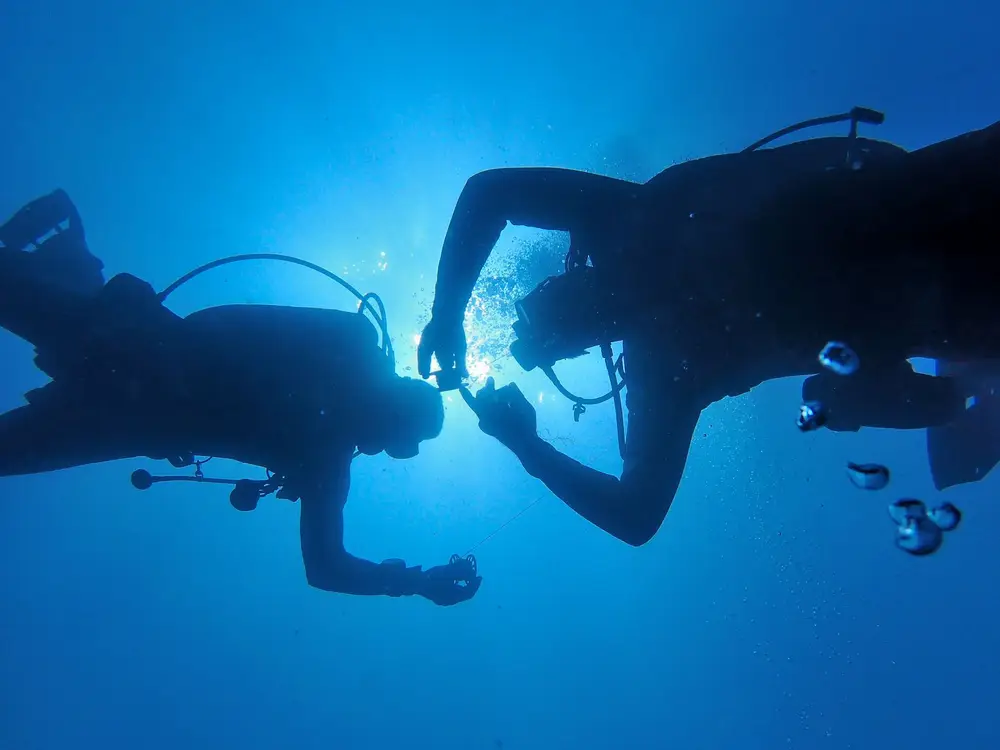
06 Dive Tribe in Cape Verde offers year-round diving near Mindelo with healthy reefs and diverse marine life.
 07
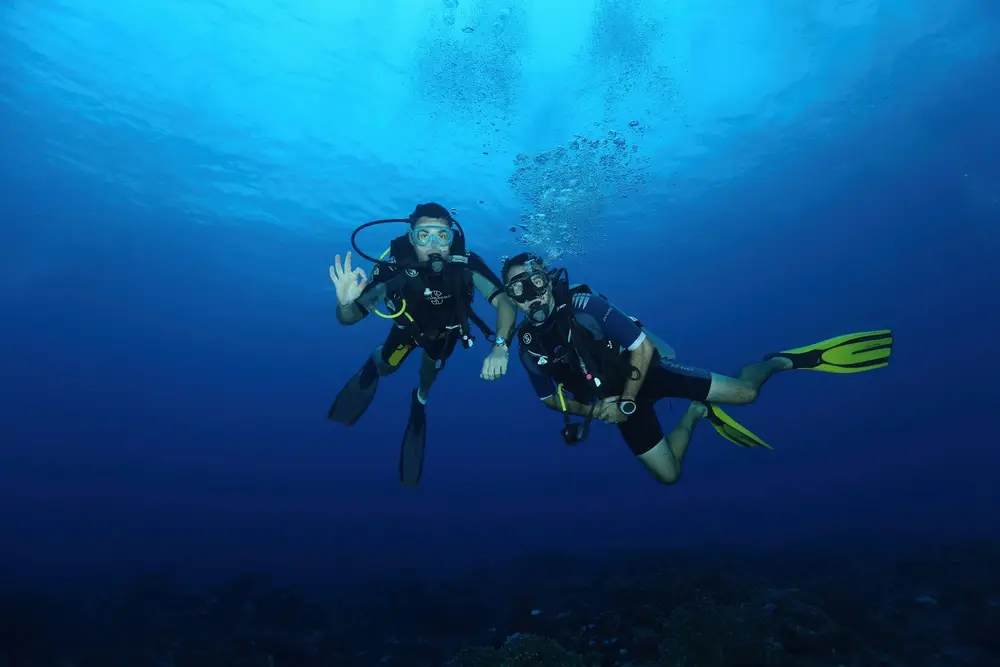
07 Franciscus near Tarrafal offers year-round diving in Cape Verde with healthy coral and abundant marine life.
 08
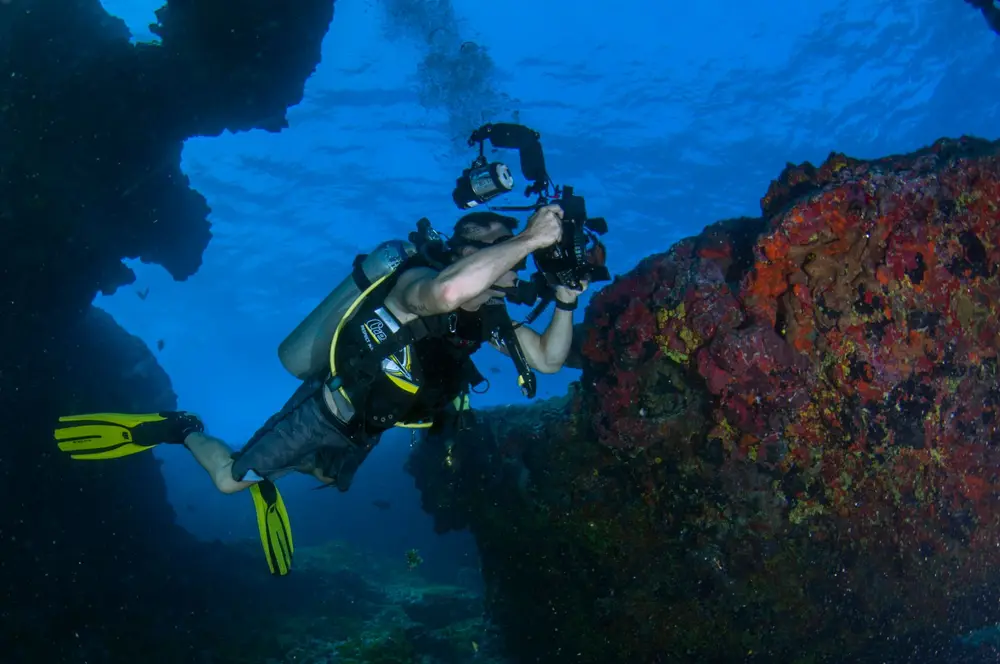
08 Ponta Noh Jon is a year-round dive destination in Cape Verde with stable coral conditions and diverse marine life.
Cape Verde is a year-round diving destination. Water conditions remain stable, and the islands experience reliable winds that actually help with visibility. Whether you're planning Best diving in January or traveling during summer months, you'll find diveable conditions. Check local forecasts before each dive trip, as wind and swell can vary week to week.
Cape Verde's marine life reflects its remote Atlantic location. You'll encounter African Hind, Salt Blenny, and African soapfish on rocky reefs. The East Atlantic Redlip Blenny and Bright Glasseye are common in deeper sections. Green Sea Turtles cruise the area regularly, and if you're interested in larger pelagic species, Where to encounter Whale Sharks provides more information on seasonal opportunities.
Bring your own gear if you have specific preferences, though local operators maintain equipment. The volcanic terrain means rocky entries and exits on many sites, so water shoes are essential. Currents can be strong, particularly at points like Tuna Point, so solid buoyancy control matters. Plan dives for morning hours when wind is typically lighter and visibility best.
Most divers base themselves on one or two islands and take day trips to dive sites. Boa Vista Diving and Scuba Caribe are accessible starting points with good operator support. Book accommodation near the coast, bring your certification card, and allow time for acclimatization before attempting advanced dives like Santa Maria — Tiger Shark Point. The islands have basic tourism infrastructure, so arrange dive logistics before arrival when possible.
🌊 Water: 21–27°C · 14dive sites. From our 5-year climatology and best-month signal across the sites below.
| Month | Diving 🤿 | Air | Rain | Wind |
|---|---|---|---|---|
| Jan | 10 | 25° | 0mm | 15kn |
| Feb | 10 | 25° | 0mm | 16kn |
| Mar | 10 | 25° | 0mm | 15kn |
| Apr | 11 | 25° | 0mm | 15kn |
| May | 10 | 26° | 0mm | 15kn |
| Jun | 9 | 27° | 0mm | 14kn |
| Jul | 9 | 28° | 0mm | 11kn |
| Aug | 9 | 29° | 2mm | 11kn |
| Sep | 9 | 29° | 2mm | 13kn |
| Oct | 9 | 29° | 0mm | 13kn |
| Nov | 10 | 28° | 0mm | 13kn |
| Dec | 10 | 26° | 0mm | 14kn |
≈ 42 m · The seabed
Thousands more dive sites are waiting in the blue — pick your next descent.