 01
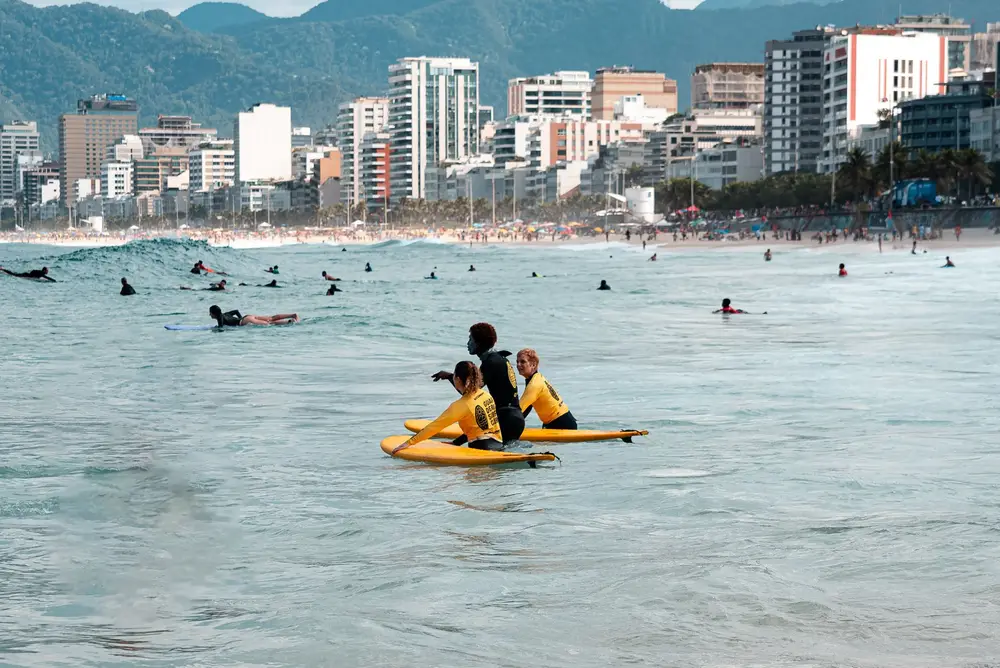
01 Escola Municipal de Surf
Escola Municipal de Surf is a municipal teaching break in Brazil with year-round rideable waves and active community documentation.
beginner
Explore this site → 

Country guide
Brazil's 13 dive sites span beginner reefs to 40 m advanced walls. Warm 22–28 °C water and green sea turtles year-round make it worth the trip.
Brazil doesn't always top divers' bucket lists, but it should. With 13 mapped sites ranging from shallow beginner reefs to serious 40-metre walls, warm water between 22 and 28 °C, and green sea turtles showing up reliably, there's enough here to satisfy a first-timer and keep an experienced diver busy for a week.
The reefs, walls and wrecks worth the trip — each with real conditions, seasons and marine life.
01 Escola Municipal de Surf is a municipal teaching break in Brazil with year-round rideable waves and active community documentation.
 02
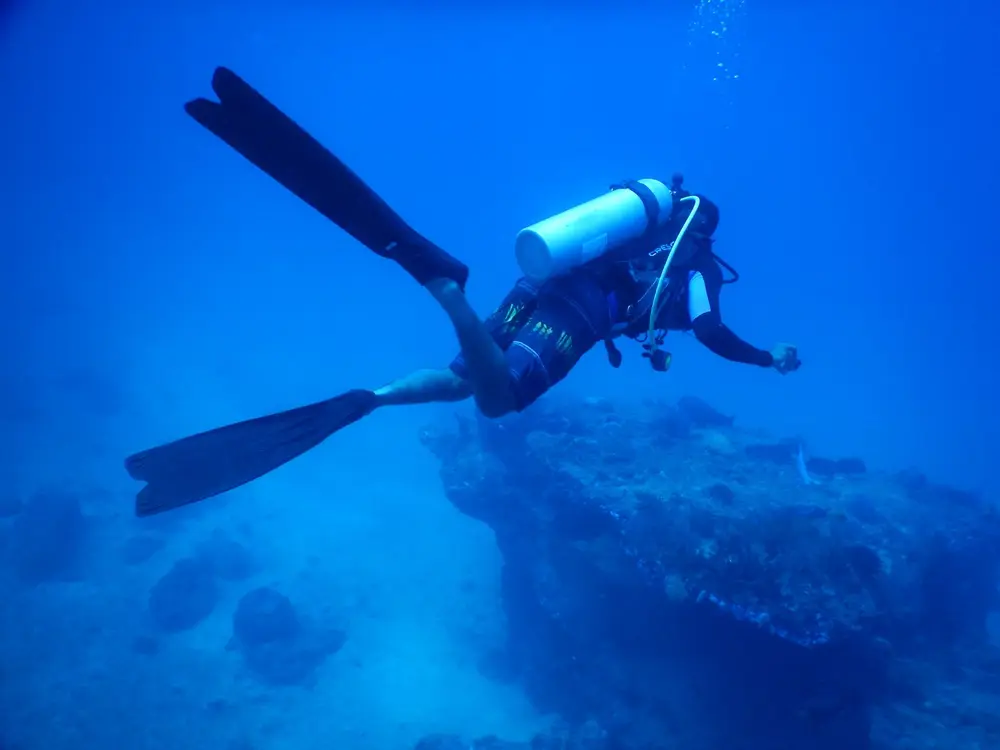
02 Ilha do Arvoredo offers year-round diving near a historic lighthouse off Brazil's Santa Catarina coast, with healthy coral and diverse marine life.
 03
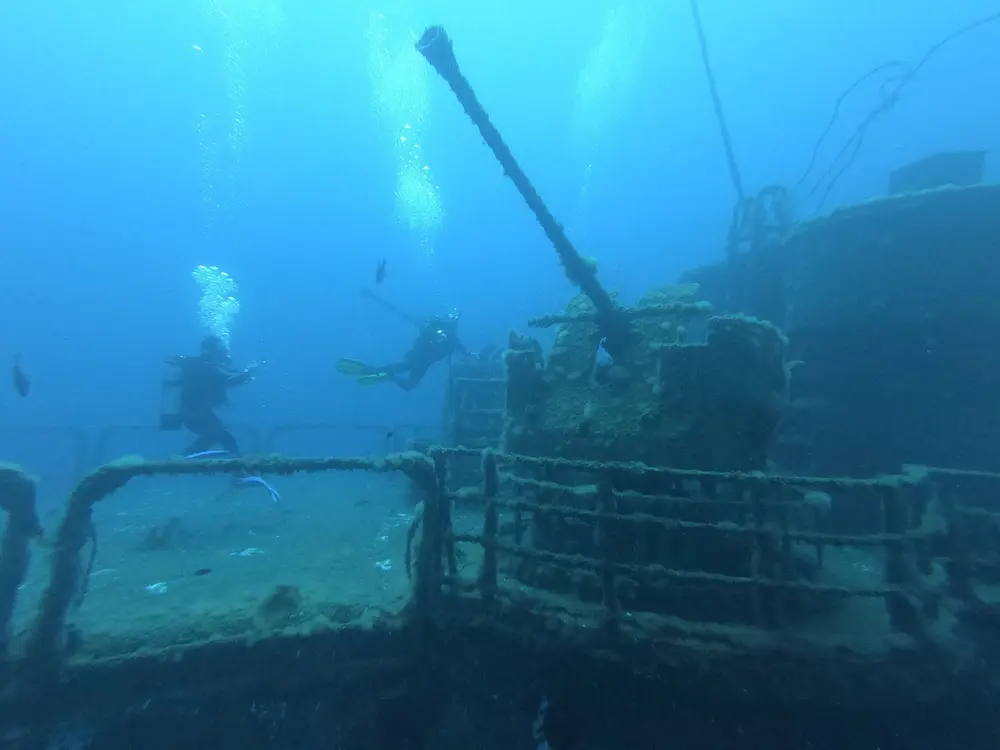
03 Naufrágio do Califórnia is a shipwreck dive off Brazil's coast, accessible year-round with moderate marine life encounters.
 04
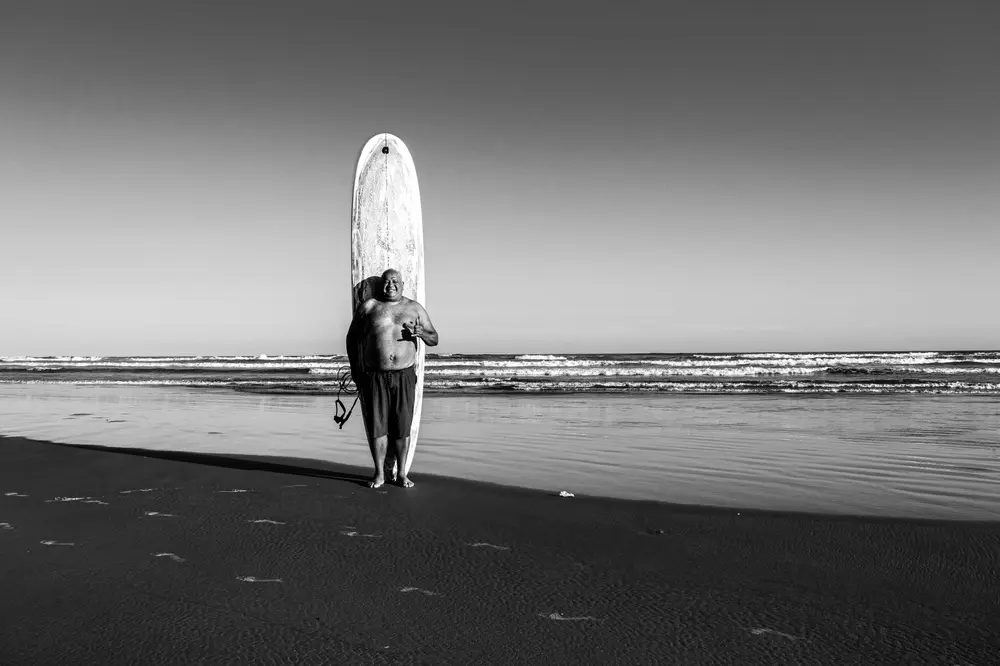
04 Praia Grande in Ubatuba offers consistent year-round waves in a protected marine area. A reliable Brazilian beach break.
 05
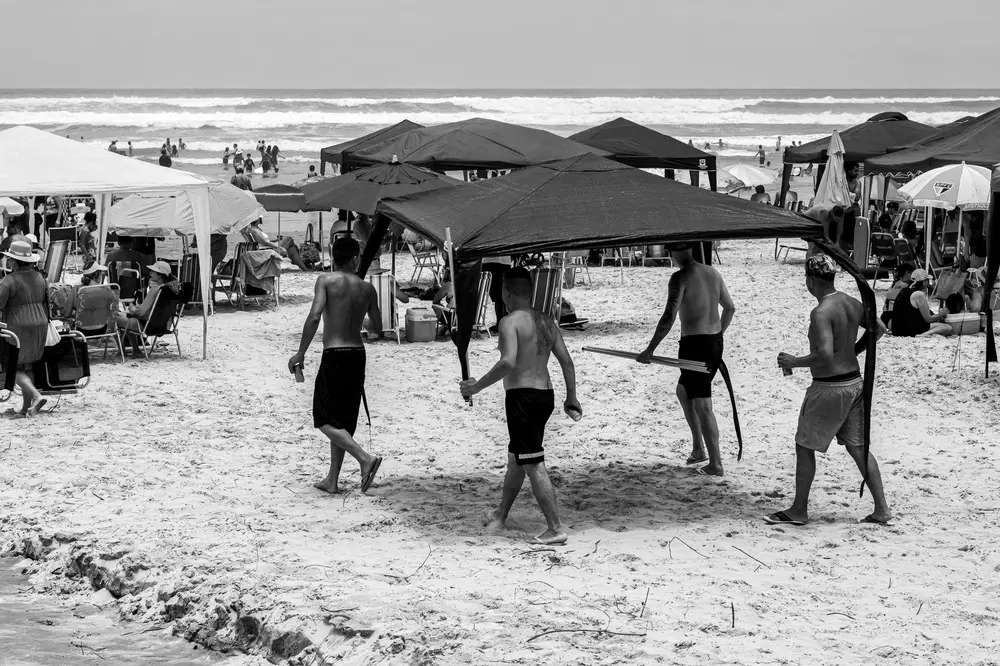
05 Praia Mole is a year-round Brazilian surf destination with consistent waves and a vibrant beach community.
 06
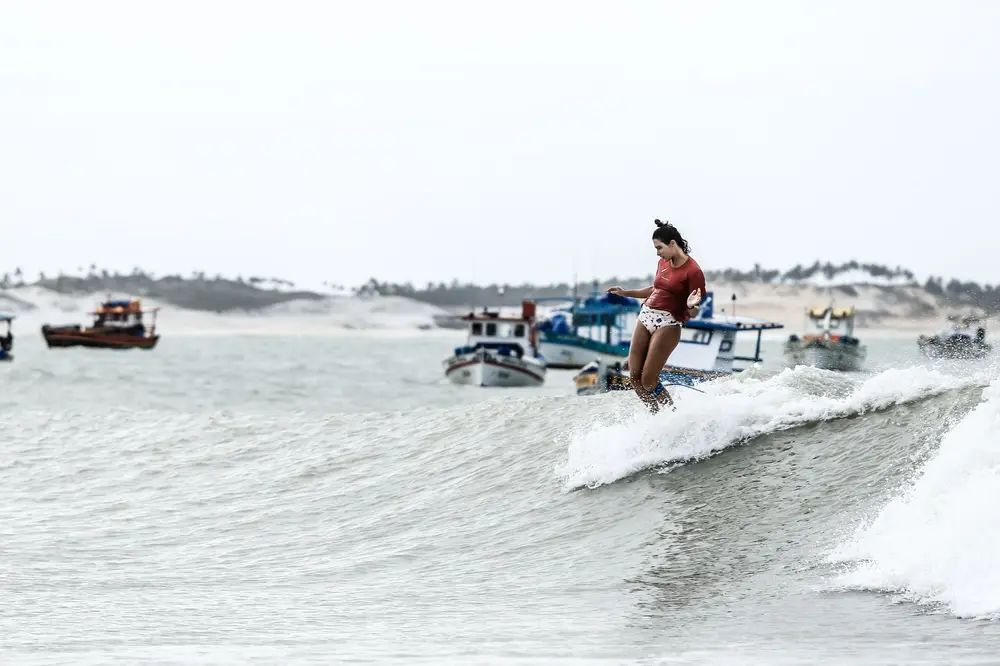
06 Praia Vermelha do Norte is a year-round surf break in Ubatuba, Brazil, nestled within a marine protected area.
 07
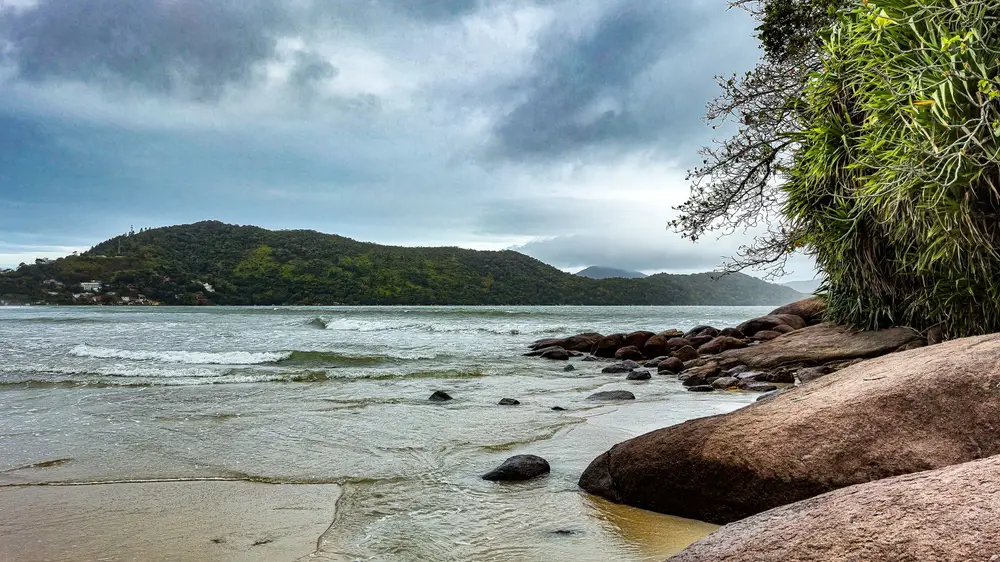
07 Consistent beach break near São Paulo offering year-round waves and easy access from the city.
 08
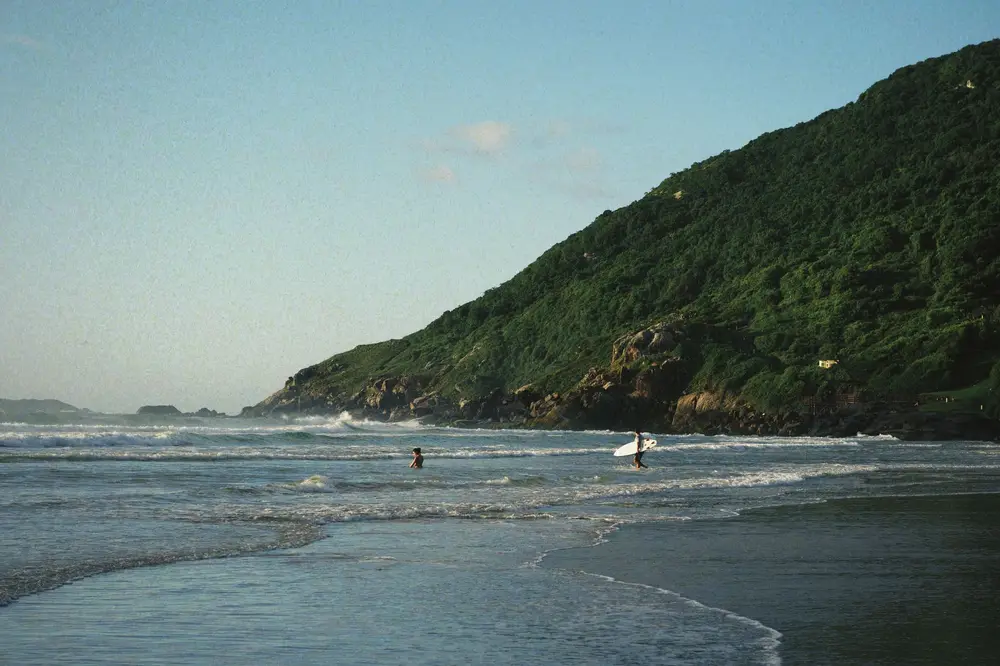
08 Praia de Itaguaré is a year-round Brazilian surf destination with active community documentation and consistent swell access.
Brazil is diveable year-round. Water temperature stays between 22 °C in cooler southern months and 28 °C during summer, so a 3 mm wetsuit covers most conditions. Fernando de Noronha sees calmer seas and better visibility roughly between August and December, but even outside that window the diving is rarely poor.
Yes. The majority of Brazil's mapped sites are rated beginner or intermediate. Sites like Picãozinho, Praia Azeda, and Laje de Santos are genuinely low-stress entries into the water, with calm conditions and shallow depths. Fernando de Noronha's advanced sites are there when you're ready to progress.
Green sea turtles are the headline sighting recorded across Brazilian sites. Wreck dives like Naufrágio do Califórnia and Naufrágio Castor attract the fish aggregations typical of artificial reefs. Fernando de Noronha's protected marine park status means its reefs hold more life than comparable unprotected sites along the coast.
Do I need a permit to dive Fernando de Noronha? Yes. The archipelago is a UNESCO-listed marine park and charges a daily environmental fee. Arrange this before or on arrival — dive operators on the island handle the logistics regularly.
What wetsuit thickness do I need? A 3 mm suit works for most of the year. In southern Brazil during winter months, a 5 mm gives more comfort, especially on multiple dives per day.
Are there dive operators on-site at these locations? Fernando de Noronha, Búzios (Praia João Fernandes/Praia Azeda), and João Pessoa (Picãozinho) all have established dive operations. Smaller sites may require arranging a guide from the nearest town.
Can non-divers see green sea turtles in Brazil? At shallow sites like Picãozinho, snorkellers regularly encounter turtles without needing certification.
🌊 Water: 18–30°C · 71dive sites. From our 5-year climatology and best-month signal across the sites below.
| Month | Diving 🤿 | Air | Rain | Wind |
|---|---|---|---|---|
| Jan | 51 | — | — | — |
| Feb | 51 | — | — | — |
| Mar | 52 | — | — | — |
| Apr | 52 | — | — | — |
| May | 52 | — | — | — |
| Jun | 52 | — | — | — |
| Jul | 52 | — | — | — |
| Aug | 52 | — | — | — |
| Sep | 52 | — | — | — |
| Oct | 52 | — | — | — |
| Nov | 52 | — | — | — |
| Dec | 52 | — | — | — |
≈ 42 m · The seabed
Thousands more dive sites are waiting in the blue — pick your next descent.