About this spot
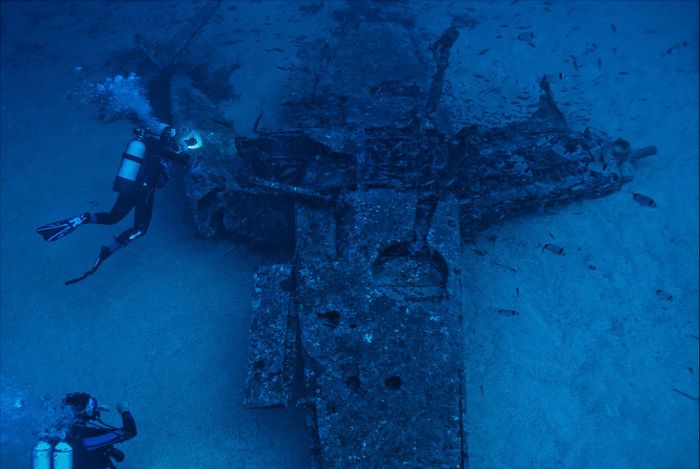
The Stuka wreck offers divers a chance to explore one of history's most notorious aircraft on the seafloor off Croatia. The Junkers Ju 87, the German dive-bomber that became a symbol of early WWII air power, rests in the Adriatic as a stark reminder of the region's wartime past. This wreck dive combines historical intrigue with the technical challenge of navigating a complex aircraft structure underwater. The wreck's exact depth and visibility conditions are variable, so planning ahead with local dive operators familiar with the site is essential. The aircraft's fuselage, wings, and engine components are still identifiable, making it a compelling target for history-minded divers and wreck enthusiasts. Croatia's year-round diving calendar means access is possible across seasons, though conditions vary. Divers should approach the Stuka with respect for its historical significance and the lives lost during its operational years. The wreck sits outside a marine protected area, but standard wreck diving protocols and safety procedures remain critical. Local dive communities have documented the site through video and species observations, providing valuable reference material for planning your visit. Bring a camera to document the deteriorating structure and any marine life that has colonized the wreck over decades. The Adriatic's rich biodiversity means the aircraft has become an artificial reef, hosting fish and other creatures among its frame.
📖 Guide: Diving in Croatia: 68 Sites From Wrecks to Reefs
Marine life
Dive types
Trip essentials
Everything you need before you pack — checklist, sun, logistics.
Trip checklist
- 🛂 Visa-free or visa-on-arrival
- 📜 C-card + dive insurance (DAN)
- 📔 Dive logbook
- 🧴 Reef-safe sunscreen SPF 50+
- 🔌 Plug type C/F · 230V adapter
- 💊 Seasickness meds + ear drops
- 📱 Offline maps + emergency contact
Quick facts
- 🌓 Moon First quarter · 48%
- GPS
› Sustainability disclosures
From your departure country
- Visa: Visa-free · 90 days max
- Flight: 6h · direct
- Jet-lag: 6h east · 4 days recovery
FAQ
›When is the best time to dive the Stuka wreck?
Croatia offers year-round diving opportunities. Summer months (June–September) typically provide better visibility and warmer water, while winter diving is possible but conditions are more variable. Check with local operators for current sea state and visibility reports.
›What is the difficulty level and depth of this wreck dive?
Exact depth and difficulty ratings for the Stuka are not standardized publicly. Contact local Croatian dive operators or dive shops near the site for current conditions, depth measurements, and recommended experience levels before booking.
›What marine life can I expect to see?
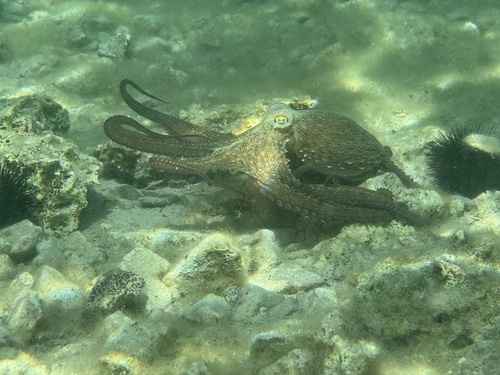
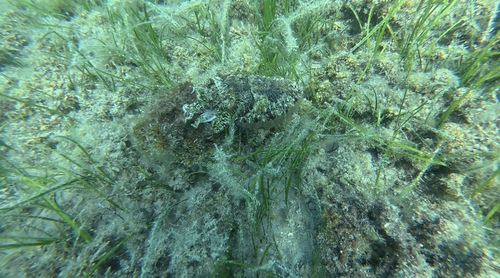
The wreck has attracted diverse Adriatic species that use the aircraft structure as habitat. Five species observations have been recorded at the site. Expect typical Mediterranean wreck fauna, but bring identification guides or dive with an experienced local guide.
›Do I need permits or special authorization to dive here?
The wreck lies outside a marine protected area, but always verify current regulations with local authorities or your dive operator. Some wreck sites require notification or permits; confirm before your trip to avoid complications.