About this spot
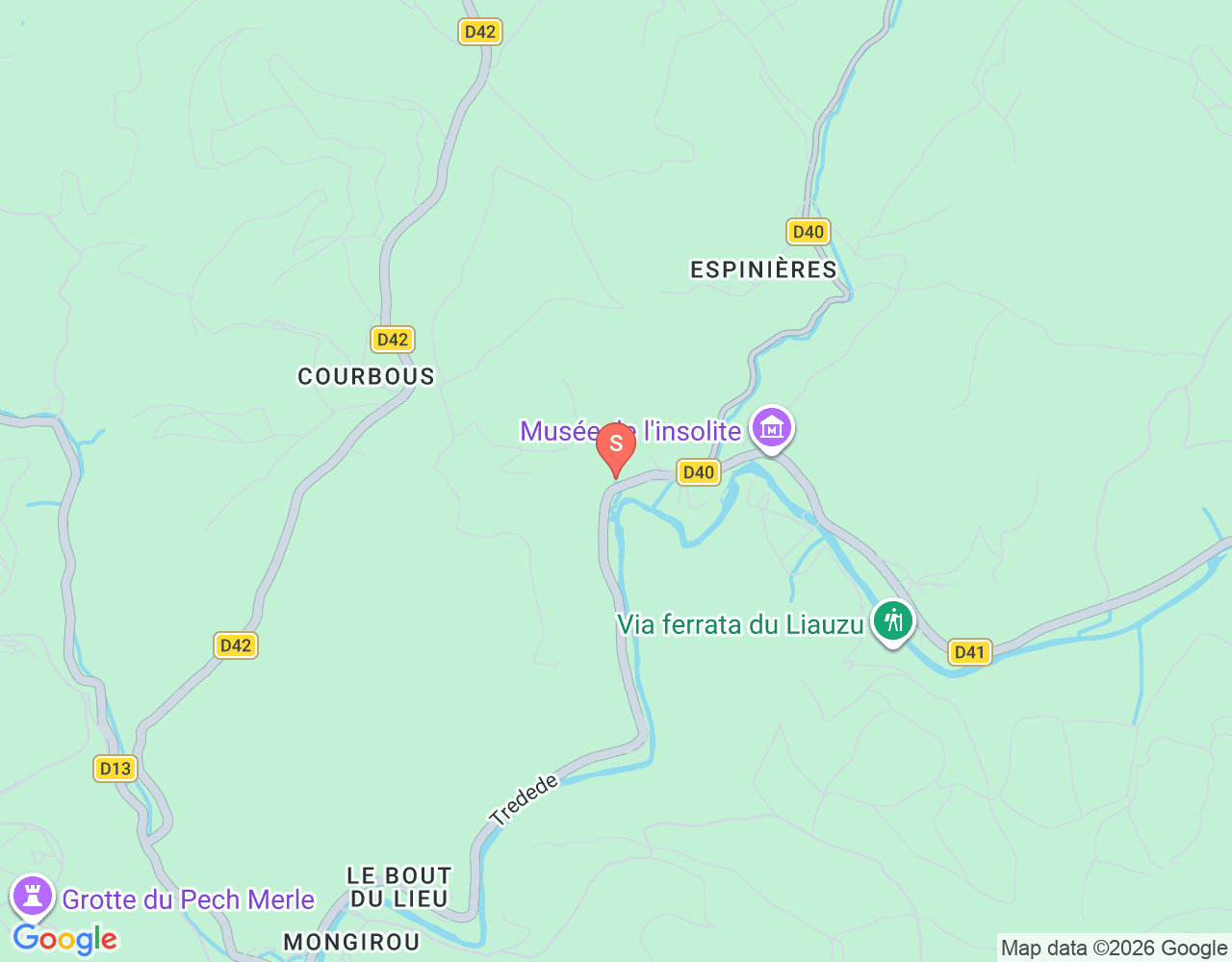
Émergence de la Pescalerie is a freshwater spring dive site located within the Parc naturel régional des Causses du Quercy in France. This protected natural regional park setting ensures a pristine diving environment. The site draws divers interested in karst geology and spring ecosystems unique to the Causses plateau region. The spring emergence offers access to an underwater landscape shaped by limestone and subterranean water flow. Divers can explore the natural formations that characterize freshwater karst systems. The protected status of the site means the ecosystem remains largely undisturbed, supporting stable aquatic communities. Year-round accessibility makes Émergence de la Pescalerie a reliable destination for freshwater diving. The site suits divers seeking geological interest and a break from saltwater diving. Its location within a regional park reflects France's commitment to preserving natural dive environments. Local dive operators and community contributors have documented observations and video content from the site, providing useful references for planning dives.
📖 Guía: Buceo en Francia: 220 Lugares Desde Lagos Alpinos Hasta Arrecifes Tropicales
Tipos de buceo
Esenciales del viaje
Todo lo que necesitas antes de hacer la maleta — checklist, sol, logística.
Trip checklist
- 🛂 Visa-free or visa-on-arrival
- 📜 C-card + dive insurance (DAN)
- 📔 Dive logbook
- 🧴 Reef-safe sunscreen SPF 50+
- 🔌 Plug type C/E/F · 230V adapter
- 💊 Seasickness meds + ear drops
- 📱 Offline maps + emergency contact
Quick facts
- 🌓 Moon First quarter · 47%
- GPS
› Información de sostenibilidad
Preguntas frecuentes
›Can you dive Émergence de la Pescalerie year-round?
Yes, the site is accessible throughout the year. Seasonal conditions may vary, so check local conditions before your dive.
›What marine life can you see there?
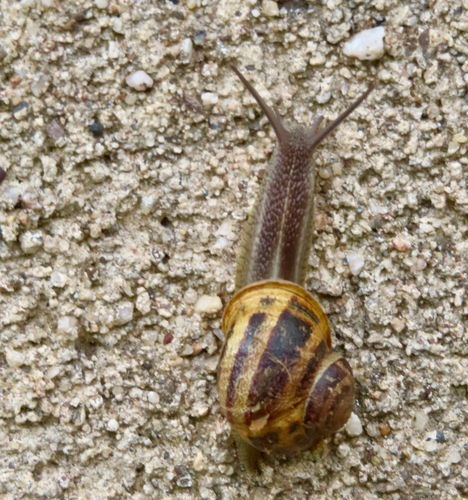
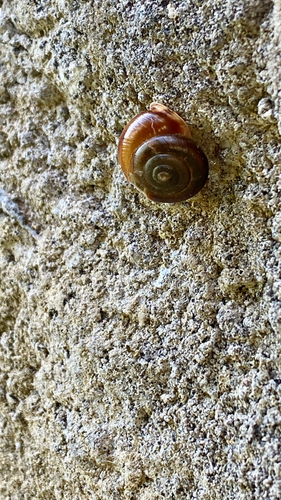
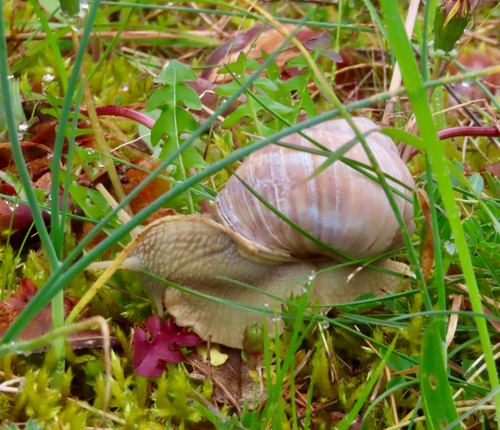
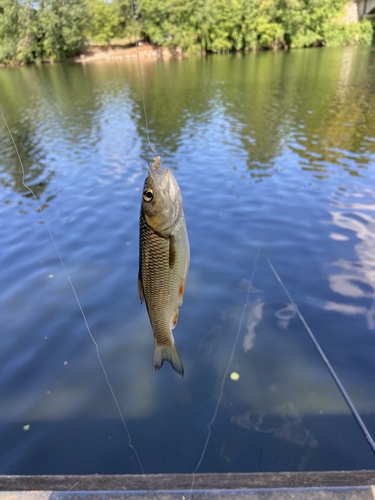
Five species observations have been recorded at the site. This is a freshwater spring ecosystem, so expect freshwater-adapted species typical of karst environments.
›Is a permit required?
The site is within the Parc naturel régional des Causses du Quercy, a protected area. Check with local authorities or park management for current access requirements and regulations.
›Are there guides or videos available?
Community members have contributed three videos and species observations online. These resources can help you prepare, but always verify current conditions with local dive operators.