About this spot
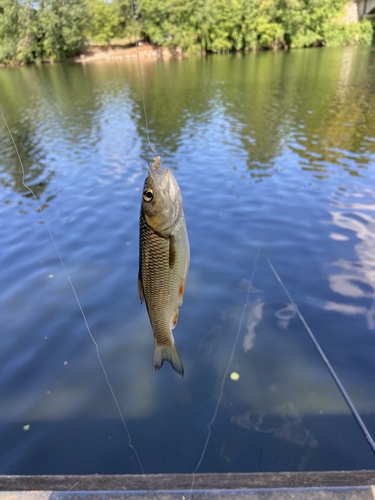
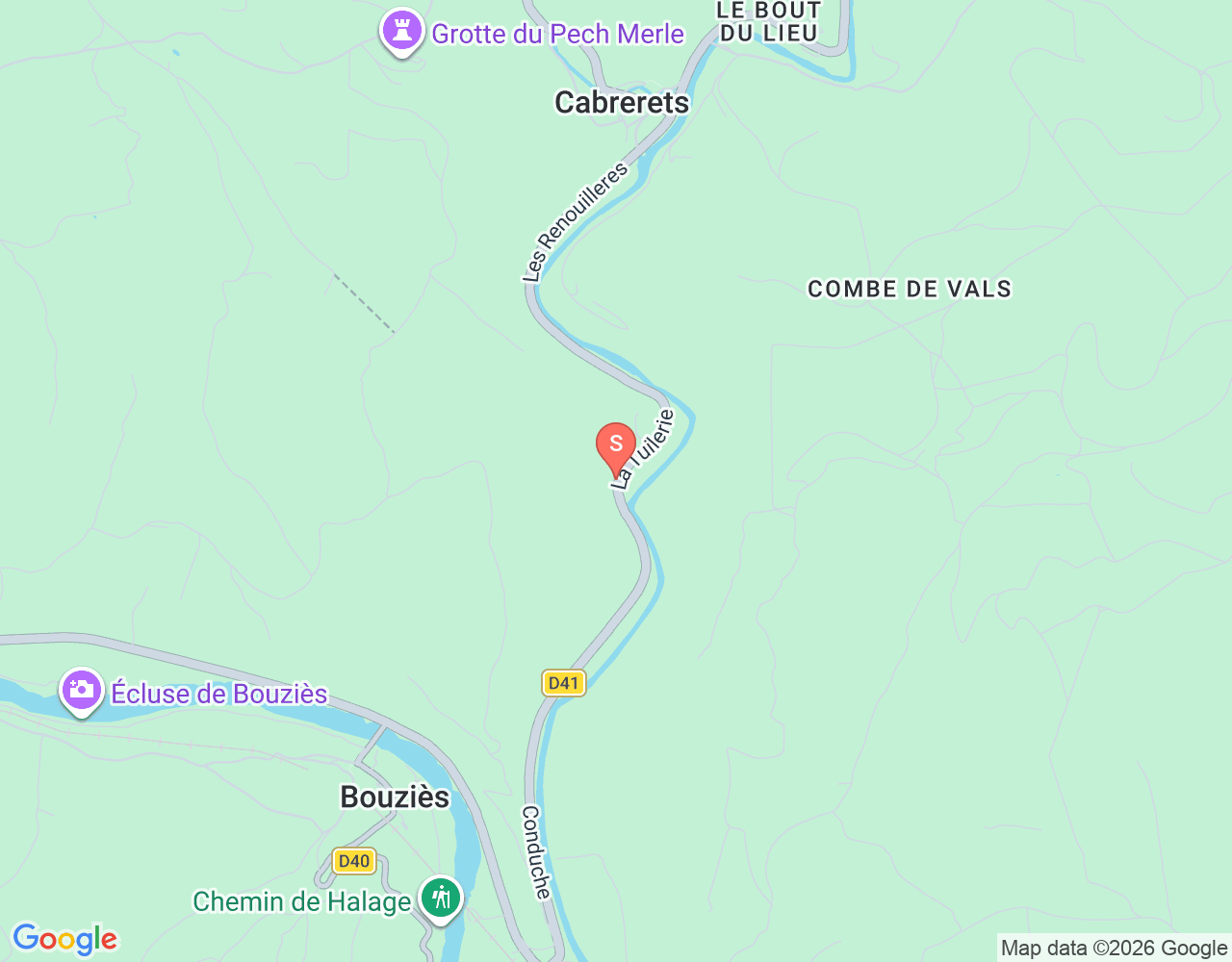
Goule de Marcenac sits within the Parc naturel régional des Causses du Quercy, a regional natural park in southwestern France dedicated to preserving limestone plateau ecosystems. The site's name reflects its geology—a goule is a sinkhole or cave system formed by water dissolving the local carbonate rock. This makes it a distinctive dive destination for those seeking something beyond typical reef or wreck diving. The location benefits from protected status, which means the site is actively managed to maintain its ecological health. Community divers have documented five species observations and contributed three videos, building a record of what you can expect underwater. The combination of karst topography and freshwater or mixed-water conditions creates a relatively unexplored diving environment compared to Mediterranean hotspots. Year-round diving is possible here, though specific seasonal conditions—water temperature, visibility, and flow—should be confirmed with local operators or guides familiar with current conditions. The protected status makes this an excellent choice for divers interested in geology, cave exploration, or contributing to local knowledge of a less-commercialized French dive destination.
📖 Guía: Buceo en Francia: 220 Lugares Desde Lagos Alpinos Hasta Arrecifes Tropicales
Tipos de buceo
Esenciales del viaje
Todo lo que necesitas antes de hacer la maleta — checklist, sol, logística.
Trip checklist
- 🛂 Visa-free or visa-on-arrival
- 📜 C-card + dive insurance (DAN)
- 📔 Dive logbook
- 🧴 Reef-safe sunscreen SPF 50+
- 🔌 Plug type C/E/F · 230V adapter
- 💊 Seasickness meds + ear drops
- 📱 Offline maps + emergency contact
Quick facts
- 🌓 Moon First quarter · 47%
- GPS
› Información de sostenibilidad
Preguntas frecuentes
›When is the best time to dive Goule de Marcenac?
Diving is possible year-round. Contact local guides to confirm seasonal water temperatures, visibility, and flow conditions, as karst systems can vary significantly with rainfall and groundwater levels.
›What is the depth and difficulty level?
Specific depth and difficulty data are not publicly documented. Consult experienced local divers or operators in the Causses du Quercy region for site-specific briefings before your dive.
›What marine life will I see?
Five species observations have been recorded by the diving community. The karst environment may differ from typical marine ecosystems; review community videos and local knowledge to understand what species are present.
›Do I need permits or must I use a guide?
The site is within a protected regional natural park. Confirm current access rules, guide requirements, and any permits with the Parc naturel régional des Causses du Quercy before planning your visit.