About this spot
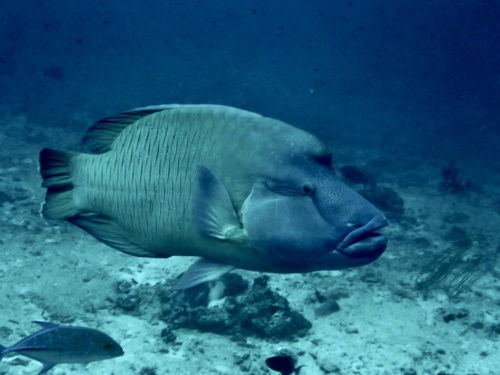
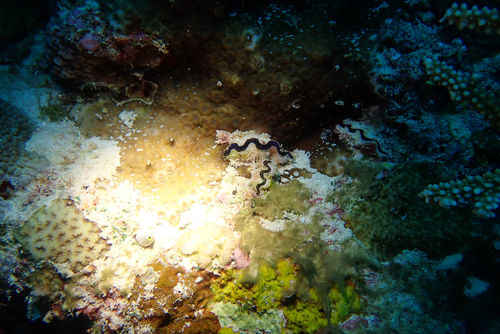
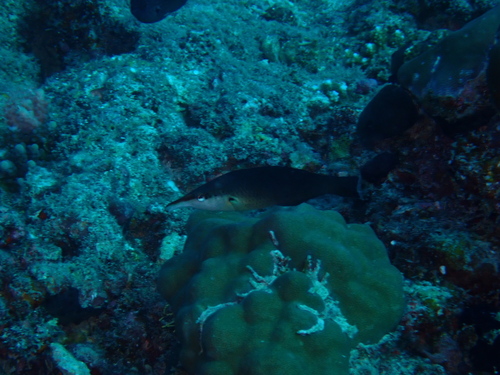
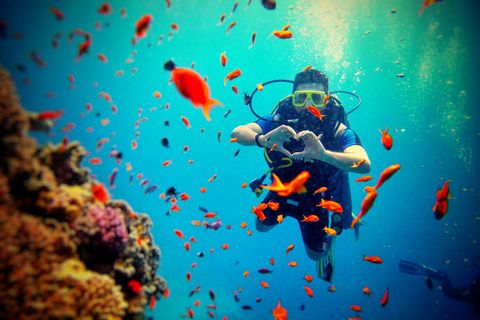
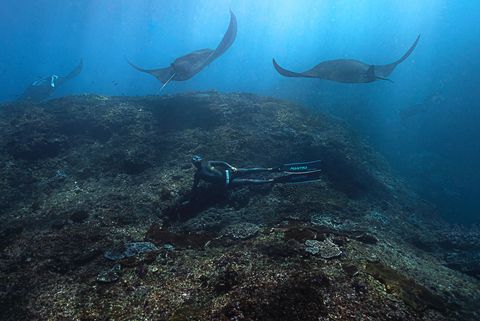
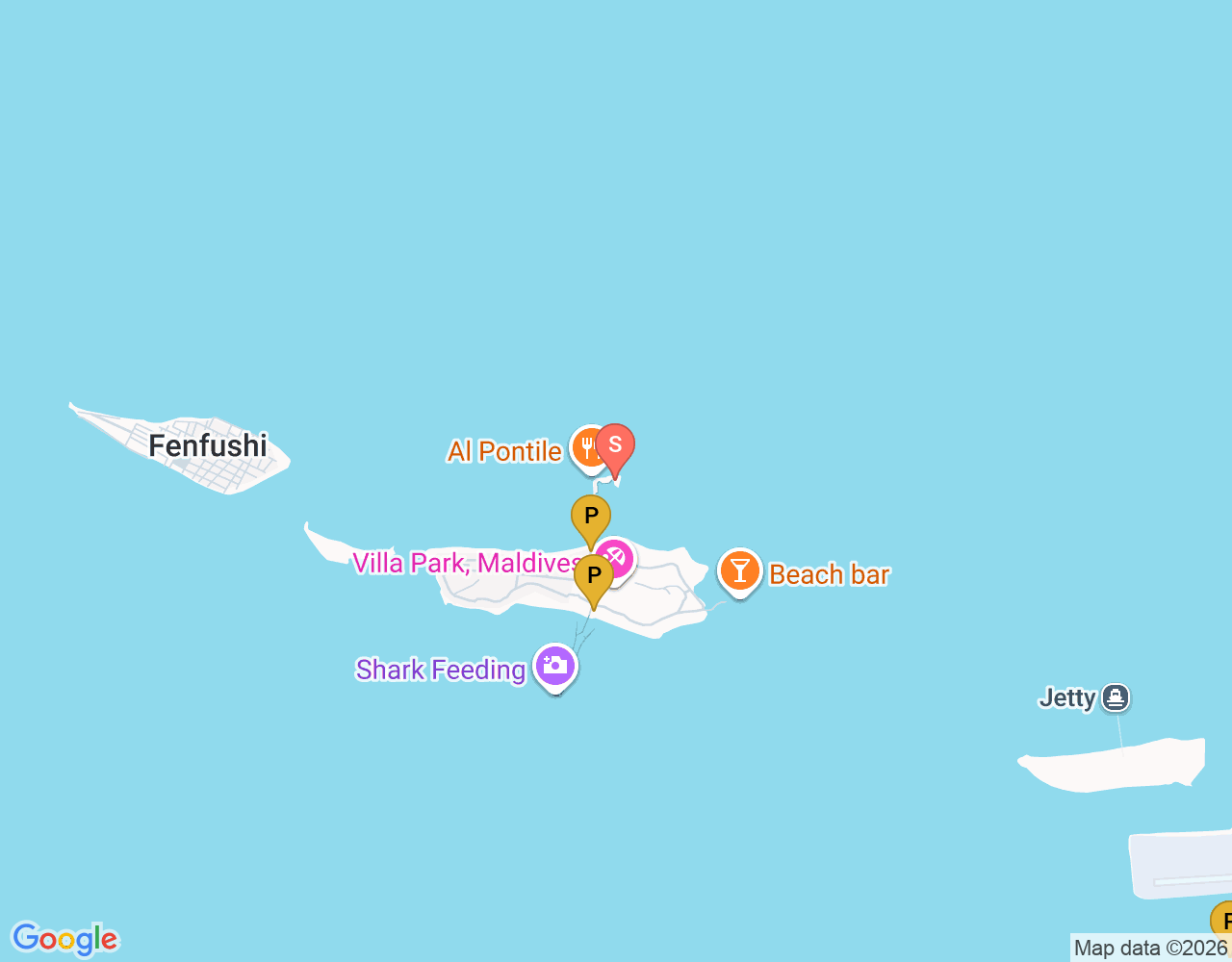
Nalaguraidhoo sits in Alif Dhaal Atoll, one of the Maldives' premier diving zones. The island's surrounding reefs draw divers year-round, with consistent conditions that make exploration straightforward for mixed skill levels. Waters here support healthy coral systems and diverse fish populations, though like many Maldivian sites, the reefs deserve monitoring for coral health. The atoll's proximity to open channels and shallow house reefs means you can find both relaxed warm-water dives and more dynamic drift opportunities depending on tide and season. Local dive operations run daily trips to nearby sites, many within 10–20 minutes by boat. The reef structure around Nalaguraidhoo supports regular sightings of reef sharks, groupers, snappers, and schooling jacks, plus seasonal pelagic traffic. Visibility typically ranges from good to excellent during most months. Water stays warm year-round—a major draw for travelers who want reliable conditions without seasonal closures. The atoll setting means you're diving in a contained lagoon system with natural protection and easy access to multiple sites from a single base.
📖 Guide: Diving in the Maldives: 156 Sites, Mantas & What to Know
Best months
Marine life
Dive types
Trip essentials
Everything you need before you pack — checklist, sun, logistics.
Trip checklist
- 🛂 Visa-free or visa-on-arrival
- 🤿 Pack: 3/2 mm shorty
- 📜 C-card + dive insurance (DAN)
- 📔 Dive logbook
- 🧴 Reef-safe sunscreen SPF 50+
- 🔌 Plug type D/G/J/K/L · 230V adapter
- 💊 Seasickness meds + ear drops
- 📱 Offline maps + emergency contact
Quick facts
- 🌓 Moon First quarter · 47%
- 🤿 Wetsuit 3/2 mm shorty
- GPS
› Sustainability disclosures
From your departure country
- Visa: Visa on arrival · 30 days max
- Flight: 11h · direct
- Jet-lag: 10h east · 7 days recovery
FAQ
›When is the best time to dive at Nalaguraidhoo?
Nalaguraidhoo offers year-round diving. The Maldives lacks a true off-season for diving, though dry season (November–April) typically brings calmer seas and slightly better visibility. The monsoon months can produce rougher conditions, but dive operations adjust schedules and site selection accordingly. Most operators run daily trips throughout the year.
›What depth and difficulty should I expect?
Nalaguraidhoo's reefs suit a range of experience levels. House reefs start in shallow water (5–10 m) and slope gradually, making them ideal for newer divers and snorkelers. Outer atoll dives can reach 25–40 m, with some current-dependent sites better suited to intermediate and advanced divers. Most recreational diving centers on the 10–25 m zone where light and marine life peak.
›What marine life will I see?
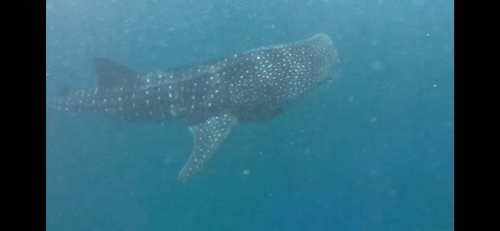
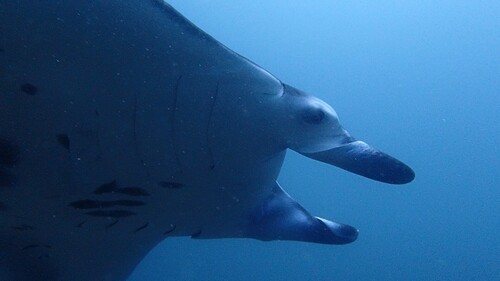
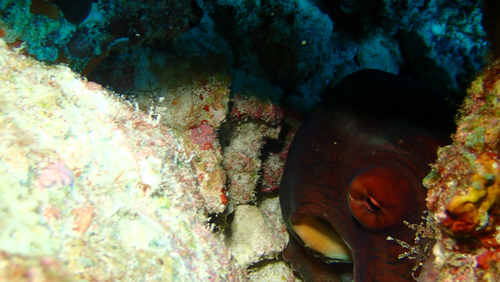
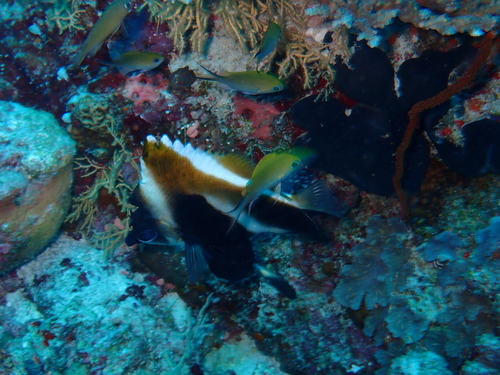
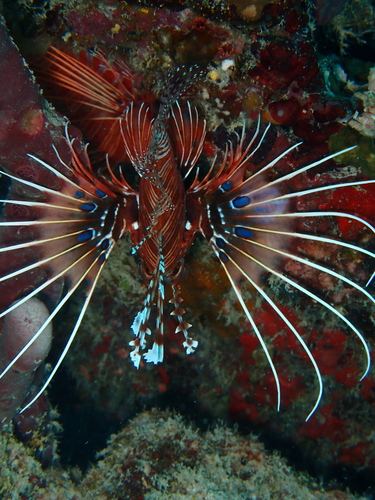
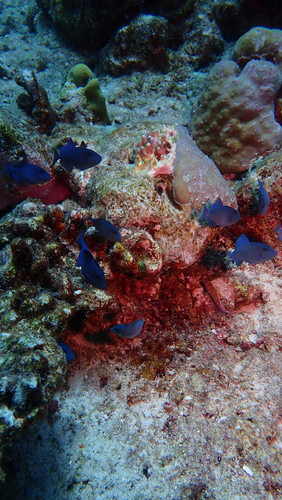
Expect reef sharks, jacks, groupers, snappers, and schooling trevally. Manta rays appear seasonally. Smaller critters include moray eels, nudibranchs, and octopus. Coral heads host anemones and clownfish. Turtle sightings are fairly common. The atoll's biodiversity draws both fish-watchers and macro photographers.
›Do I need permits or special access?
The Maldives does not require special permits for recreational diving at established resorts or live-aboard operators. Nalaguraidhoo is not within a marine protected area, so standard tourism rules apply. Most visitors book dives through their resort or an operator in the atoll. Bring your certification card. No visa is needed for most nationalities on arrival.