About this spot
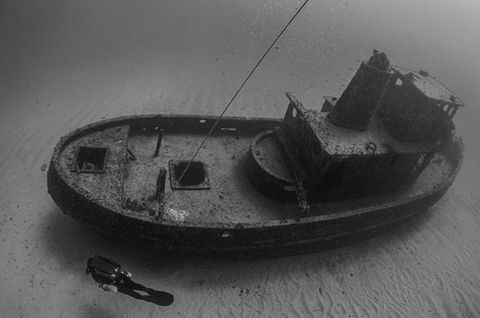
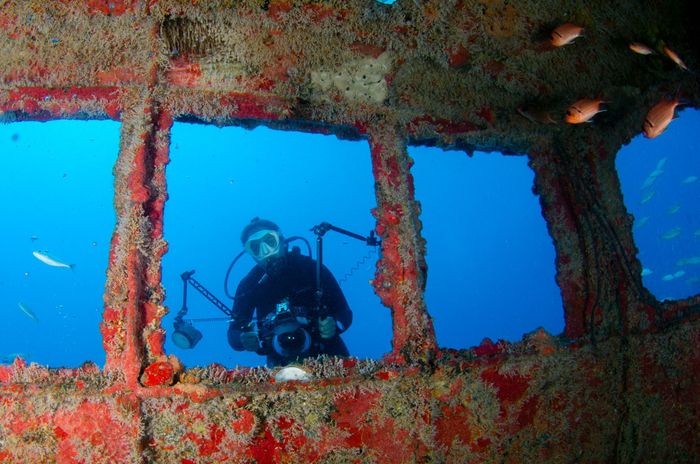
Épave John G. Mac Cullough is a wreck dive located in French waters. This site draws divers interested in exploring sunken vessels and maritime history. The wreck offers a chance to see how the ocean transforms human structures over time, with growth and marine colonization creating an artificial reef habitat. The site is open year-round, making it accessible to divers throughout the seasons. While specific depth and visibility data aren't widely published, wreck dives typically require solid navigation skills and comfort with overhead environments. Divers should verify current conditions with local operators before planning a trip. This dive is not located within a Marine Protected Area, which means fewer regulatory restrictions apply to access. The wreck environment supports marine life adapted to artificial structures, though detailed species inventories from this specific site are limited. As with all wreck dives, proper training, equipment checks, and conservative dive planning are essential for safety.
📖 Guide: Diving in France: 220 Sites From Alpine Lakes to Tropical Reefs
Best months
Dive types
Trip essentials
Everything you need before you pack — checklist, sun, logistics.
Trip checklist
- 🛂 Visa-free or visa-on-arrival
- 📜 C-card + dive insurance (DAN)
- 📔 Dive logbook
- 🧴 Reef-safe sunscreen SPF 50+
- 🔌 Plug type C/E/F · 230V adapter
- 💊 Seasickness meds + ear drops
- 📱 Offline maps + emergency contact
Quick facts
- 🌓 Moon First quarter · 47%
- GPS
› Sustainability disclosures
FAQ
›Can I dive Épave John G. Mac Cullough year-round?
Yes, this site is accessible year-round. However, sea conditions, visibility, and water temperature vary by season in French waters. Check local dive operator forecasts before booking to match your experience level and equipment.
›What depth and difficulty level should I expect?
Specific depth data for this wreck is not widely documented. Contact local French dive operators for current details. Wreck dives generally require advanced training, comfort with navigation, and equipment suitable for overhead environments.
›What marine life will I see here?
Wrecks create artificial reef habitats that attract fish, crustaceans, and other marine organisms. Species vary by season and depth. No detailed inventory is available for this specific site; ask local operators what they typically observe.
›Do I need permits or special permission to dive here?
This site is not within a Marine Protected Area, so standard dive regulations apply. Always inform local authorities of your dive plan and check for any site-specific rules or closures before entering the water.