About this spot
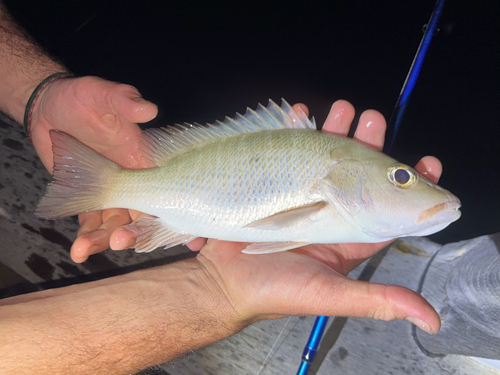
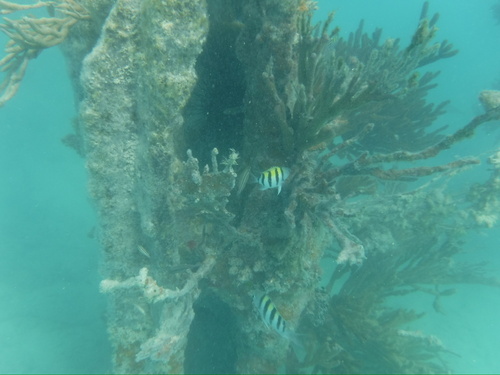
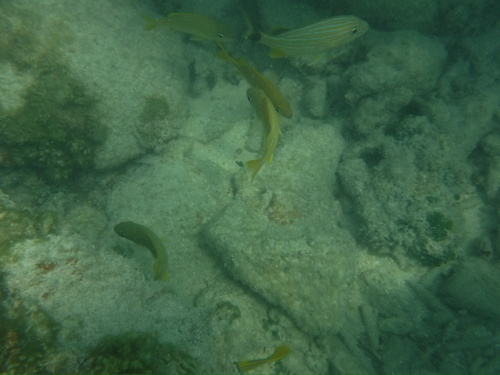
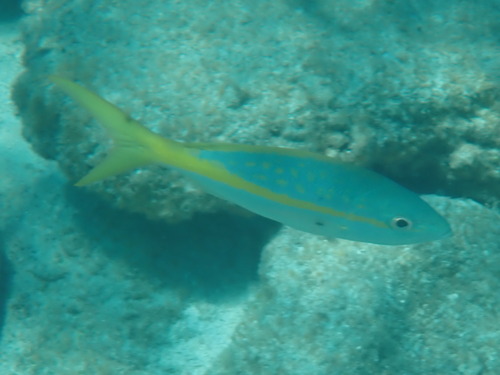
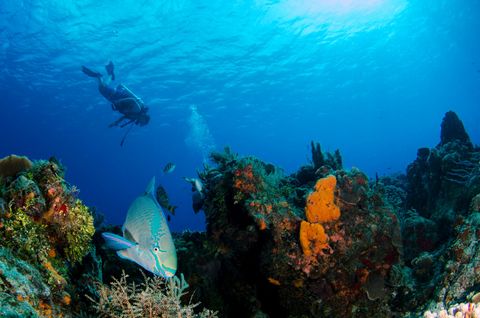
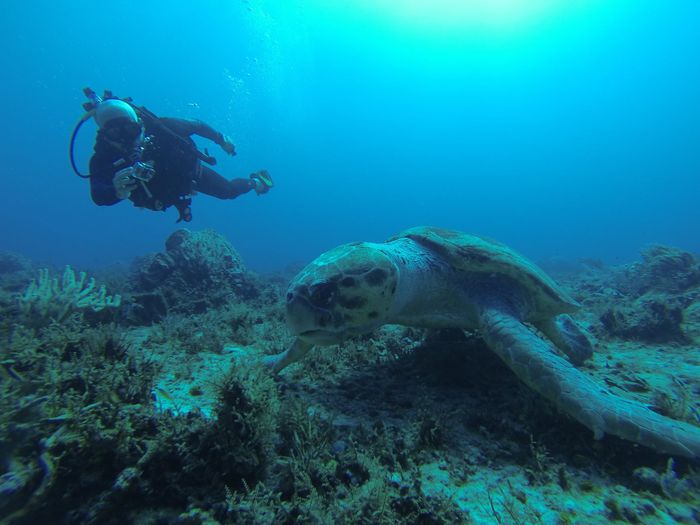
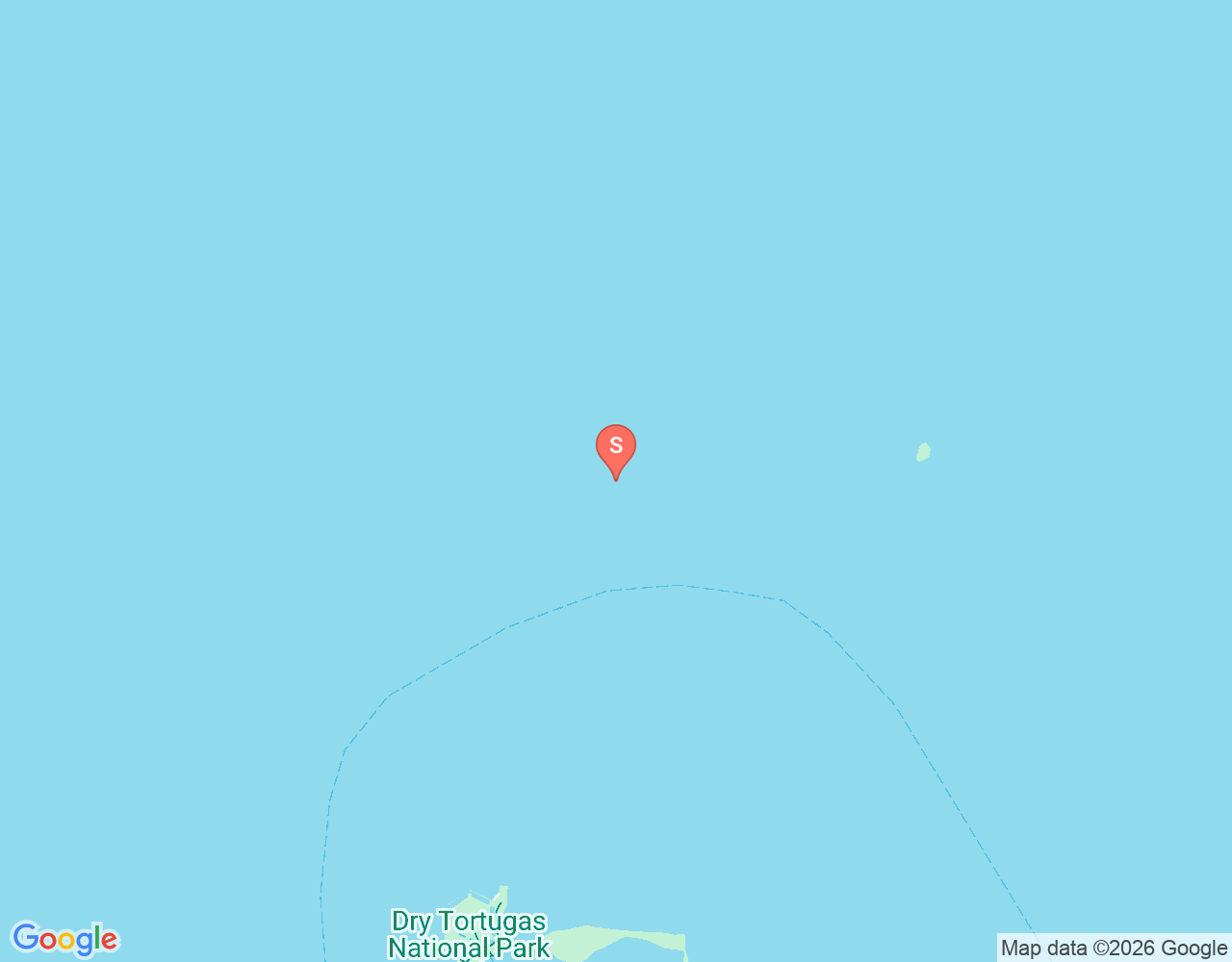
Dry Tortugas National Park offers some of Florida's most remote and protected diving. Located 70 miles west of Key West, the park encompasses 100,000 acres of open ocean, shallow banks, and coral gardens. The area is a no-take marine reserve, meaning fish populations remain robust and corals thrive without fishing pressure. Visibility often exceeds 100 feet on good days, revealing dense schools of grouper, snapper, and jacks around the reefs. The park protects multiple dive sites ranging from shallow coral heads to deeper walls. Fort Jefferson, the massive Civil War–era brick fort at the park's center, sits in shallow water and draws both divers and history buffs. Wreck dives include several vessels sunk intentionally or lost to storms. The shallow banks support vibrant sponge gardens and patch reefs teeming with tropical fish. Because it's a national park, all diving requires a permit and follows strict no-take rules. Access is ferry-only or by private boat. Most visitors take the 2.5-hour passenger ferry from Key West, which runs most days. Private boats must anchor in designated mooring fields. Weather can be rough—the waters are exposed to the Gulf Stream and Atlantic swells. Trip planning around calm weather windows is essential. The park is worth the journey: few dive destinations in the continental US offer such untouched coral ecosystems and historic character.
📖 Guía: Buceo en Estados Unidos: 87 Sitios desde Manantiales hasta el Océano Abierto
Mejores meses
Vida marina
Tipos de buceo
Esenciales del viaje
Todo lo que necesitas antes de hacer la maleta — checklist, sol, logística.
Trip checklist
- 🛂 Visa-free or visa-on-arrival
- 📜 C-card + dive insurance (DAN)
- 📔 Dive logbook
- 🧴 Reef-safe sunscreen SPF 50+
- 🔌 Plug type A/B · 120V adapter
- 💊 Seasickness meds + ear drops
- 📱 Offline maps + emergency contact
Quick facts
- 🌓 Moon First quarter · 47%
- GPS
› Información de sostenibilidad
Preguntas frecuentes
›When is the best time to dive Dry Tortugas?
Dry Tortugas can be dived year-round, but May through September and December through March typically offer the calmest seas. Summer brings heat and occasional tropical storms; winter is cooler but more stable. Check weather forecasts before booking—Gulf Stream swells and Atlantic weather can shut down access quickly.
›What are the depth and difficulty levels?
Depths vary from 15 feet on shallow coral gardens to 80+ feet on outer walls and wrecks. Beginner-friendly shallow sites exist, but the area is exposed and current-prone. Intermediate to advanced skills help, especially for wreck dives and deeper explorations. Always dive with a guide familiar with the park's conditions.
›What marine life will I see?
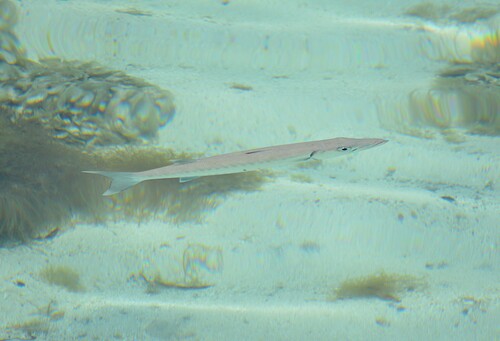
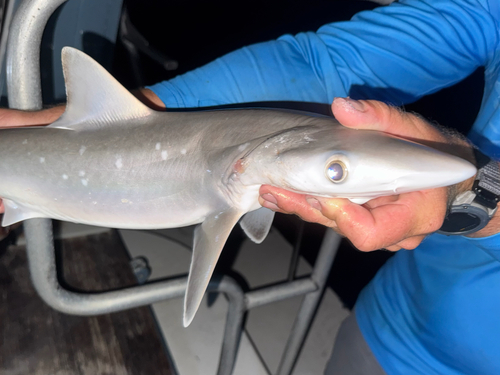
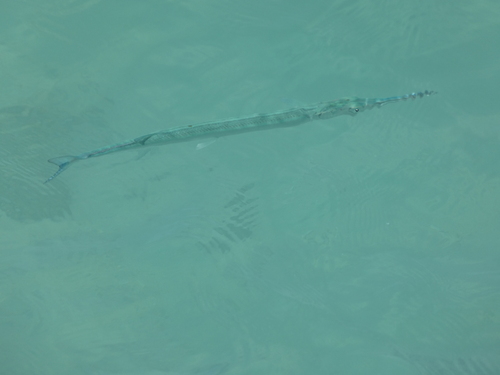
Expect large grouper, snapper, jacks, and amberjacks around reefs and wrecks. Nurse sharks, sea turtles, and rays are common. The shallow banks host sponge gardens and hard corals. Because it's a protected reserve, fish are abundant and unafraid. Pelagics like tarpon and large barracuda appear seasonally.
›How do I access Dry Tortugas and what permits are needed?
Access is by passenger ferry (2.5 hours from Key West) or private boat. A national park entry permit is required; fees apply. Divers must follow all park regulations, including no-take zones and mooring-field anchoring only. Private boats need advance reservations for moorings. Check the National Park Service website for current rules and ferry schedules.