About this spot
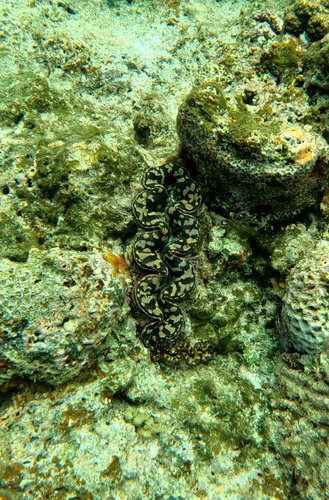
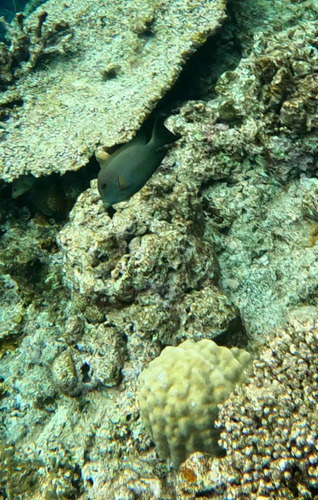
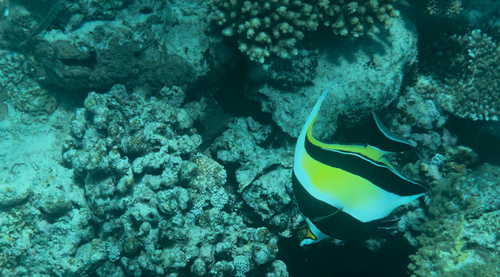
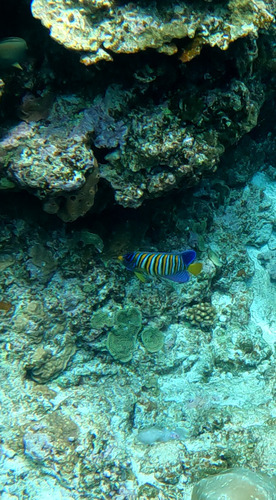
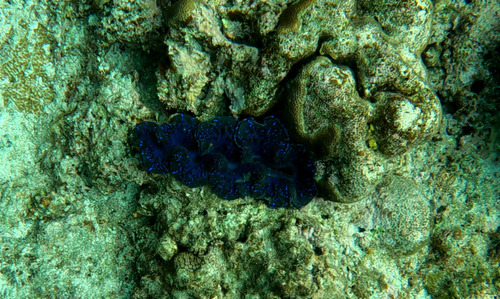
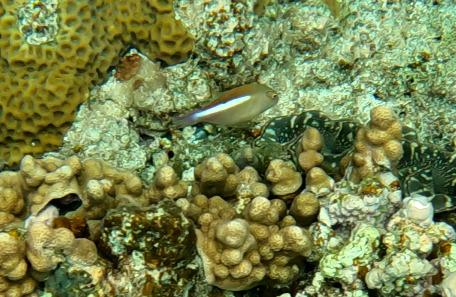
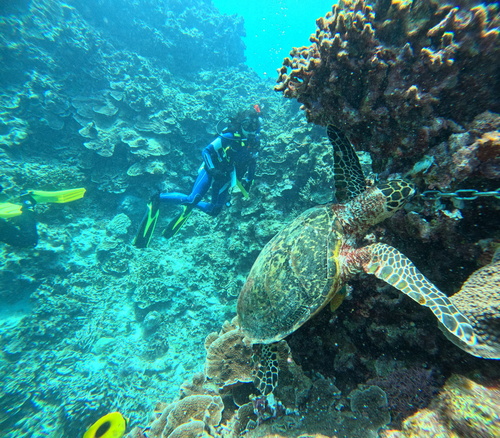
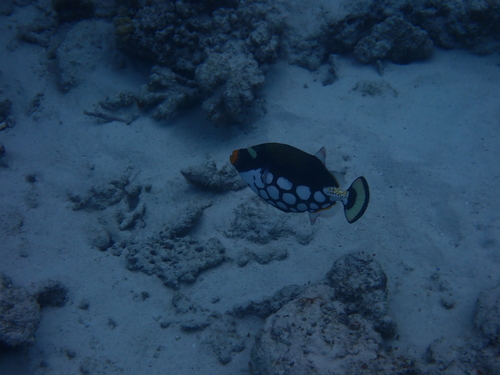
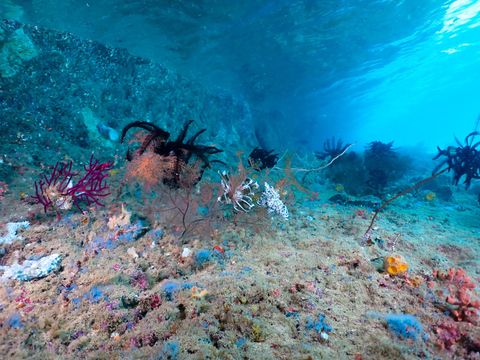
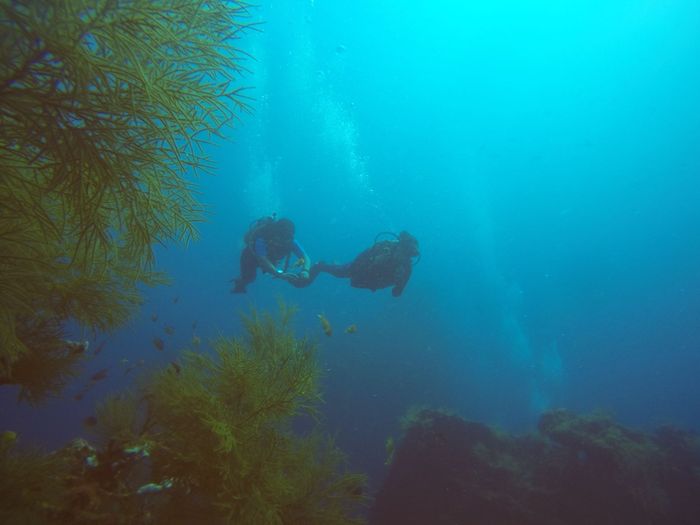
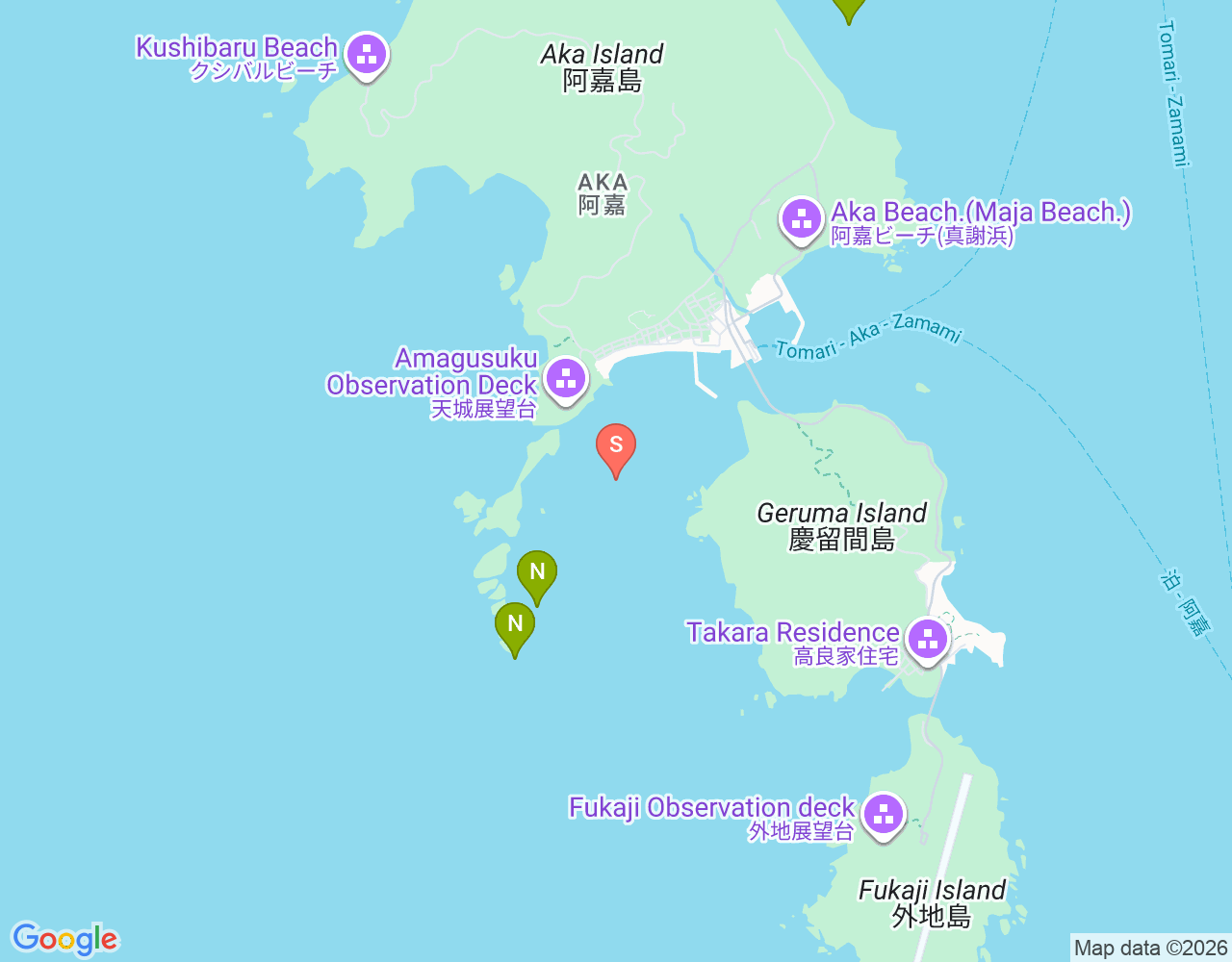
Aka Island's pier site—known locally as 阿嘉桟橋前—sits in Okinawa's warm, protected waters where year-round diving is possible. The site centers on the pier structure itself, which attracts reef fish, crustaceans, and small pelagics. Coral health surveys show no bleaching stress, indicating stable conditions for reef viewing. Shallow entry from the pier makes this site practical for divers of varying experience, though the exact depth profile varies by tide and season. The pier acts as an artificial reef, creating habitat pockets worth exploring.
📖 Guía: Buceo en Japón: 42 sitios desde tiburones hasta monumentos de piedra
Mejores meses
Vida marina
Tipos de buceo
Esenciales del viaje
Todo lo que necesitas antes de hacer la maleta — checklist, sol, logística.
Trip checklist
- 🛂 Visa-free or visa-on-arrival
- 🤿 Pack: 3/2 mm shorty
- 📜 C-card + dive insurance (DAN)
- 📔 Dive logbook
- 🧴 Reef-safe sunscreen SPF 50+
- 🔌 Plug type A/B · 100V adapter
- 💊 Seasickness meds + ear drops
- 📱 Offline maps + emergency contact
Quick facts
- 🌓 Moon First quarter · 47%
- 🤿 Wetsuit 3/2 mm shorty
- GPS
› Información de sostenibilidad
Preguntas frecuentes
›When is the best time to dive Aka Island pier?
This site is diveable year-round. Water conditions remain warm throughout the year, though winter months may see slightly reduced visibility. Spring and autumn typically offer the calmest conditions.
›What wildlife can I expect to see?
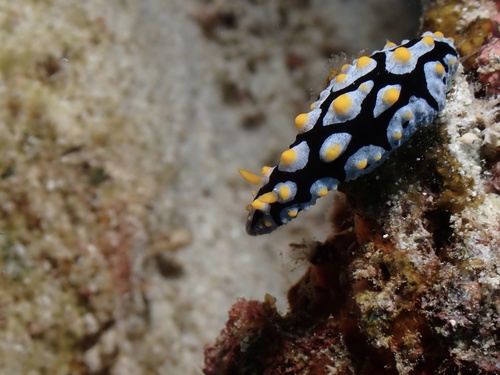
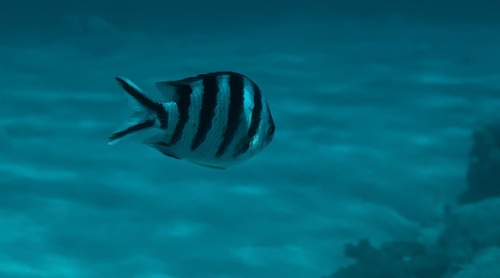
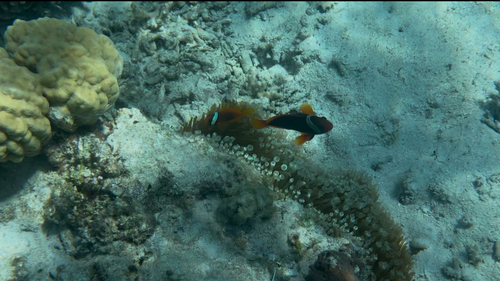
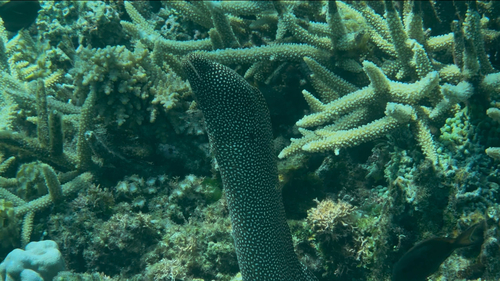
Reef fish, nudibranchs, crustaceans, and small pelagics are common. The pier structure harbors smaller species and provides shelter for nocturnal creatures. Twelve species observations are documented from the site.
›How do I access the dive site?
Entry is directly from Aka Island's pier in Okinawa. No special permits are required—this is an open-access, non-protected site. Local dive operators can provide current conditions and guidance.
›Is the site suitable for beginners?
The shallow pier entry makes access easy for new divers. Actual depth and difficulty depend on how far you explore from the structure. Check with local guides before diving to assess current conditions.