About this spot
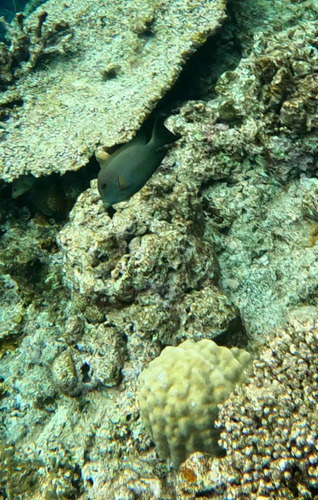
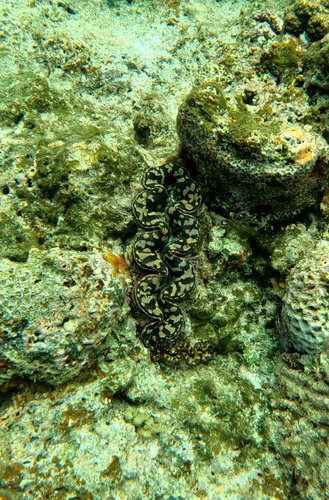
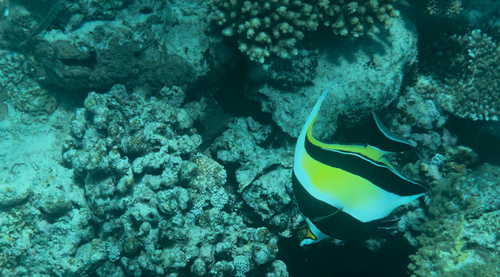
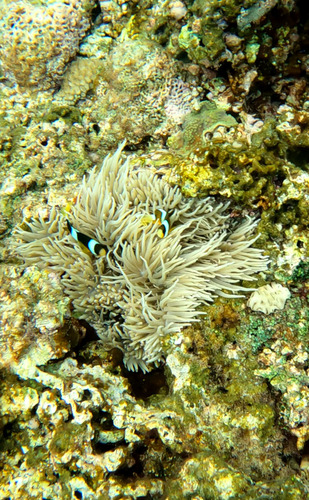
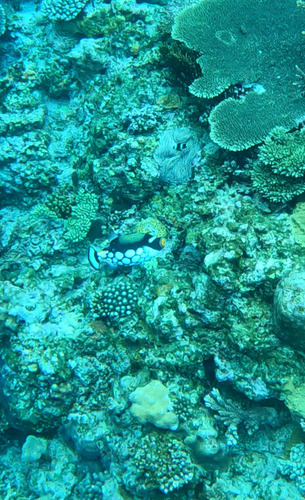
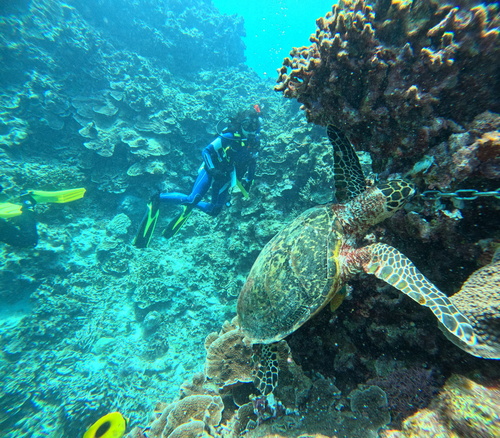
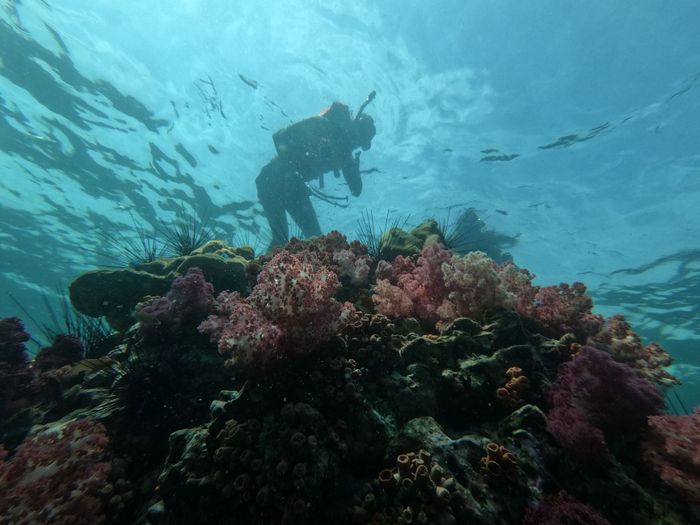
Ibouibo Sango (イボイボサンゴ), also known by its local name Aka-kaikyō, is a coral-focused dive destination in Japan accessible throughout the year. The site supports a diverse coral community documented through 12 species observations, indicating a healthy and varied reef system. No marine protected area designation means standard Japanese diving regulations apply. The reef environment shows no signs of coral bleaching stress, making it a reliable choice for divers interested in coral ecosystems. Community documentation includes video content from the site, providing reference material for planning dives. Access follows standard Japanese dive site protocols. Local diving operators familiar with the area can provide current conditions and specific entry procedures. The year-round availability means flexibility in scheduling, though checking seasonal weather patterns is advised before booking.
📖 Guía: Buceo en Japón: 42 sitios desde tiburones hasta monumentos de piedra
Mejores meses
Vida marina
Tipos de buceo
Esenciales del viaje
Todo lo que necesitas antes de hacer la maleta — checklist, sol, logística.
Trip checklist
- 🛂 Visa-free or visa-on-arrival
- 📜 C-card + dive insurance (DAN)
- 📔 Dive logbook
- 🧴 Reef-safe sunscreen SPF 50+
- 🔌 Plug type A/B · 100V adapter
- 💊 Seasickness meds + ear drops
- 📱 Offline maps + emergency contact
Quick facts
- 🌓 Moon First quarter · 47%
- GPS
› Información de sostenibilidad
Preguntas frecuentes
›When is the best time to dive Ibouibo Sango?
The site is accessible year-round. Plan around Japan's seasonal weather patterns and your personal comfort with water conditions. Check with local operators for current conditions before your trip.
›What marine life will I see?
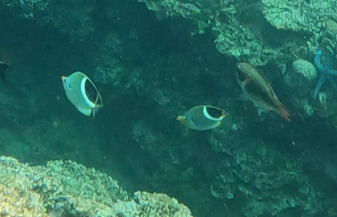
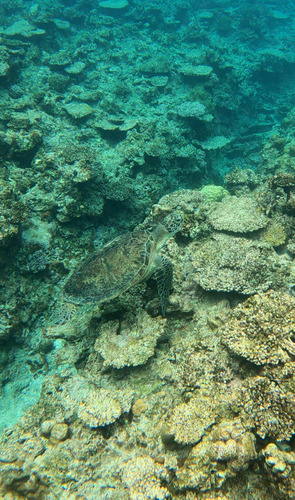
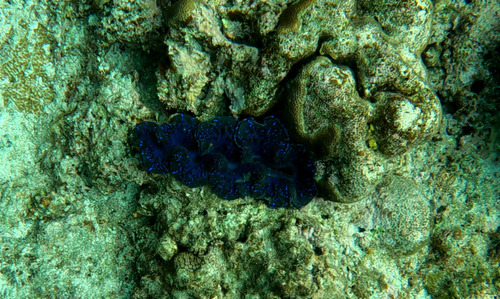
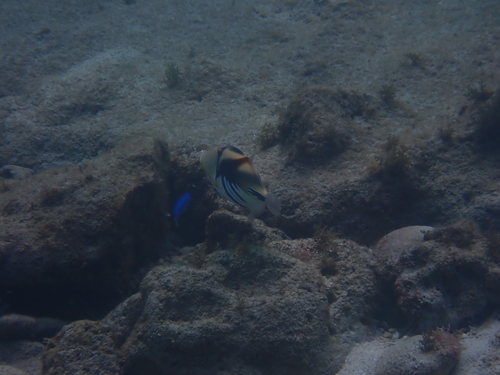
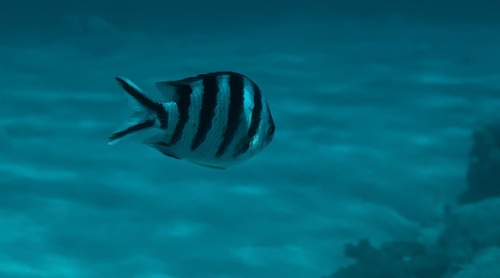
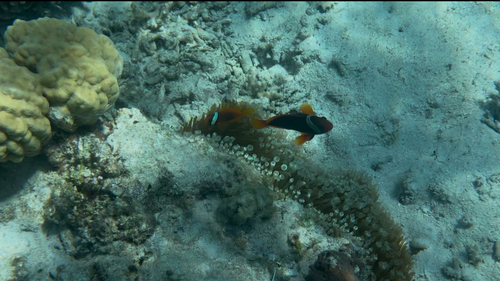
The site features a documented coral ecosystem with 12 recorded species observations. Corals are the primary focus, with the reef showing stable health and no bleaching stress. Marine diversity typical of Japanese coral reefs.
›Do I need special permits or certifications?
Standard Japanese diving regulations apply. No specific permits required beyond what Japan's diving authorities mandate. Work with a local dive operator familiar with the site.
›Is the reef healthy?
Yes. The site shows no coral bleaching stress and maintains stable reef conditions with documented species diversity across 12 recorded observations.