About this spot
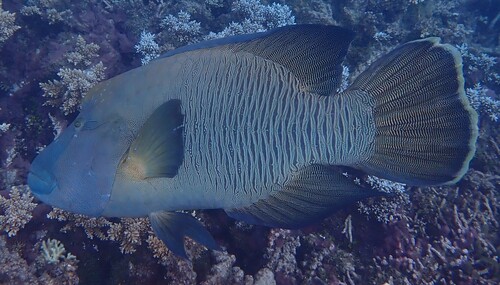
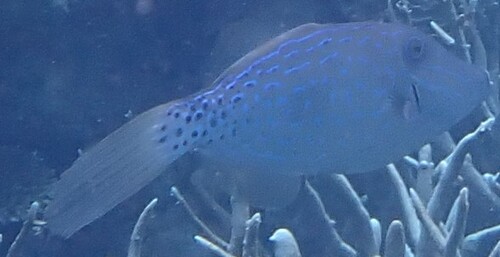
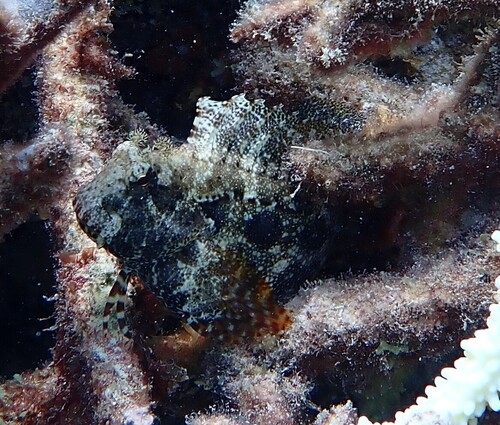
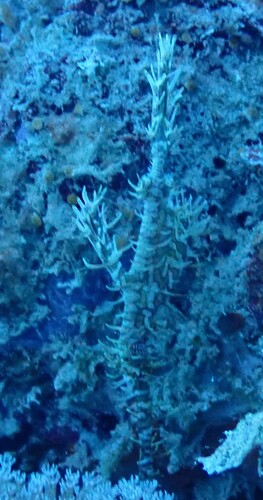
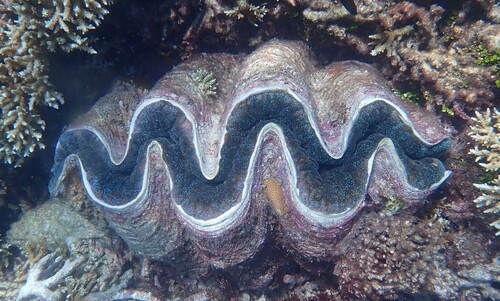
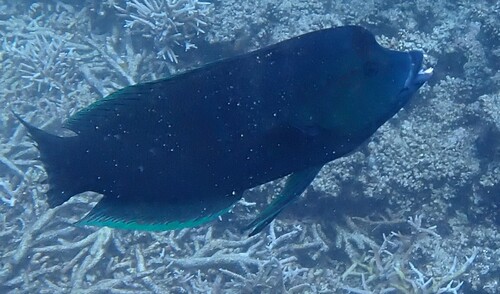
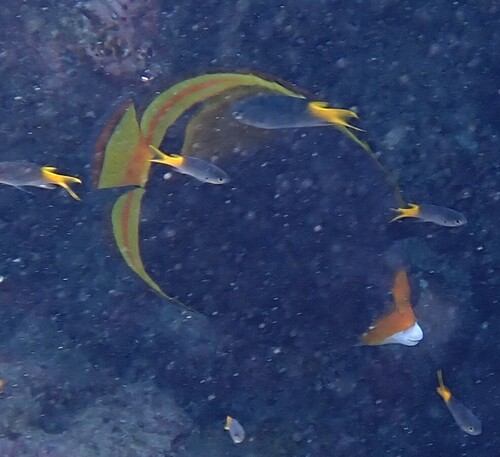
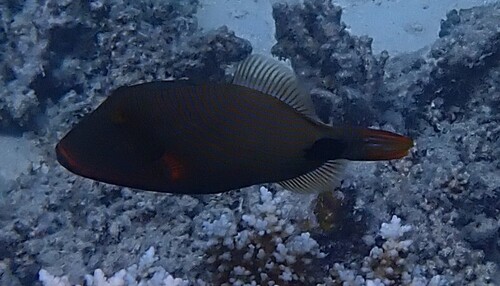
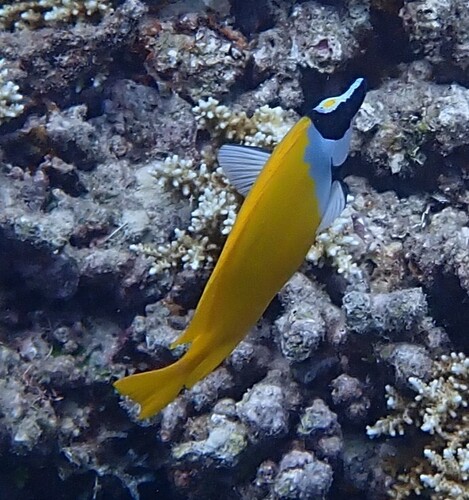
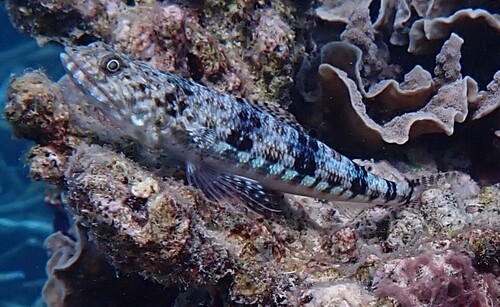
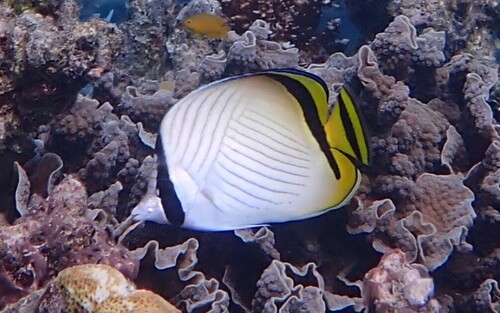
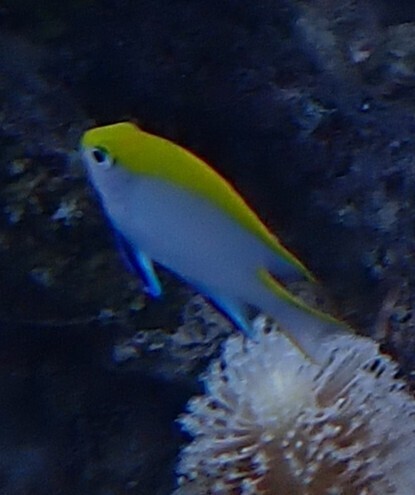
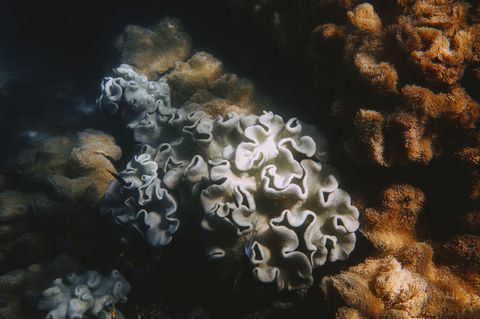
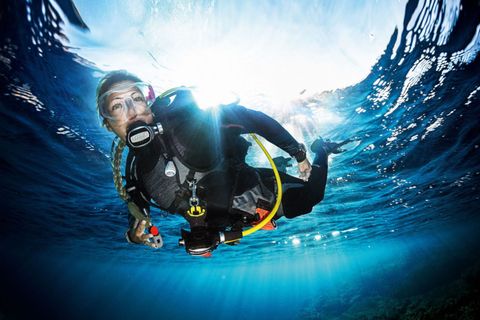
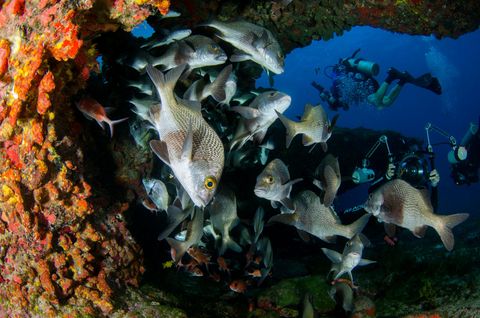
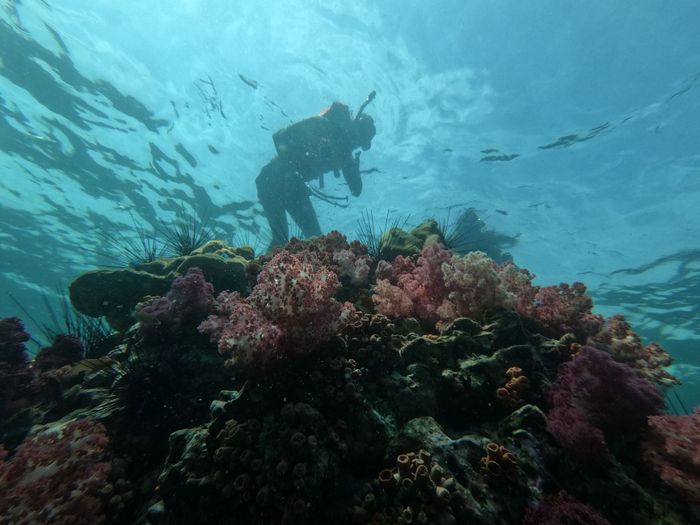
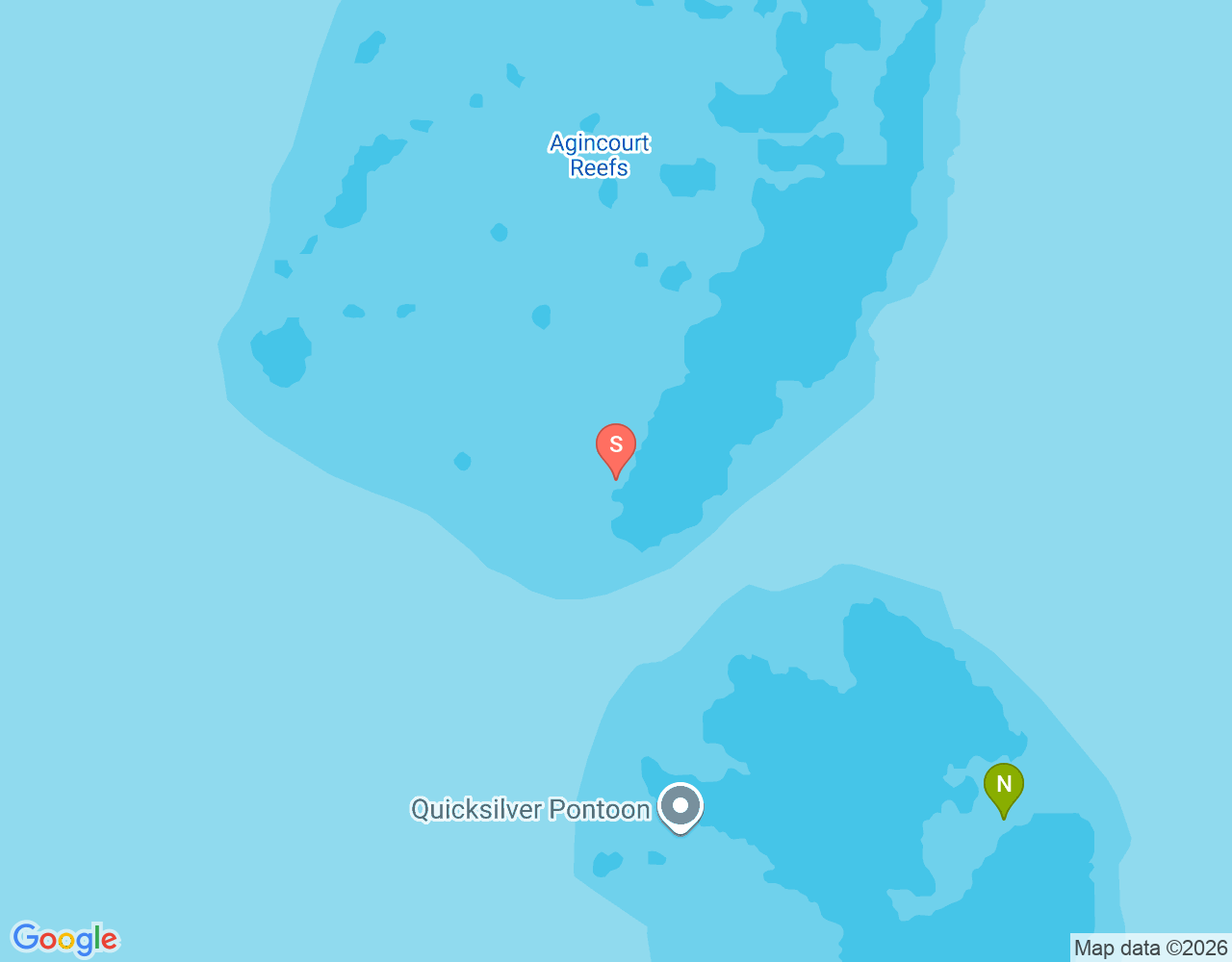
Agincourt Reef No. 4 — The Point sits in the heart of the Great Barrier Reef, one of the world's most biodiverse marine ecosystems. Protected within the Great Barrier Reef World Heritage Area, this site benefits from strict conservation measures that keep the reef in good health. The coral shows no stress from bleaching, making it an ideal destination for divers wanting to see thriving reef systems. The site supports diverse marine life documented through species observations and community videos. Divers here encounter the full spectrum of reef fish, invertebrates, and larger pelagics typical of Australia's premier diving region. With twelve recorded species observations and three community videos available, you can research what to expect before you dive. Access to Agincourt Reef requires a boat from the Queensland coast. Most dive operators run regular trips to the Agincourt reefs, which sit in the outer section of the Great Barrier Reef. The site is accessible year-round, meaning you can plan your trip based on your schedule rather than seasonal windows. Weather and sea conditions vary throughout the year, so check local forecasts before booking.
📖 Guía: Buceo en Australia: 61 sitios desde arrecifes de coral hasta pecios en aguas frías
Mejores meses
Tipos de buceo
Esenciales del viaje
Todo lo que necesitas antes de hacer la maleta — checklist, sol, logística.
Trip checklist
- 🛂 Visa-free or visa-on-arrival
- 🤿 Pack: 3/2 mm shorty
- 📜 C-card + dive insurance (DAN)
- 📔 Dive logbook
- 🧴 Reef-safe sunscreen SPF 50+
- 🔌 Plug type I · 230V adapter
- 💊 Seasickness meds + ear drops
- 📱 Offline maps + emergency contact
Quick facts
- 🌓 Moon First quarter · 47%
- 🤿 Wetsuit 3/2 mm shorty
- GPS
› Información de sostenibilidad
Desde tu país de salida
- Visado: e-Visa · 90 días máx.
- Vuelo: 16h · directo
- Jet-lag: 9h este · 6 días de recuperación
Preguntas frecuentes
›When is the best time to dive Agincourt Reef No. 4?
The site is accessible year-round. Conditions vary seasonally, so check local weather forecasts and sea state before booking your trip. June to October typically offers calmer seas on the Queensland coast.
›What marine life will I see here?
Twelve species observations have been recorded at this site. You can expect reef fish, invertebrates, and pelagics typical of the Great Barrier Reef. Review the community videos and species data available to see what divers have documented.
›How do I access Agincourt Reef No. 4?
The site requires boat access from the Queensland coast. Commercial dive operators run regular trips to the Agincourt reefs in the outer Great Barrier Reef. Book through established operators familiar with the area.
›What protection does this reef have?
Agincourt Reef No. 4 lies within the Great Barrier Reef World Heritage Area, subject to strict conservation regulations. The coral currently shows no bleaching stress, indicating a healthy reef system.