About this spot
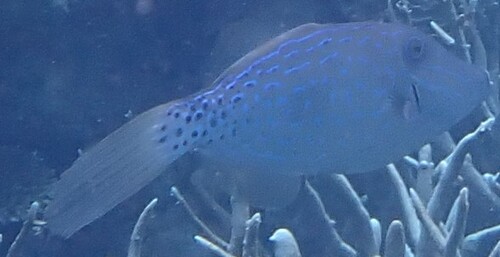
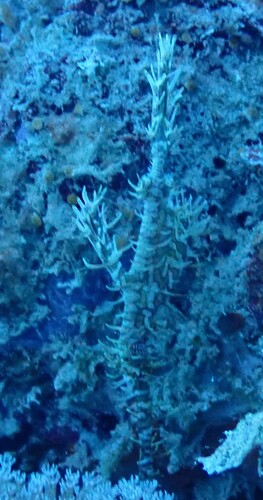
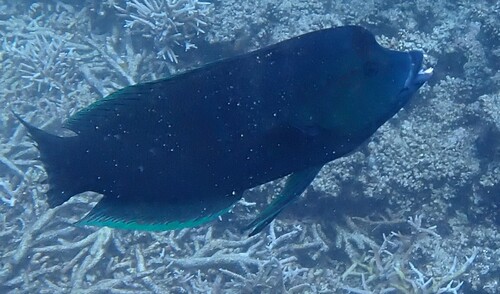
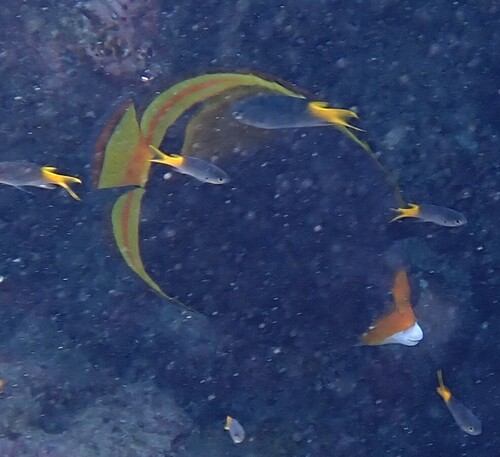
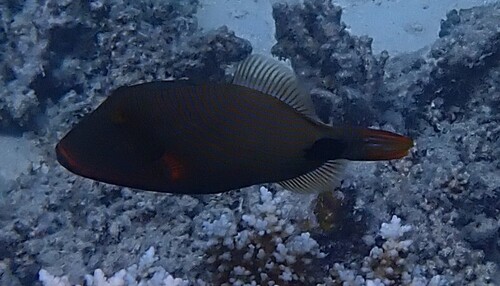
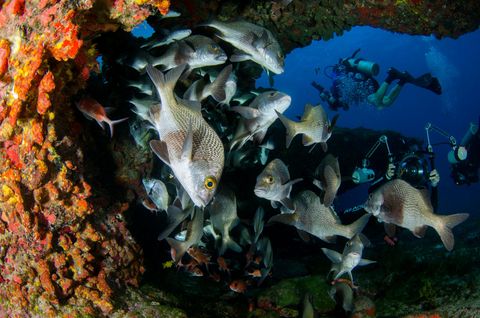
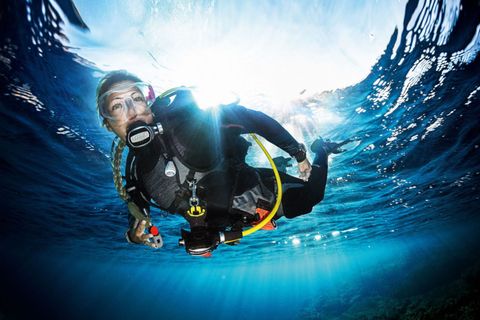
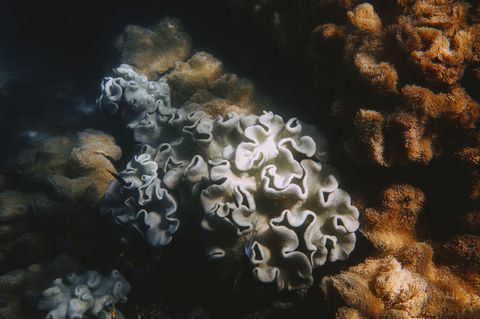
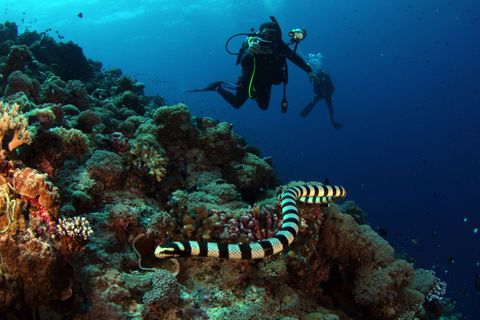
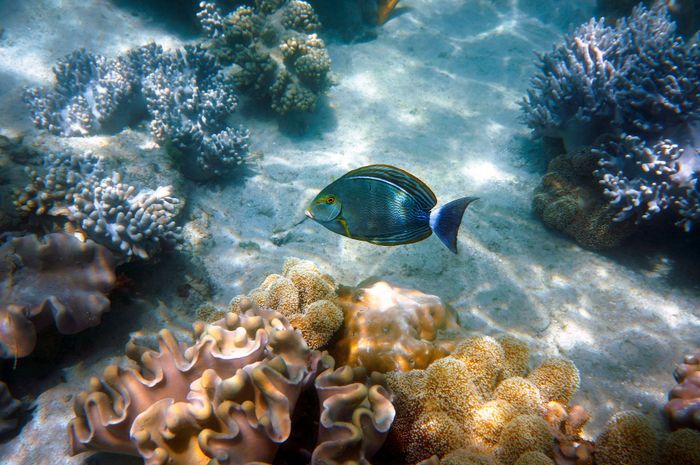
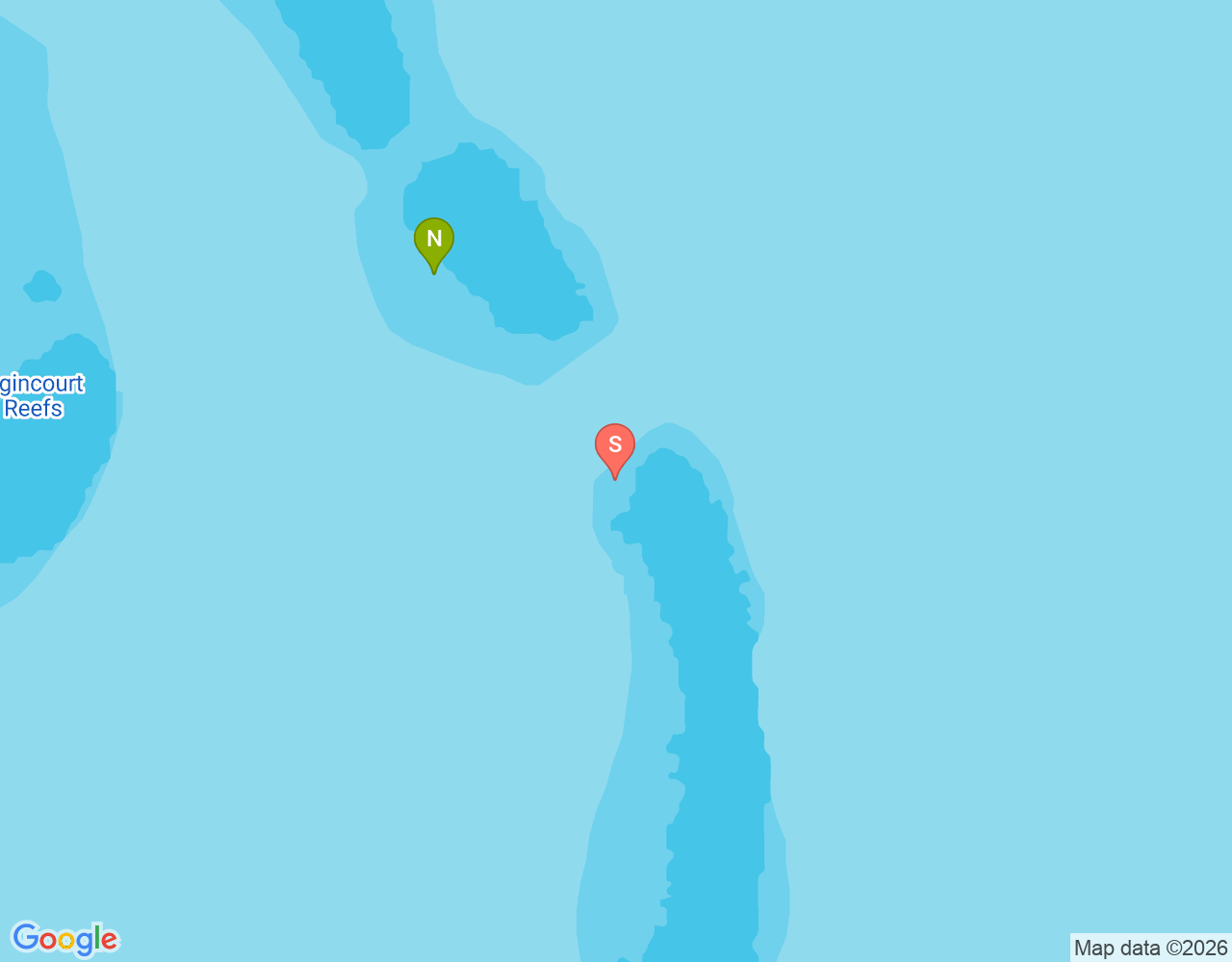
Agincourt Reef No. 1, nicknamed Trigger Fish City, sits within the Great Barrier Reef World Heritage Area off Australia's Queensland coast. The reef earns its name from the abundance of trigger fish that school and feed across its structure. The site is protected under Marine Protected Area status, which means strict access rules apply—always check local regulations and obtain required permits before diving. The reef hosts 12 documented species observations, indicating solid biodiversity across fish, invertebrates, and coral communities. Current coral bleaching stress assessments show no active stress, meaning the hard and soft corals here remain in good health. This stability makes Agincourt Reef No. 1 a reliable dive destination for experiencing intact reef ecosystems. Diving here requires familiarity with reef navigation and current awareness, as most Great Barrier Reef sites operate in dynamic water conditions. The site's location within a World Heritage Area emphasizes responsible diving practices: stay with your guide, maintain buoyancy control, and avoid touching coral or disturbing marine life. Visibility and depth can vary with season and tidal conditions, so coordinate with local operators before booking.
📖 Guía: Buceo en Australia: 61 sitios desde arrecifes de coral hasta pecios en aguas frías
Tipos de buceo
Esenciales del viaje
Todo lo que necesitas antes de hacer la maleta — checklist, sol, logística.
Trip checklist
- 🛂 Visa-free or visa-on-arrival
- 📜 C-card + dive insurance (DAN)
- 📔 Dive logbook
- 🧴 Reef-safe sunscreen SPF 50+
- 🔌 Plug type I · 230V adapter
- 💊 Seasickness meds + ear drops
- 📱 Offline maps + emergency contact
Quick facts
- 🌓 Moon First quarter · 47%
- GPS
› Información de sostenibilidad
Desde tu país de salida
- Visado: e-Visa · 90 días máx.
- Vuelo: 16h · directo
- Jet-lag: 9h este · 6 días de recuperación
Preguntas frecuentes
›When is the best time to dive Agincourt Reef No. 1?
The reef is diveable year-round. However, conditions vary seasonally. Winter months (May–October) typically offer calmer seas and better visibility. Summer (November–April) can bring stronger currents and occasional storms. Always check local forecasts and consult dive operators for current conditions before booking.
›What marine life can I expect to see?
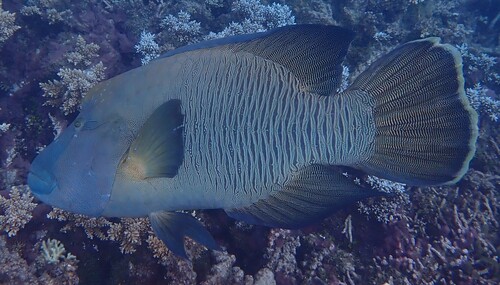
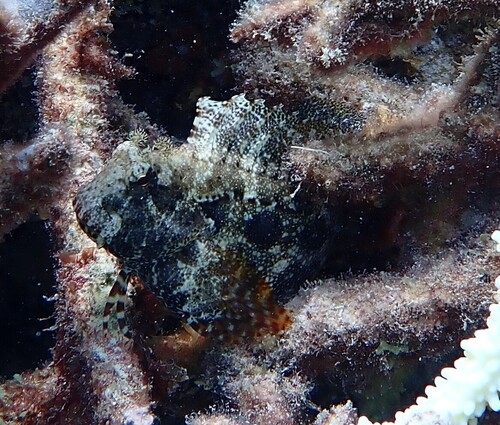
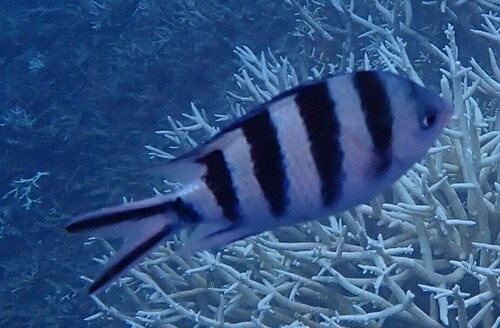
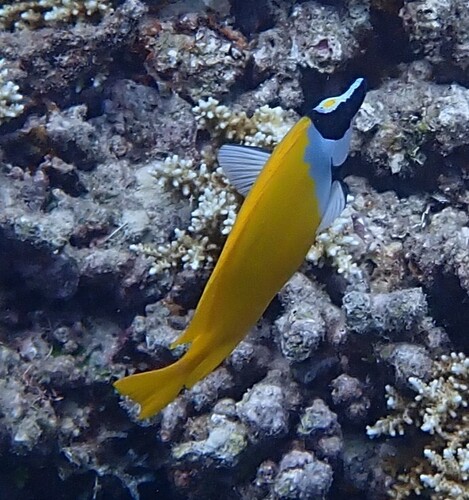
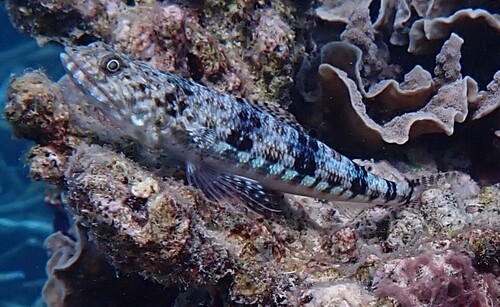
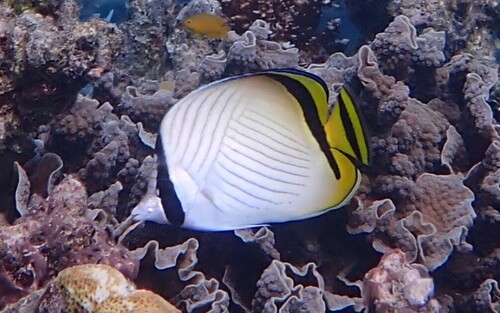
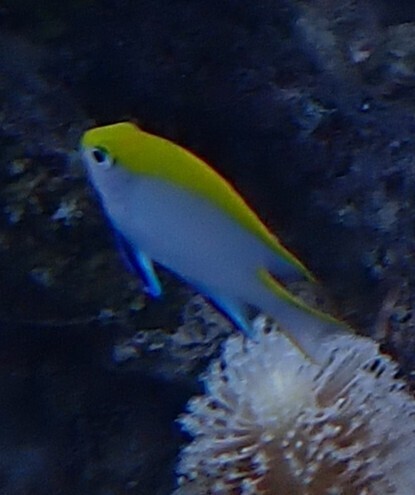
The site has 12 recorded species observations. Trigger fish are the signature encounter—they school throughout the reef. Expect reef fish, invertebrates, and healthy coral colonies. Specific species lists depend on recent survey data; ask your dive operator for current observations before your dive.
›Do I need permits or special authorization to dive here?
Yes. Agincourt Reef No. 1 is inside the Great Barrier Reef World Heritage Area and Marine Protected Area. Access rules and permits are mandatory. Work with an authorized dive operator who handles all compliance. Do not attempt independent dives without proper authorization.
›What depth and difficulty level is this dive?
Exact depth and difficulty ratings are not standardized for this site. Most Great Barrier Reef dives range from 5–30 meters, depending on the specific part of the reef you explore. Contact local operators for detailed briefings on depth, current expectations, and required experience level before your dive.