About this spot
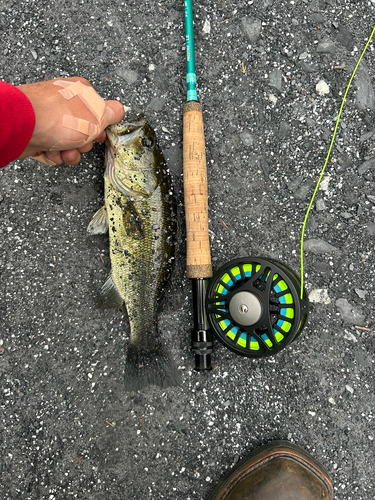
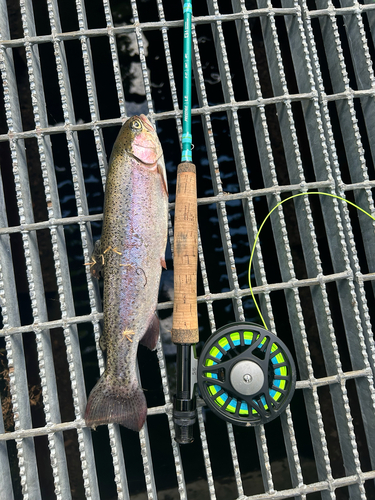
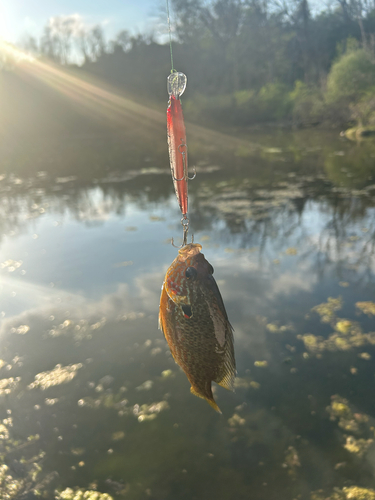
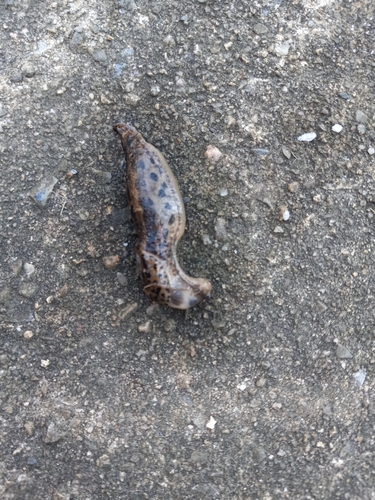
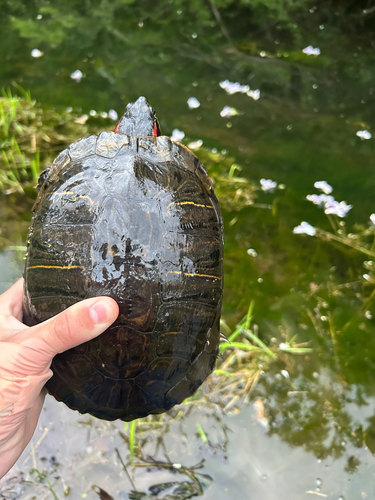
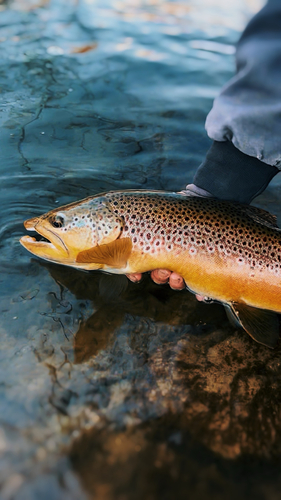
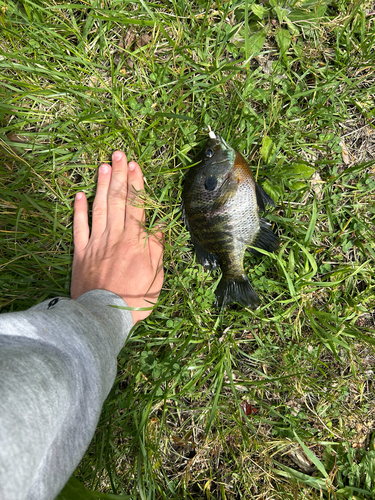
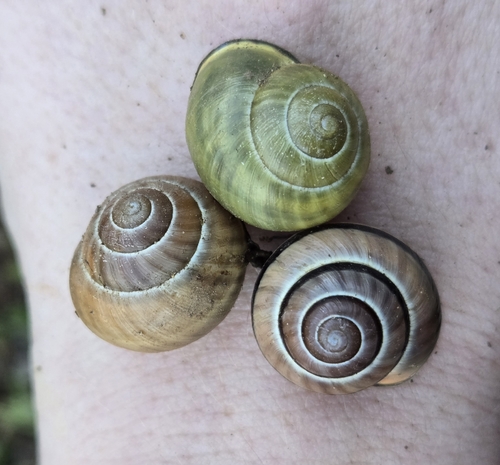
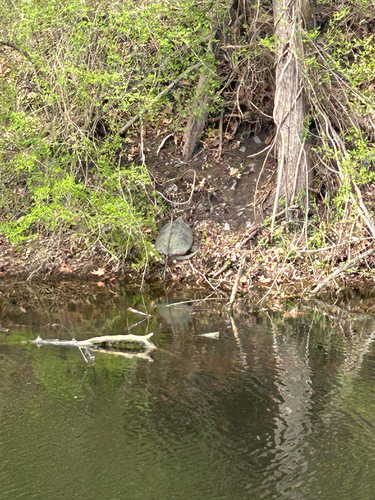
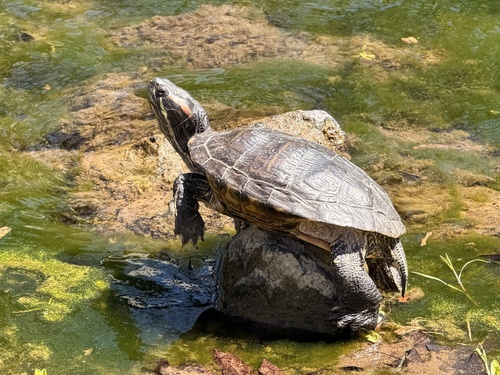
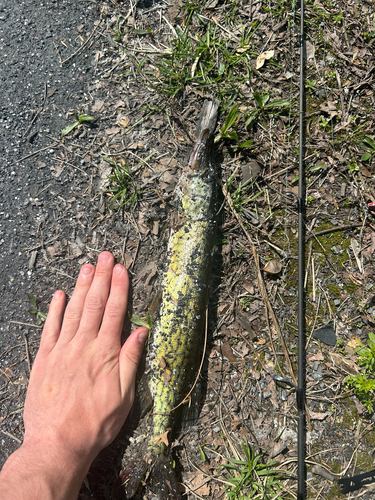
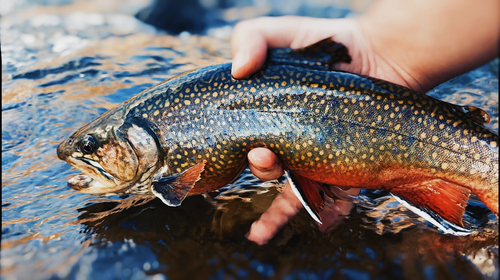
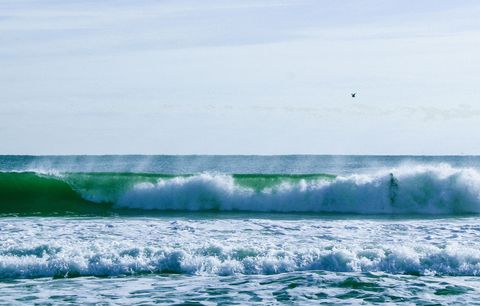
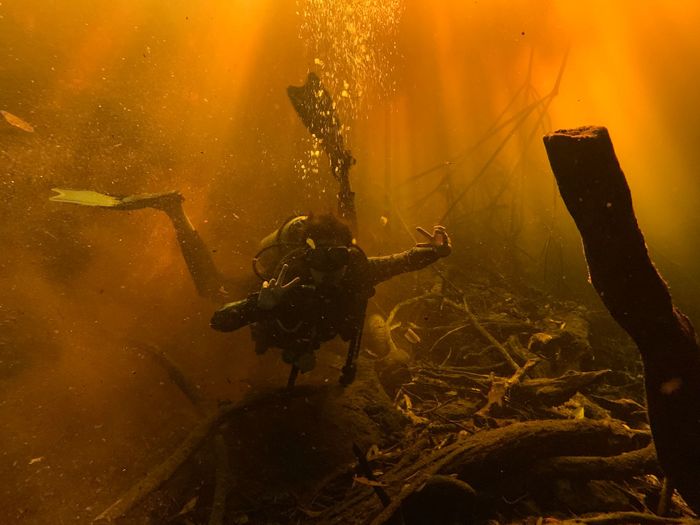
Lake Hydra offers freshwater diving opportunities accessible throughout the year. The site has documented species observations and community-contributed videos that showcase what divers can expect underwater. As an unprotected dive site, it remains open to the diving public without marine preserve restrictions. The lake supports a diverse ecosystem with 12 species observations recorded by visiting divers. Video content from the community provides visual reference for conditions and marine life encounters. This makes Lake Hydra a useful research destination for freshwater diving enthusiasts looking to document and study aquatic life. Year-round access means divers can plan trips based on personal schedules rather than seasonal windows. The site's documented observations and video library help new visitors prepare for their dives and understand what wildlife they may encounter. Lake Hydra works best for divers seeking freshwater exploration with established community data.
📖 Guide: Diving in the United States: 87 Sites From Springs to Open Ocean
Best months
Trip essentials
Everything you need before you pack — checklist, sun, logistics.
Trip checklist
- 🛂 Visa-free or visa-on-arrival
- 📜 C-card + dive insurance (DAN)
- 📔 Dive logbook
- 🧴 Reef-safe sunscreen SPF 50+
- 🔌 Plug type A/B · 120V adapter
- 💊 Seasickness meds + ear drops
- 📱 Offline maps + emergency contact
Quick facts
- 🌓 Moon First quarter · 47%
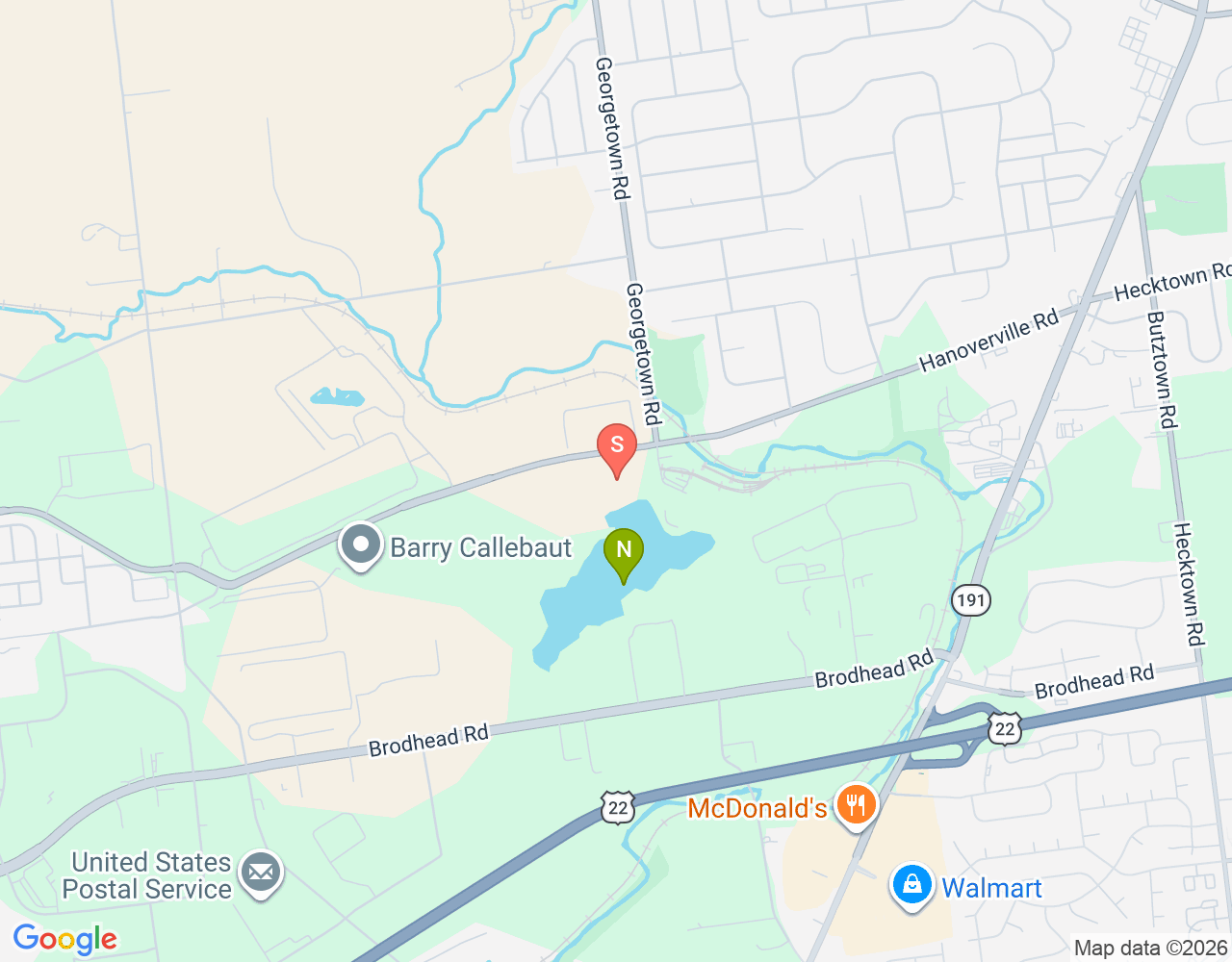
- GPS
› Sustainability disclosures
FAQ
›Can I dive Lake Hydra year-round?
Yes, Lake Hydra is open to diving year-round, so you can plan trips based on your schedule rather than seasonal restrictions.
›What marine life is documented at Lake Hydra?
Twelve species observations have been recorded at the site. Community videos provide visual documentation of the wildlife and conditions divers encounter.
›Is Lake Hydra in a marine protected area?
No, Lake Hydra is not inside a marine protected area, so standard recreational diving access applies.
›How can I learn about conditions before diving Lake Hydra?
Three community videos are available showing real dive footage and conditions. Species observation data from 12 documented encounters can help you prepare for your visit.