
About this spot
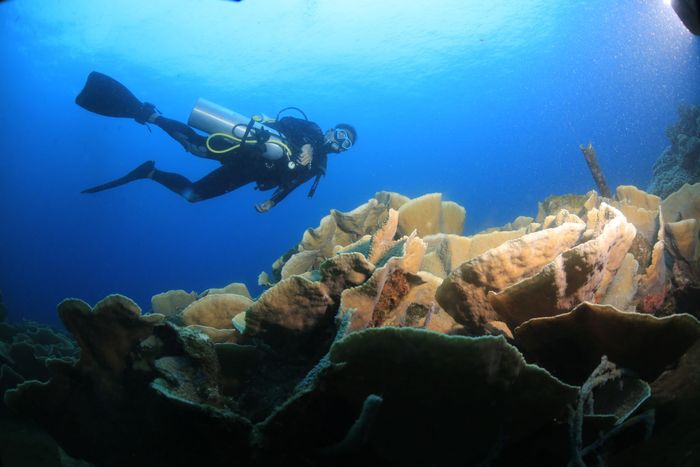
Culebra sits east of Puerto Rico as a small, laid-back island with a strong diving tradition. The surrounding reefs and shipwrecks draw divers year-round, making it a reliable destination when you want consistent access without seasonal closures. The diving here centers on coral formations, reef fish, and several wrecks that attract intermediate and advanced divers looking for structure and marine life encounters. The island's protected status means fewer large tourism operations and less crowded dive sites compared to mainland Puerto Rico. Local dive operators run regular trips to the main reefs and deeper wrecks. Visibility and conditions vary seasonally, but the year-round season means you can plan a trip whenever it fits your schedule. Culebra appeals to divers who want Caribbean diving without the resort atmosphere. The community is small and welcoming, and you'll find straightforward, no-frills dive operations. Ferries connect the island to Puerto Rico, so logistics are simple if you're basing yourself elsewhere on the island or mainland. Night diving and wreck exploration are popular activities for experienced divers.
📖 Guide: Diving in the United States: 87 Sites From Springs to Open Ocean
Best months
Dive types
Trip essentials
Everything you need before you pack — checklist, sun, logistics.
Trip checklist
- 🛂 Visa-free or visa-on-arrival
- 📜 C-card + dive insurance (DAN)
- 📔 Dive logbook
- 🧴 Reef-safe sunscreen SPF 50+
- 🔌 Plug type A/B · 120V adapter
- 💊 Seasickness meds + ear drops
- 📱 Offline maps + emergency contact
Quick facts
- 🌓 Moon First quarter · 47%
- GPS
› Sustainability disclosures
FAQ
›When is the best time to dive Culebra?
Culebra offers diving year-round. Conditions are generally most stable from May to November, though summer months can bring occasional rain squalls. Winter (December to April) tends to have calmer seas and clearer visibility, but is also busier with visitors.
›What depth and difficulty should I expect?
Culebra's reefs range from shallow coral formations suitable for beginners to deeper wreck dives beyond 80 feet for advanced divers. Most popular sites fall between 40 and 70 feet. Check with local operators for specific site conditions before booking.
›What marine life will I see?
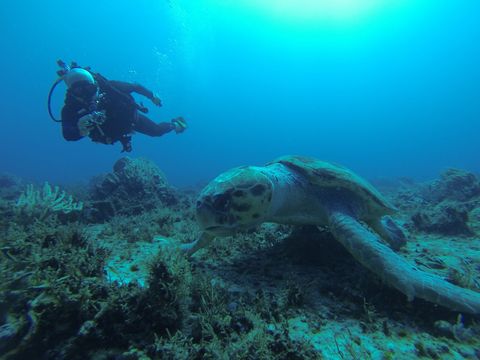
Reef dives feature grouper, snapper, parrotfish, and moray eels. Wreck sites often hold larger pelagics and deep-water species. Sea turtles and rays are common. Seasonal visitors include spotted eagle rays and occasional larger predators around deeper structures.
›How do I get to Culebra and do I need permits?
Ferries run from Fajardo on Puerto Rico's northeast coast (about 45 minutes). No special permits are required for diving. A valid passport or U.S. ID works for entry. Book dive trips through local operators once you arrive on the island.